Last Update: August 2026
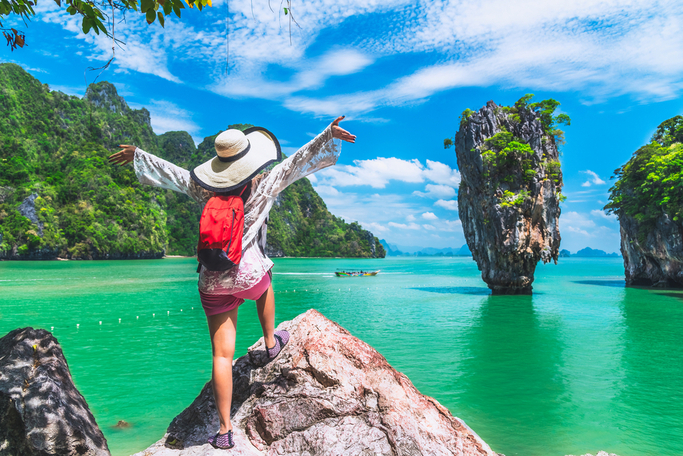
The Maldives are a destination for adventure, water sports, and romance. Its crystal clear waters, white beaches, spectacular bungalows, and the most iconic sunsets in the world. The Maldive Islands are pure paradise and the perfect place to experience a luxury holiday.
The Maldives is a year-round location, so there is always a good time to visit. If you want to be sure of getting some sunshine, visit between December and March. During those months, there will be plenty of sunlight but expect some rain and clouds. Whatever time you choose, you will get the best things to do in Maldives.
Here’s a list of fun things to do in the Maldives on your next trip.
Index
When Is the Best Time to Visit the Maldives?
The Maldives has a tropical climate and can be visited year-round. According to the official Visit Maldives travel information, the northeast monsoon from November to April is generally sunnier, while the southwest monsoon from May to October brings more rain.
That does not mean the wetter months are a bad time to go. Weather can vary by atoll and from day to day, and the greener season can suit travelers who are more interested in surfing, diving, or lower-season resort offers than guaranteed blue skies.
Best Things to Do in the Maldives
While the Maldives is a global beach destination famous for honeymoons, family vacations or adventure tours with friends, it never disappoints. However, these activities are not the only reasons to travel to these paradise islands. Here are some of the unique things to do in Maldives.
Dive or Snorkel the Reefs
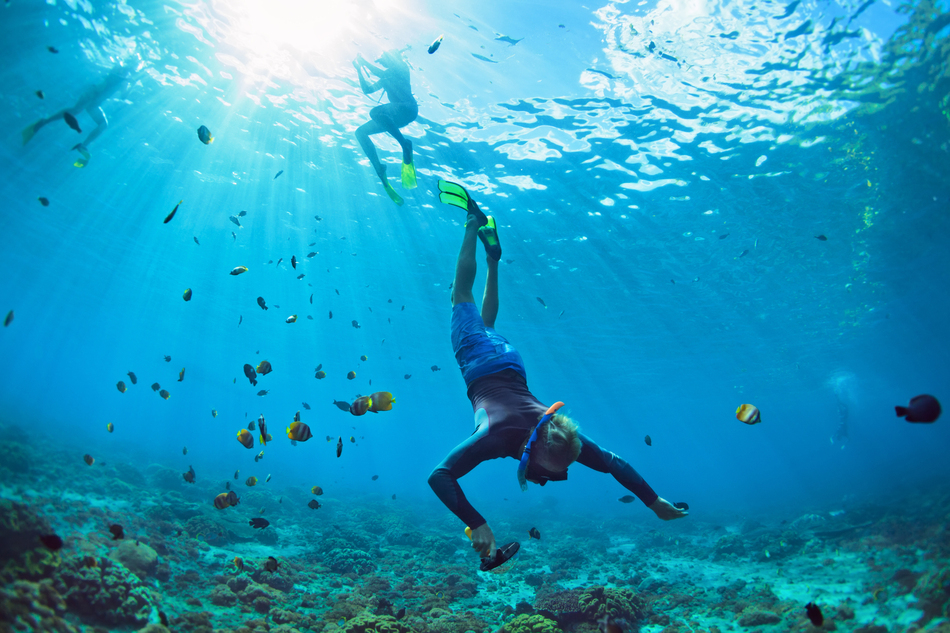
The Maldives is a perfect destination for divers. Water covers 99% of the Maldivian Republic, meaning land accounts for less than 1% of the country’s territory. The Maldives comprises 26 atolls and over 1,000 islands, each part of an atoll.
Due to these geological anomalies, there are many possibilities to explore the undersea environment. Diving here is suitable for everyone: whether you are a pro or a novice, you can safely make an exciting dive into snow-white beaches and clear seas. The dozens of species of marine life, coral gardens, breathtaking underwater canyons, and sunken ships combine to make the Maldives one of the top diving destinations in the world.
However, the Maldives government prohibits touching anything underwater. Tourists in the Maldives should not break corals or collect remnants or fish (even with bare hands). Thirty-one areas within the Maldives are protected, and the diversified ecosystems throughout the waters that surround the islands make them a prime location for unforgettable scuba diving trips. The Maldives has a lot to offer to every diver. Even if you haven’t practiced diving before, it’s an excellent opportunity to try it.
Stand Up Paddle Boarding
Stand-up paddling, often known as stand-up paddle boarding or simply ‘SUP,’ is a contemporary water-based recreation that has grown in popularity in recent years. The Maldives has some of the best waves and spots in the world, such as Lohifushi, Aka Cokes, Chickens, Ninjas, Thanburudhoo Island, and many more. This country has endless surf breaks and offers big chances of barrels and long fun waves. Over recent years, the Maldives has become more popular among professional surfers and has established itself as a global surfing destination by playing home to several international surfing contests.
Surfers have a different set of choices. North and South Male Atolls contain some of the best-known breaks, and local islands such as Thulusdhoo and Himmafushi are commonly used as surf bases. If surfing is the main reason for the trip, choose the island around the break and season rather than booking a resort first and trying to arrange everything later.
Go Island-Hopping and Spend Time on a Local Island
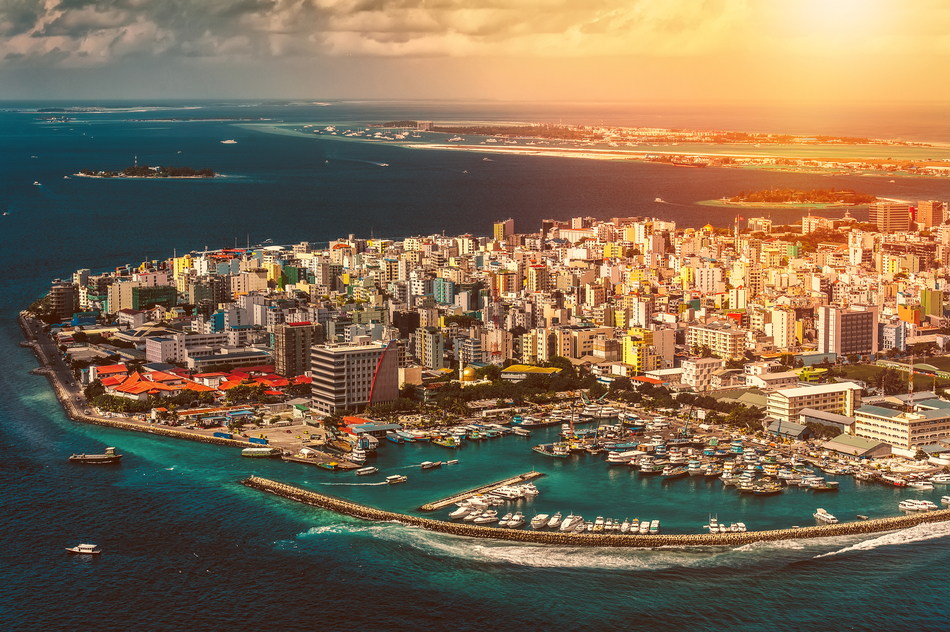
Staying on more than one island gives you a very different view of the country. Resorts follow the one-island-one-resort model, while guesthouses on inhabited islands put you closer to local cafes, mosques, shops, ferries, and everyday island life. Visit Maldives has a useful guide to navigating local islands and planning inter-island travel.
Popular guesthouse islands include Maafushi, Thulusdhoo, Gulhi, and Thoddoo, but the best choice depends on whether you want surfing, beaches, diving, farming landscapes, or easy transfers from Male. Public ferries can be inexpensive, while speedboats and domestic flights are faster and serve more routes.
Travel Tip: Local islands have different beach rules. The Maldives is a Muslim country. On inhabited islands, dress modestly in public and use designated bikini beaches for swimwear. Resorts have different rules, so do not assume the dress code is the same everywhere.
Spend Time on the White-Sand Beaches
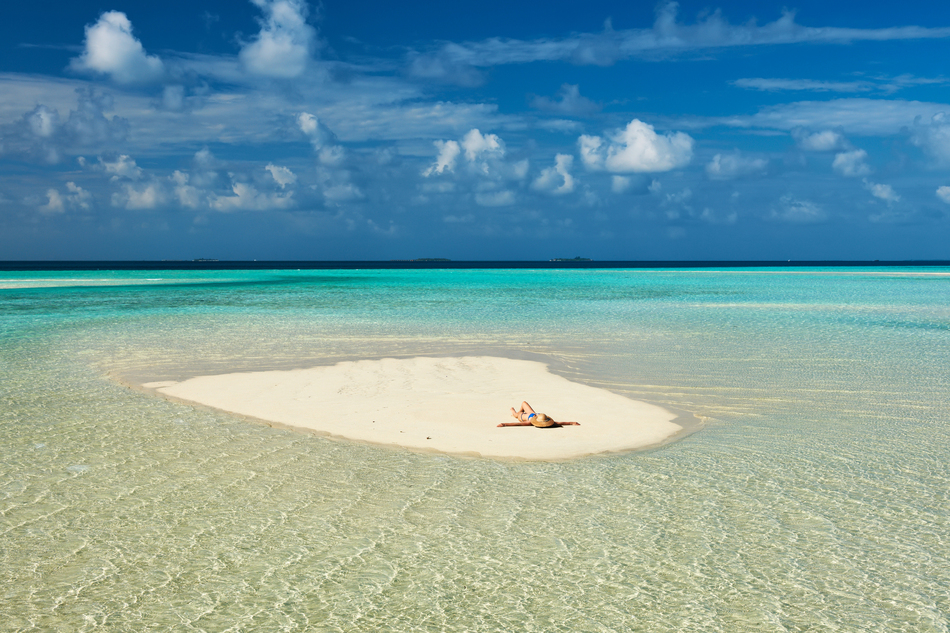
White coral sand and shallow lagoons are the image most travelers associate with the Maldives, but beach conditions vary by island. Seasonal currents can reshape sandbanks, and some islands have stronger reef access while others are better for long beach walks or swimming.
If you are hoping to see the famous “Sea of Stars,” keep expectations realistic. Visit Maldives explains that bioluminescent plankton can appear around different islands and atolls, but visibility depends on factors such as tides, water temperature, salinity, and nutrient levels. It is not guaranteed on one specific beach or during one fixed month.
Book a Spa or Slow Down at the Resort
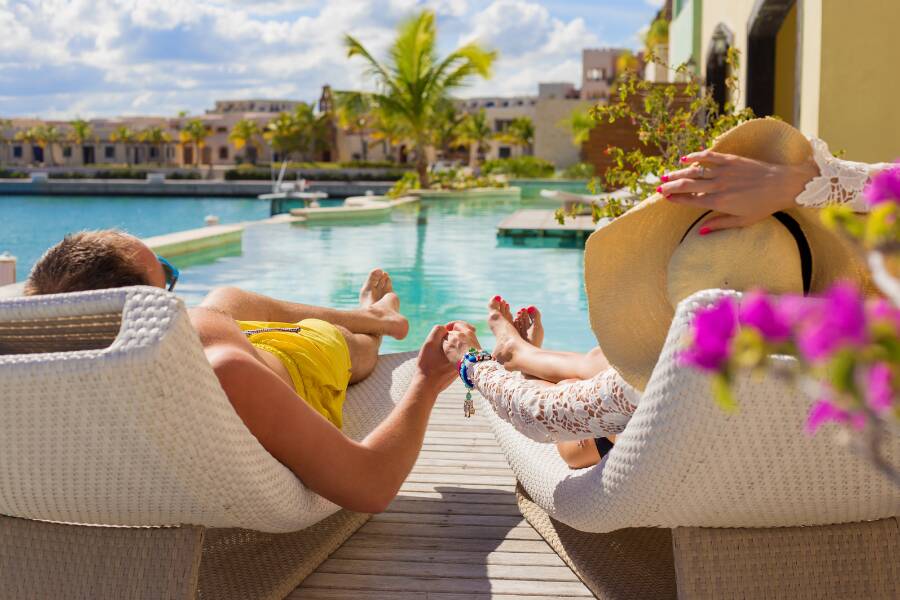
The Maldives are well known as a place to escape reality and enjoy a much-needed vacation. In the Maldives, visitors may choose from a wide range of spa treatments, including traditional Maldivian massages, all of which use carefully crafted local materials. A massage should be at the top of your to-do list if you need some relaxation time while in the Maldives.
But spas and massages aren’t the only ways to relax. Staying at one of the various resorts on the various islands is a perfect way to forget about the world beyond the beautiful sky and clear water. All of the beaches include sun loungers and bars. There are also several uninhabited areas if you want a little more austere.
See the Atolls From the Air
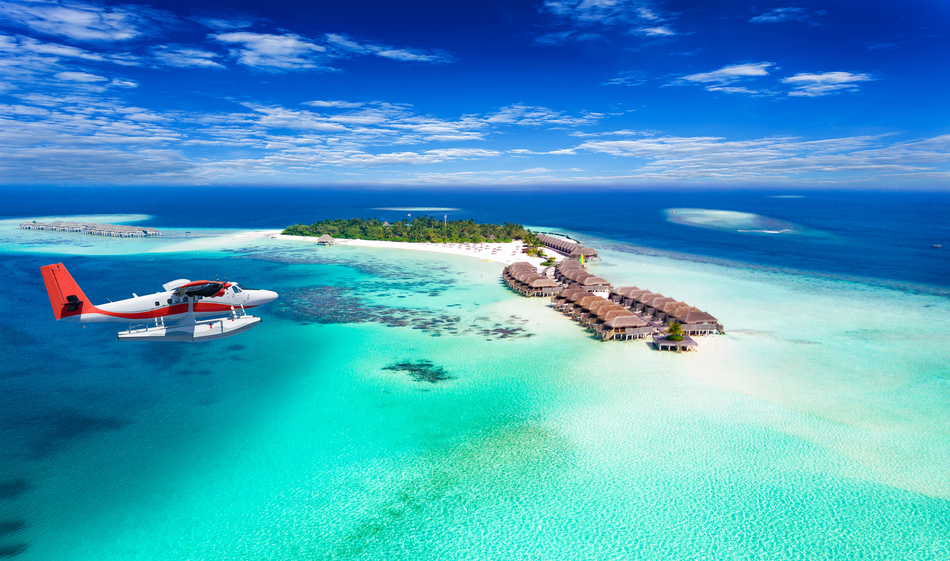
A seaplane transfer can double as one of the most memorable views of the trip. From above, the circular reefs, sandbanks, and deep-blue channels make the geography of the Maldives much easier to understand. Visit Maldives lists registered transport providers including Trans Maldivian Airways, Maldivian, and Manta Air.
Do not rely on old fixed flight times, passenger limits, or operator lists when planning. Transfers are coordinated around resort location, flight schedules, weather, and the provider used by your accommodation. Confirm the transfer directly with your resort before booking a tight international connection.
Try Maldivian Food Beyond the Resort Buffet
Traditional Maldivian food relies heavily on tuna, coconut, rice, chili, and flatbreads, with influences from South Asia and the wider Indian Ocean. A local cafe or teashop is a good place to try hedhikaa, or “short eats,” such as gulha, fish cakes, and filled pastries.
If you stay on a local island, make time for at least one meal outside the guesthouse. Resorts offer much broader international dining, but local cafes are where the difference between resort life and everyday Maldivian food becomes most obvious.
Travel Tip: If you want to try a distinctly Maldivian breakfast, look for mas huni on the menu. This everyday dish combines shredded tuna with coconut, onion, and chili and is usually eaten with roshi, a thin flatbread. It is common in local cafés and guesthouses and gives you a much better sense of everyday Maldivian food than a resort breakfast buffet.
How to Travel More Responsibly in the Maldives
The Maldives has a particularly fragile marine environment, and the official Protected Areas portal shows how many reefs, channels, wetlands, and wildlife areas are now under different forms of protection.
Be Eco-Conscious
The government does not have to do everything to keep the Maldives beautiful. The Maldives and its people have increased their sustainability and eco-friendly activities. For example, through a waste-to-wealth method, Gan International Airport can become the Maldives’ first solar-powered green airport, and waste management would change from a linear “use and dispose of” system to a circular economy.
Even though some of the activities below may seem few, they all add up to help the tourists tour eco-friendly and give the Maldives a fighting chance of surviving in the coming decades.
Encourage Local Artisans
Eco-tourism in the Maldives involves more than simply protecting the maritime environment. Contributing to the expansion of the regional economy is equally important. Travelers should incorporate stays and excursions led by locals in their schedule to achieve this.
About a decade ago, the Maldives approved the construction of guesthouses on populated islands. The ideal opportunity to experience Maldivian culture and help its people is to stay with locals. If you’re staying at a resort, consider scheduling excursions that involve meeting local artists on adjacent inhabited islands. After that, you may immediately purchase genuine goods from them.
Respect Aquatic Life
A Maldives holiday is all about being in the water and viewing the colorful marine life. However, tourists cannot touch or feed marine creatures when snorkeling, diving, or taking boat trips. It is more crucial to see the corals up close, whether diving or snorkeling, without touching or stomping on them.
Do Some Resort Research
Amazingly, sustainable travel in the Maldives starts before you make your airline reservations. As a responsible traveler, you must research thoroughly and select the best resort for eco-friendly practices.
The Maldives is the lowest-lying country in the world, making it particularly vulnerable to the effects of climate change. Given the environmental impact of flying to these far-flung isles, choosing a hotel that prioritizes sustainability is important. Some of the most luxurious resorts are leading the pack regarding green initiatives.
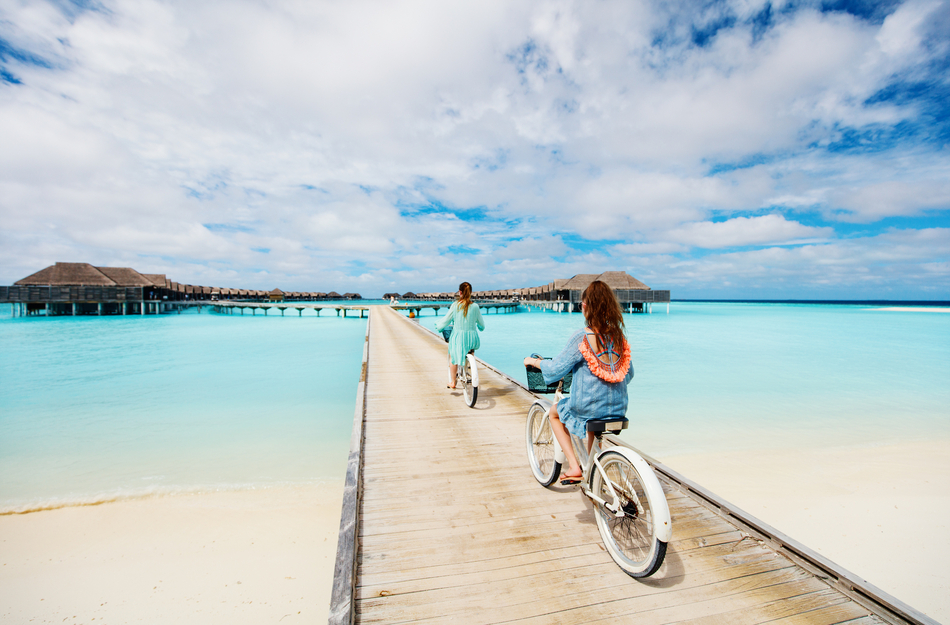
Make sure the hotel utilizes solar power before reserving a beachfront home or an over-the-water house and whether the hotel provides electric golf carts or bicycles for mobility on the island. Check to see whether rainwater collecting is in place and if the island’s eateries provide organically cultivated vegetables and herbs. Some resorts even employ biodegradable coffee cups to minimize the use of plastic.
Lastly, find out how closely the resorts are to the nearby inhabited islands. Ensuring travelers support island getaways to boost the island economy is an aspect of sustainable tourism in the Maldives. Many resorts hire Maldivians and assist in establishing schools on neighboring islands. Additionally, they persuade locals to participate in activities with visitors, creating an additional revenue source.
Reduce Single-Use Plastic
Society is gradually becoming more environmentally concerned. As a result, many eco-friendly items are on the market now that travelers have no reason not to use them. Sunscreen is one of the essential items to bring to the Maldives. When purchasing sun protection lotion, choose a brand that is reef-friendly. Regular sunscreen contains several chemicals that enter the water when we swim. An eco-friendly sunscreen has no ingredients that are hazardous to marine life.
In the Maldives, sustainable travel also means decreasing your use of plastic in any way. Reusable straws are an ingenious solution for reducing single-use plastic. Ask the resort whether they offer eco-friendly straws or bring your own. These straws are lightweight and simple to transport and clean.
Finally, tourists must preserve the islands’ pure ecology. Thus, this includes not leaving trash on beaches or in the ocean.
Before You Go: Tourist Visa and Entry Basics
Tourists do not need to obtain a visa before arrival. Maldives Immigration grants a tourist visa on arrival to eligible visitors who meet the entry requirements. Travelers must also complete the free online Traveler Declaration through IMUGA within 96 hours before arrival. Check the current rules on the official Maldives Immigration tourist visa page before departure.
You should also have a confirmed onward or return journey, accommodation details, and a passport that meets the current validity requirements. Entry rules can change, so use the official immigration source rather than relying on an old checklist.
Plan a Maldives Trip That Goes Beyond the Resort
The strongest Maldives itineraries usually mix two speeds: time in the water or exploring another island, followed by enough downtime to enjoy where you are staying. Choose the atoll and island around the experiences that matter most to you, then check the transfer logistics before locking in the rest of the trip.
If your plans include diving, multiple island transfers, or a long international journey, it is also worth checking that your travel insurance suits the activities and length of your trip.
Featured stories