Last Update: August 2026
Dubai is easiest to understand through contrast. Downtown is built around record-breaking architecture, while the Creek neighborhoods preserve the trading history that shaped the city long before its modern skyline. Add beaches, desert landscapes, major shopping districts, and ambitious family attractions, and there is enough here for much more than a short stopover.
Travelers visiting Dubai will find a vibrant mix of tradition and futurism, all set against the splendor of the desert. A collection of iconic skyscrapers, shopping malls, and massive beachfront resorts make up the perfect blend of innovation and culture.
This guide focuses on what is genuinely useful for a first trip, with current planning information from Visit Dubai, Dubai’s transport authority, Emirates, and the U.S. Department of State.
Index
Things to See and Do in Dubai
Burj Khalifa and Downtown Dubai
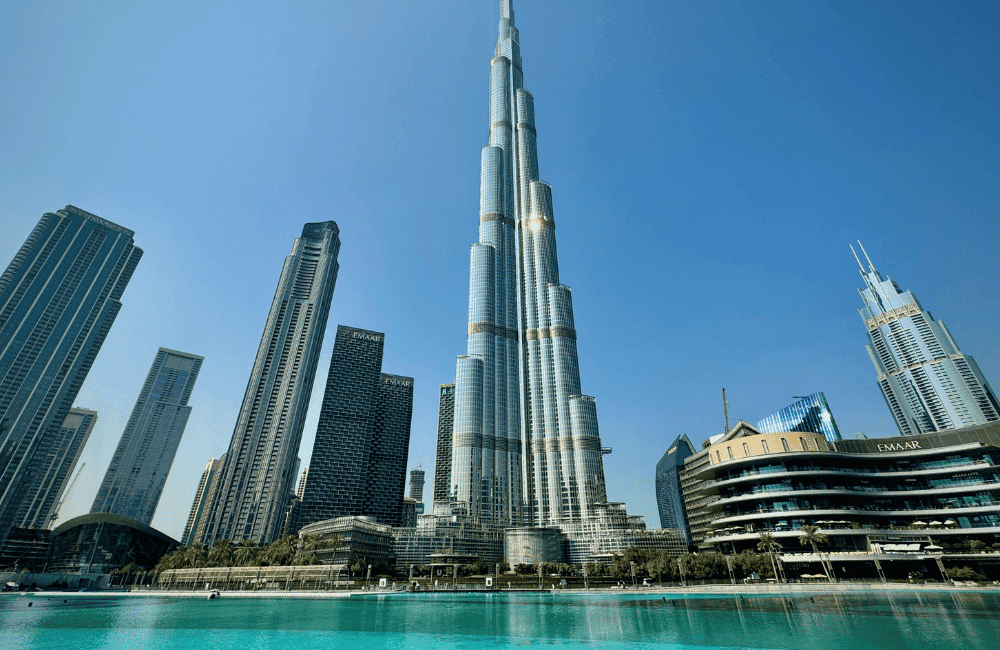
At 828 meters, the Burj Khalifa remains the world’s tallest building. The standard At the Top experience uses Levels 124 and 125, while At the Top SKY reaches Level 148 at 555 meters. Ticket prices change by date and time, so it is better to link to the official booking information than publish a fixed price.
Outside, the Dubai Fountain is one of Downtown’s best-known free attractions. Show times and operating details can change, so check the official listing on the day rather than building your evening around an old schedule.
Dubai Frame
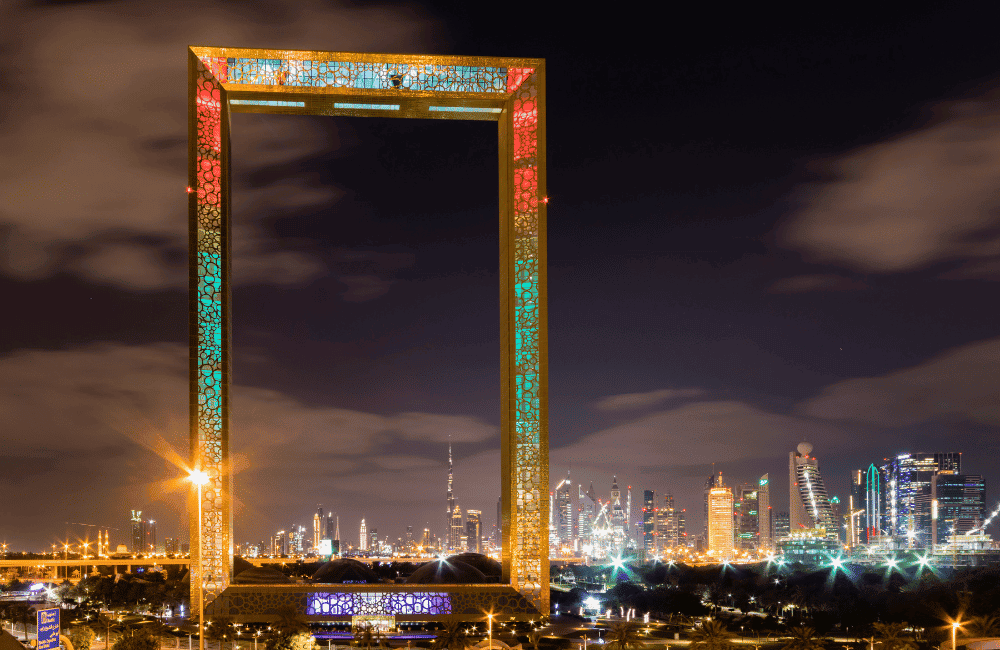
The Dubai Frame rises 150 meters above Zabeel Park. Its glass Sky Deck links two towers and creates a useful visual introduction to the city: older neighborhoods sit to one side, while the modern skyline stretches out on the other.
The exhibitions are more interesting when you visit early in the trip, before the geography of Dubai starts to feel familiar.
Old Dubai: Al Fahidi, Bur Dubai, Deira, and the Creek
For a very different side of the city, start in the Al Fahidi Historical Neighbourhood. Its lanes, courtyard buildings, wind towers, galleries, and cultural spaces make a better introduction to Dubai’s history than the original draft’s repeated “Arabian tale” language.
From there, walk toward Dubai Creek and cross by abra to Deira. The Gold Souk and Spice Souk are touristy, but they still connect naturally to the commercial history of the Creek. A short abra ride is inexpensive and more memorable than a formal cruise if you only want to cross between the two sides.
Al Fahidi Fort remains an important historic landmark, but attraction access and museum operations can change. Check the current Visit Dubai listing before promising a specific museum experience.
Dubai Museum
If you’re in Al Fahidi, don’t miss a visit to the Dubai Museum. It serves as a perfect kaleidoscope of various relics and antiques from Africa and the East, collected along trade routes that once made this part of the Persian Gulf a strategic port. Today, the museum focuses on a wide range of research related to Dubai’s archaeology and history.
Dubai Miracle Garden
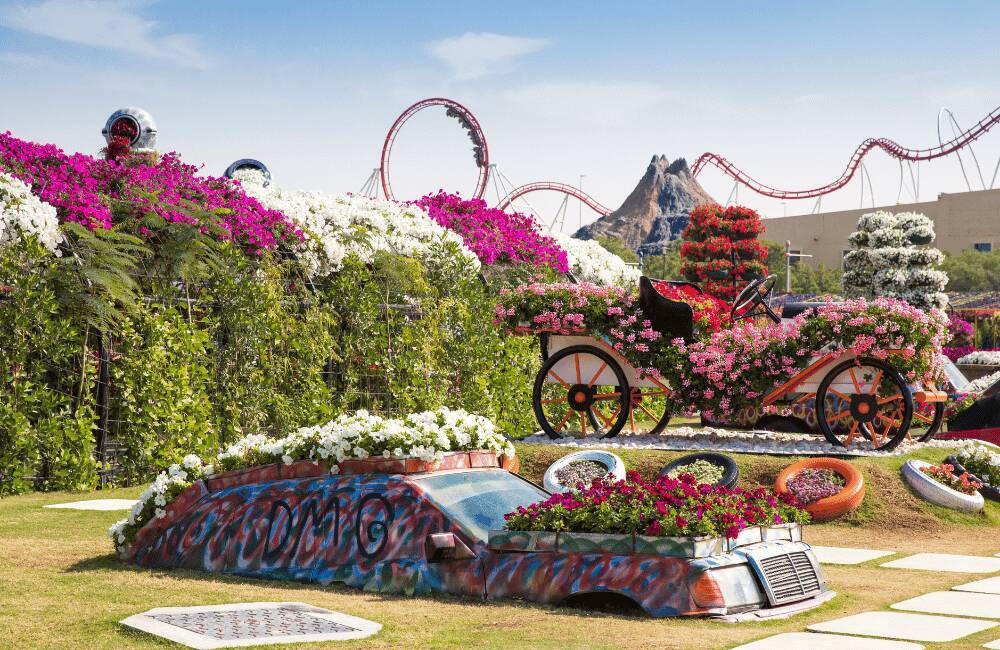
Also known as the “Garden of the United Arab Emirates,” this marvel blends design and nature, featuring more than 100 million flowers across a space of 72,000 square meters. The largest natural flower garden in the world is famous for its unforgettable floral displays and constantly refreshed installations that offer new experiences each season. It’s a wonderland-worthy setting where castles intertwine with peacocks and storybook-style cottages. The garden is located next to the Dubai Butterfly Garden, home to over 15,000 butterflies.
Burj Al Arab
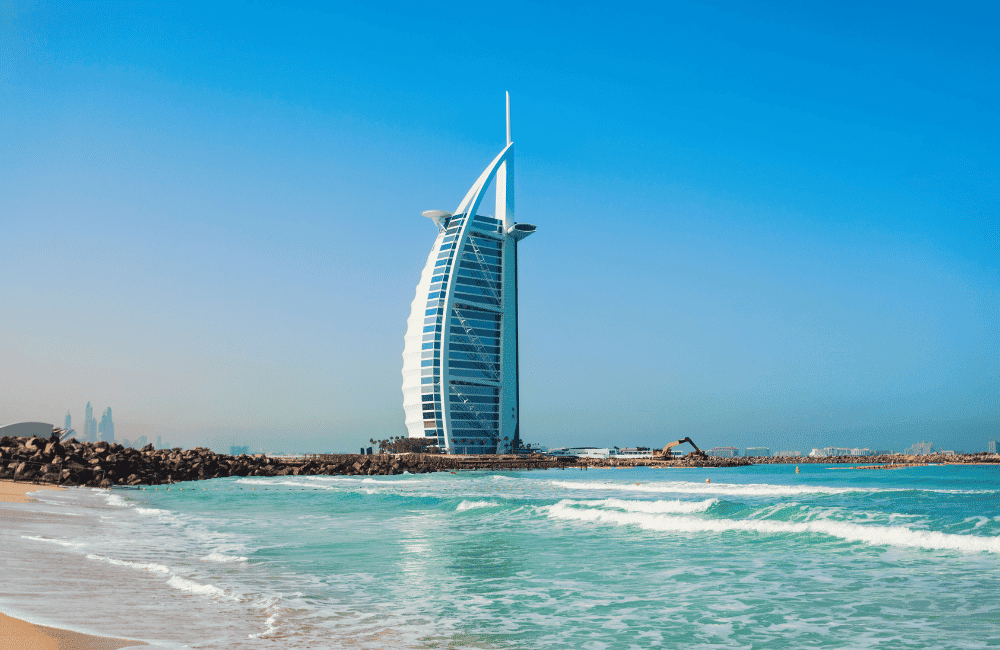
The sail-shaped Burj Al Arab stands on its own artificial island off Jumeirah Beach – not on Palm Jumeirah. “Seven-star” is a popular nickname rather than an official hotel category. Non-guests can see parts of the property through the Inside Burj Al Arab experience or a confirmed dining reservation.
Nearby, Sunset Beach works well for Burj Al Arab views, while Kite Beach is better for a more active afternoon with running paths, watersports, and casual food.
Palm Jumeirah
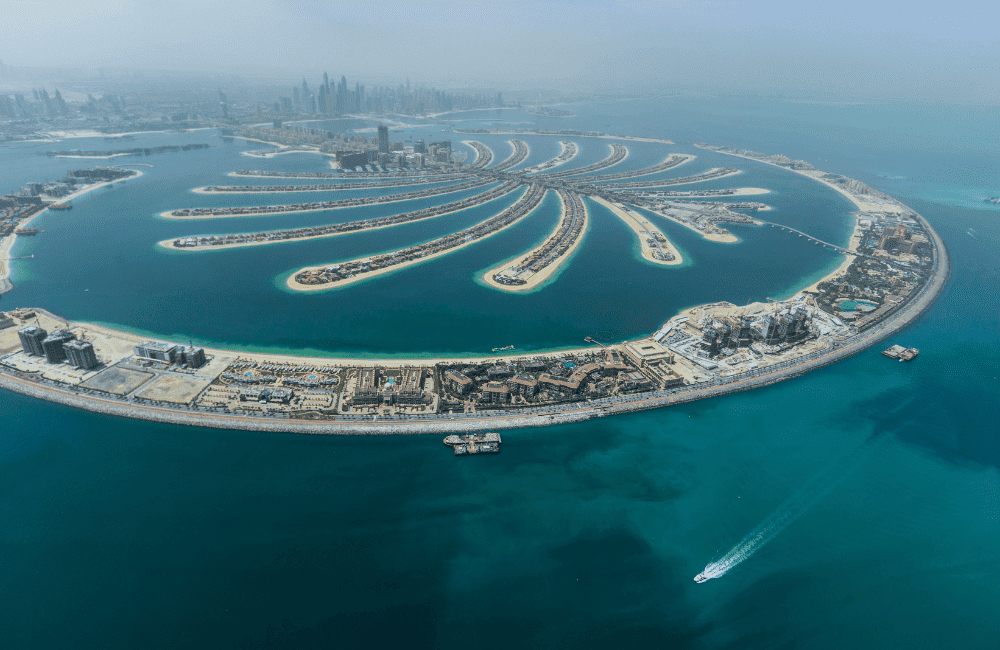
Palm Jumeirah is best appreciated from above. The View at The Palm offers a 360-degree perspective, while the island itself is packed with hotels, restaurants, beach clubs, and attractions. Use the official Palm Jumeirah guide to decide whether you actually want a full day here or only a viewpoint and dinner.
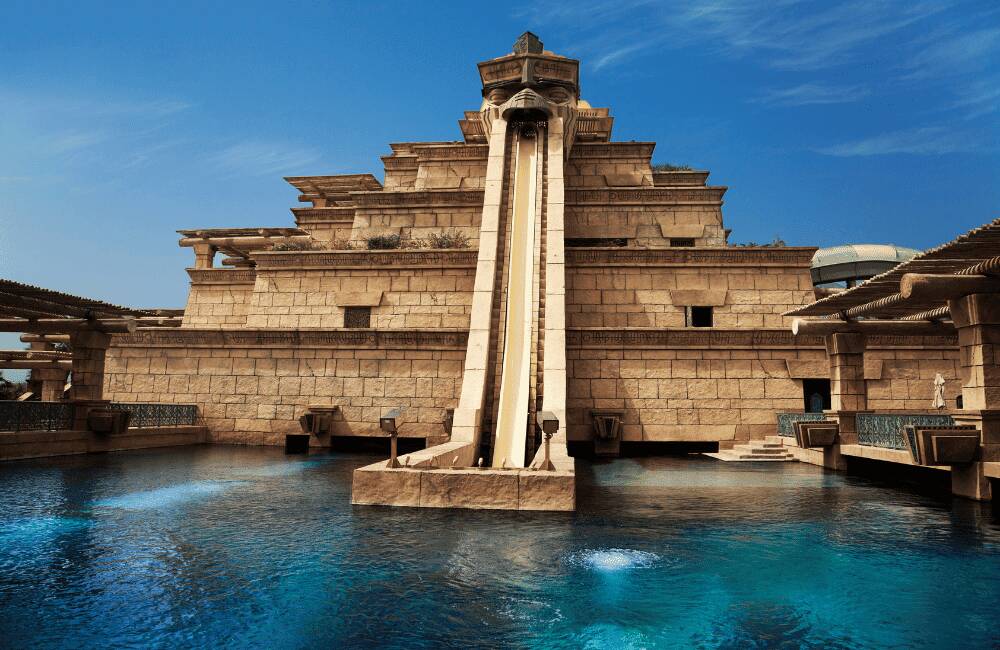
Families and waterpark fans can easily spend a full day at Aquaventure World, which has more than 100 slides and attractions. It is much larger than the original article suggests, so treat it as a destination rather than a quick add-on.
Atlantis Water Park
Built right next to its namesake resort and accessible via the innovative Palm Monorail transport system, Atlantis Water Park deserves special mention. It is one of the largest water parks in the world, boasting over 105 slides, rides, and attractions. You can meet dolphins and sea lions at Atlas Village and live out the aquatic fantasies you dreamed of as a child.
Madinat Jumeirah
If Dubai’s traditional neighborhoods leave you wanting more, Madinat Jumeirah in the Jumeirah area is a full-scale replica of an ancient Arabian citadel, complete with five-star hotels, dreamy souks, and beach clubs for the hedonists. Upscale restaurants like Pai Thai, a five-kilometer waterway that allows boat rides between old-style Dubai houses, and wellness havens like the Talise Spa, all contribute to a multiverse that embodies Dubai’s many contradictions.
Dubai Marina
Right next to Palm Jumeirah lies Dubai Marina, one of the city’s top hot spots. In fact, Time Out magazine ranked it among the coolest neighborhoods in the world. This vibrant area offers everything you want in Dubai. You will find awe-inspiring skyscrapers, sunny beach days, and endless activities.
For an adrenaline rush, ride the world’s longest urban zipline at XLine Dubai Marina. Alternatively, you can try Dinner in the Sky for a meal 160 feet in the air. Other major highlights include Dubai Harbour and its impressive cruise fleet. You can also stroll along Marina Walk, a scenic four-mile promenade packed with local life.
Jumeirah Mosque
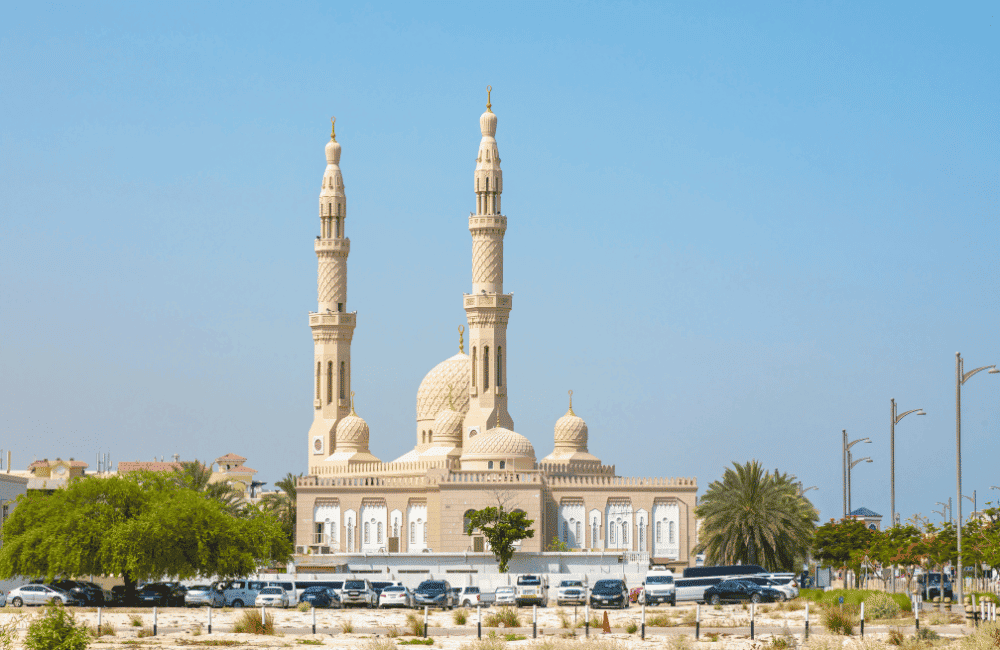
Located on its namesake avenue, Jumeirah Mosque is a must-see landmark. In fact, it is the only mosque in Dubai open to non-Muslim visitors. Built from white stone in the Fatimid tradition, the building features twin minarets flanking a central dome.
The mosque operates under an “Open Doors, Open Minds” policy. Guided 75-minute tours run daily at 10:00 AM, except on Fridays. During the tour, friendly guides share details about Islamic holidays, traditions, and historic architecture. Afterward, consider visiting the Bastakiya Mosque nearby. You cannot step inside, but the exterior view is still impressive.
Kite Beach
Dubai features incredible beaches for every type of traveler. You can soak in the sunset, grab a drink, or just relax on the sand. First on the list is Sunset Beach, also known as Umm Suqeim Beach. True to its name, this spot is ideal for catching evening views. Plus, it offers the ultimate backdrop for photos with the iconic Burj Al Arab.
Another top pick is Kite Beach, Dubai’s only natural beach. Here, you will find clear blue waters and colorful kites dancing in the wind. It is a fantastic spot for outdoor activities, food trucks, and coastal walks.
Dubai Mall
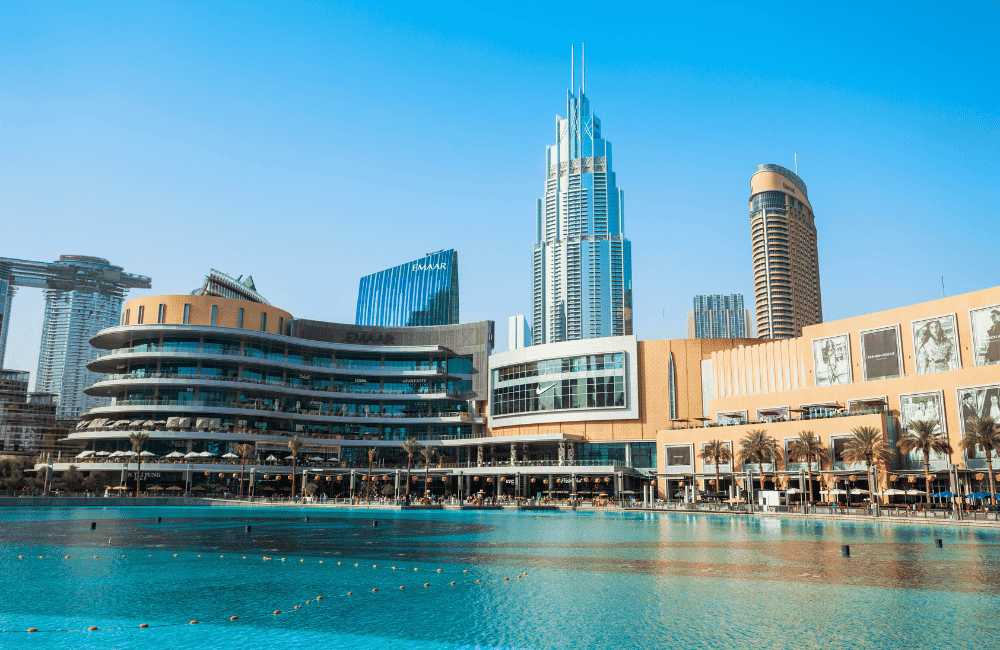
The Dubai Mall is the largest shopping mall in the world, covering over 12 million square feet. Inside, you will find more than 1,200 stores, from luxury brands like Dior to tech giants like Apple. However, it offers much more than just retail therapy.
The mall also houses the famous Dubai Aquarium. This massive spot features a 270-degree viewing tunnel and thousands of aquatic animals, including hundreds of sharks. Additionally, families can enjoy Sony Park, an entertainment zone with 27 rides inspired by hit movies like Ghostbusters.
Other Shopping Malls in Dubai
If you’re looking for some of the biggest malls in the world, Dubai is the place. The city is a shopping paradise thanks to its enormous shopping centers that offer just about anything you can imagine. Beyond shopping, they provide a variety of experiences – from indoor ski slopes to themed areas that replicate countries around the world.
Some of the main malls in Dubai include:
- Mall of the Emirates, filled with luxury stores.
- Ibn Battuta Mall, where the decor transports you to places like India or Egypt.
- Souk Madinat Jumeirah, one of the top spots for finding traditional designs, perfect to end your shopping trip with a view of the Burj Al Arab.
Cruise on Dubai Creek
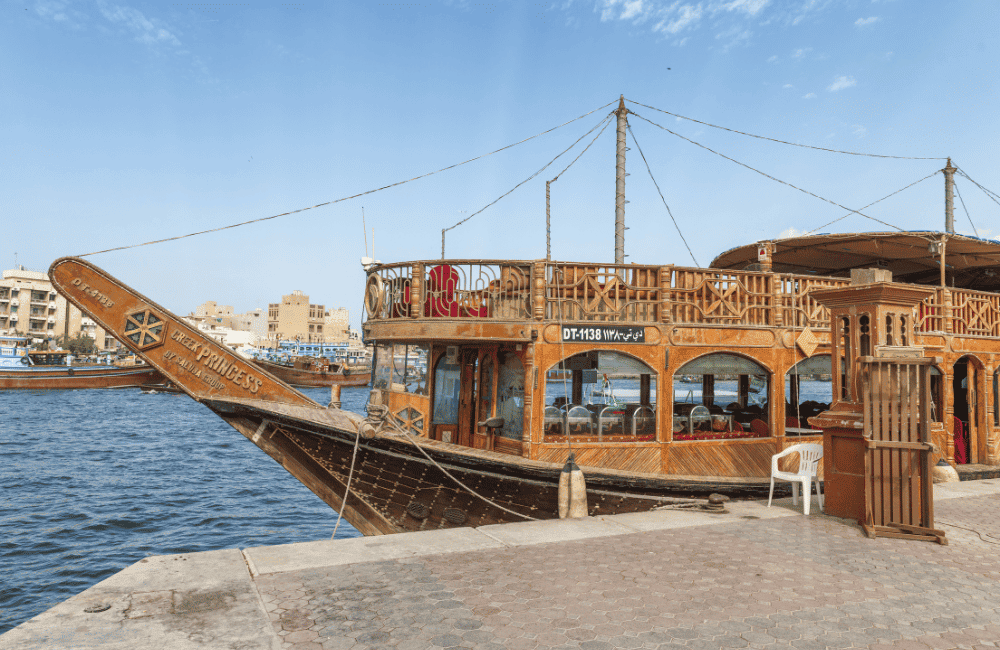
The famous 10-kilometer-long creek that flows through the city is a great place to enjoy a cruise on a traditional Arabic dhow sailing boat. Whether as a day excursion or a dinner cruise, it’s the perfect way to experience the city’s old-world charm and its stark contrast with Dubai’s modern and futuristic vibe.
Dubai Desert
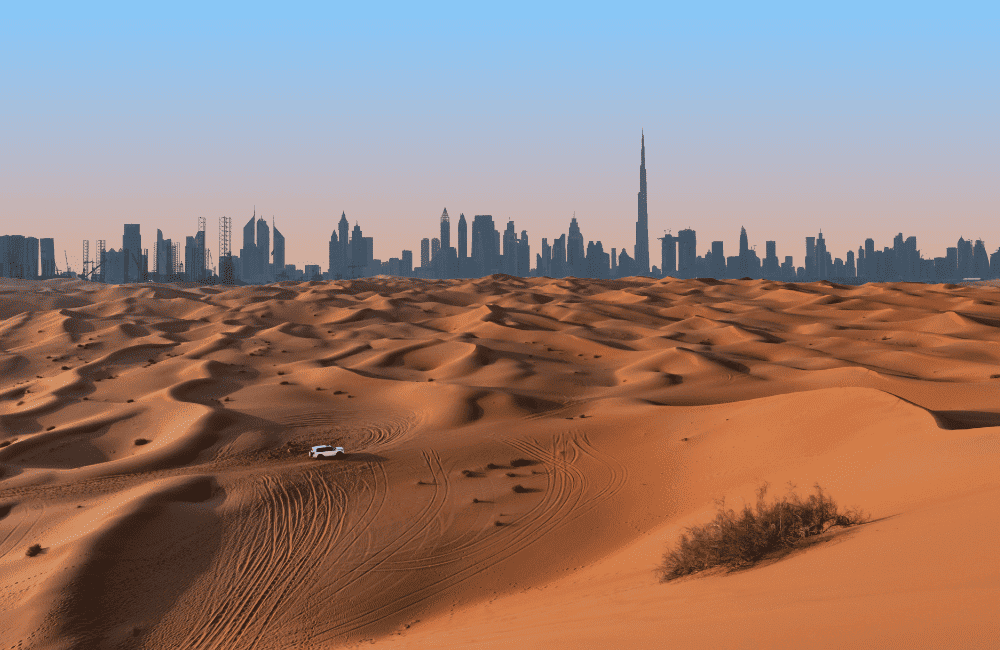
The Arabian Desert is one of Dubai’s most defining landscapes. In fact, sweeping golden dunes and soaring mountains create a magical setting for any day trip. Local operators offer plenty of exciting desert experiences.
For instance, you can meet Bedouins, enjoy traditional meals, ride camels, or try sandboarding. Nighttime safaris are also very popular. Alternatively, you can rent a 4×4 vehicle or book a stay at a luxury desert resort for a truly relaxing escape.
Visiting Abu Dhabi
If you’re spending several days in Dubai, setting aside a day to visit Abu Dhabi is a great idea. Located 140 km from Dubai, you can either take a flight or catch the E100 bus from Al Ghubaiba Station to reach the capital city. There, you’ll find some of the United Arab Emirates’ most impressive landmarks: the Sheikh Zayed Mosque, one of the largest and most stunning in the world; the opulent Emirates Palace hotel, considered the most expensive hotel on the planet; and Heritage Village, an open-air museum that walks you through the history of the Emirates.
What Is the Most Beautiful Thing About Dubai?
For many visitors, the most beautiful aspects of Dubai include the Burj Khalifa for its stunning architectural design, the old Deira district with its traditional charm, the desert, and the spectacular Dubai Fountain show.
Burj Khalifa
Dubai’s main appeal lies in its mix of tradition and modernity. Naturally, this contrast is best seen from above. Because of this, many consider the Burj Khalifa the ultimate spot in the city. The attraction is not just the building itself, but the breathtaking vantage point it offers. From the observation decks on the 124th and 148th floors, you get an incredible view of the entire skyline.
Deira and Al-Fahidi
If you want historic charm straight out of One Thousand and One Nights, head to Deira and Al-Fahidi. In fact, these historic districts are among the most beautiful places to visit in Dubai. Winding alleyways offer endless views of Dubai Creek. As you explore, you will discover traditional Arabic architecture alongside colorful souks. Furthermore, local restaurants, boutique shops, and art galleries blend seamlessly into the neighborhood.
Dubai Desert
After experiencing the city’s most beautiful modern and traditional sights, it’s time to embrace the country’s most stunning natural setting: the Dubai Desert. Whether you’re riding a camel or a 4×4 through the dunes and palm trees toward the ochre horizon, it offers one of the most picturesque scenes in all of Dubai.
Dubai Fountain
Dubai is a city that knows how to use various elements to create one-of-a-kind experiences. One of the most beautiful examples is the Dubai Fountain. This spectacular light and water show provides a shortcut to enchanting worlds and multiverses. Since the show happens daily and often, there’s no excuse not to experience this unforgettable moment.
What Should You Not Miss in Dubai?
Among the must-see places in Dubai are the Burj Khalifa, the old district of Al-Fahidi, the desert, the massive Dubai Mall shopping center, and the Dubai Creek area.
Burj Khalifa
At 828 meters tall, the Burj Khalifa is Dubai’s most iconic symbol and an absolute must-see. If you’re only in the city for a short stopover, this skyscraper is essential, especially its two observation decks on the 124th and 148th floors, or the world’s highest restaurant-bar, At.mosphere, located on the 122nd floor.
Al-Fahidi
Dubai’s old quarter offers a unique contrast to the city’s modern skyline, inviting you on a journey through medieval alleyways, iconic forts, and scenes straight out of an Arabian tale. It’s a micro-universe where you can better understand Dubai’s development, enjoy delicious cuisine, and take a break from shopping in the futuristic malls that symbolize the city’s embrace of modernity.
Dubai Desert
The Dubai Desert is another can’t-miss attraction, offering breathtaking natural beauty. A desert excursion unveils both a spectacular landscape and a deeper look into the area’s ecosystem and early beginnings. Whether you opt for a short tour or a glamping stay among the dunes, the desert offers countless ways to uncover its secrets.
Dubai Mall
Located next to the Burj Khalifa, Dubai Mall proves that malls in Dubai are far more than places to shop. In fact, hundreds of unique worlds are housed within its extravagant walls. As the largest shopping center in the world, it illustrates how anything is possible in Dubai – from the most exclusive boutiques to amusement parks and one of the most impressive aquariums on the planet.
A Stroll Along Dubai Creek
Dubai’s “creek” is a signature location for understanding the city’s commercial history, observing contrasts, and enjoying scenic skyline views. Book a ride on a dhow, the traditional Arabic sailing boat, and save time while journeying through a one-of-a-kind route that connects you to other must-sees like the old Al-Fahidi district and the vibrant souks of Deira.
How Many Days Do You Need to See Dubai?
Dubai caters to many different types of travel itineraries. Generally, a two- or three-day trip is enough to experience the highlights. You can visit iconic landmarks, enjoy the beaches, and dine at great restaurants.
However, you can easily extend your stay to five days for a fuller experience. This extra time allows you to visit water parks, take longer desert safaris, or discover hidden gems. Plus, a longer trip leaves room for day trips to nearby cities like Abu Dhabi.
Alternatively, you can explore Dubai in just one day during a long layover. Time will be limited, but you can still check off key spots like the Burj Khalifa, the Burj Al Arab, and a top shopping mall.
What Should You Know Before Traveling to Dubai?
Travel Requirements for Dubai
The travel requirements for Dubai depend on your nationality. However, for Spanish tourists, all you need is a valid passport with at least six months remaining. A visa is not required for stays under 90 days. Lastly, it’s strongly recommended that you purchase top-tier international travel insurance to explore new destinations with complete peace of mind.
Is Dubai a Safe Emirate?
Dubai is one of the six safest emirates in the United Arab Emirates. Penalties for committing crimes in Dubai are very severe, which helps maintain high levels of public safety. Still, as with any travel destination, it’s important to exercise common sense.
Visiting Dubai Doesn’t Have to Be Expensive
Many people associate Dubai with luxury hotels, mass tourism, and expensive parties. Because of this, they assume it is an overpriced destination. It is true that Dubai offers endless high-end experiences, and budgets can soar quickly. However, you can easily visit Dubai on a reasonable budget with smart planning.
If you are traveling on a budget, choose affordable hotels instead of mega-resorts. You can also dine at mid-range restaurants or grab local street food. On top of that, take advantage of transport pass discounts and explore free attractions. For instance, walking through the city’s historic neighborhoods costs absolutely nothing.
The Best Time to Visit Dubai
Summer (May to September) brings the highest temperatures, which can reach up to 50°C (122°F), and it’s also the least crowded time for tourists. On the other hand, winter sees milder temperatures and more visitors, which also means higher prices.
The ideal time to visit is between October and April, when the weather is more pleasant. That said, Dubai doesn’t really have a “low season,” so any time of year can be a good time to go.
Where to Stay in Dubai
Beyond choosing a hotel that suits your budget, it’s important to consider the area where you’ll be staying.
If it’s your first time visiting, Downtown Dubai is your best bet, since it’s home to key attractions like Dubai Mall, the Burj Khalifa, and the Dubai Fountain. Of course, areas like Palm Jumeirah tend to be more expensive, but you might be surprised by the range of options available in this futuristic capital.
How to Dress in Dubai
Depending on the season, especially in summer, it’s recommended to wear natural fabrics like cotton or linen, along with loose-fitting clothing.
Keep in mind that while Dubai is more liberal than some neighboring emirates, dress codes still apply. For example, when visiting mosques, avoid wearing shorts, low-cut tops, sheer clothing, or anything too flashy – these are not appropriate in such settings.
In non-religious areas, it’s acceptable to wear knee-length dresses, sleeveless tops, and even leggings. As for swimwear, opt for modest pieces.
For men, it’s recommended to avoid wearing sneakers in more formal settings, as Dubai places a high value on elegance, and this type of footwear may not be accepted in certain restaurants or hotels.
Familiarize Yourself With Dubai Airport
Though it may seem like a minor detail, it’s worth researching Dubai Airport in advance, it’s one of the largest airports in the world. Avoid scheduling activities immediately after arrival, and choose your preferred mode of transportation, whether it’s taxis, the metro, or buses.
Taxis are convenient and affordable, and you’ll find plenty in the arrivals area. You can also book rides through apps like Careem or Uber.
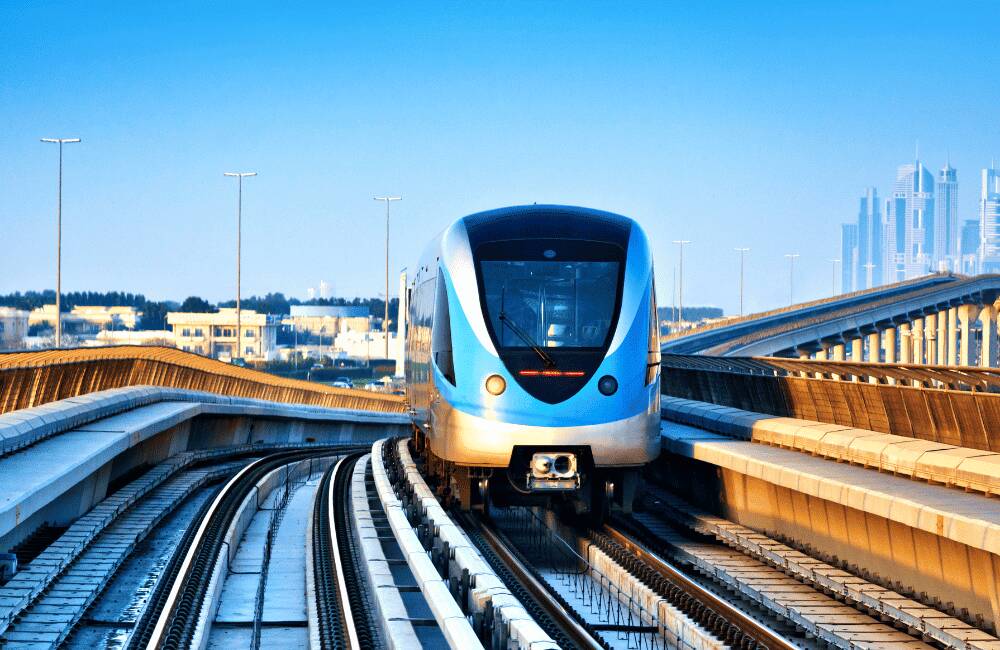
The metro’s Red Line connects to Downtown in just 25 minutes from Terminals 1 and 3, making it the most budget-friendly option.
If you’re considering taking the bus, keep it as a last resort – it makes frequent stops and there’s currently no hop-on-hop-off tourist bus service. However, public buses can be used if you purchase a Nol Card in advance.
Lastly, if you want to save time navigating the terminals with luggage in tow, booking a private transfer in advance is one of the best options.
Dubai and Alcohol
Though Dubai is more open than some of its neighbors, Islamic law still applies, and you’ll need to be aware of certain rules, especially regarding alcohol.
The legal drinking age is 21, and while you can order drinks in hotels and restaurants, it is illegal to drink or be intoxicated in public.
Under UAE law, this is considered a punishable offense, so it’s best to drink responsibly and save the partying for appropriate venues.
Be Aware of Dubai’s Holidays
During Islamic holidays like Eid or Ramadan, many of the city’s experiences may be limited. These celebrations can also affect public transportation, so it’s advisable to check the dates in advance.
During Ramadan, for example, food and drink may not be available before sunset in certain places.
Buy the Go Dubai Card
If you want to save money on various attractions in Dubai, here’s a tip: purchase the Go Dubai Card.
This pass offers up to 50% off admission at more than 49 attractions in Dubai and Abu Dhabi. You can choose from 3, 4, 5, or 7-day options, and it includes access to must-see spots like the 148th floor of the Burj Khalifa.
If You Have a Layover in Dubai
You might limit your trip to a stopover in Dubai, which is common for travelers going from Europe to Asia – especially since many airlines, like Emirates, include a free stop in the city!
In this case, to save time and energy, consider enrolling in the Dubai Connect program. This service is available to all passengers with layovers between 10 and 24 hours and includes hotel accommodation, transfers, meals, and discounts on tours.
Make sure to read the terms and conditions carefully, as you must meet specific requirements—such as a minimum fare spend on your Emirates flights.
Once qualified, you need to book Dubai Connect at least 24 hours before your flight. When you arrive at the airport, simply go to the Arrivals area and look for the Dubai Connect desk, where staff will assist you and answer any questions.
There are also tour packages specifically designed for travelers spending just a few hours in the city. You can even take a guided tour in Spanish to help you make the most of your limited time.
How Much Does a Trip to Dubai Cost?
If you’re wondering how much money you’ll need in Dubai, it really depends on how many days you plan to stay.
Although prices may drop slightly in the low season, Dubai’s offerings generally don’t fit into the “backpacker” or “budget trip” categories.
Restaurant Prices in Dubai
In terms of dining, you can expect to spend between AED 36–60 (about €9–15) for fast food, AED 50–150 (around €12–35) at mid-range restaurants, or up to AED 2,000 (€400) for gourmet dinners.
A reasonable daily food budget would be around €40–50.
Hotel Prices in Dubai
Dubai has begun opening up to more affordable accommodations like hostels (some starting at AED 120, or about €15), while mid-range hotels range from AED 120–160 (€30–40).
For example, a night in a 3-star hotel for two people typically ranges from AED 200–800 (€50–200), whereas luxury hotels start around AED 1,200 and can go up to AED 3,200 (€300–800 per night).
If you’re looking for even more opulence, a night at the 7-star Burj Al Arab can cost up to AED 4,000 (around €1,000) during low season.
Transportation Prices in Dubai
Transportation fares in Dubai range from AED 7 (€1.73) for a bus or metro ticket to AED 12 (€3) for short taxi rides, and up to AED 60 (€15) for longer trips—such as from the airport to the city center.
Travel cards like the Nol Card are ideal for budget-conscious travelers, with an initial top-up option starting at AED 19 (€4.71).
Tourist Attraction Prices
You should also factor in the cost of major attractions such as:
- Burj Khalifa: AED 224 (€55) during prime hours, AED 149 (€36) during off-peak times
- Dubai Miracle Garden: AED 95 (approx. €24)
- Aquaventure Waterpark: AED 315 (approx. €78)
Remember, with the Go Dubai Card, you can reduce entrance fees by up to 50% at over 49 attractions across Dubai and Abu Dhabi.
In this way, excluding flights, the daily cost per person in Dubai typically ranges from AED 350–400 (€85–100), including meals, lodging, transportation, and attractions.
What Currency Should You Use in Dubai?
The local currency is the UAE dirham (AED). Cards are widely accepted in hotels, malls, restaurants, and most attractions, but carrying a small amount of dirhams is useful for minor purchases and some traditional-market transactions. Paying directly in AED usually makes it easier to see the real exchange rate charged by your card issuer.
Plan Your Dubai Trip
Dubai works best when you leave room for its different sides: the skyline and big-ticket attractions, the historic neighborhoods around the Creek, and a day beyond the city in the desert. Choose the experiences that fit your travel style rather than trying to see everything at once. Before you go, it is also worth checking that your travel insurance for the UAE matches your plans, particularly if your itinerary includes desert activities or other active experiences.
Featured stories