Last Update: August 2026
Argentina is too large and varied to treat as a single road trip. Buenos Aires, Iguazú Falls, the high-altitude northwest, wine country, the Patagonian lakes, the Atlantic wildlife coast, and the far south each require different weather, transportation, and timing decisions.
A strong first itinerary usually combines two or three regions rather than trying to cross the country from north to south. Use the official Argentina travel portal to check destination guides, seasonal conditions, and transportation information while planning.
Travel Tip: Argentina updated national park entry categories and prices effective June 1, 2026. Several parks also offer a 50% discount on a second visit within 72 hours, subject to the official rules. Bring a valid passport and check the current National Parks fee information before purchasing tickets.
Index
What Should You Visit in Argentina?
For most first-time travelers, the best choices are a mix of one major city and one or two nature-focused regions. The destinations below cover the country’s most rewarding contrasts without pretending they can all fit into one short vacation.
Buenos Aires
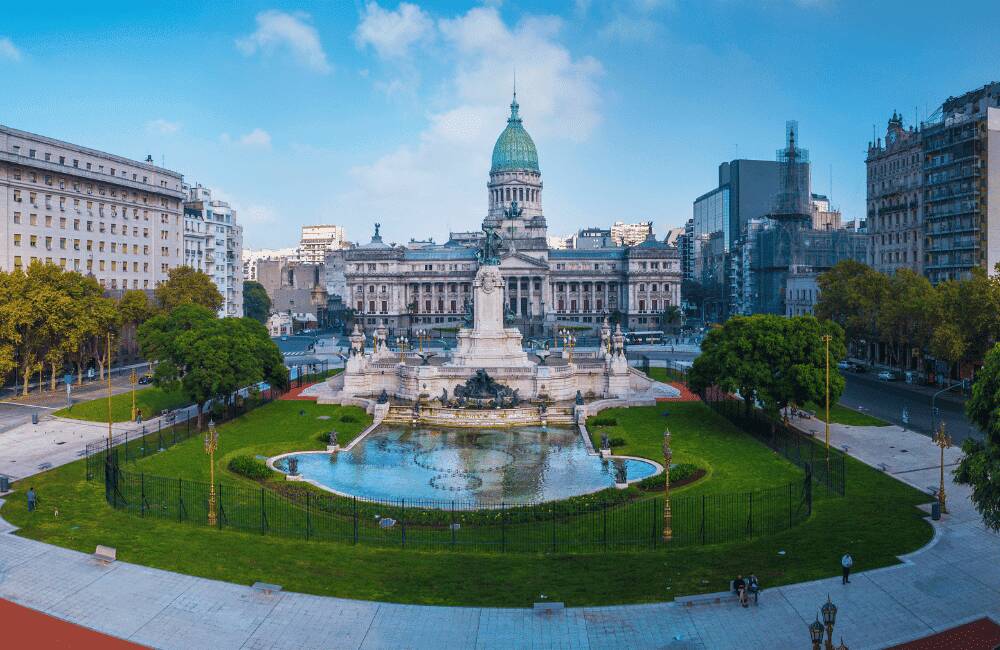
Buenos Aires is the country’s main international gateway and deserves at least three full days. The official Buenos Aires destination guide highlights the city’s museums, tango, historic cafés, parks, and food culture.
- Historic neighborhoods: Walk through San Telmo and Plaza de Mayo, then visit La Boca during the day rather than treating Caminito as the entire neighborhood.
- Art and architecture: Choose between the Teatro Colón, the National Museum of Fine Arts, MALBA, Recoleta Cemetery, and the grand public buildings along Avenida de Mayo.
- Local rhythm: Leave time for a café, a late dinner, a pizzeria on Corrientes, or a neighborhood bar instead of filling every hour with formal sightseeing.
Football tickets can be difficult to arrange safely and legally. Use an official club channel or a reputable authorized provider, and do not rely on informal street sellers.
Iguazú Falls and the Atlantic Forest
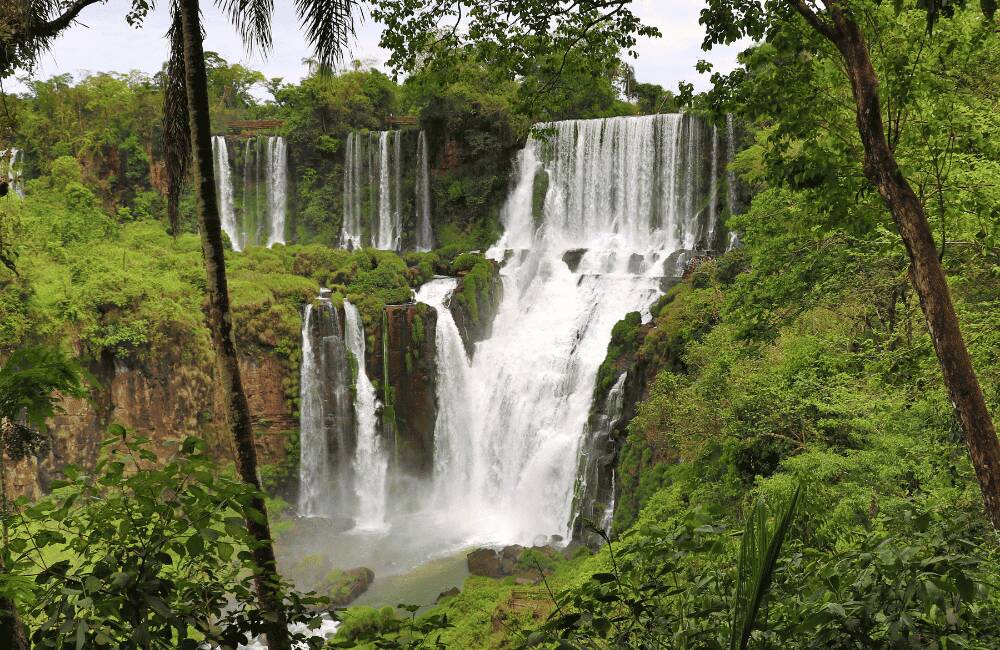
Iguazú National Park protects subtropical forest and a system of 275 waterfalls. The official Iguazú Falls visitor guide covers the walkways, boat excursions, and full-moon visits, while the park’s National Parks page provides current operating information.
Plan two days if possible. One day allows you to see the main Argentine walkways, but a second day gives you flexibility for weather, crowds, or an additional activity. Water flow changes with rainfall, so fixed claims about the volume or appearance of the falls are rarely useful for trip planning.
The climate is hot and humid for much of the year. Pack quick-drying clothing, insect repellent, sun protection, and a waterproof layer for the spray.
Jujuy, Salta, and the Andean Northwest
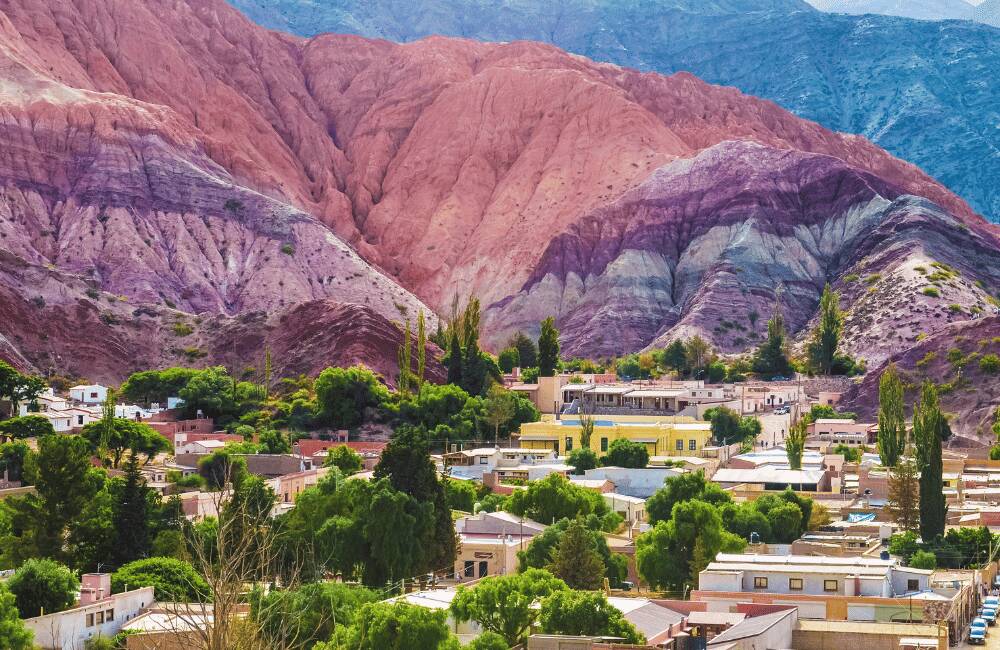
The northwest combines high-altitude desert, colorful geology, colonial towns, Indigenous and mestizo cultural traditions, and some of Argentina’s strongest regional food. The Quebrada de Humahuaca is a UNESCO-listed cultural route that has connected the high Andes with the plains for thousands of years.
- Purmamarca: A convenient base for the Hill of Seven Colors and short walks around the surrounding landscape.
- Tilcara and Humahuaca: Good stops for museums, archaeological sites, markets, music, and access to nearby mountain scenery.
- Salta and Cafayate: Combine a historic city with high-altitude vineyards, dramatic road scenery, and regional dishes such as empanadas, humita, and tamales.
Altitude can affect travelers who arrive too quickly from sea level. Build in a slower first day, drink water, limit alcohol, and seek medical advice if symptoms become severe.
Mendoza and the Andes
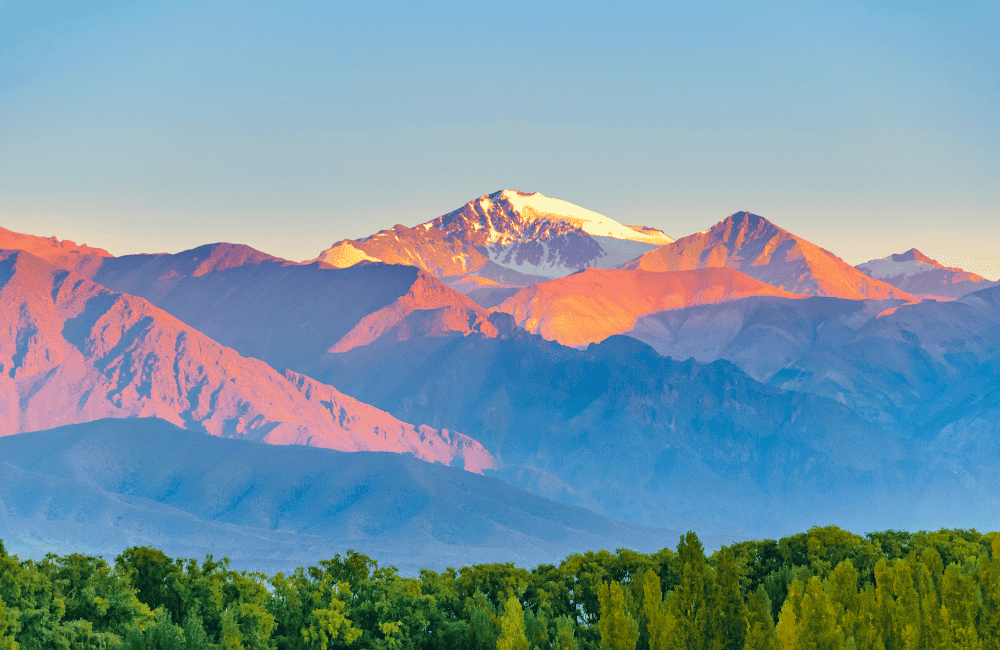
Mendoza works well for travelers who want wine, mountain scenery, and a manageable city base. The official Mendoza guide covers wineries, food, outdoor activities, and regional routes. The province is also home to Aconcagua, the highest mountain in the Americas at 6,962 meters.
Reserve winery tastings and lunch experiences in advance, especially in Luján de Cuyo and the Uco Valley. Do not plan to drive between tastings. For mountain scenery without a technical climb, follow National Route 7 toward Uspallata, Puente del Inca, and viewpoints near Aconcagua Provincial Park.
Bariloche and the Route of the Seven Lakes
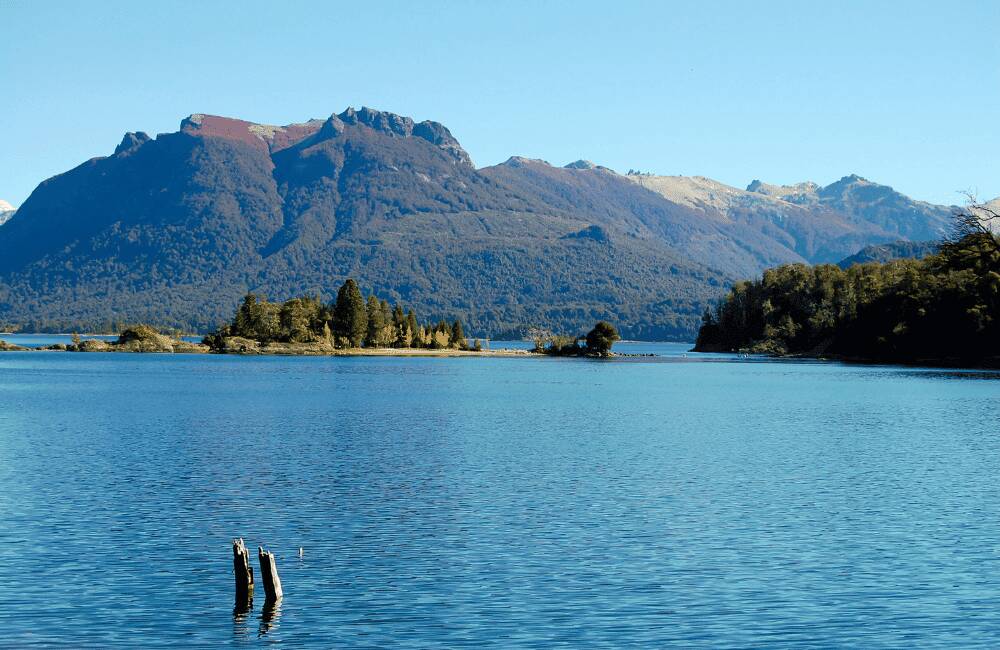
The Route of the Seven Lakes is a fully paved scenic section of Route 40 linking the Lanín and Nahuel Huapi national parks. The official Route of the Seven Lakes guide describes a route of more than 96 kilometers with viewpoints over Lakes Lácar, Machónico, Falkner, Villarino, Escondido, Correntoso, and Espejo.
San Martín de los Andes and Villa La Angostura are the two main endpoints. Bariloche is not directly on the seven-lake segment, but it is a useful additional base for Lake Nahuel Huapi, mountain lifts, hiking, and winter sports.
Summer and early fall are best for road trips and hiking. Snow and ice can affect mountain roads in winter, so check official road conditions before driving.
Puerto Madryn and Península Valdés
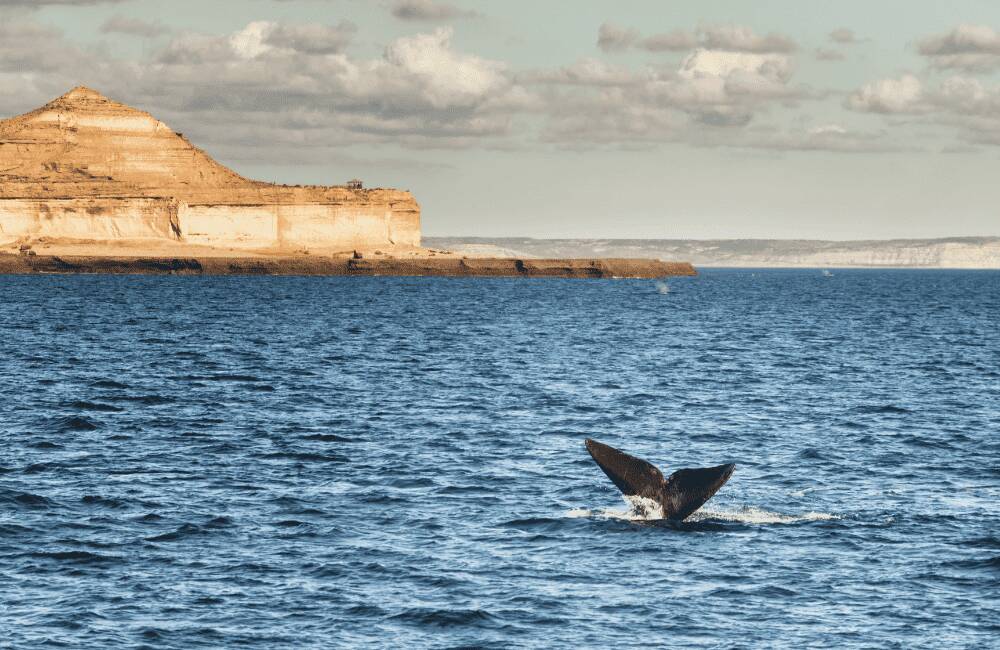
Puerto Madryn is the main base for wildlife trips to Península Valdés, a UNESCO World Heritage Site on the Atlantic coast. According to Argentina’s official whale-watching guide, southern right whales are generally present from June to early December.
Wildlife timing matters. Magellanic penguins are commonly present from mid-September to mid-April, while orca viewing has different seasonal windows. Boat excursions depart from Puerto Pirámides, roughly 99 kilometers from Puerto Madryn, and can be canceled because of wind or sea conditions.
El Calafate, Perito Moreno Glacier, and El Chaltén
Los Glaciares National Park protects more than 726,000 hectares of Patagonian forest, steppe, mountains, lakes, and ice. Use the official park page and visitor-planning information for tickets, access, trail guidance, and seasonal notices. The park has been a UNESCO World Heritage Site since 1981.
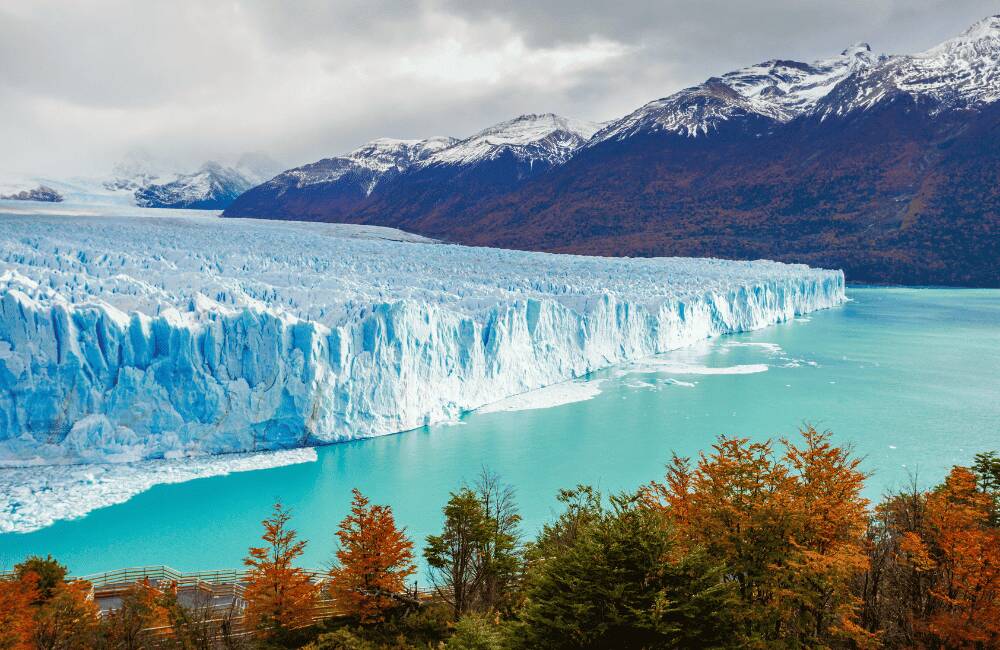
- Perito Moreno Glacier: Visit the network of walkways from El Calafate and consider a boat trip for a different view of the ice front.
- Glacier navigation: Trips from the Lake Argentino area may include views of glaciers such as Upsala or Spegazzini, depending on the route and conditions.
- El Chaltén: Add two or three nights for hiking near Fitz Roy and Cerro Torre. The official El Chaltén trekking guide lists route distances and difficulty levels.
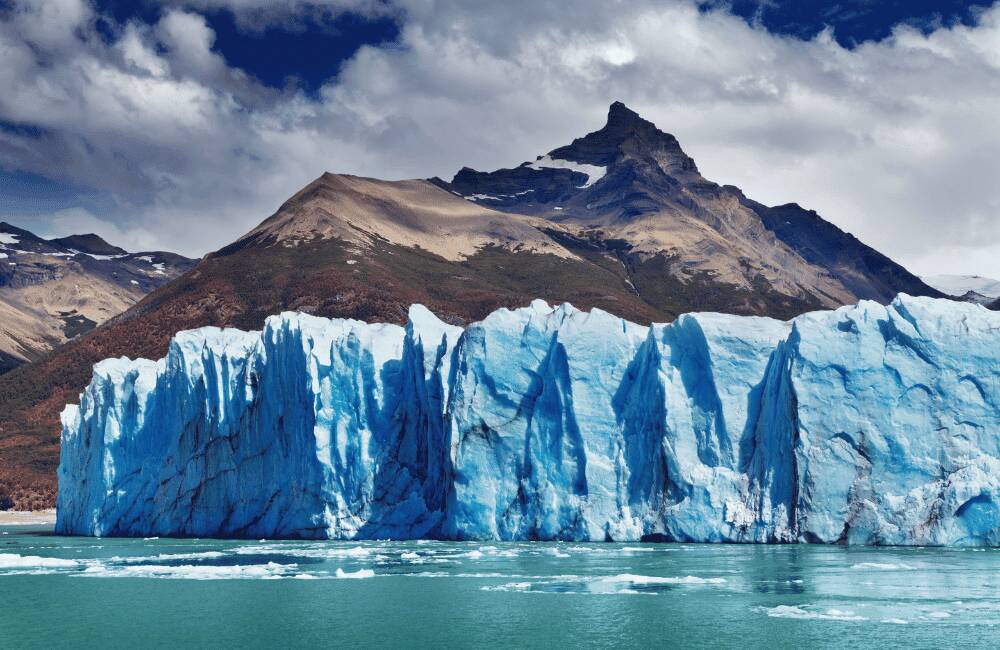
The original article described Perito Moreno as almost unchanged and implied that melting posed no visitor risk. Glacier behavior is dynamic, and access rules exist for a reason. Stay on marked walkways and follow park staff instructions.
Ushuaia, Tierra del Fuego, and the Beagle Channel
Ushuaia is one of the world’s southernmost cities and a practical base for subantarctic landscapes. It is better described as a gateway to Tierra del Fuego and Antarctica than as an undisputed geographic record-holder.
Daily excursions from the port travel through the Beagle Channel to see sea lions, seabirds, Les Eclaireurs Lighthouse, and, on some routes, seasonal penguin colonies. Nearby Tierra del Fuego National Park combines forests, peatlands, lakes, mountain scenery, and coastline about 12 kilometers from the city.
Weather changes quickly in the far south. Bring waterproof layers even in summer and avoid scheduling a flight immediately after a weather-dependent boat tour.
Perito Moreno Glacier
Perito Moreno is the most famous glacier – not because it’s the largest or the most beautiful, but for two key reasons: First, it’s easily accessible, located just across from the Magallanes Peninsula, with boat access that’s relatively straightforward. Second, it’s one of the most stable glaciers in the park, meaning it has changed very little over time. Unlike others that cannot be visited due to safety concerns from melting, Perito Moreno’s gradual thawing poses no danger to visitors. Still, like all glaciers, it does melt periodically, and part of the experience is being awed in person by the thunderous sounds of ice breaking away.
The beauty at the end of the world: Ushuaia
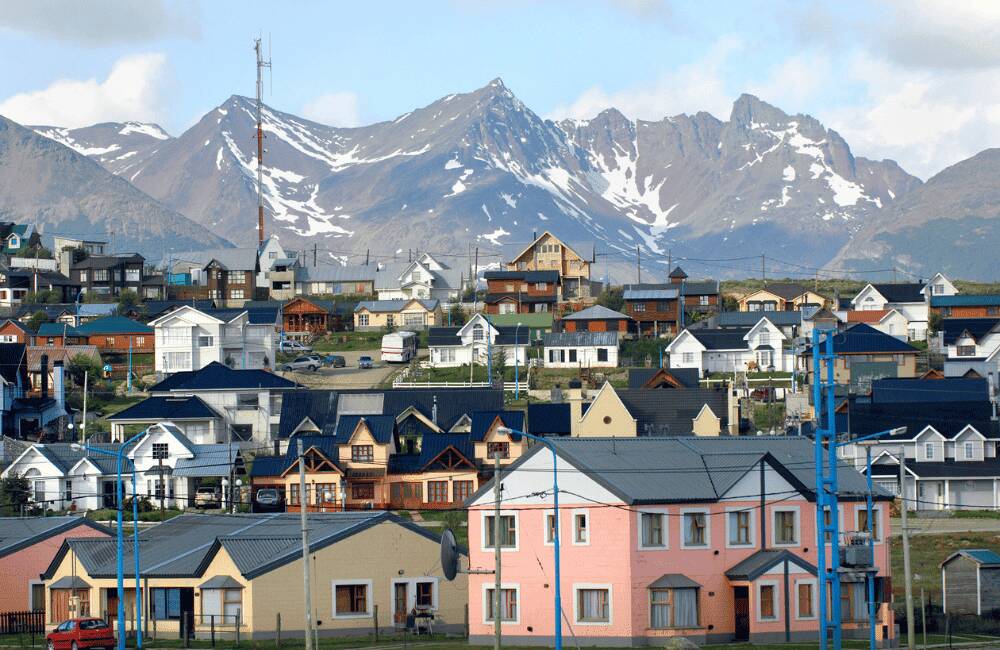
Argentina has the unique distinction of hosting the southernmost city in the world: Ushuaia – a true natural and historical wonder. Its former prison is one of the must-see attractions in Argentina. Beyond that, visitors can enjoy a walk along the waterfront and take part in numerous excursions to visit lakes, hiking trails, and protected natural environments – pristine landscapes unlike anything found elsewhere on the planet.
Sailing the Beagle Channel
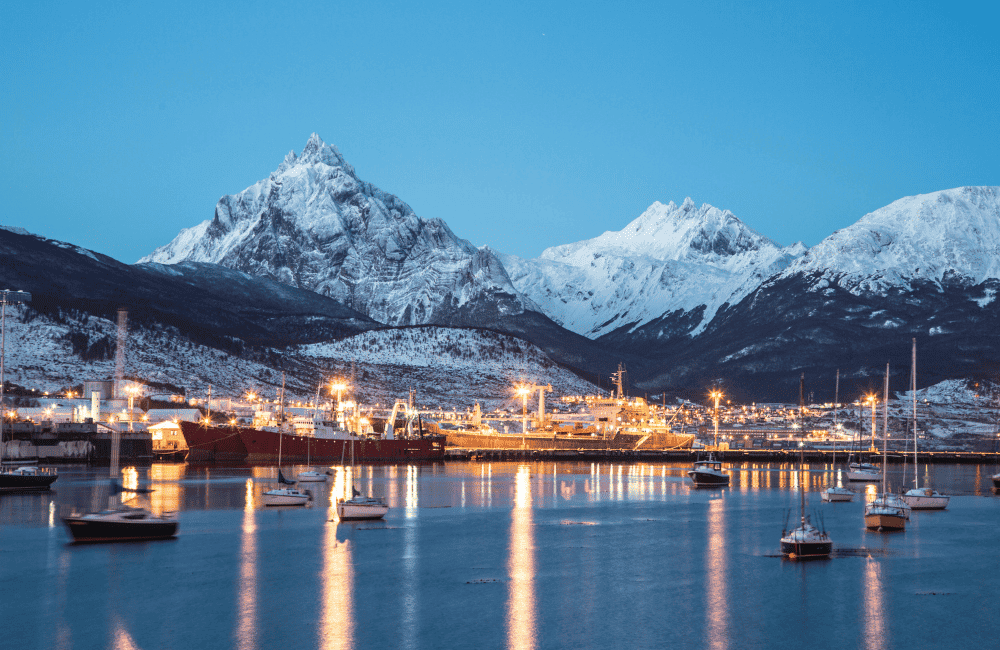
A walk along the port of Ushuaia reveals the wonders of the Beagle Channel – its blue waters, the boats docked at the marina, and the Andes Mountains in their southernmost form as a stunning backdrop. So, the next inevitable step is to sail through the Beagle Channel to get a closer look at all its charms.
There are various boat options available: yachts, motorboats, catamarans, and sailboats – all offering the chance to enjoy the main islands of the Beagle Channel, where you can see cormorants, penguins, and sea lions. You’ll also get to visit the Les Eclaireurs Lighthouse, located 20 km from Ushuaia and one of the southernmost lighthouses in the world – though it should not be confused with the Lighthouse at the End of the World, which is 200 km away and inaccessible due to its remote location.
What to See in Argentina: The Most Interesting Provinces to Visit
Argentina is made up of 24 provinces, and these are the most interesting ones to visit:
Misiones
With Iguazú Falls as its crown jewel, Misiones also offers attractions like the Yerba Mate Route – where visitors can learn the secrets of Argentina’s most popular drink, which is gaining fans around the world. You can also visit the Jesuit ruins of San Ignacio and the capital city, Posadas, known for its beautiful colonial architecture. From north to south, the green jungle and red soil define Misiones’ iconic color palette.
Jujuy
Jujuy is the most deeply rooted province in northwest Argentina when it comes to indigenous culture, traditions, and customs. Ancient practices are still alive in the picturesque small towns of the region. With the Quebrada de Humahuaca, the unmissable Hill of Seven Colors, Quechua spoken as a living language, and the must-visit towns of Purmamarca, Tilcara, and Humahuaca, Jujuy is rich in both natural beauty and cultural heritage.
Tucumán
Its capital, San Miguel de Tucumán, is the largest city in northwest Argentina and home to significant colonial history and heritage. Though small in size, the province includes the Calchaquí Valleys – which it shares with neighboring provinces – and offers numerous hiking trails through mountains and plains.
Salta
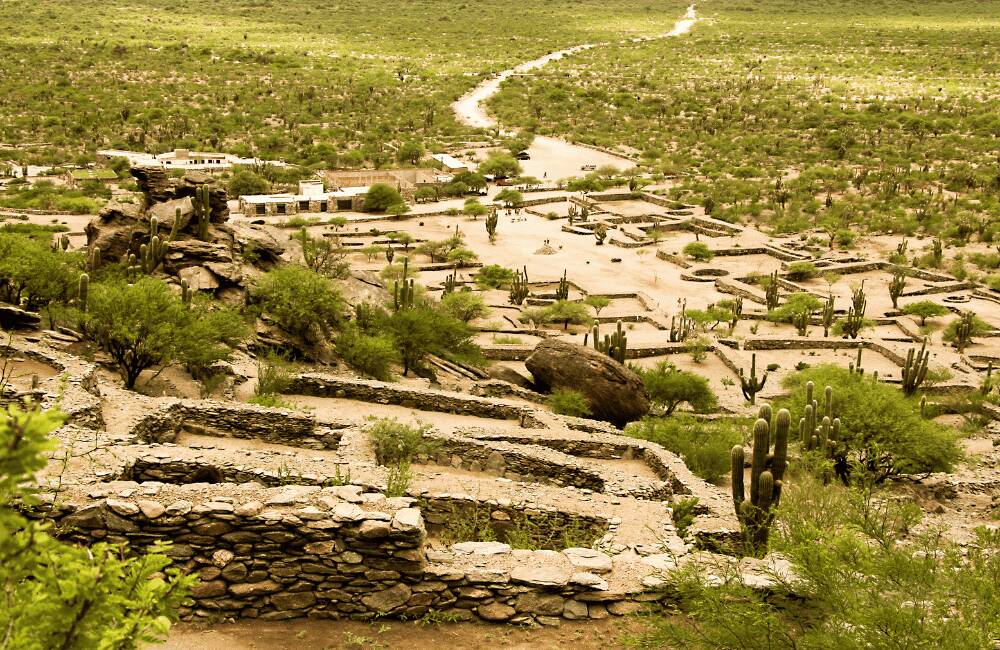
While Jujuy is unmatched in terms of natural beauty, the nearby province of Salta can certainly rival it. From its capital – a beautiful colonial city that holds genuine archaeological treasures (such as the three mummified Inca children known as the Llullaillaco mummies, preserved in perfect condition) – Salta offers a rich variety of landscapes and must-see spots. For wine lovers, there’s Cafayate, known for its scenic vineyards and excellent wines. The province is also home to towns that seem frozen in time, like Iruya and Cachi. And as if that weren’t enough, Salta is the departure point of the famous Train to the Clouds, which begins in San Antonio de los Cobres.
Río Negro
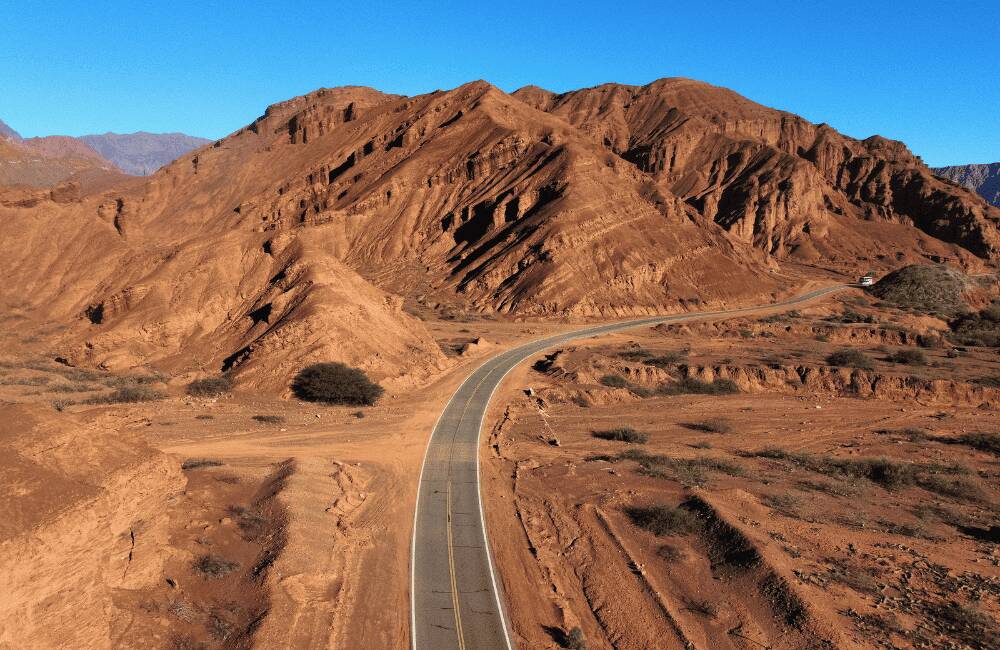
This is the province where you’ll find San Carlos de Bariloche, one of the most charming cities in Patagonia, nestled on the shores of Lake Nahuel Huapi. But Río Negro has even more to offer: numerous ecological reserves, rural tourism routes through forests and mountains, and the most popular beach in Patagonia – Las Grutas – where warm ocean currents make for pleasant summer swimming.
Neuquén
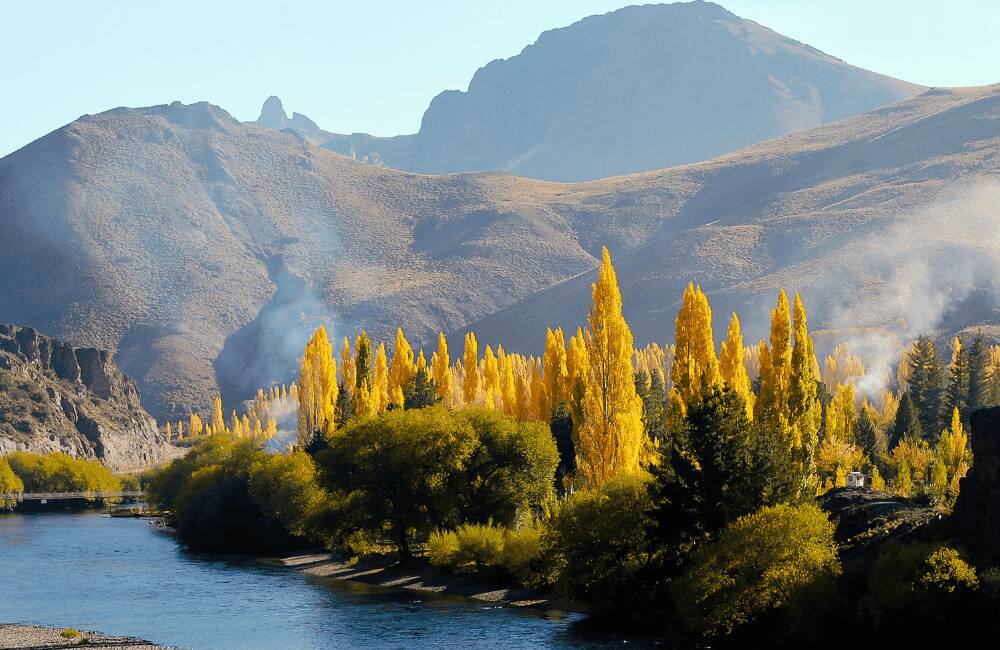
Home to the famed Route of the 7 Lakes, Neuquén also features the greenish-hued Limay River and two essential cities: Villa La Angostura and San Martín de los Andes. The province boasts a large number of protected natural areas and a captivating circuit of volcanoes, including the standout Lanín Volcano. For fans of skiing, snowboarding, and other winter sports, Neuquén is a perfect destination during the colder months.
Santa Cruz
This province is home to El Calafate, with Lake Argentino and its spectacular glaciers. It also includes El Chaltén, another must-see Patagonian town, where the southern section of the Andes reveals unparalleled beauty. Additionally, Santa Cruz is a great place to enjoy traditional Patagonian grilled lamb.
Tierra del Fuego
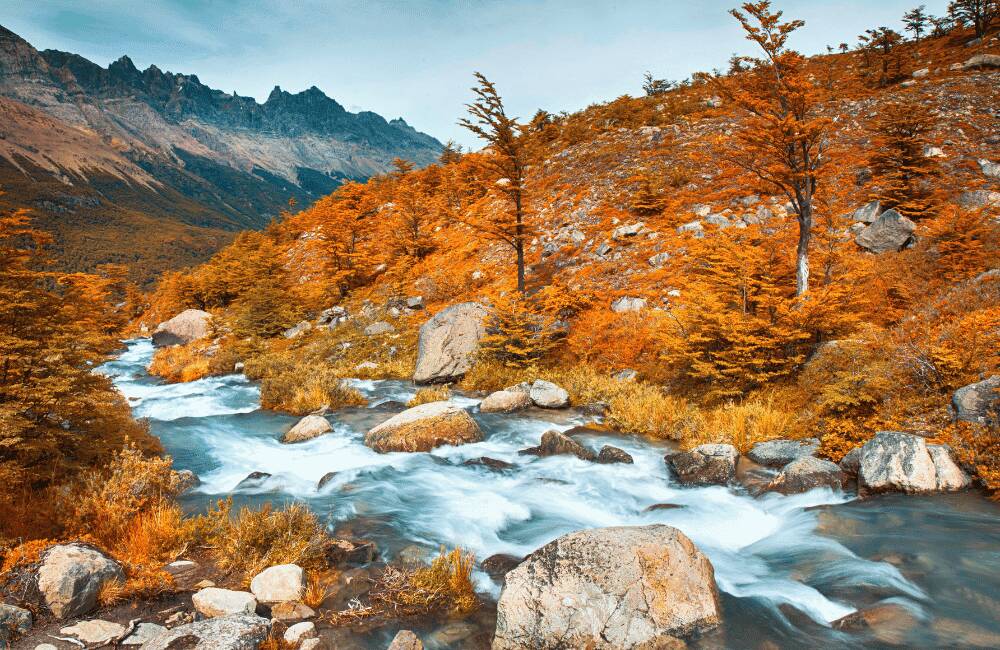
Legend has it that Spanish explorers were astonished when they began to sail past these shores and saw fires lit by the native inhabitants – hence the cinematic name “Tierra del Fuego.” Though some say it was actually smoke signals rather than open flames, the name stuck. This province contains the world’s southernmost city, Ushuaia, and the islands of the Beagle Channel, home to a unique array of wildlife. For the truly adventurous, cruises to Antarctica can be booked from here.
Córdoba
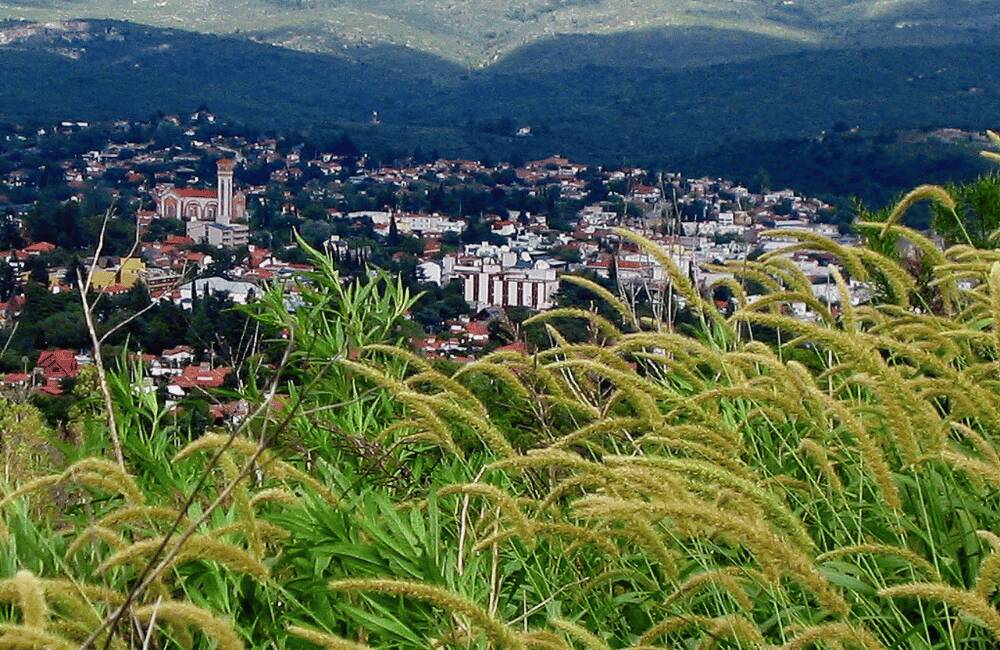
Mountain rivers, lush valleys, rolling hills, and an abundance of nature make Córdoba the perfect spot for relaxed rural tourism. Towns like Tanti, Villa Carlos Paz, La Falda, and Nono offer scenic landscapes and tranquil escapes amid the Sierras.
How Many Days Do You Need in Argentina?
Of course, sometimes we have to work with the time we have. If you only have five days to visit Argentina, it’s still entirely possible to make the most of your trip.
One of those days – depending on your flight schedule – can be spent in Buenos Aires. It’s the perfect time to take a stroll, book a city tour, and enjoy a traditional dinner in the capital.
After that, you have several options – and each comes with good and bad news. You could choose to visit Argentine Patagonia, the northwest region, or Iguazú Falls. The good news is that with any of these options, you can enjoy a reasonably complete trip. The bad news is that by choosing one, you’ll miss out on the others (except the Falls, which are easier to combine with another destination). Another approach is to combine two destinations – visiting three in five days is highly unlikely – and while this will broaden your experience of Argentina, it will also make for a packed itinerary.
Below are the most recommended combinations for a five-day trip to Argentina.
What to See in Argentina in 5 Days: Glaciers and Waterfalls
Glaciers and Iguazú Falls
This is the most common itinerary: one day visiting Iguazú National Park and three days exploring Los Glaciares National Park, including two days of sailing among the major glaciers. You’ll still have one extra day for shopping, an alternate excursion in El Calafate, or further exploring Buenos Aires.
Glaciers and Ushuaia
Spend two days visiting the glaciers – one at Perito Moreno Glacier and another covering the dry glaciers, Spegazzini and Upsala – and two days in Ushuaia: one for the city itself and one for sailing the Beagle Channel.
Glaciers or Ushuaia with the 7 Lakes Route
In this version, you swap Ushuaia for two days exploring the 7 Lakes Route, including the detour to visit Lake Nahuel Huapi. It’s recommended to spend one night in Villa La Angostura and another in Bariloche. Alternatively, you can swap the glaciers for Ushuaia, depending on your preferences.
Iguazú Falls and Northwest Argentina
Spend one day at Iguazú Falls and three days exploring the small towns of northwest Argentina. Focus on Jujuy Province, especially the Hill of Seven Colors. Ideally, spend one night in each of Jujuy’s three most beautiful towns: Tilcara, Purmamarca, and Humahuaca.
How Many Days Are Recommended in Buenos Aires?
Let’s set aside the quick-stop idea and assume you have enough time to truly get to know Buenos Aires. Ideally, you should spend a week in the city to really grasp how one of the world’s most vibrant urban centers lives and breathes.
A theater outing in Buenos Aires is a must – whether it’s a blockbuster show on Corrientes Street or something from the independent theater scene scattered across the city. And afterward, don’t miss out on a hearty slice of pizza porteña, served by the slice and best paired with a cold beer or a glass of Malbec.
When it comes to exploring neighborhoods, the most historically rich areas lie in the southern part of the city: La Boca, San Telmo, and Boedo. Don’t miss Avenida de Mayo, lined with elegant mansions leading to the Casa Rosada, Argentina’s presidential palace. For a more modern vibe, head to the stylish bars and shops in Palermo or Belgrano.
Essential museums in Buenos Aires include the National Museum of Fine Arts, the Latin American Art Museum of Buenos Aires (MALBA), the National Library, the Benito Quinquela Martín Museum, and the Immigration Museum – housed in the former Immigrants’ Hotel, where hundreds of arrivals from Europe and Asia once stayed in the late 19th and early 20th centuries.
Lastly, no visit to Buenos Aires would be complete without attending a football match at either La Bombonera or El Monumental – two iconic stadiums where the passion of the fans is just as thrilling as the action on the field.
If you have fewer days to explore Buenos Aires, all of these recommendations can be condensed, and a three- to four-day visit can still offer a rich and satisfying experience.
What Is the Best Time to Visit Argentina?
There is no single best month for the whole country. The right timing depends on the region and the activities you want.
- Buenos Aires: Spring and fall are usually comfortable for walking, although the city is a year-round destination.
- Iguazú: Open year-round. Summer is hotter and more humid; cooler months can be more comfortable, but rainfall and water levels remain variable.
- Northwest Argentina: April through November generally avoids the wettest summer period, although high-altitude nights can be cold.
- Patagonia: November through March offers longer days and the broadest access for hiking and road trips. Winter is better for skiing but brings closures and difficult road conditions.
- Península Valdés: Whale season generally runs from June to early December; other species follow different calendars.
Practical Travel and Safety Information
Yes, Argentina is generally a safe country to visit. As with any destination, some areas are safer than others. In Argentina, it’s wise to avoid certain neighborhoods and to take basic precautions – such as not carrying all your cash at once, staying alert when using your phone in public, and being aware of anyone who gets too close.
- Protect valuables in cities: Phone snatching and pickpocketing are more realistic concerns than dramatic danger narratives. Keep devices secure and avoid displaying large amounts of cash.
- Plan for long distances: Confirm domestic flight airports carefully, especially in Buenos Aires, and avoid tight same-day connections.
- Check official park notices: Weather, fires, snow, trail damage, and wildlife protection can change access with little notice.
- Carry identification: A passport may be required to establish the correct visitor category when purchasing national park tickets.
Discover Argentina safely with Heymondo
Argentina has 12 UNESCO World Heritage properties, including five natural sites, but its appeal is not limited to a checklist of famous landmarks. The strongest trips combine major scenery with regional food, neighborhood life, and enough time to adjust when weather or transportation changes.
Choose two or three regions, build realistic travel days into the schedule, and leave the rest for another trip. Argentina rewards depth far more than speed.
Featured stories