Last Update: August 2026
Canada is too large and varied to experience in a single trip. A first visit might combine Toronto and Niagara Falls, focus on Montréal and Québec City, or follow a road trip through the Canadian Rockies. Other journeys are built around Atlantic coastlines, Indigenous-led experiences, wildlife, or the northern lights.
The most useful approach is to choose one or two regions and travel at a realistic pace. This guide covers the cities, national parks, scenic routes, and planning details that matter most when building a Canada itinerary.
Index
Introduction to the Country: Facts and Figures
With a population of around 41 million, Canada is one of the world’s most multicultural countries. People from different cultures, religions, ethnic backgrounds, and languages live side by side, and diversity is an important part of Canadian identity. In fact, Canada became the first country to adopt multiculturalism as an official government policy in 1971, and this commitment was later reinforced through the Canadian Multiculturalism Act.
Culture and Education
Canada’s cuisine reflects its cultural diversity. British, French, and Indigenous traditions have all shaped the country’s food scene. Some of the best-known dishes include poutine, smoked salmon, and tourtière, a traditional meat pie from Quebec. No visit would be complete without trying maple syrup or Canada’s famous ice wine, which is made from grapes that freeze naturally on the vine.
Education has also played a major role in Canada’s development. The country consistently ranks among the world’s most educated nations. According to World Population Review, between 58% and 76% of Canadians aged 25 to 64 have completed post-secondary education.
Territory
Canada is the second-largest country in the world, yet much of its land remains untouched by development. Although it’s slightly larger than the United States, its population is only a fraction of its southern neighbor’s. Nearly 90% of Canadians live within about 100 miles (160 kilometers) of the U.S. border, leaving vast areas of wilderness across the country.
Canada is also a land of impressive natural records. It has more lakes than the rest of the world combined, covering about 20% of the planet’s freshwater surface. The country is home to 10% of the world’s forests and boasts the longest coastline on Earth, stretching more than 202,000 kilometers (125,000 miles).
No matter the season, Canada offers countless outdoor adventures. In winter, visitors come for skiing, snowboarding, and ice skating. During the warmer months, hiking, kayaking, wildlife watching, and camping are among the country’s most popular activities.
Best Cities to Visit in Canada
Urban options abound to suit every traveler’s taste and profile. Expect architecture with European influences, cities nestled between oceans and mountains, a balance between modernity and tradition, and non-stop entertainment. If you’re planning a trip to Canada, these cities should be on your must-visit list:
Toronto
Toronto is Canada’s largest city and a major cultural and economic center. Its appeal lies less in one historic core than in the variety of its neighborhoods, from Chinatown and Kensington Market to Little Italy, the Distillery District, and the waterfront.
The Royal Ontario Museum is a strong choice for art, archaeology, and natural history, while the 553-meter CN Tower provides one of the city’s clearest panoramic views. For a slower afternoon, take the municipal ferry to Toronto Island Park for beaches, trails, and skyline views.

Vancouver
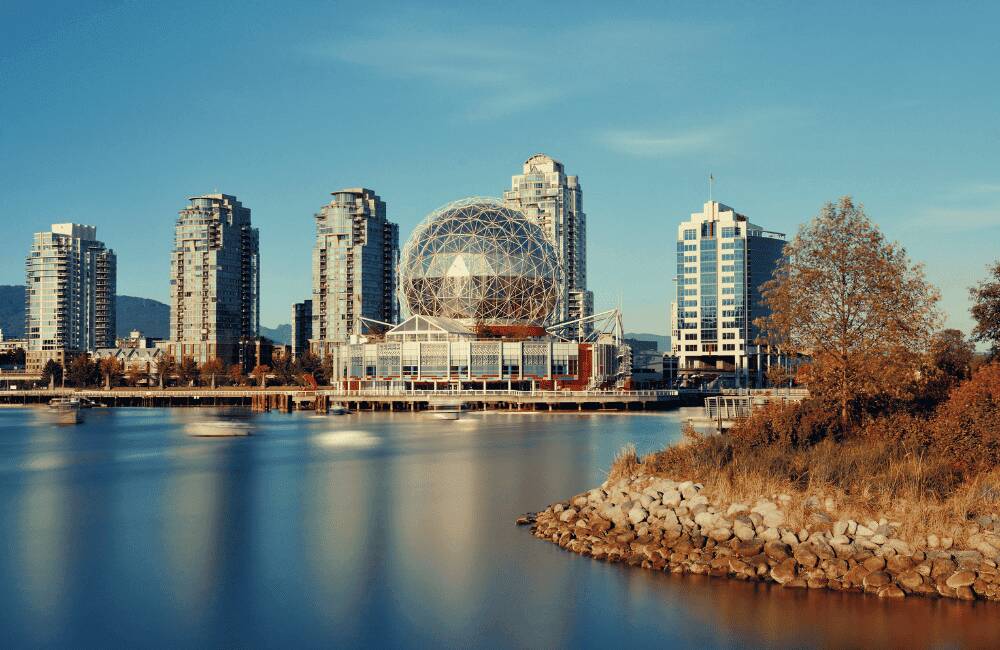
Vancouver is surrounded by the Coast Mountains and the Pacific Ocean, making it one of Canada’s best destinations for combining city life with outdoor adventures. You can spend the morning exploring downtown and the afternoon hiking, cycling, kayaking, or even skiing, depending on the season.
Winters are generally milder and wetter than in most parts of Canada. Summer, on the other hand, brings warm, dry weather that’s ideal for beaches, hiking trails, and sightseeing.
Walk or bike along the famous Seawall through Stanley Park, the world’s longest uninterrupted waterfront path. Then explore Granville Island, known for its public market, local shops, and waterfront atmosphere. If you have extra time, visit neighborhoods like Commercial Drive or Mount Pleasant for independent cafés, restaurants, and local boutiques.
Vancouver also makes an excellent base for exploring nearby destinations. From here, you can easily continue to Whistler, Vancouver Island, or the scenic Sea-to-Sky Corridor.
Quebec
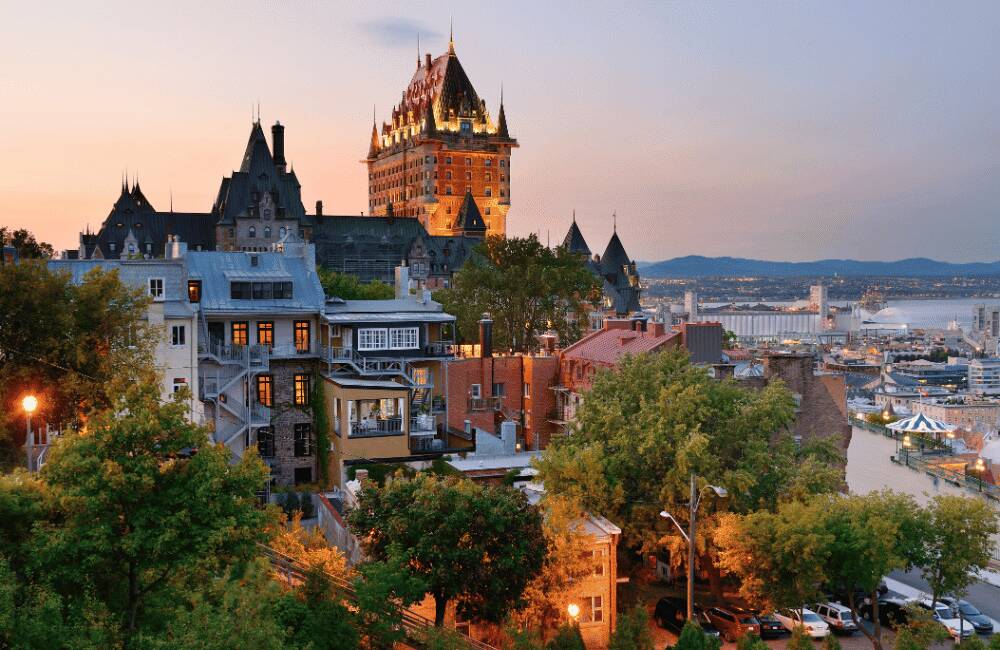
The Old Town of Quebec City stands out as the only walled city still standing in North America. It was also the first North American city to be listed as a UNESCO World Heritage Site. This area is home to the iconic Le Château Frontenac hotel and the charming Petit Champlain district, filled with fashion boutiques and bistros.
Montreal
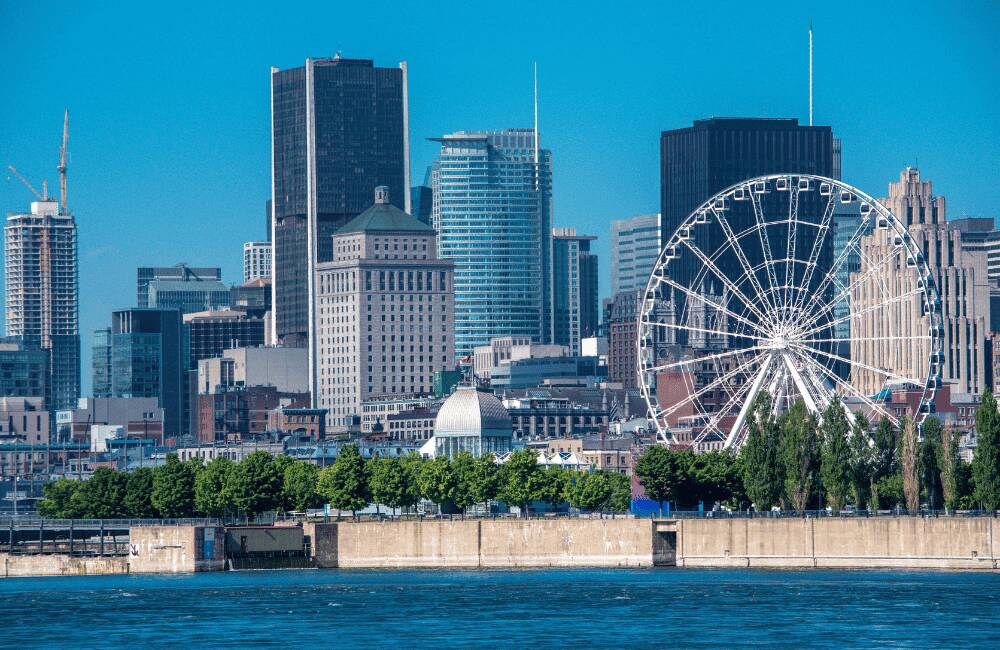
Montréal has a unique identity shaped by its French heritage, diverse communities, world-class universities, and thriving arts scene. The city’s year-round calendar is packed with festivals, concerts, and cultural events, so it’s worth checking the official Tourisme Montréal website before your trip to see what’s happening during your visit.
If it’s your first time in Montréal, start with Old Montréal and the Old Port. Then head to Mount Royal for panoramic views of the city. Make time to explore neighborhoods like Plateau-Mont-Royal, Mile End, and the Jean-Talon Market, where you’ll find local food, cafés, and independent shops.
Many of Montréal’s neighborhoods are easy to explore on foot. However, if you’re traveling between different parts of the city, the metro is usually the fastest and most convenient option.
Captivating Landscapes: Places to Visit in Canada
Niagara Falls
Canada is home to some of the world’s most spectacular natural wonders. Niagara Falls is one of the country’s most iconic landmarks, drawing millions of visitors each year with its powerful waterfalls and breathtaking views.
Farther west, Banff National Park is famous for its crystal-clear lakes, snow-capped Rocky Mountains, and unforgettable hiking trails. Nearby, Jasper National Park offers ancient glaciers, abundant wildlife, and some of the darkest skies in the world for stargazing.
The scenery changes dramatically in Alberta’s Canadian Badlands. Wind and water have carved this rugged landscape into deep canyons, colorful rock formations, and striking cliffs. It’s also one of the world’s richest dinosaur fossil regions, making it a fascinating destination for nature lovers and history enthusiasts alike.
Gros Morne
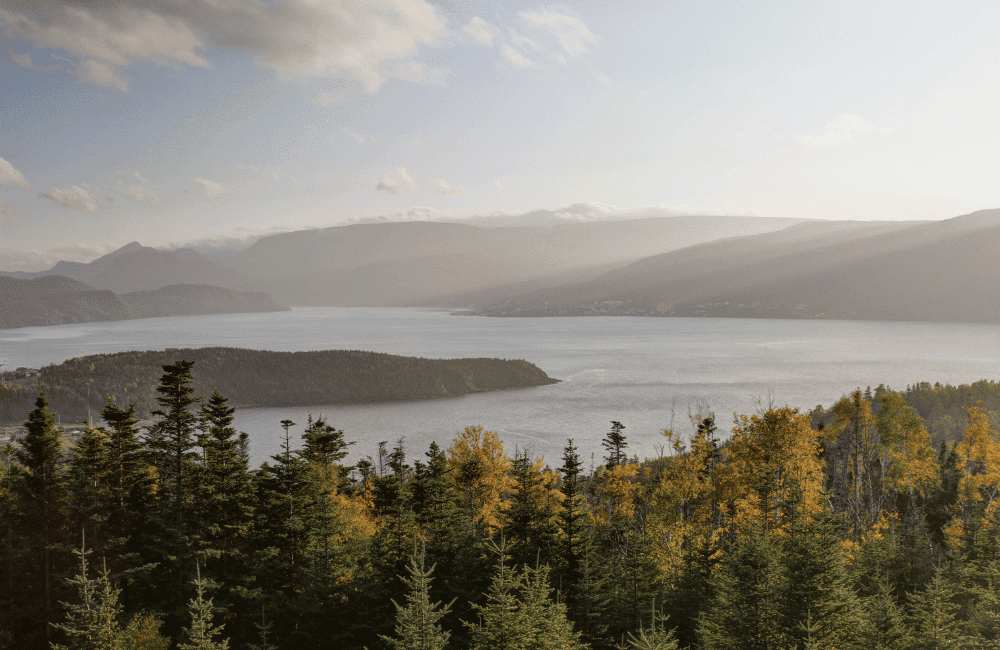
In Newfoundland and Labrador, Gros Morne National Park combines fjords, coastal communities, forests, and the exposed mantle rock of the Tablelands. Farther north, L’Anse aux Meadows National Historic Site preserves the only authenticated Norse archaeological site in the Americas and the earliest known European presence on the continent.
In New Brunswick, the Bay of Fundy is known for tidal ranges that can reach about 16 meters. At Hopewell Rocks, visitors can walk on the ocean floor at low tide and return later to see water surrounding the same formations.
Bay of Fundy
On the Atlantic coast, the Bay of Fundy boasts two standout features: the unique rock formations at Hopewell Rocks and some of the world’s highest tides, whose rhythmic movements make the seabed appear and disappear. Equally remarkable is the Great Bear Rainforest in British Columbia – a vast temperate rainforest spanning over four million hectares. It is the exclusive habitat of the “Spirit Bears,” a rare type of black bear with white fur caused by a unique genetic trait.
The mosaic of landscapes, cities, and leisure or adventure activities that Canada offers is as vast as it is diverse. This means travelers of all kinds can enjoy unforgettable experiences across the country. Whether you’ve already decided that Canada will be your next destination or are still weighing your options, keep reading to make sure you don’t miss any of our recommendations.
When Is the Best Time to Visit Canada?
Let’s start with the basics. Choosing the right time to visit Canada is key to making the most of your trip, depending on your expectations. But don’t worry – there are no wrong choices. The best time to travel to Canada largely depends on your budget, preferred activities, and which provinces you plan to include in your itinerary. It’s important to keep in mind the country’s climate variations, as they can affect the type of activities available and the operating hours of certain attractions.

When Is It Most Expensive to Travel to Canada?
The cost of traveling to Canada varies depending on the season and tourism demand. There are two peak periods that define the high season: from June to August (summer) and from December to early January. Keep in mind that during these months, flight, and accommodation prices increase. This makes traveling to Canada more expensive at those times.
And When Is It Cheapest to Travel to Canada?
Although variations may occur, it is generally more affordable to plan a trip to Canada in November and from March to April. These months fall within the low season, when tourist traffic tends to decrease. November, in particular, marks the transition between the end of autumn and the onset of winter, which means some outdoor activities become unavailable until the following year. On the other hand, March and April remain accessible and it’s common to find appealing promotions on flights and accommodations. In any case, try to book all services in advance to secure the most competitive rates.
What Is Summer Like in Canada?
From June to September, the climate in most Canadian regions is mild and pleasant, with temperatures ranging between 15°C and 30°C. This creates the perfect conditions for practicing outdoor sports.
What Is Winter Like in Canada?
If you’re looking to experience a true Canadian winter, plan your visit between December and March. These are the ideal months for skiing, ice skating, snowboarding, and enjoying winter festivals in Ottawa and Quebec. Additionally, this is the best time to witness the northern lights dancing across Canada’s night skies. Don’t miss this opportunity. For the best viewing, head as far from the coast as possible and journey north, where the skies are clearer and the lights shine brighter.
A reliable spot for seeing this celestial phenomenon is the Northwest Territories, where the aurora borealis appears on more than 200 nights per year. Yukon and Nunavut are also excellent alternatives.
Below, we share more information about essential places to include in your trip to Canada:
What Should You Not Miss in Canada?
Niagara Falls
Straddling the border between the U.S. state of New York and Canada’s Ontario province, Niagara Falls is one of those places that never fails to awe visitors – which is why it tops nearly every list of must-see locations in Canada. It’s also been featured in film classics like Pirates of the Caribbean (2007), Superman II (1980), and Niagara (1953). The last of these propelled a young Marilyn Monroe to stardom and was a major box office hit in its year.
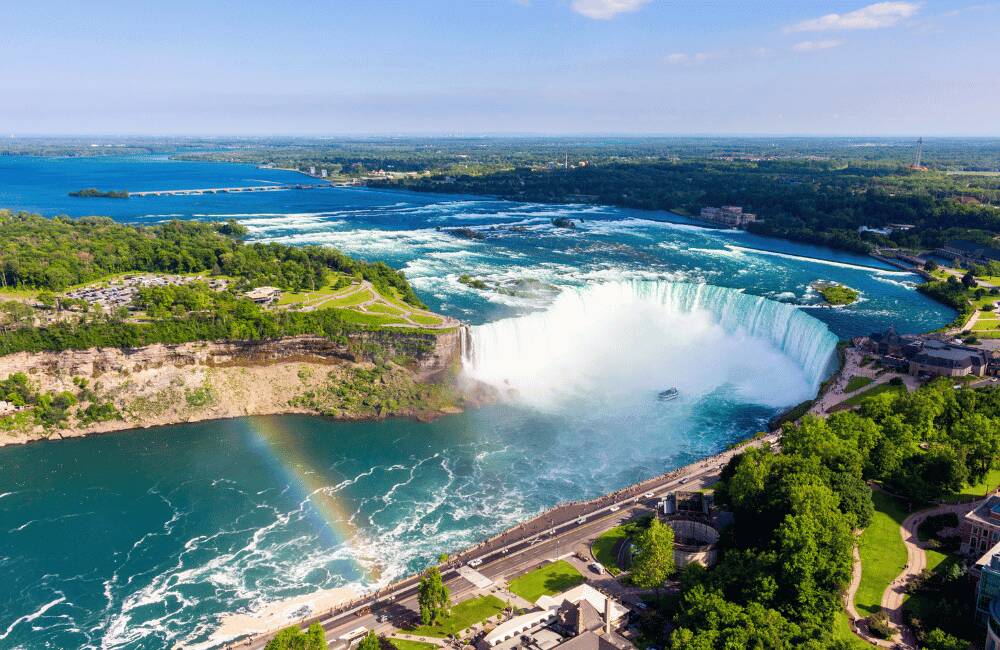
Here’s a preview of what you’ll see, though words hardly do it justice. Located about 236 meters above sea level with a drop of 51 meters, the roar of the cascading water becomes the soundtrack to a scene that is as overwhelming as it is serene. Adding to the experience are the mists that cool the air and the rainbows that color the surroundings as sunlight filters through the spray.
The three waterfalls that make up this natural wonder are Horseshoe Falls, American Falls, and Bridal Veil Falls. Though not the tallest in the world, the sheer volume of water they move is astounding – an average of 168,000 cubic meters per minute.
Visitors can now enjoy both daytime and nighttime views, and many opt to experience both. Whether basking in sunlight or lit up in dazzling colors at night, the way you experience Niagara Falls is up to you. A few suggestions: ride the elevator up the Skylon Tower for panoramic views and dine in its revolving restaurant, watch a fireworks show, take a boat ride to get up close, or even soar over the falls in a helicopter.
Emerald Lake
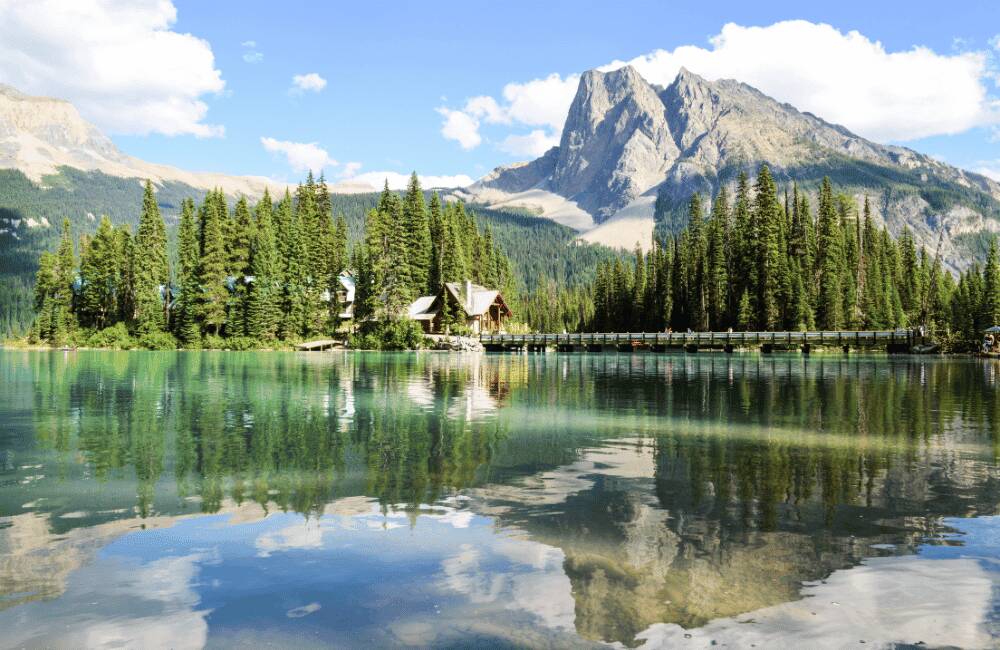
Nestled in the mountains of British Columbia at the heart of Yoho National Park, Emerald Lake is a striking example of Canada’s natural beauty. With its intense turquoise waters surrounded by lush forests, it’s the park’s main attraction. Some visitors rent kayaks to explore the lake, while others prefer to hike the accessible Emerald Lake Trail, which circles the lake and is suitable for all levels.
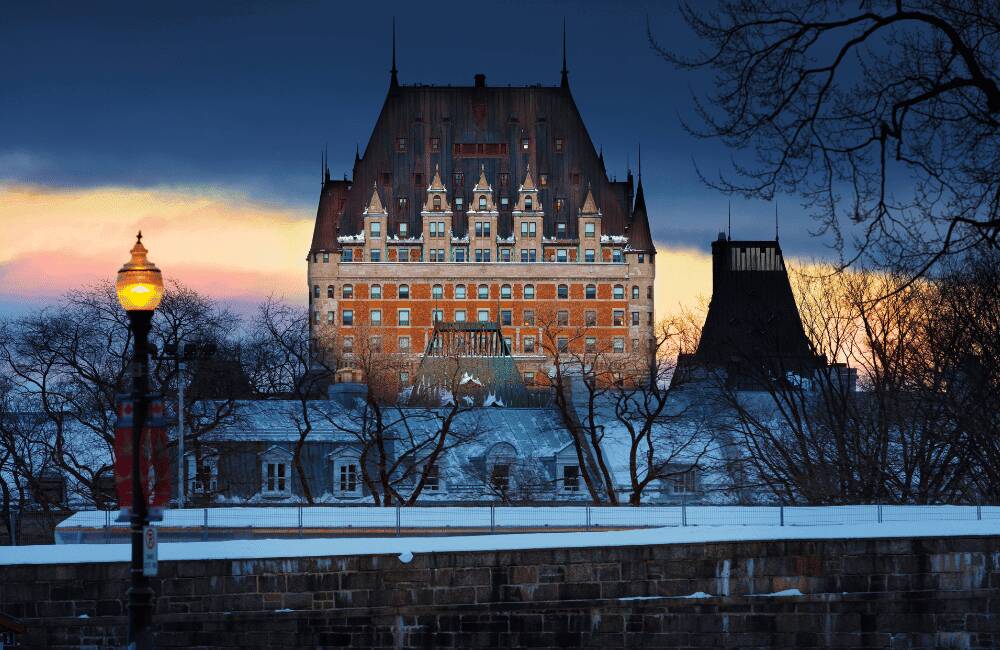
Le Château Frontenac
A true hospitality icon, Le Château Frontenac is worth visiting even if you’re not staying overnight. Located within the walls of Old Quebec, it is considered one of the most photographed hotels in the world. In 1981, it was designated a National Historic Site of Canada, and four years later, UNESCO included it in the World Heritage listing alongside the old town.
This five-star complex was also praised by Michelin as “the grand lady of hotels linked to the history of Canadian railways.” Since its construction in 1893, it has hosted major political summits, business meetings, noble gatherings – and even served as a film set for Alfred Hitchcock’s I Confess. Over its more than 130 years of operation, the hotel has welcomed distinguished guests, including former Canadian Prime Minister Pierre Elliott Trudeau, Queen Elizabeth, actor Charlie Chaplin, and singer Céline Dion.
The hotel was designed by architect Bruce Price, and brought to life by the Canadian Pacific Railway. Its location is another compelling reason to visit, offering unmatched views of the St. Lawrence River.
A stroll around Château Frontenac is like peering into North America’s most European corner. Its architecture evokes the look of French Renaissance castles, and its brick façade, slate roofs, and pointed towers preserve the essence of the luxury and sophistication of centuries past.
Rideau Canal
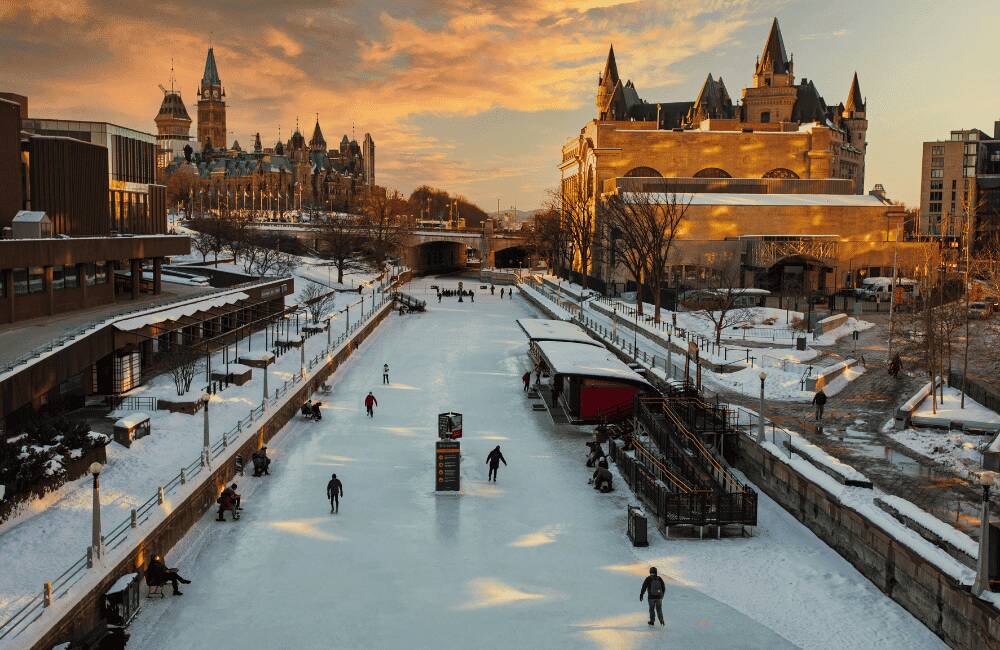
Stretching 202 kilometers, the Rideau Canal links the cities of Ottawa and Kingston through a network of rivers and lakes, attracting tourists from around the world. This engineering feat dates back to the early 19th century, when it was built for strategic and military purposes during a time of tension between Great Britain and the United States. It is also one of the first canals specifically designed to accommodate steam-powered boats, which explains the presence of several fortifications.
Recognized as a UNESCO World Heritage Site, it is the oldest operational canal in North America. Not only does it continue to serve a functional role, but it also retains most of its original structures.
During the summer months, the canal is primarily used for tourism. However, when temperatures drop in winter, the canal freezes to depths of up to seven meters, making it impossible for boats to navigate. At that point, it transforms into the world’s largest ice skating rink. You may not have considered including a canal on your list of things to see in Canada, but there are many ways to enjoy this site. One option is to take a three- to five-day cruise through towns like Battersea and Merrickville. Alternatively, you can visit Ottawa’s Bytown Museum, which tells the story of the canal.
Jasper National Park
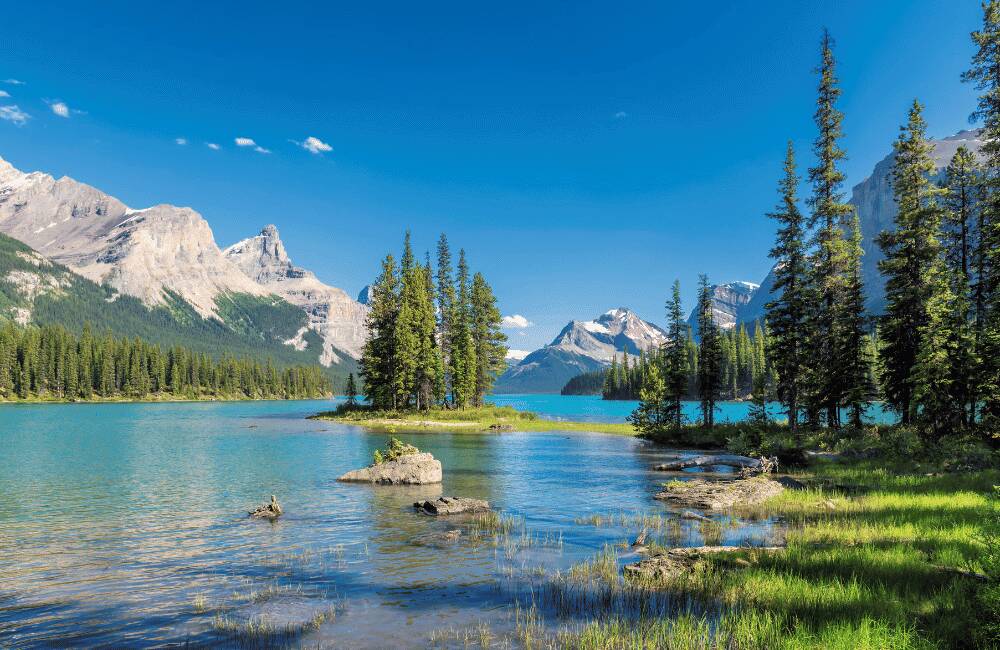
There’s no debate – nature lovers are spoiled for choice when traveling through Canada, thanks to its incredibly well-preserved national parks. Jasper National Park is one such paradise, a breath of fresh air that feels like another dimension. Located in the Canadian Rockies, it is home to a wide range of wildlife, including moose and bears. The park combines jagged peaks with shimmering lakes and ancient glaciers that silently observe visitors. Its night skies are so clear, they look as if they’ve been painted by hand.
Banff National Park
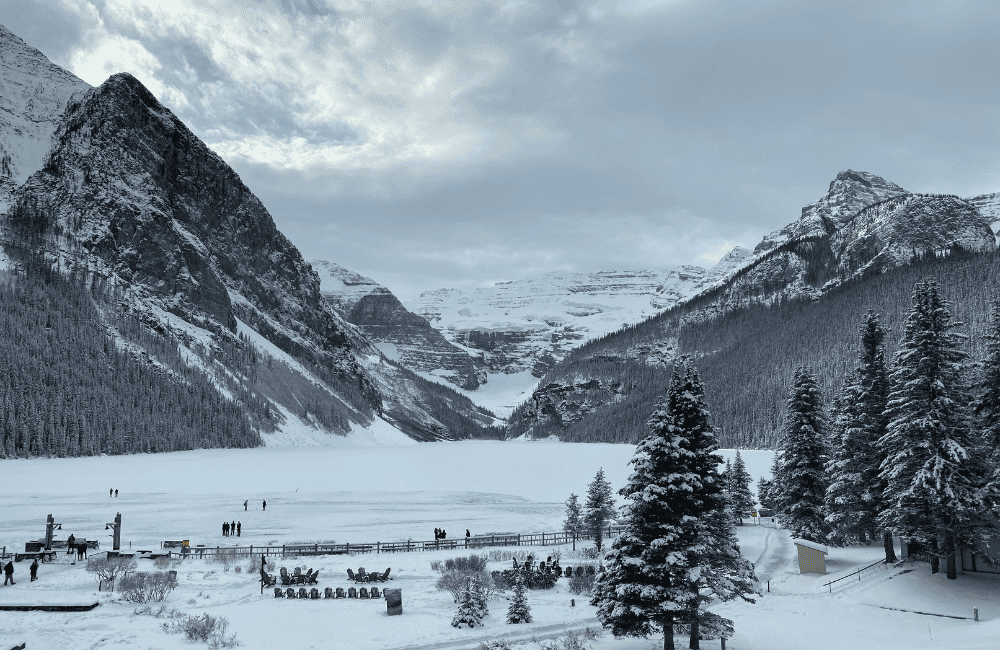
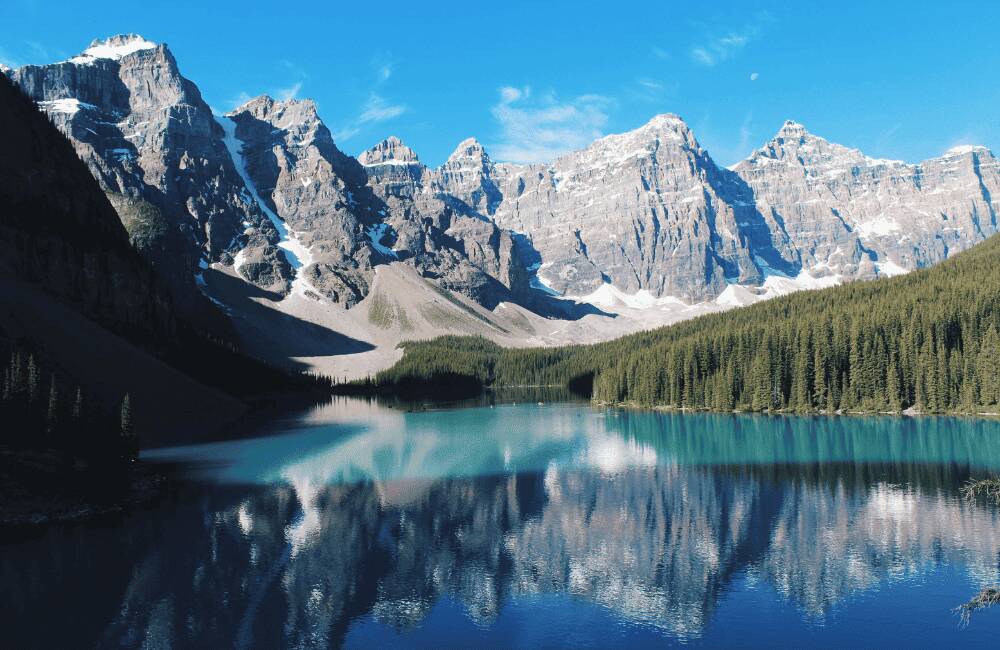
In the Alberta section of the Rockies lies Banff National Park, a landscape of snow-covered peaks, wildlife, and glacial waters that has earned its reputation as one of Canada’s most popular destinations. The crown jewel here is Lake Louise, located about five kilometers from the village of the same name. It’s one of the highlights along the Icefields Parkway.
It’s no wonder Lake Louise is one of the most iconic places to see in Canada. Its hypnotic turquoise color creates an unforgettable scene when bathed in sunlight. The color comes from rock particles carried down from the Victoria Glacier. In addition to the lake’s stunning beauty, the town of Banff offers a wide range of activities – from hiking and skiing to soaking in steamy hot springs.
Icefields Parkway
As mentioned earlier, Highway 93 is one of the most breathtaking roads in the world and a must-see when visiting Canada. This scenic 230-kilometer (143-mile) highway follows the Continental Divide through the Canadian Rockies, connecting Jasper and Banff National Parks. Construction began during the Great Depression, and the parkway officially opened in 1940 before being extended in 1960.
There are plenty of places to stop along the way, including scenic viewpoints, hiking trails, picnic areas, and campgrounds. The drive takes you past glaciers, turquoise lakes, dramatic canyons, and towering mountain peaks. Some of the highlights include Crowfoot Glacier, Bow Lake, Mistaya Canyon, Saskatchewan River Crossing, Athabasca Glacier, Tangle Falls, and Sunwapta Falls.
No trip along the Icefields Parkway is complete without visiting Jasper and Banff National Parks. Keep in mind that you’ll need either a daily park pass or a Parks Canada Discovery Pass if you plan to stop anywhere along the route.
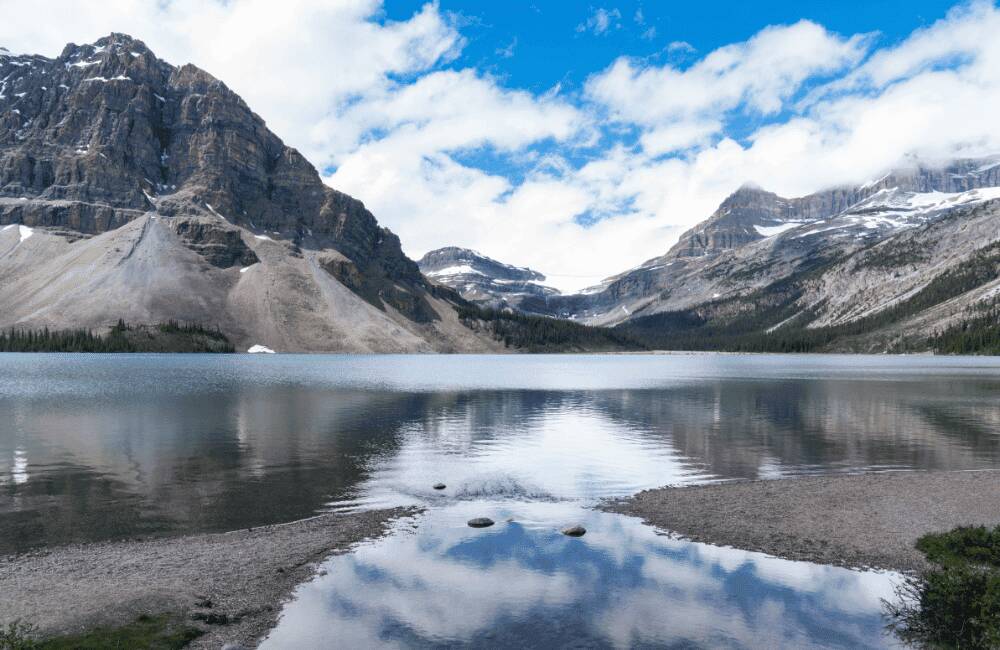
Bow Lake
This is a must-stop when driving the Icefields Parkway. Fed by the Bow Glacier, Bow Lake lies about 30 kilometers south of Banff. Nestled in the Rockies at an elevation of 1,920 meters above sea level, it is the closest lake to the source of the Bow River—from which it gets its name. It shares the same striking water color as other nearby lakes, like Peyto and Louise.
Moraine Lake
Located in the heart of the Valley of the Ten Peaks (Banff National Park), Moraine Lake is about 14 kilometers from the town of Lake Louise. It reaches its highest water level during the second half of June and is known for its distinctive blue color – typical of glacial lakes in the Icefields Parkway region.
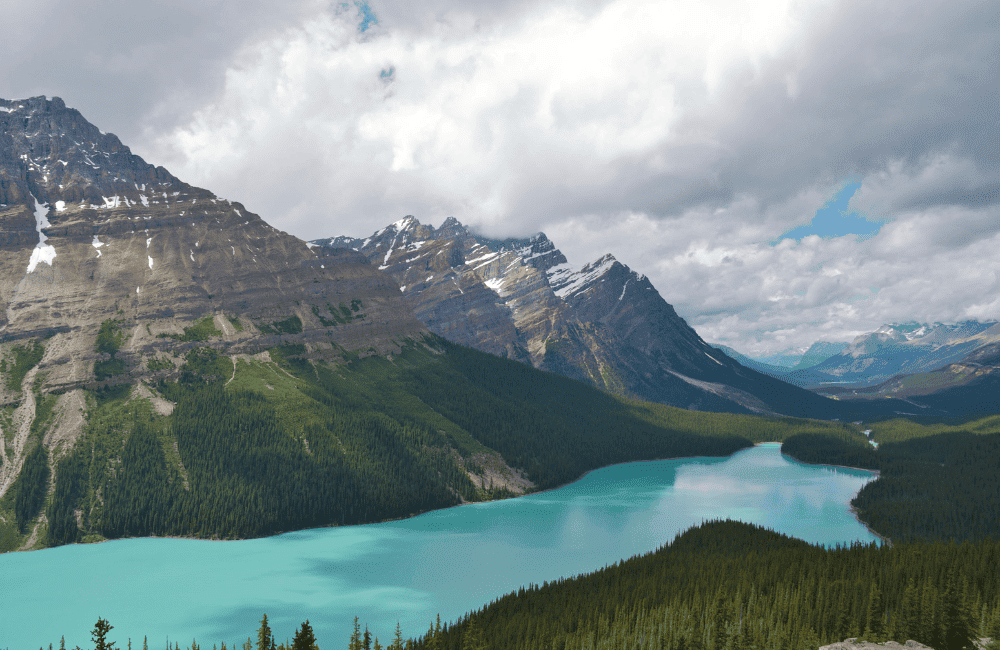
Peyto Lake
This lake features the famous Bow Summit Lookout, which offers breathtaking panoramic views of the lake and the surrounding valley. It is one of the most notable destinations in Banff National Park. The lake is famous for its shape, which some say resembles the head of a wolf, bear, or dog – though there’s still no consensus. Once again, its glacial origin gives it a vibrant turquoise hue. As a fun fact, Peyto Lake was named in honor of Bill Peyto, an Anglo-Canadian pioneer and one of Banff National Park’s first park wardens, who passed away in 1943.
Explore Heymondo’s article on hidden gems in Canada – uncover secret spots and off-the-beaten-path adventures.
Discover Canada with Heymondo Travel Insurance
Traveling internationally to Canada requires both a budget and careful planning. Visiting this country is a dream for many, and making it a reality can be a significant undertaking. To fully enjoy Canada’s beautiful landscapes, vibrant urban centers, and majestic national parks with peace of mind, it’s essential to have travel insurance.
Featured stories