Mexico remains one of the most popular international destinations for U.S. travelers. The country offers incredible cuisine, historic ruins, and world-class beaches. Reading the news about cartel violence and government travel warnings can make planning a trip feel overwhelming though, and we understand your concerns.
To help you plan a worry-free trip, we want to explain how a big part of safety depends on your destination and your choices. The situation at a gated resort in Quintana Roo is very different from a border crossing in Tijuana. We broke down the safety details by destination type to give you a clear picture.
Index
Understanding U.S. State Department Advisories
The U.S. Department of State issues an overall travel advisory for Mexico. It places the country at Level 2, meaning you should exercise increased caution. However, the government also provides a specific advisory for each Mexican state because safety conditions change depending on the region. Keep in mind that a security issue in a northern border town does not affect a tourist snorkeling in the Yucatan Peninsula over 1,500 miles away.
The government uses a four-level system. Level 1 means you take normal precautions. Level 4 is a strict warning not to travel to that specific area. States with major tourist hubs like Baja California Sur and Quintana Roo often sit at Level 2. To give you some perception; some popular European destinations receive this exact same rating. This rating means the area is safe for vacationers, but you need to watch out for petty crime, scams, and nightlife risks.
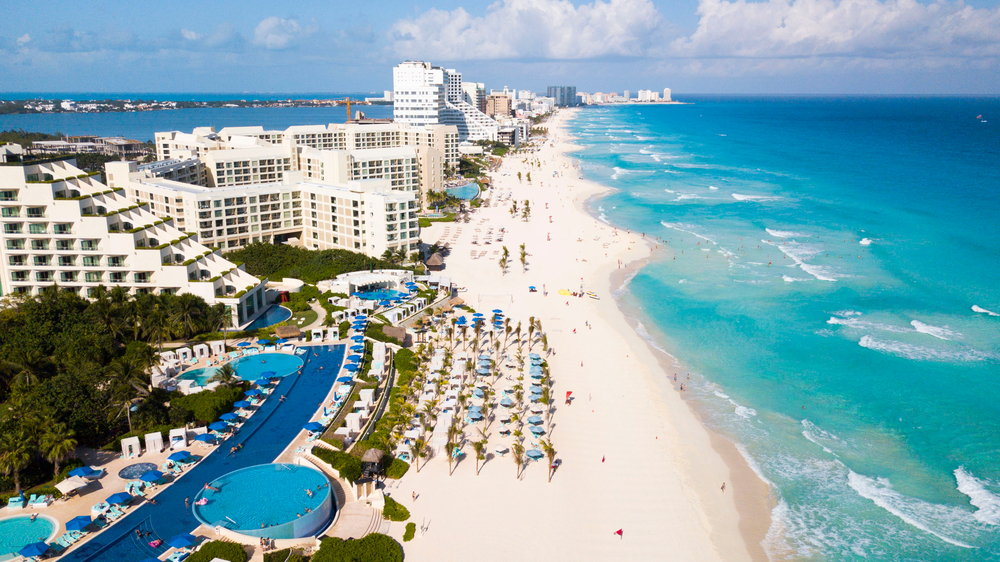
Safe Areas For Tourists Vs. High-Risk Zones
Most tourists visit regions where local authorities prioritize security. The tourism economy is vital, and they want to protect you. The Yucatan Peninsula is one of the safest regions in the country. This includes places like Merida and Valladolid. The neighboring state of Quintana Roo is home to Cancun, Playa del Carmen, and Tulum. This area is safe for tourists who stay in resort areas and avoid illicit drugs.
Safety Tip: When you travel to coastal areas, always use authorized airport taxis or trusted ride-sharing apps. Do not accept rides from aggressive salespeople at the arrival terminal.
Central hubs like Mexico City and Oaxaca are also safe. They operate like any major global city. You should practice standard urban safety.
On the other hand, the U.S. State Department warns against traveling to several border and interior states. These include Tamaulipas, Sinaloa, and Zacatecas. Leisure travelers have no reason to visit these high-risk areas. Plan your trip so you fly directly into your chosen tourist destination. Avoid long cross-border road trips.
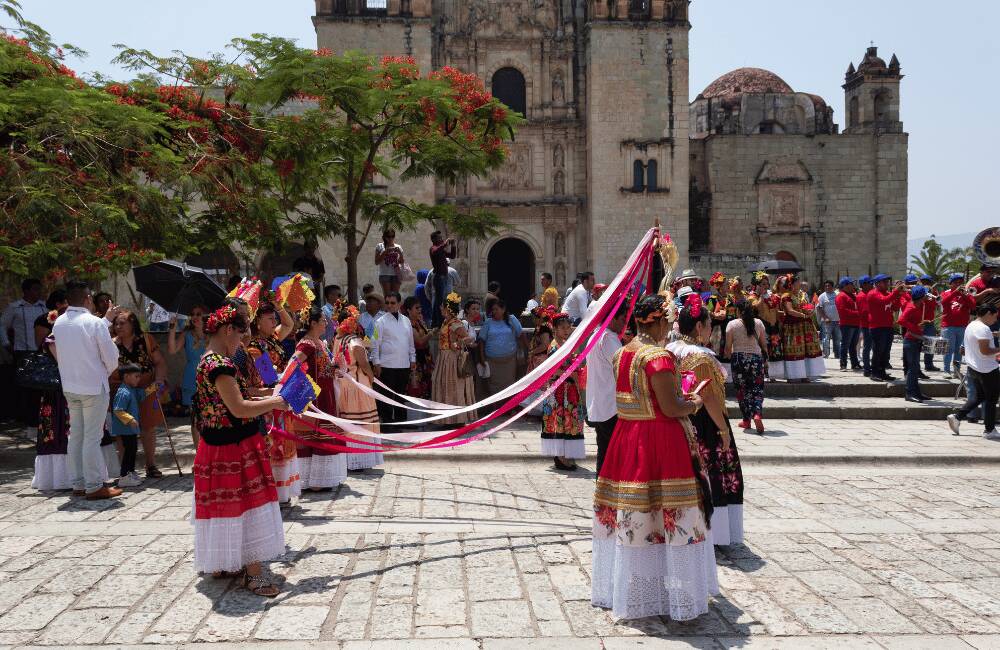
Top Travel Risks In Mexico (And How To Mitigate Them)
Violent crime rarely targets tourists. However, everyday travel hiccups and petty crimes do happen. Preparation is essential.
- Stick to toll roads known as cuotas if you rent a vehicle. Mexico’s Green Angels (Ángeles Verdes) tourist assistance and roadside mechanics fleet heavily patrols these well-maintained routes.
- Never drive between cities after dark. You want to avoid poor road conditions, wandering livestock, and potential criminal roadblocks.
- Withdraw Mexican Pesos from ATMs located inside secure bank branches or your hotel. Standalone street machines often have card skimming devices.
- Drink only bottled or purified water. Use it even when brushing your teeth. Local tap water introduces bacteria that cause severe stomach issues.
- Watch your bags and electronic equipment at the beach. Never leave them unattended or slung over the back of a chair at a cafe.
- Keep a digital copy of your U.S. passport and the entry stamp on your smartphone. Leave your physical passport locked in your hotel safe while you explore.
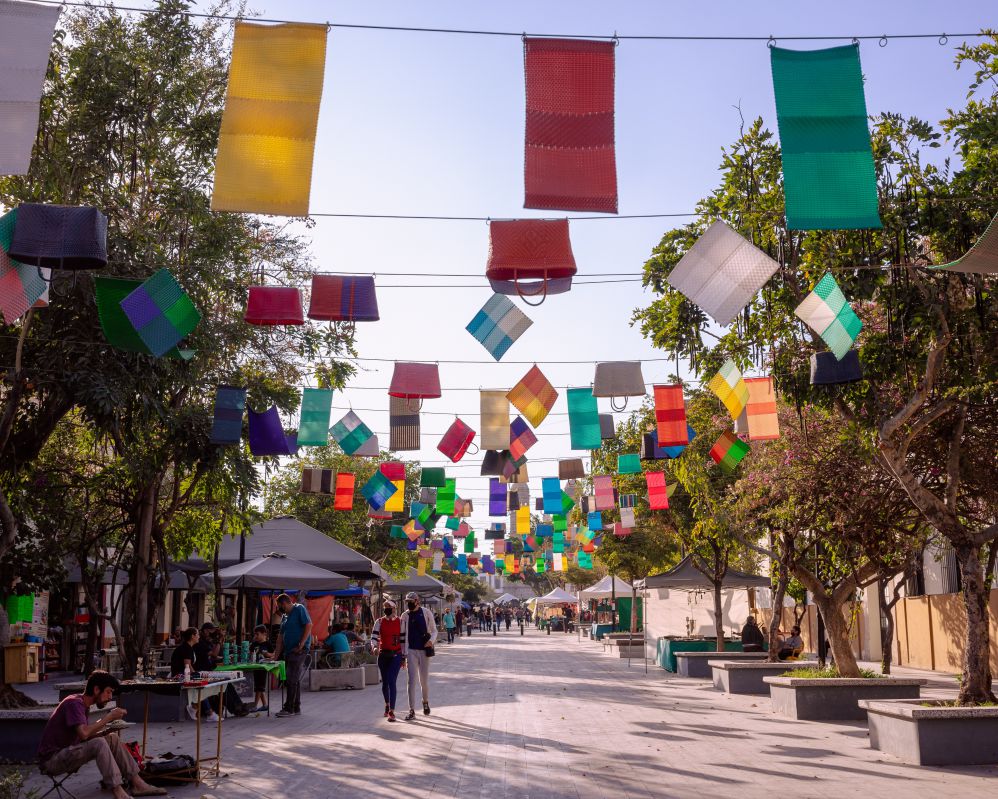
What We See In Claims
When our assistance team reviews incidents from U.S. travelers in Mexico, we see a few common patterns. We frequently handle cases for stomach bugs or minor scooter accidents.
Private healthcare facilities in resort towns are excellent. However, they operate as for-profit businesses. They routinely demand thousands of dollars as an upfront deposit before they admit or treat a patient. For covered medical emergencies, the policy can advance hospital fees abroad if the medical team authorizes it. You do not have to drain your personal savings to get through the emergency room doors.
We also see claims for stolen phones and cameras at crowded markets or beaches. The policy covers material losses due to theft when it involves personal violence, intimidation, or forced entry. Please remember; the coverage excludes petty theft where someone swipes an unattended bag without you noticing, so be careful with your belongings!
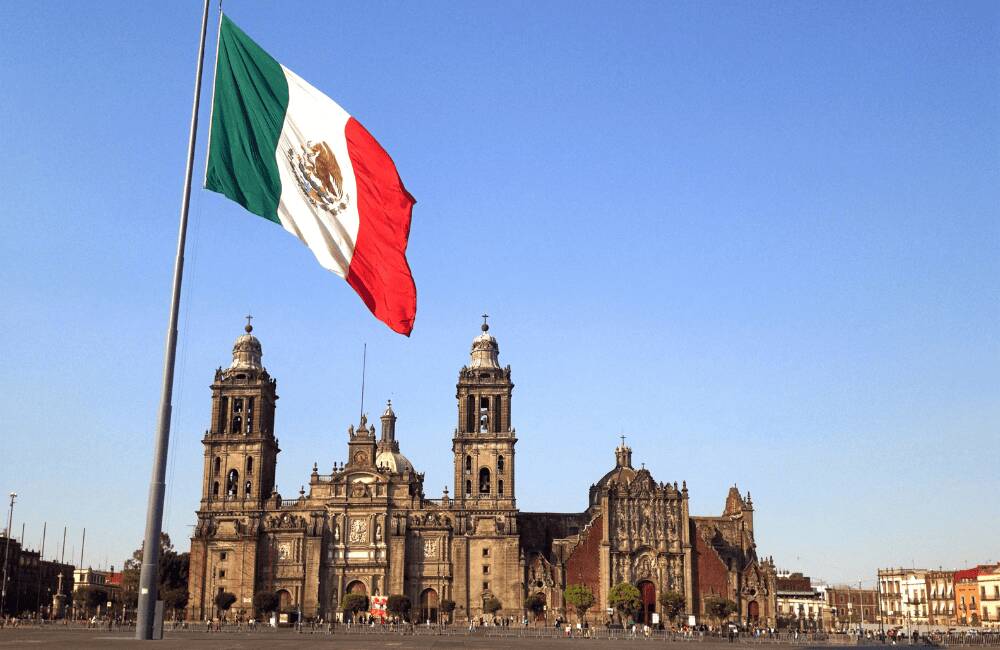
FAQs: The Practical Details
Can I Use U.S. Dollars Everywhere In Mexico?
Many large resorts and vendors in tourist corridors like Cancun and Cabo San Lucas accept U.S. dollars. However, you will get a poor exchange rate. We recommend paying in Mexican Pesos for small purchases, local restaurants, and taxis.
Does My U.S. Health Insurance Cover Me In Mexico?
Most standard U.S. health insurance plans provide zero coverage outside the United States. This includes Medicare and Medicaid. You are responsible for all medical bills from Mexican hospitals. Securing dedicated travel medical assistance before your departure is crucial.
What Happens If I Get Sick From The Food Or Water?
Stomach bugs are very common because of different bacteria in the food and water. If you require medical attention, the insurance provider covers medical, pharmaceutical, and hospitalization expenses for illnesses that occur during the trip.

Planning a trip to Mexico should be an exciting experience rather than a stressful one. We sincerely care about your peace of mind and are always ready to help you. You do not have to come looking for us to resolve an issue, because we are already right there with you. Just download the Heymondo travel assistance app before you pack your bags. Choose the insurance plan that best adapts to you, and let the adventure begin!
Featured stories