Last Update: August 2026
Summer in Italy means beach days in Sardinia, mountain hikes in the Dolomites, evening opera in Verona, or a few carefully planned days in Florence and Venice. However, it is also the busiest and hottest time of year. A great trip depends on choosing the right regions and confirming practical details before you leave.
This guide highlights destinations that work well between June and September. It includes 2026 updates from official tourism boards, heritage sites, transit providers, and event organizers. For more regional ideas, check the official Italia.it summer guide.
Index
When Is Summer in Italy?
The Italian summer runs from late May through September. Conditions vary a lot. Rome and Florence can be intensely hot. Coastal spots get humid and crowded, while mountain areas stay cooler but can see rapid weather changes.
- June: Long days, warm weather, and growing crowds. This month is often more comfortable than July or August for city tours and active trips.
- July and August: Peak heat and high demand. You need to book high-profile museums, ferries, coastal hotels, and mountain refuges well in advance.
- Ferragosto: August 15 is a major public holiday. Coastal resorts fill up, and some independent city businesses might close for vacation.
- September: Warm sea temperatures usually last, but city sightseeing and hiking become more comfortable after the peak summer weeks.
2026 Travel Tip: Many iconic spots, including Venice and the Cinque Terre, have now fully integrated entry fees and pre-booking systems for day-trippers. Always check official local apps before arriving to secure your entry.
Is Italy Worth Visiting in the Summer?
Yes, as long as your itinerary matches the season. Summer is great for islands, lakes, mountain areas, outdoor festivals, and long evenings. However, it is not the best time for a rushed tour of several major cities.
| Pros | Cons |
| Vibrant atmosphere & outdoor festivals | Intense heat in July and August |
| Perfect beach weather in Sardinia & Sicily | Higher accommodation rates |
| Extended daylight for sightseeing | Large crowds at major monuments |
How to Make Summer Travel Easier
- Book 6 months ahead: To avoid missing out, reserve your hotels and popular attractions several months early. This is especially true for Positano, Florence, or Taormina.
- Head north: If the southern heat gets too intense, Trentino and the Dolomites offer crisp mountain air and incredible hiking trails.
- Stay hydrated: Bring a reusable bottle. You can refill it at Rome’s famous nasoni drinking fountains, which provide fresh, free water.
What to See in Italy in Summer 2026?
Italy offers a wonderful variety of choices. Whether you want sun-drenched sand, high Renaissance culture, or a deep dive into culinary traditions, here are the top suggestions for your 2026 summer trip.
Sardinia
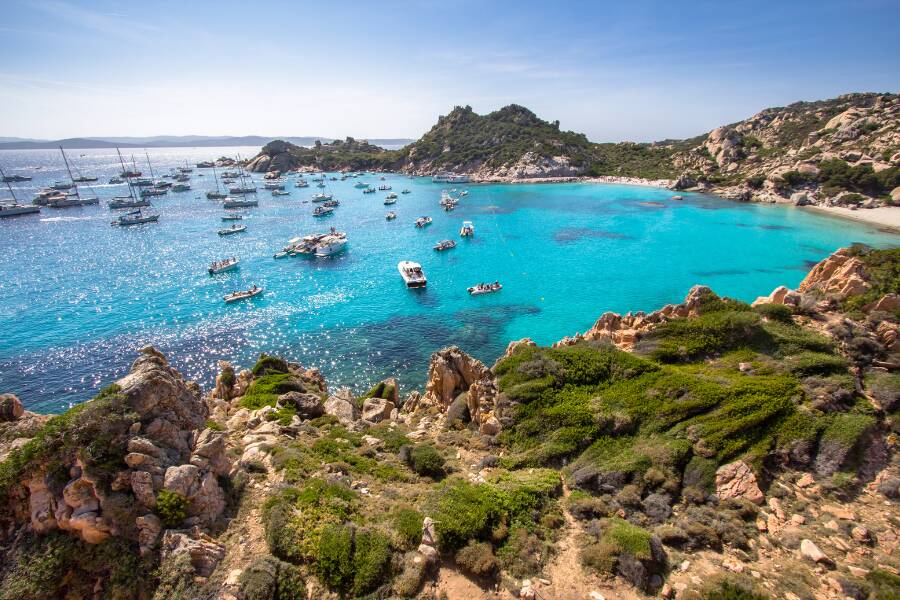
Sardinia is a fantastic summer choice for clear water, coastal drives, sailing, snorkeling, and amazing regional food. The northeast features the famous Costa Smeralda, while the south, west, and interior offer a quieter, less resort-focused vibe.
- Beaches: The Costa Smeralda remains a paradise for sunbathers and sailors. The water here is so clear it looks like glass, making it perfect for snorkeling and diving.
- Interior: Beyond the coast, the Gennargentu National Park provides rugged hiking trails. You can also explore the mysterious Nuraghe. These strange stone dwellings have stood for thousands of years and highlight Sardinia’s ancient history.
- 2026 Summer Event: Time in Jazz runs from August 11 to 15. This leading jazz festival features concerts in villages, vineyards, and beautiful outdoor settings across northern Sardinia.
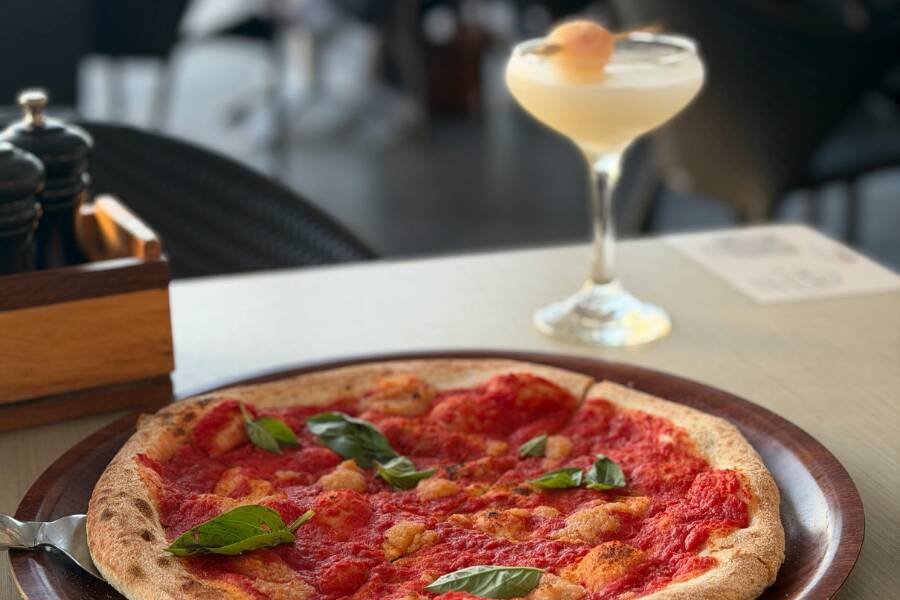
- Food: Make sure to try the porcheddu (roast suckling pig) and the crisp pane carasau (shepherd’s bread), paired with a chilled glass of Vermentino wine. bread), paired with a chilled glass of Vermentino wine.
Trentino & The Dolomites
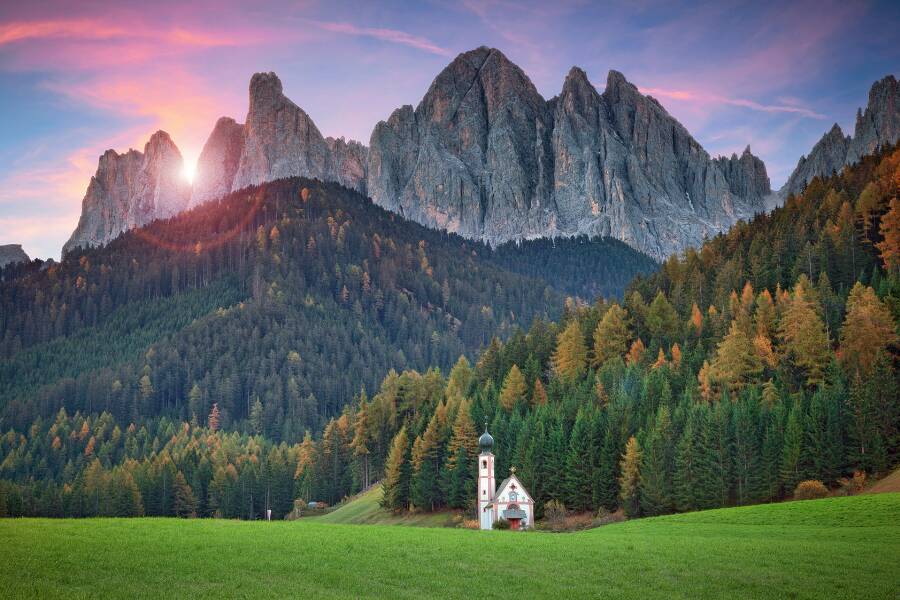
The Dolomites are a UNESCO World Heritage Site and serve as a perfect summer alternative to the coast. Hiking, via ferrata routes, mountain lifts, lakes, and rifugios make this region ideal for active travelers.
- Hiking: Always check route difficulty, lift schedules, afternoon storm forecasts, and hut availability. A famous trail might not suit every traveler.
- Lakes and towns: You can easily combine mountain hikes with visits to Lake Molveno, the northern shore of Lake Garda, Trento, and Rovereto.
- 2026 event: The official program for I Suoni delle Dolomiti runs from August 24 to October 3.
- Culture: Explore Trento and Rovereto to see a blend of Italian and Austrian influences in both the architecture and the hearty mountain food.
Sicily
Sicily blends archaeological sites, Baroque towns, volcanic landscapes, beaches, and rich food traditions. It gets incredibly hot in midsummer, so avoid planning full days of walking through exposed ruins without a break.
- History: The Valley of the Temples in Agrigento and the Roman mosaics of Villa Romana del Casale are essential stops for history lovers.
- Mount Etna: Conditions can change quickly on an active volcano. Stick to authorized routes and guides, and check the official Etna Park updates before heading up.
- 2026 Theater Season: The classical season at Syracuse’s Greek Theatre wrapped up on June 28. Confirm current productions and future dates with Fondazione INDA.
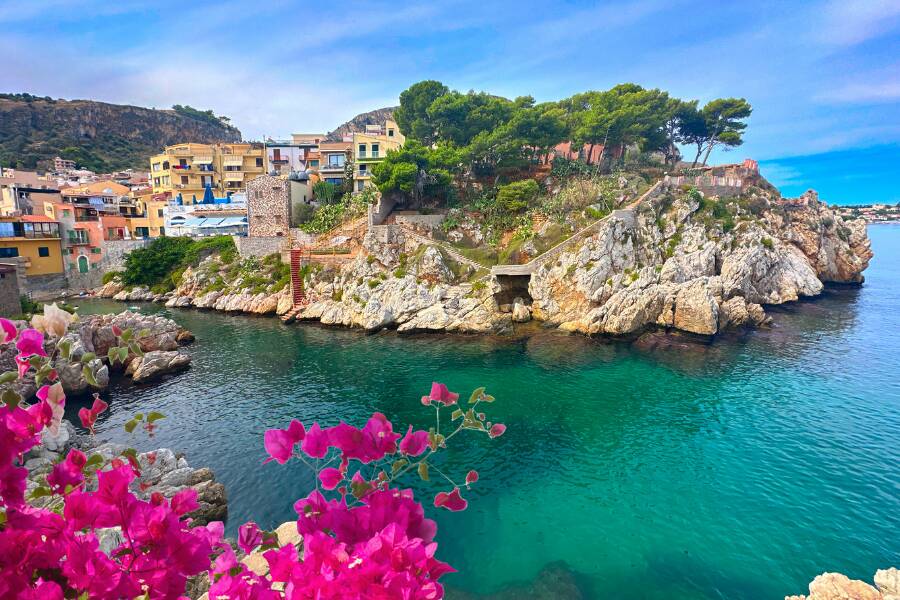
Lake Como
Lake Como shines in the summer, but its narrow roads, ferry lines, and limited parking require solid planning. Taking a train and then a ferry is usually easier than driving between the popular towns.
- Best-known stops: Varenna, Bellagio, Menaggio, Como, and the Lecco side each provide different transit options and local vibes.
- Architecture: Visit Villa del Balbianello to see the absolute peak of Italian garden design.
- 2026 Summer Event: The Festival di Bellagio e del Lago di Como offers a summer-long series of classical music concerts hosted in the lake’s historic villas.
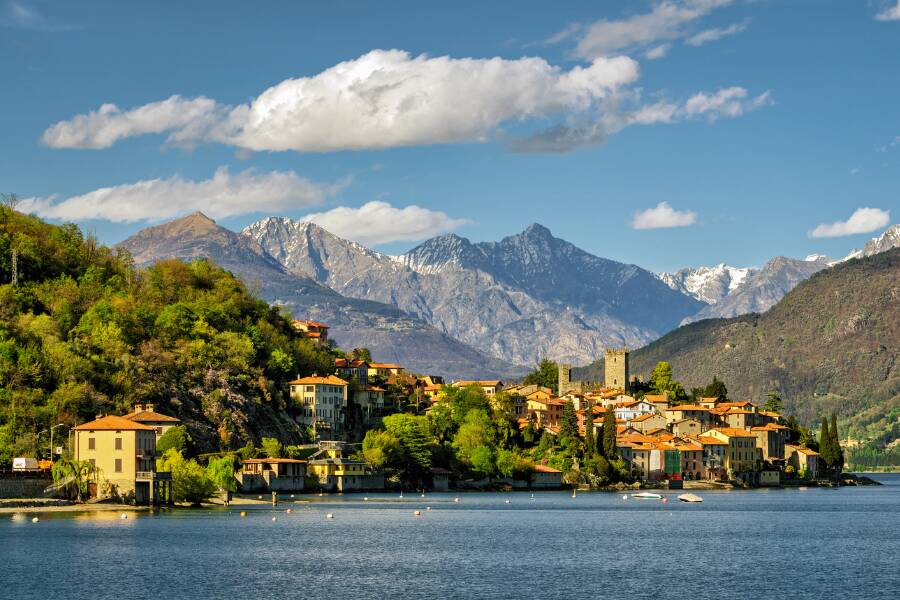
Tuscany
Tuscany is best enjoyed when you choose between a city-based trip and a countryside road trip. If you want to do both, give yourself plenty of time. Packing Florence, Siena, Lucca, the Val d’Orcia, Chianti, and the Maremma coast into a rushed schedule will not work well.
- Countryside: A car is useful for small villages and rural accommodations, but historic centers often have restricted traffic zones. Verify parking rules before entering.
- Palio di Siena: This famous race takes place on July 2 and August 16. The official Visit Siena guide covers access and timing, as the central square gets packed.
- Food festivals: Summer brings local food festivals known as sagre. These events celebrate specific local ingredients like truffles, wild boar, or handmade pasta.
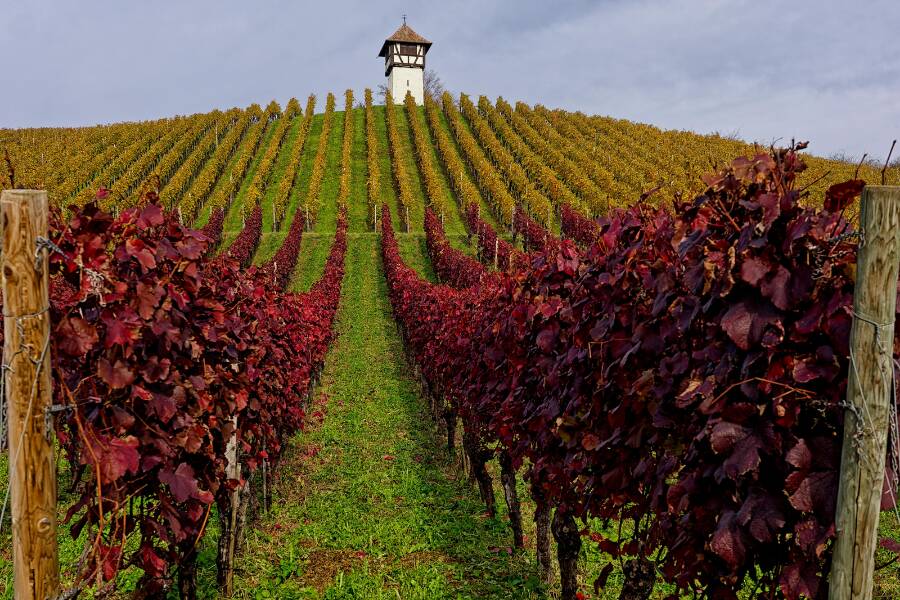
Puglia
Puglia features whitewashed towns, olive groves, Adriatic and Ionian beaches, Baroque architecture, and a slower pace. A car is very helpful outside the main train routes, but parking gets tough in coastal towns during August.
- Alberobello: The trulli are part of a UNESCO World Heritage Site. Since many are private homes or active businesses, please visit them respectfully.
- Coast: Polignano a Mare, Monopoli, the Gargano Peninsula, and the Salento coast offer very different beach experiences.
- Summer Event: La Notte della Taranta happens in August. This massive touring festival finishes in Melpignano and celebrates pizzica music, a fast and hypnotic folk dance.
- Lecce: Known as the Florence of the South, this city features stunning Baroque buildings carved from golden limestone that glows beautifully at sunset.
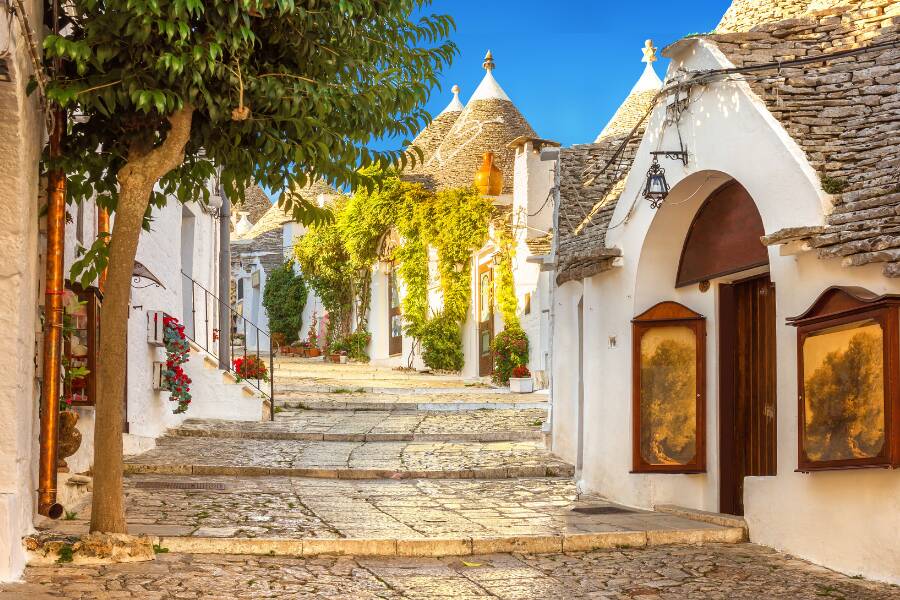
Florence
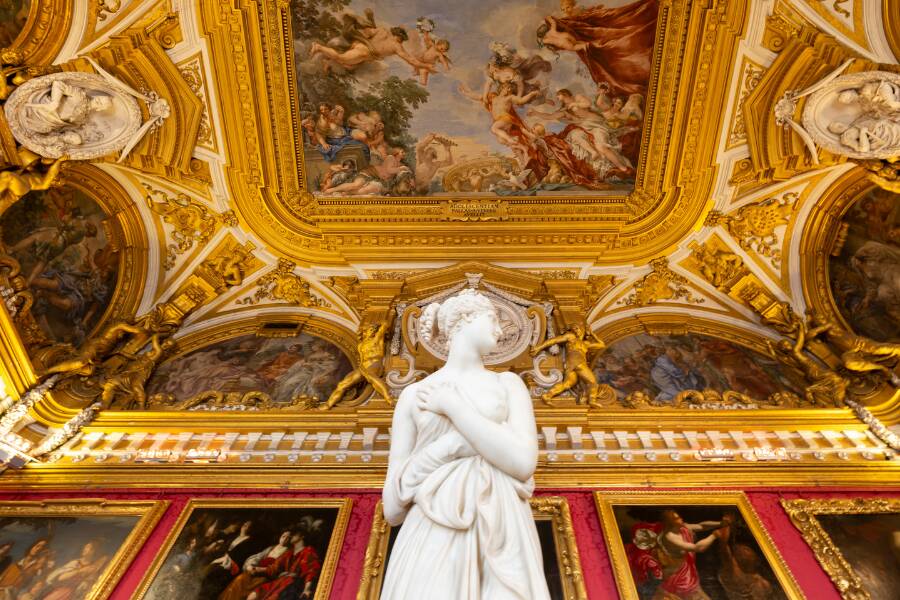
Florence is highly rewarding in summer if you book museums in advance and plan outdoor walks around the heat. The historic center is compact, but the mix of heavy crowds, stone streets, and high temperatures can make overly packed days exhausting.
- Vasari Corridor: You can walk this corridor through a timed, one-way route from the Uffizi toward the Pitti Palace. Read the official access rules before buying tickets.
- Museums: Reserve your spots at the Uffizi and Accademia early. Leave plenty of free time to wander neighborhoods, markets, churches, and viewpoints.
- 2026 Evening Openings: Calcio Storico Fiorentino takes place in June. This ancient, intense sport mixes football and wrestling in historic costumes at Piazza Santa Croce.
The Amalfi Coast & Capri
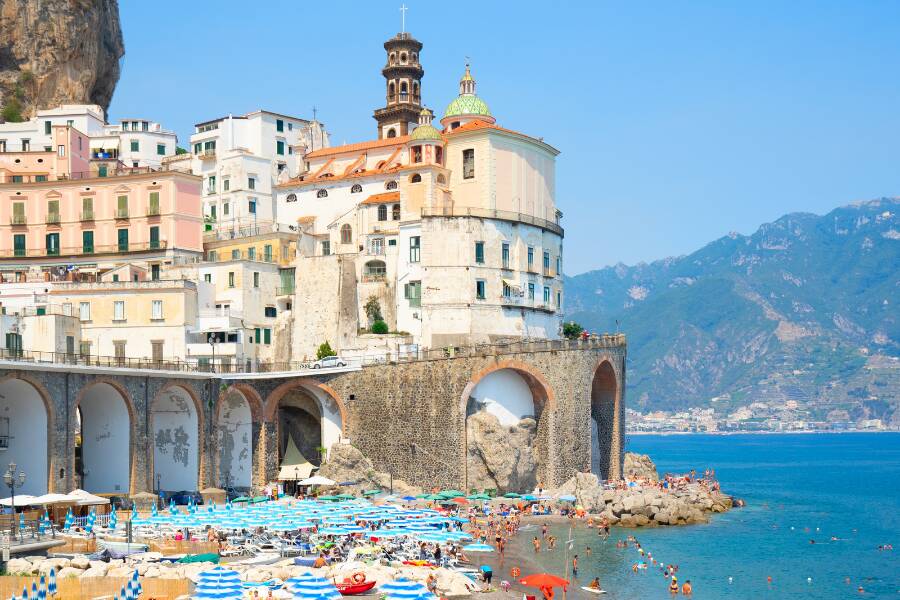
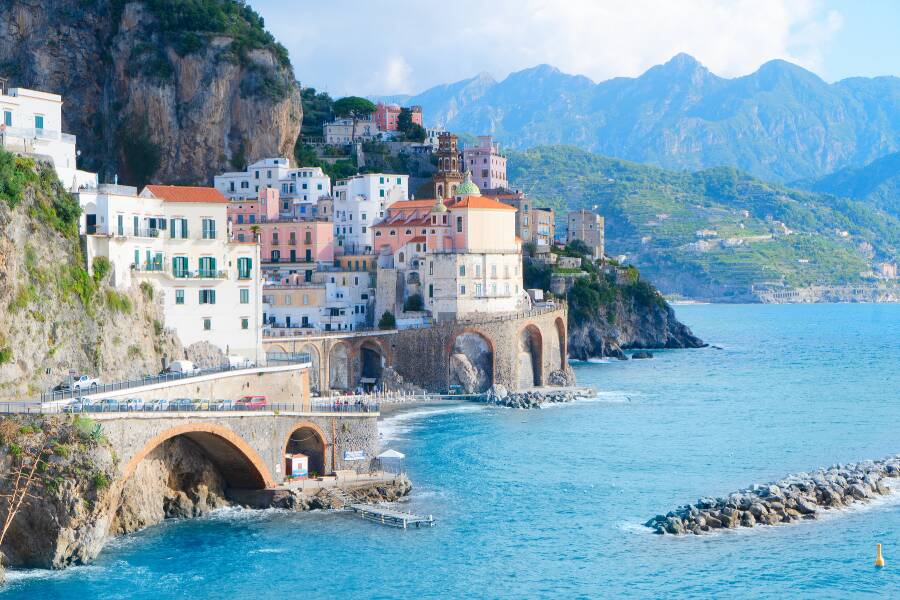
The Amalfi Coast peaks in popularity during the summer. Ferries help you skip road traffic, but schedules depend on the weather. Be prepared for stairs, long lines, and luggage limits at the ports.
- Choose the right base: Positano looks dramatic but is steep and expensive. Amalfi has great ferry connections, while Ravello is quieter and sits high above the water.
- Capri: Take a ferry to Capri to visit the Blue Grotto and browse the designer boutiques.
- 2026 Summer Event: The Ravello Festival happens in the gardens of Villa Rufolo. The stage looks like it floats over the Mediterranean, making it an incredible place to hear live music.
Manarola and the Cinque Terre
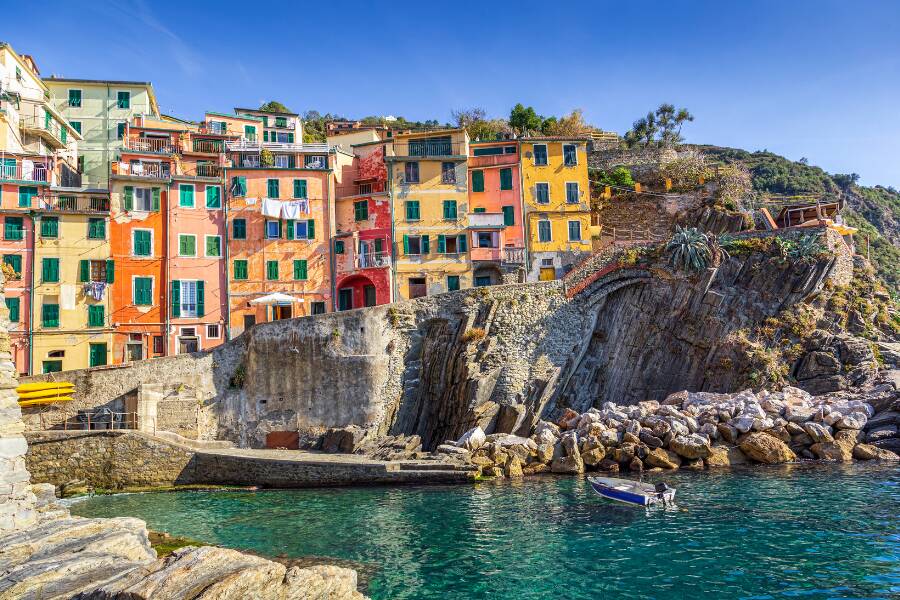
Cinque Terre is a national park and a lived-in coastal area rather than a single attraction. A good visit depends on trail conditions, train space, the heat, and knowing there will be crowds.
- Hiking: Some parts of the Sentiero Verde Azzurro require a Cinque Terre Trekking Card. Trails can open or close based on weather, trail work, and crowd management.
- Via dell’Amore: Access is tightly limited and requires a reservation. Always buy your pass through the official park card system instead of an unofficial seller.
- Swimming: Never jump from rocks or harbor walls. Fast-changing conditions, boat traffic, and local rules can make seemingly calm water dangerous.
Verona
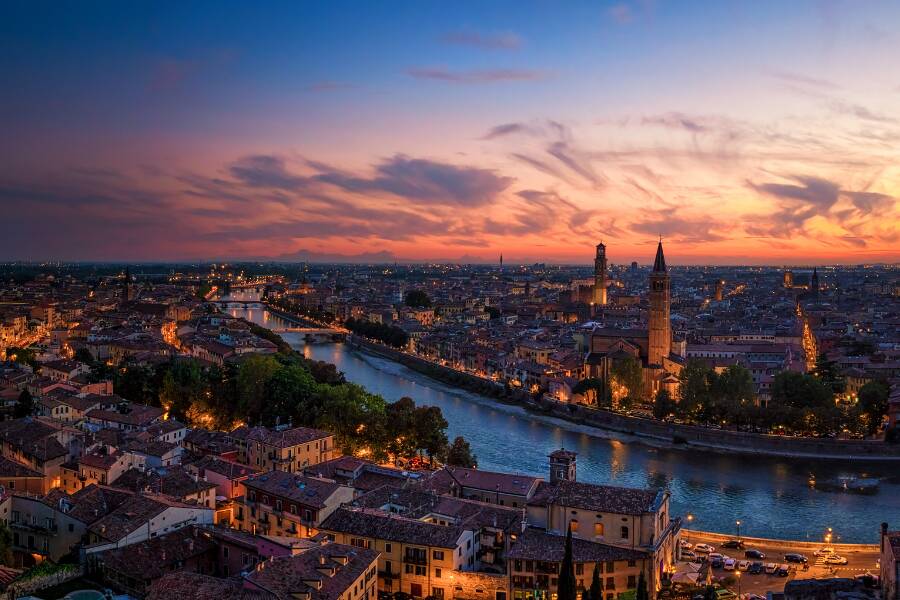
Verona often gets overshadowed by Venice, but it belongs on a summer itinerary. Known for Shakespeare’s Romeo and Juliet, the city also holds one of the best-preserved Roman arenas in the world.
- Arena di Verona: The huge amphitheater hosts the 103rd Arena di Verona Opera Festival from June 12 to September 12, 2026.
- Plan for the evening: These performances run long and sit entirely outdoors. Look up prohibited items, weather policies, and start times before you go.
- Beyond Juliet: Make time for Castelvecchio, Piazza delle Erbe, the Roman Theater, and a walk along the Adige River.
How Hot Is It in Italy in the Summer?
Italy does not have just one temperature range. During July and August, daytime highs in Rome, Florence, Bologna, and inland southern areas often reach the upper 80s or 90s °F. Heatwaves can push temperatures above 100°F. Coastal areas might feel slightly cooler but pack more humidity. Mountain weather can flip from warm sunshine to cold rain in just a few hours.
Treat extreme heat as a serious health issue. Follow local warnings, carry water, find shade, take air-conditioned breaks, and skip heavy activity during the hottest parts of the day. The European Commission’s heat-safety guidance offers solid, practical advice.
6 Essential Travel Tips for 2026
- Plan each day around the heat: Visit exposed archaeological sites, viewpoints, and historic centers early in the morning. Use the nasoni fountains in Rome and other cities for ice-cold, free, high-quality water.
- Reserve through official channels: High-demand museums, ferries, festivals, Venice access passes, and Cinque Terre trails all use different booking systems. Always check the exact local rules rather than trusting a general travel app.
- Understand train-ticket validation: Digital Trenitalia regional tickets activate automatically at your scheduled departure time. Paper regional tickets still need to be validated before you board. Check the official regional train rules and use the Trenitalia app for live journey information.
- Pack for churches, cobblestones, and beaches: Bring comfortable shoes, sun protection, and a light layer for air-conditioned rooms. You must cover your shoulders and knees to enter churches. Keep beachwear strictly at the waterfront.
- Check entry procedures before departure: U.S. citizens can usually visit Italy for up to 90 days without a visa, but passports must meet Schengen validity rules. The EU Entry/Exit System is now fully operational across all Schengen external borders. ETIAS is expected late 2026 and is not an advance requirement for summer travel. Read the latest U.S. guidance for travelers in Europe and the current Italy travel advisory.
- Consider travel insurance before departure: Summer travel involves nonrefundable bookings, tight transit connections, and outdoor activities. Travel insurance can assist with eligible medical emergencies, baggage issues, or trip delays. Check coverage limits and pick a plan that fits your trip.

Make the Most of Summer in Italy
Summer in Italy rewards travelers who plan practical details early but leave room for a slower pace. Choose a realistic route, book limited-capacity tickets in advance, and avoid scheduling every single hour. This approach leaves you plenty of time for evening walks, local food, relaxing beaches, and the spontaneous moments that turn into the best parts of your trip.
Featured stories