Last Updated: August 2026
Italy is easy to fall in love with, but it can be surprisingly frustrating to navigate if you don’t know how the local systems work. Moving from medieval hilltop towns to high-speed rail lines takes a bit of planning, and small logistical mistakes, like missing a ticket validation, can cost you real money.
To help you avoid those headaches, this guide breaks down real daily budgets, train navigation, and the regional quirks that actually shape a trip through Italy.
Index
Navigating Italy on a Budget: Trains, Buses, and Validation Rules
Italy’s train network is extensive and budget-friendly, but you need to know which train type you’re booking so you don’t overpay.
For long distances between major cities, such as traveling from Milan to Florence or Rome to Naples, high-speed trains like Frecciarossa (operated by Trenitalia) and Italo are fast and comfortable. Booking these tickets 2 to 4 weeks in advance can save you over 50% compared to base fares.
For smaller towns, regional trains (Regionale) offer low, fixed prices that do not change close to departure.
Traveler Tip: the single most important rule for regional trains (Regionale) is, if you buy a physical paper ticket at a station machine, you must stamp it in one of the small green or yellow validation boxes on the platform before stepping onto the train. Conductors do not care if you genuinely didn’t know; an unstamped ticket means an immediate fine starting at €50.
If you purchase digital regional tickets through the app, ensure you complete the check-in process online before the scheduled departure time. For ultra-budget connections or routes across rural regions, long-distance buses like FlixBus provide reliable alternatives.
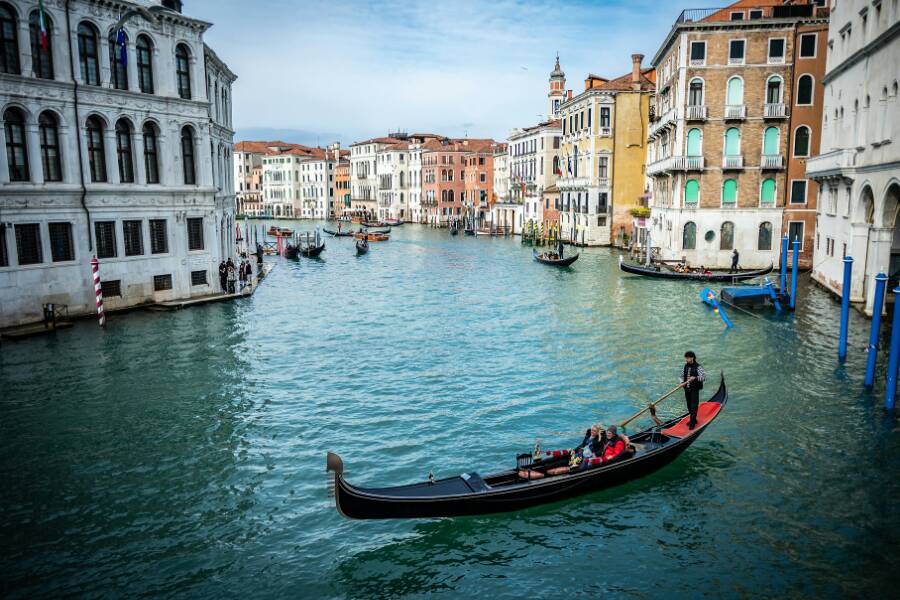
Regional Routes: Balancing the North, Center, and South
Italy’s regions vary significantly in pace, terrain, and daily costs. Structuring your itinerary around complementary regions helps manage both your daily budget and travel time.
The Classic Central Circuit
- Route: Rome → Florence → Bologna → Venice
- Pace: Fast-paced, cultural, high density of sights.
- Budget Expectation: $80–$130 USD per day.
This route connects Italy’s iconic historical centers. Hostels and dining near major landmarks carry higher prices, but venturing a few blocks off the main tourist plazas reveals local trattorias serving classic regional dishes at half the price.
The Southern & Island Route
- Route: Naples → Salerno / Amalfi Coast → Bari / Puglia → Sicily
- Pace: Relaxed, coastal, food-focused.
- Budget Expectation: $55–$90 USD per day.
Southern Italy offers exceptional value for travelers. Street food culture thrives in cities like Naples and Palermo, where a fresh pizza a portafoglio or panelle sandwich costs around $3–$5 USD. Transportation moves at a slower pace, making regional buses and coastal ferries the primary way to get around.

From the Heymondo Claims Team: What We See on Italian Routes
From our claims data at Heymondo, the vast majority of travel disruptions in Italy aren’t major disasters, they’re mundane problems. Think distraction theft at chaotic hubs like Rome Termini, or rolled ankles on the slippery cobblestones of Florence.
Our advice: Keep your primary passport, backup credit cards, and excess cash in a secure inner pocket or neck pouch while navigating busy train stations, and carry a digital copy on your phone for everyday identification.
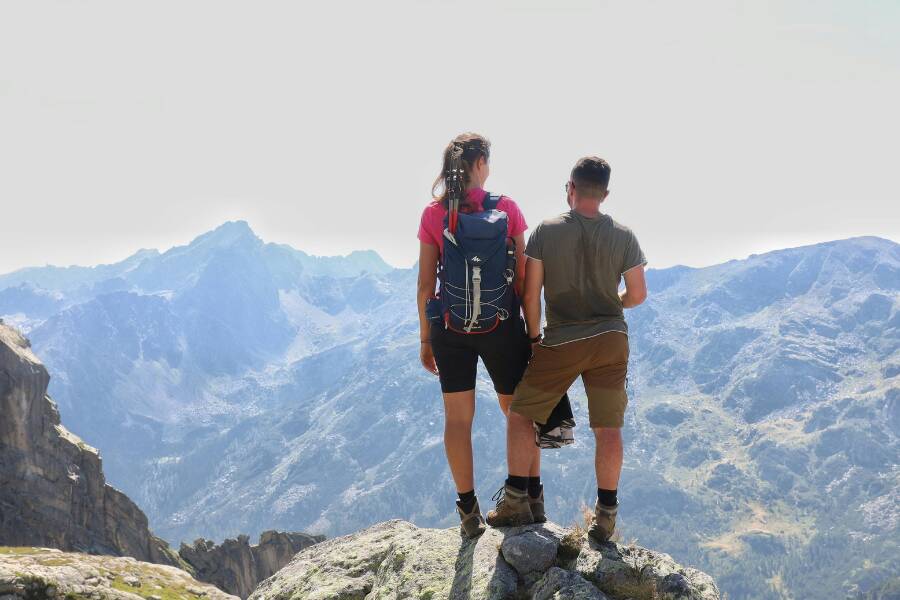
Active Backpacking & Outdoor Safety: Hiking the Cinque Terre & Dolomites
Beyond city centers, Italy features world-class hiking trails, from coastal cliff paths to alpine ridges.
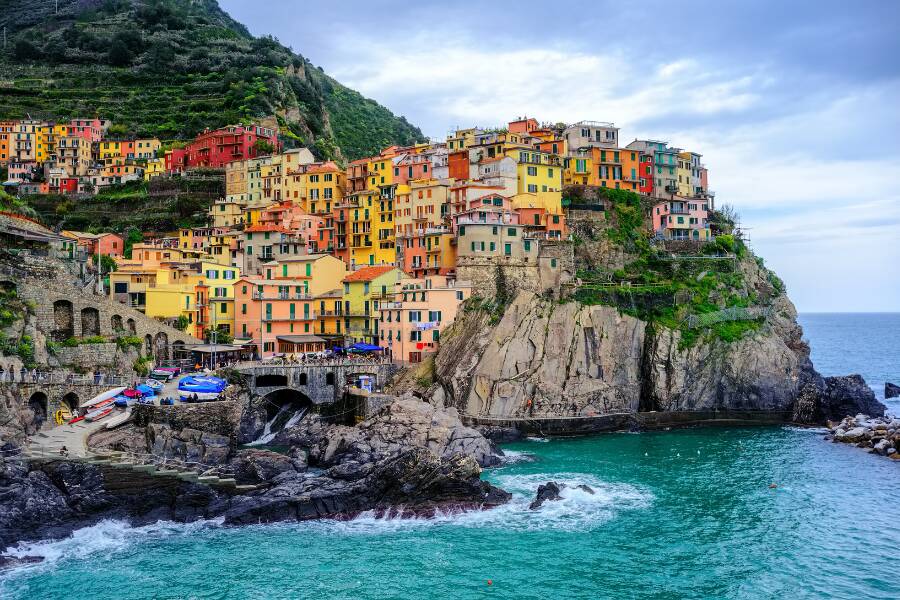
- Coastal Trails (Cinque Terre & Amalfi): The Sentiero Azzurro in Cinque Terre and the Path of the Gods (Sentiero degli Dei) near Amalfi offer stunning Mediterranean views. Wear sturdy trail shoes rather than casual sandals; park authorities in Cinque Terre enforce strict footwear regulations on open trails to prevent injuries.
- Alpine Treks (Dolomites): High-altitude routes around Tre Cime di Lavaredo or Seceda require proper layers and route planning. Summer weather in the mountains can shift rapidly from clear sunshine to severe afternoon thunderstorms.
Safety Tip: Standard travel policies cover general sports and hiking under 9,800 feet (3,000 meters) of altitude. If your backpacking route includes technical climbing or higher altitude trekking, verify your policy extensions before setting out.
U.S. Traveler Checklist: Visas, Currency, and Travel Protection
A few practical logistics to double-check before flying from the U.S.:
- Entry & Visa Requirements: U.S. passport holders can travel visa-free in the Schengen Area for up to 90 days. Just make sure your passport is valid for at least three months beyond your exit date, and keep an eye out for the upcoming ETIAS rollout in late 2026.
- Currency & Payments: Italy uses the Euro (EUR). While credit cards are widely accepted in urban areas, small bakeries, mountain huts, and public restrooms often require small cash amounts.
- Health & Insurance: Most U.S. health insurance won’t cover you abroad. Medical bills for non-residents in Italy add up quickly, so grabbing a travel policy that covers medical care and clinic visits keeps you from paying unexpected expenses out of pocket.
Practical FAQs for Backpacking Italy
What is the best month to go backpacking in Italy?
May, June, September, and October are the sweet spots, you’ll get great weather and open trails without the massive summer crowds. July and August bring extreme summer heat and peak room rates across coastal areas.
Do I need to book Italian train tickets in advance?
High-speed trains (Frecciarossa and Italo) require advance reservations and offer significantly cheaper fares when booked early. Regional trains have fixed pricing, so tickets can be purchased at station kiosks or via mobile apps right before travel.
Featured stories