Last Update: August 2026
Copper Canyon, or Barrancas del Cobre, is a vast system of canyons in the Sierra Tarahumara of northern Mexico. The landscape is dramatic, but the journey is about more than viewpoints: it also includes mountain towns, railway engineering, and the living culture of the Rarámuri communities who have inhabited the region for generations.
The best-known way to experience the area is aboard the Chepe Express, a scenic passenger train linking Los Mochis, Sinaloa, with Creel, Chihuahua. This guide explains the route, the most useful stops, seasonal conditions, booking details, and the safety information U.S. travelers should review before planning a trip.
Index
What Is Copper Canyon Known For?
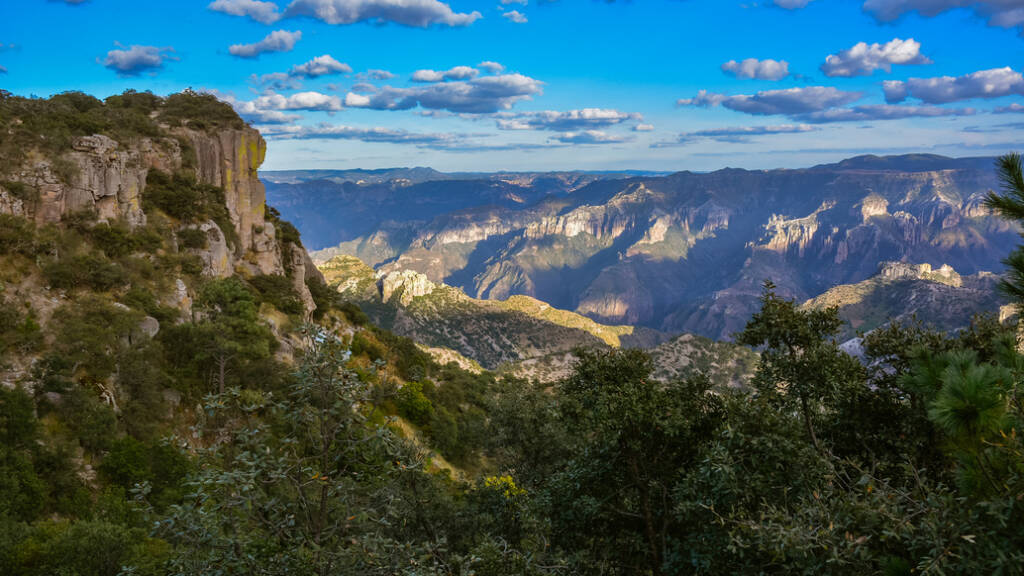
Copper Canyon (Barranca del Cobre) is a network of vast canyons in northern Mexico, stretching as far as the eye can see. The region derives its name from the copper-green hue of the canyon walls and is popular for hiking, mountain biking, and zip-lining. Some even call it the “Grand Canyon of Mexico,” but it is a series of six separate canyons with a combined length four times bigger than its neighbor up north. This distinction, combined with its spectacular landscapes and opportunities for outdoor adventure, makes Copper Canyon a fascinating destination worth visiting.
How to Visit Copper Canyon on the Chepe Express
The Chepe Express travels more than 350 kilometers (about 220 miles) between Los Mochis and Creel in roughly nine to ten hours when ridden without overnight stopovers. The scenic passenger route serves five destinations: Los Mochis, El Fuerte, Bahuichivo, Divisadero, and Creel.
The historic railway is much larger than the present tourist route. Its construction required 86 tunnels and a large system of bridges across difficult mountain terrain. The most memorable scenery is concentrated between El Fuerte and Creel.
For 2026 departures, consult the official Chepe Express schedule before buying flights or hotels. Services run in opposite directions on different days, and selected departures do not operate during some lower-demand months. Sinaloa and Chihuahua may also observe different local times, so read the timetable carefully.
The Best Stops Along the Route
- Los Mochis: The western terminal and the most convenient starting point for travelers arriving by air. Many itineraries continue quickly to El Fuerte rather than spending several days in the city.
- El Fuerte: A historic town with a walkable center, regional food, and strong Yoreme cultural traditions. It works well as the first overnight stop before the train enters the mountains.
- Bahuichivo and Cerocahui: Bahuichivo is the rail station; Cerocahui is the nearby village where most travelers stay. This stop gives access to Urique Canyon viewpoints, vineyards, and hiking routes.
- Divisadero: The classic canyon-view stop and the location of Parque Barrancas. The state tourism authority confirmed that the cable car, ZipRider, and seven-zip-line circuit reopened after maintenance in 2025. Check current operations before traveling.
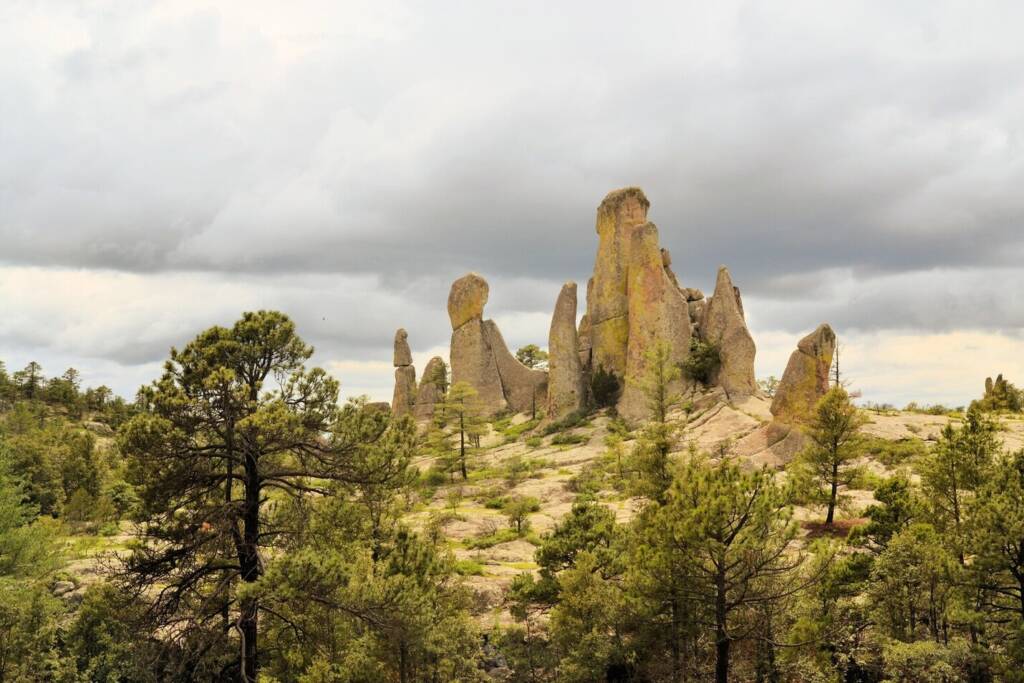
- Creel: The eastern terminal of the Chepe Express and a useful base for the Valley of the Monks, Lake Arareko, waterfalls, and nearby Rarámuri communities. The Chihuahua tourism office describes Creel as the gateway to the Sierra Tarahumara.
What is the best time to visit?
There is no universally best month because the route crosses major differences in altitude. Los Mochis can be warm while Creel and Divisadero are cold enough for snow. Choose the season based on the landscape and activities you prefer.
- March to June: Generally drier, with pleasant daytime conditions in the highlands and the canyons showing their characteristic copper and reddish tones.
- July and August: The rainy season turns the landscape green and strengthens seasonal waterfalls. Heavy rain can affect roads, trails, and visibility.
- September and October: Green scenery may continue, with cool conditions at elevation and a continued chance of rain.
- November to February: Cold in Creel and Divisadero, with possible snow. Winter scenery can be beautiful, but travelers need warm clothing and should allow for weather-related delays.
Chepe Express provides an official seasonal clothing and luggage guide. Even during warmer months, carry a jacket because temperatures can drop quickly in the mountains.
Mobile service and Wi-Fi can be unreliable in the mountains and on the train. Download tickets, hotel details, maps, and important phone numbers before departure. Carry enough Mexican pesos for smaller towns and onboard purchases.
How to Book the Chepe Express
Buy tickets only through Chepe’s official website or the sales channels listed in its terms and conditions. The operator warns that it is not responsible for purchases made through unrelated websites.
- Book early: The official FAQ recommends purchasing as early as possible, generally one to three months ahead depending on the season. Tickets may be sold up to 364 days in advance.
- Plan stopovers before purchase: Intermediate stops must appear on the ticket. Changes after purchase may involve fees or availability limits.
- Match the passenger name to the ID: The name on the ticket must match the traveler’s official photo identification.
- Arrive early: Passengers should be at the station at least one hour before departure.
Is the Copper Canyon in Mexico Bigger Than the Grand Canyon?
The Copper Canyon in Mexico is often called the “Grand Canyon of Mexico.” Figuratively speaking, it makes sense, but in reality, Copper Canyon is a series of six separate canyons with a combined length four times bigger than its counterpart in the United States. Each canyon in the Copper Canyon system has its own distinct beauty and character. You may enjoy the breathtaking views from the towering walls of Urique Canyon. Or even appreciate a stroll through the lush valleys of Batopilas Canyon. Either way, each segment of the intricate canyon network has its unique charm and allure.
For those willing to explore its magnificent landscapes and rich culture, Copper Canyon is a destination that promises a worthwhile experience. Remember to create an itinerary of the activities and spots you would like to explore. You should also factor in the timing of your trip to help you pack adequately for your needs. Copper Canyon’s grandeur and charm await, promising memories that will last a lifetime.
Is Copper Canyon Safe to Visit?
The tourist route of the Copper Canyon remains safe for travelers in 2026. Before booking, read the current U.S. Department of State advisory for Mexico in full, including the state-specific restrictions. Conditions can change after publication.
- Use established transportation and reputable accommodations or tour operators. Avoid improvised rural travel plans and do not drive between towns after dark.
- Share the itinerary with someone you trust. Keep offline copies of documents and know how to contact local emergency services and the nearest U.S. consular office.
- Respect local communities. Ask before photographing people, purchase crafts directly from local makers where possible, and use guides who work responsibly with Rarámuri communities.
Heymondo Claims Desk Tip
A common problem on routes like Copper Canyon is not a major emergency, but a small setback that affects the rest of the itinerary. Think of a rolled ankle on loose ground, a delayed excursion that leaves little time before the next train, or a phone with no signal when you need your policy details. Because the Chepe Express follows a fixed schedule and may pass only once a day, even a minor incident can mean changing an overnight stop or missing a planned connection.
The Heymondo App lets travelers access policy documents, contact 24/7 assistance over an internet connection, open a claim, and attach supporting files. Coverage and reimbursement depend on the policy terms and the documentation provided.
Plan Your Copper Canyon Trip
Copper Canyon is best approached as a journey rather than a checklist. Choose a few stops, leave enough time between train connections, and stay long enough in Creel, Divisadero, or Cerocahui to experience the landscape beyond the carriage window. Once the practical details are in place, let the railway, the canyon views, and the slower pace shape the trip.
Featured stories