Choosing a base in Europe as a digital nomad involves more than finding fast Wi-Fi and a good café. Housing, transportation, time zones, access to coworking spaces, and immigration rules can make two otherwise appealing cities very different places to live and work.
These cities offer a combination of affordable living costs, stunning landscapes, vibrant cultures, and a thriving digital nomad community. Read on to know the most exciting destinations Europe has to offer!
Index
Best Digital Nomad Cities in Europe
Digital nomads work remotely and travel across the globe. They use the internet and technology to conduct their work. As a digital nomad, you will constantly be on the move, which can be an exciting way to live.
While there are many cities to live in as a nomad, how do you settle on the most plausible ones? Here are the top ten best nomad cities in Europe.
1. Lagos, Portugal
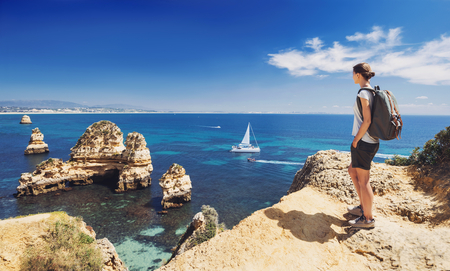
Lagos is a small coastal city in Portugal’s Algarve region. It works particularly well for remote workers who prefer beaches, outdoor activities, and a slower pace to the constant activity of a major European capital.
The historic center has cafés, restaurants, and coworking options within a relatively compact area. The surrounding Algarve coast offers beaches, cliffs, hiking, surfing, and sailing. Lagos is particularly appealing if you like spending time outdoors after closing your laptop.
Portugal also has official immigration routes for people performing professional activities remotely for employers or clients outside Portugal. Depending on your situation, you may be looking at a temporary-stay or residence visa rather than a general tourist stay.
Visa requirements, including financial criteria, change over time, so check the official Portuguese visa information before applying.
2. Budapest, Hungary
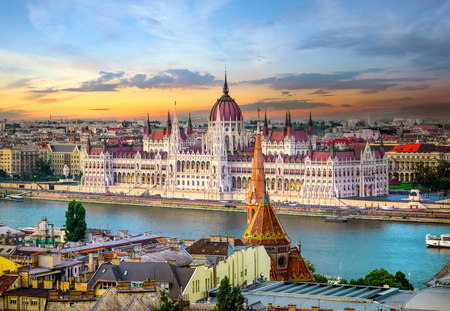
Budapest is located in the heart of Europe. It is the capital of Hungary and a top destination for digital nomads. The city combines stunning architecture and rich history with a good balance of work and leisure.
For remote workers who enjoy having plenty to do outside working hours, Budapest offers a useful balance. You can work from a coworking space or apartment during the day. After work, you can explore museums, thermal baths, restaurants, and neighborhoods on both sides of the Danube.
Hungary’s White Card is the country’s residence permit specifically designed for eligible third-country digital nomads. It applies to people working remotely for a foreign employer or operating a qualifying foreign business.
As of 2026, applicants must show at least €3,000 in net monthly legal income for the six months before entry. They must also maintain that income level during their stay. The permit can last up to one year and can be extended once for another year.
3. Barcelona, Spain
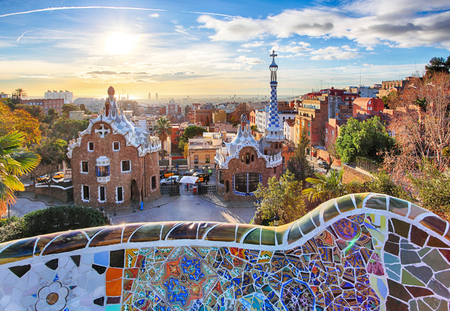
Barcelona remains one of Europe’s most appealing options for remote workers who want a large city combined with Mediterranean weather and easy access to the coast.
The city has a substantial coworking scene and reliable public transportation. It also offers restaurants, markets, museums, parks, and neighborhoods with very different atmospheres. Digital nomads can stay close to the center or choose a more residential neighborhood. Both options can keep you well connected.
Spain also has an official residence route for international teleworkers. It is intended for eligible non-EU nationals who work remotely for companies based primarily outside Spain.
Requirements depend on employment status, income, professional experience, Social Security arrangements, and health coverage. Different rules may also apply to freelancers and employees.
4. Prague, Czech Republic
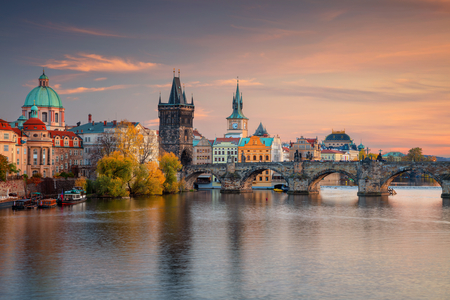
Prague combines an attractive historic center with an efficient tram and metro network, a strong café scene, and quick rail and air connections across Central Europe. It is compact enough that everyday errands are manageable without a car, but large enough to offer coworking spaces, international communities, and plenty of variety beyond the Old Town.
The Czech Republic’s Digital Nomad Program is narrower than the name may suggest. The government program is aimed at highly qualified IT and marketing professionals from selected countries, including the United States, and covers qualifying foreign employees and freelancers. It is not a catch-all visa for every remote worker. Check the official Czech Digital Nomad Program to see whether your profession and nationality qualify.
5. Malta
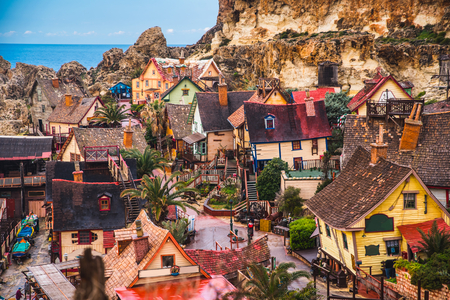
Malta is an attractive base for remote workers who want an English-speaking environment and a Mediterranean climate. It also offers relatively short distances between work, restaurants, historic sites, and the coast.
Malta is also known for its affordable cost of living. This includes reasonably priced accommodation, food, and entertainment options. As a result, digital nomads may be able to save money while enjoying a high standard of living.
Malta also has a highly developed IT infrastructure and reliable internet access. Both are essential for remote workers who depend heavily on online communication and productivity tools. The country is multicultural and multilingual, with a vibrant social scene. This can make it easier for digital nomads to connect with locals and other nomads.
Malta’s Nomad Residence Permit allows eligible third-country nationals to keep working for an employer or clients based outside Malta while legally residing in the country.
The current minimum gross annual income requirement is €42,000. The initial permit is issued for one year and may currently be renewed up to three times, for a maximum stay of four years, provided the holder continues to meet the program requirements.
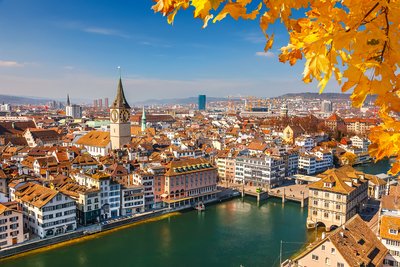
6. Zurich, Switzerland
Zurich offers excellent transportation, digital infrastructure, access to nature, and a large international business community. It can be a very convenient base for people who already have the legal right to live and work in Switzerland.
However, there is an important limitation for U.S. digital nomads. Switzerland does not have a dedicated digital nomad visa. Non-EU citizens generally cannot live and work in the country without a work permit from a Swiss employer.
EU and EEA citizens can work in Switzerland as digital nomads for no more than three months without restrictions. This is due to freedom of movement within the EU. If you want to stay for more than three months, you must register with the appropriate local authority.
Check the Swiss State Secretariat for Migration’s official work and residence guidance before making plans.
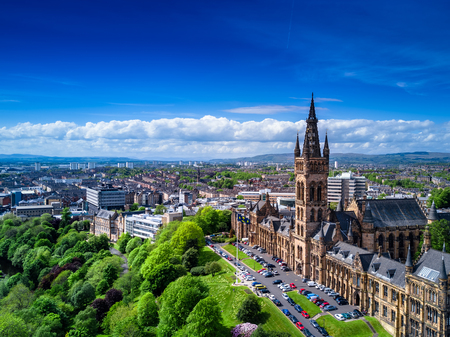
7. Glasgow, UK
Glasgow is a strong option from a lifestyle perspective. It has a large cultural scene, universities, music venues, museums, cafés, coworking spaces, and rail connections throughout Scotland and the rest of the UK.
The UK does not have a dedicated digital nomad visa. Current visitor rules allow some remote activity connected to an overseas job only when remote work is not the primary purpose of the visit; visitor status is not meant for living in the UK long term while working online. Before planning an extended stay, check the official UK visitor permitted activities and the entry requirements that apply to your nationality.
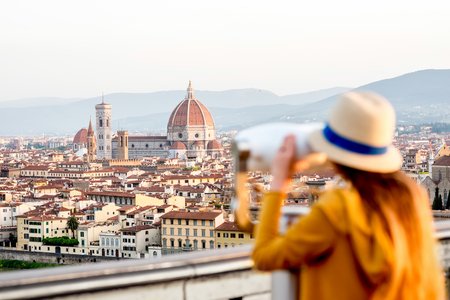
8. Florence, Italy
Nestled in the heart of Tuscany, Florence is renowned for its rich cultural heritage, stunning architecture, and world-class museums. As a digital nomad, Florence is a dream destination that perfectly balances work and play.
Whether you are working on a new project from a cozy cafe or exploring the city’s numerous art galleries and historic landmarks, Florence is an inspiring place that will leave you feeling energized and productive.
Italy now has a digital nomad and remote worker visa. The route is intended for highly specialized non-EU professionals, with separate categories for self-employed digital nomads and remote employees. The residence permit is generally issued for one year and can be renewed if the conditions continue to be met. U.S. applicants should consult the official Italian consular guidance for digital nomads and remote workers for current documentation requirements.
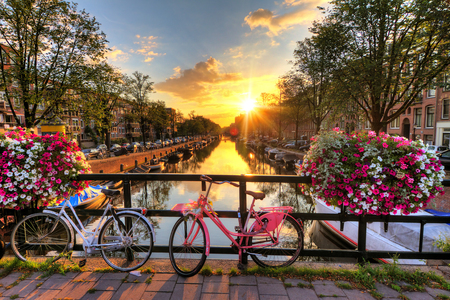
9. Amsterdam, the Netherlands
Amsterdam, the capital city of the Netherlands, is a vibrant and progressive European city that is ideal for digital nomads. Known for its stunning architecture, picturesque canals, and rich cultural heritage, Amsterdam is a city that offers something for everyone.
From its bustling coffee shops and lively nightlife to its charming parks and museums, this city is a popular destination for tourists and digital nomads. With excellent infrastructure, reliable internet connectivity, and a thriving startup ecosystem, Amsterdam is a great place to work and live as a digital nomad.
The Netherlands does not have a general digital nomad visa, but American entrepreneurs have an important alternative. Under the Dutch-American Friendship Treaty, qualifying U.S. citizens may apply for a self-employed residence permit under simplified treaty rules; the Dutch immigration service says most business forms require a minimum capital investment of €4,500.
10. Croatia
With its diverse landscapes, from sparkling beaches to lush forests, Croatia offers many opportunities for digital nomads seeking adventure, inspiration, and a good quality of life. Some of the best places to stay include Zagreb Croatia. Its modern infrastructure, affordable living, and growing digital community make it a great location for those looking to combine work and travel.
Croatia has a dedicated temporary residence route for qualifying third-country digital nomads working remotely for foreign employers or their own foreign companies. Temporary stay can currently be granted for up to 18 months. In 2026, the official minimum means-of-support requirement is €3,622.50 per month, with higher requirements when family members accompany the applicant.
Which European Country Is Best for Digital Nomads?
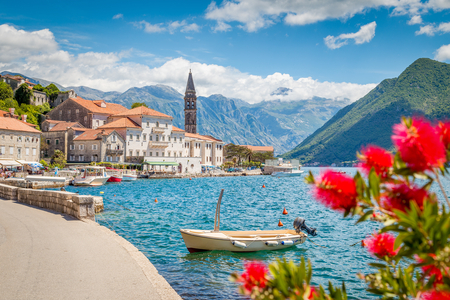
Malta, a small archipelago in the Mediterranean Sea, is an ideal location for digital nomads who want to work and live in a place that offers great weather, clean beaches, rich history and culture, and a thriving community of expats and entrepreneurs. The islands are known for their laid-back lifestyle, low cost of living, and an excellent internet connection, making them a popular destination for remote workers worldwide.
Barcelona offers the advantages of a large city alongside the Mediterranean. Budapest and Prague work well for people who prefer Central Europe, while Florence is particularly appealing if art, food, and Italian city life are major priorities.
The better question is not simply “Which city is best?” but which city fits your legal situation, budget, work schedule, and preferred lifestyle.
Where Do Digital Nomads Usually Stay in Europe?
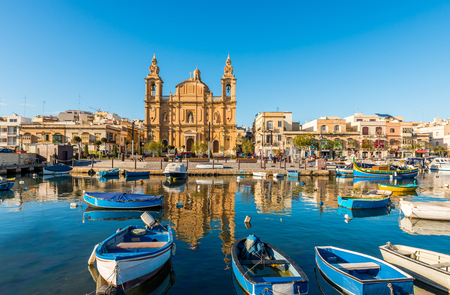
Co-living spaces and hostels are becoming increasingly popular among digital nomads in Europe. These spaces offer a great opportunity for remote workers to live and work alongside like-minded individuals, network, and collaborate on projects.
Most co-living spaces and hostels provide high-speed internet, comfortable work spaces, and a range of amenities, such as laundry facilities, communal kitchens, and social areas. Some hostels have recently been specifically designed for digital nomads, offering private rooms, coworking spaces, and networking events.
These accommodations can be cost-effective for digital nomads, as they often offer lower rental rates than traditional apartments or hotels. They can be a great way to meet new people and build community while traveling.
Travel Insurance for Digital Nomads in Europe
The best digital nomad city in Europe depends on what matters most to you: cost of living, climate, local culture, access to coworking spaces, transportation, or the type of visa available. Lisbon, Barcelona, Budapest, Prague, Valletta, and the other cities on this list all offer very different experiences, so it is worth comparing both lifestyle and practical requirements before choosing a base.
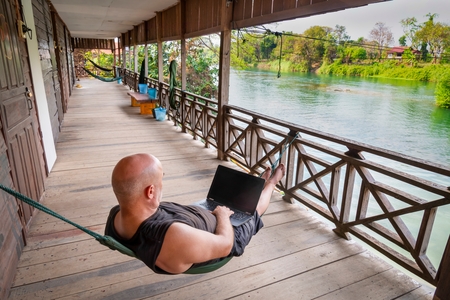
Once you have narrowed down your destination, check the latest entry and residence rules, estimate your monthly budget, and make sure your accommodation and work setup fit the length of your stay. If your plans include moving between several countries, travel insurance can also be a useful part of your preparation for unexpected issues such as trip disruptions, medical emergencies, or lost luggage.
Featured stories