Last Update: August 2026
A memorable sunrise is usually about more than the colors in the sky. The setting matters too: red-rock amphitheaters, Arctic snow, temple silhouettes, ocean horizons, and mountain peaks can turn an early alarm into one of the best moments of a trip.
From tropical islands and desert valleys to Arctic landscapes and high-altitude peaks, these 12 destinations offer very different reasons to get up before dawn. The list also includes Haleakala in Maui and Angkor Wat in Cambodia, where sunrise planning is part of the experience itself.
Index
How to Plan a Sunrise Without Ruining the Morning
- Check access before you go. Some sunrise sites require reservations, park tickets, guides, or an early-entry permit.
- Arrive before first light. The best color often starts before the sun appears above the horizon, and parking can fill quickly at popular viewpoints.
- Dress for the location, not the daytime forecast. High-elevation and desert viewpoints can be cold before dawn even when afternoons are warm.
- Keep expectations flexible. Cloud, haze, wind, or rain can change the view, and no sunrise is guaranteed to look like the photos online.
Beautiful Sunrises Around the World
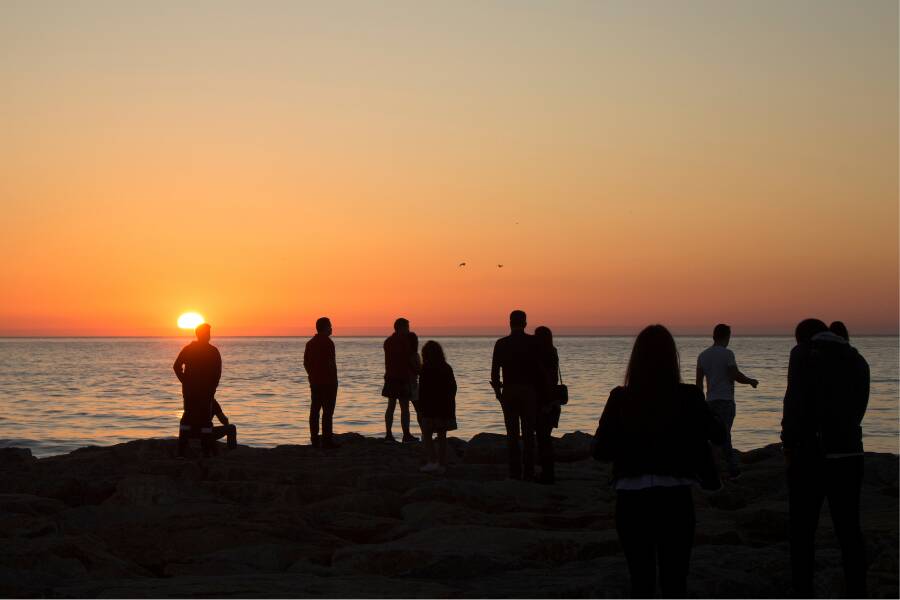
There is some magic that comes with sunrises. As the sun slowly rises from across the horizon, it paints the sky with golden orbs and warm hues of yellow, oranges, and reds, which in turn jumpstarts our natural clocks and stimulates the ‘feel good’ hormones in our bodies.
The tranquil landscapes enhance this magical feeling with calmness, cool breezes, and varied sights. Each of the locations indicated below has that extra touch that makes watching the sunrises much better than your balcony window. So, where are the most beautiful sunsets and sunrises? Let’s get into it.
Taveuni Island, Fiji
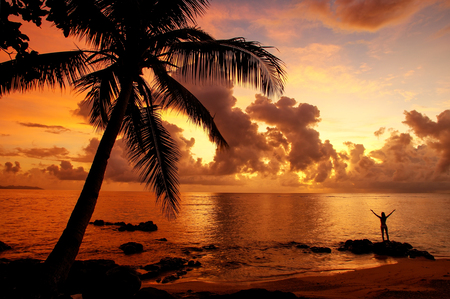
Taveuni is Fiji’s green ‘Garden Island,’ known for rainforest, waterfalls, the Rainbow Reef, and the 180th meridian. The official Tourism Fiji guide to Taveuni highlights Bouma National Heritage Park, the Lavena Coastal Walk, diving, birdwatching, and the International Date Line.
The date-line connection gives sunrise here a symbolic appeal. For the best experience, choose an east-facing coastal stay and combine dawn with a day of hiking or snorkeling.
Bryce Canyon National Park, Utah
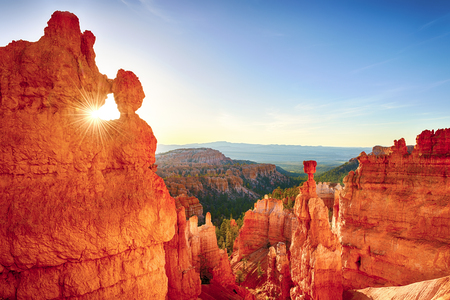
Bryce Canyon is one of the easiest places on this list to plan specifically around dawn. The National Park Service says Sunrise Point and Bryce Point are the two most popular sunrise viewpoints, although nearly every major overlook faces east and catches the morning light.
The first light brings out the reds, oranges, and pale limestone tones of the hoodoos. These rock spires formed through erosion and repeated freeze-thaw weathering. After sunrise, the Queen’s Garden and Navajo Loop area is a natural next stop if trail conditions allow.
After the sun has risen, you can take a walk along the many hiking trails in the canyon or ride a hot air balloon to enjoy stunning viewsof this unique landscape. There are trails for easy walks and strenuous hiking challenges. When it is finally evening, you can come out and gaze at the stars. Since this location is far away from towns, it does not suffer from light pollution. This enables you to have a good look at the starry sky.
If you visit the location during winter, you can go snowshoeing and play other snow games. During summer, you can experience the thrill of the Wild West by taking a horse ride through the barren landscape. Get your camera and telescope ready to enjoy your next sunrise at Bryce Canyon Utah.
Wadi Rum, Jordan
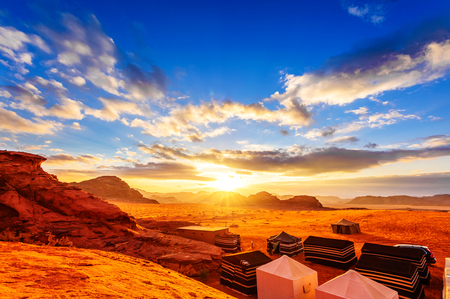
Wadi Rum is a 74,000-hectare protected desert landscape of sandstone cliffs, natural arches, gorges, and archaeological remains. UNESCO recognizes the Wadi Rum Protected Area for both its natural scenery and evidence of thousands of years of human activity.
Sunrise works especially well from a desert camp or a quiet viewpoint reached with a local guide. The low light adds definition to the cliffs and rock formations before the heat builds. Jeep tours, hiking, and rock-art sites can fill the rest of the day.
On the other hand, if you wish to enjoy the desert lifestyle, spend a few nights at a camp so that you can interact with Bedouin people. The locals are traditional nomads who have lived here for centuries. You will get a glimpse of the desert life and enjoy some local delicacies, such as Za’atar, a mix of oregano, sumac, and sesame seeds, and Mansaf, Bedouin rice, and lamb dish.
Mount Kilimanjaro, Tanzania
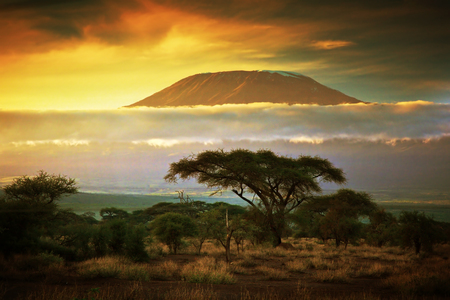
At 19,341 feet, Kilimanjaro is Africa’s highest mountain. Tanzania’s official tourism board lists Marangu, Machame, and Lemosho among the established trekking routes. See its Kilimanjaro overview for current mountain information.
The sunrise experience here is earned rather than visited. Climbers on a summit itinerary may see dawn high on Kibo after a long, cold night of ascent. Reaching Uhuru Peak is a multi-day, high-altitude expedition, so acclimatization, a licensed operator, and realistic fitness expectations matter far more than getting a perfect photograph.
Svalbard, Norway
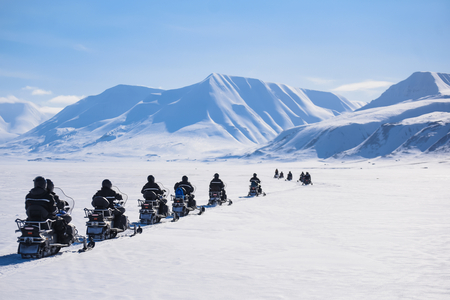
Svalbard offers a very different sunrise story. During summer, the sun does not set for months, so there is no conventional daily sunrise. The most distinctive moment comes when light returns after the long dark season. Visit Svalbard describes February as the period when the sun slowly begins to rise above the horizon again, bringing blue, pink, and pastel light back to the Arctic landscape.
Plan this as a winter-light experience rather than a summer sunrise trip. Around Longyearbyen, activities such as dog sledding, skiing, and snowmobiling continue as daylight returns. Outside the settlement’s safe zone, use a qualified guide because of polar-bear risk.
Travel Tip: If seeing an actual sunrise is your priority, avoid Svalbard’s midnight sun period. In Longyearbyen, the sun stays above the horizon from roughly April 20 through August 23, so there is no true sunrise or sunset during those months. Late August and September are better choices for travelers who want the Arctic landscape combined with changing sunrise and sunset light.
Adam’s Peak, Sri Lanka
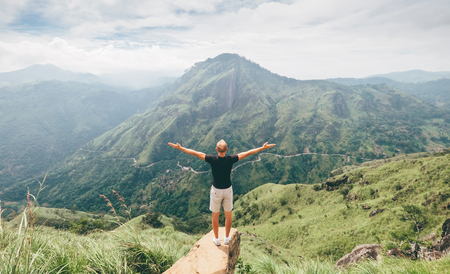
Adam’s Peak is both a pilgrimage site and one of Sri Lanka’s best-known sunrise climbs. The official tourism site notes that pilgrims aim to reach the summit for sunrise, when the mountain can cast a distinctive triangular shadow across the surrounding landscape. Read the current Sri Pada visitor information before planning the climb.
The pilgrimage season generally runs from December to May. Expect a long stair climb, crowds on important religious dates, and a much cooler summit than the lowlands. Treat the sacred footprint and the summit shrine as an active religious site, not just a viewpoint.
Sri Lankans are also known for their delicious dishes, especially rice recipes. Sample a few of the dishes as you explore local shops for handicrafts, traditional dresses, and gifts. Adam’s Peak is definitely the destination for adventure lovers and those taking a spiritual awakening trip.
Ahu Tongariki, Rapa Nui, Chile
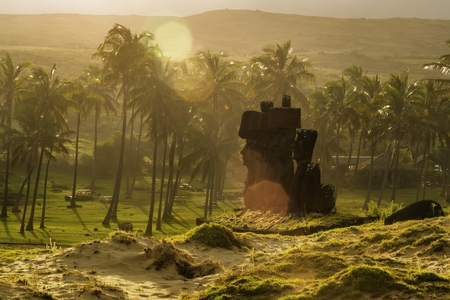
For sunrise on Rapa Nui, the standout location is Ahu Tongariki. The official Rapa Nui National Park describes it as the island’s largest ceremonial platform, with 15 restored moai and a spectacular sunrise view.
A park ticket is required for protected archaeological sites, and current rules require accredited guiding for most visits. Buy the ticket and review the visitor guide through the official Rapa Nui National Park ticket page. Rapa Nui lies well south of the equator, so daylight length changes through the year.
Patagonia, Argentina
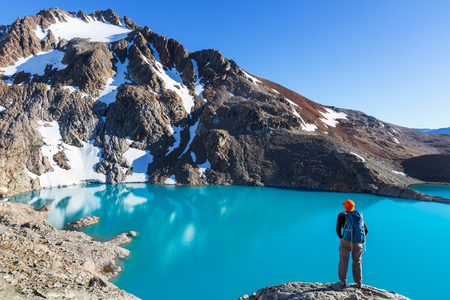
In Argentine Patagonia, El Chaltén is one of the standout bases for an early start. Argentina’s official tourism site specifically recommends a sunrise at the foot of Mount Fitz Roy in Santa Cruz Province.This vast and rugged wilderness has everything from grasslands to mountain landscapes, pristine lakes, and stunning glaciers. The region’s location between the Atlantic Ocean and Andes Mountains gives it a unique weather pattern. This, in turn, gives it some of the best sunrises in the world, especially during summer when flowers flourish.
Just after watching the sunrise, head to the Perito Moreno, an awe-inspiring glacier that has been growing rapidly. Come with your hiking boots on and explore the rugged landscape in the area via the famous trails of the Torres del Paine National Park. Here, you also get to watch birds and other small animal species.
Patagonia also boasts a rich cultural history. Most of its native communities have lived in the area for thousands of years. Interact with them, visit local museums, attend cultural festivals, and sample traditional cuisine.
Copacabana, Rio de Janeiro, Brazil
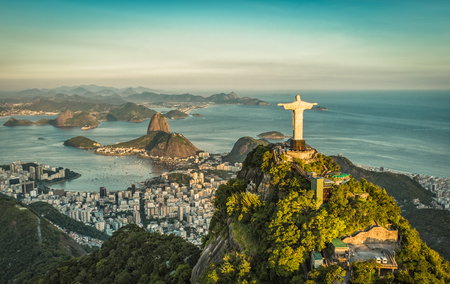
Rio is more convincing as a sunrise destination from the water or beach than from an attraction that may not be open at dawn. Brazil’s official tourism platform features a sunrise stand-up paddle experience at Copacabana, where the early light reaches the ocean with the city and mountains behind it.
You do not need to paddle to enjoy it. An early walk along Copacabana or nearby stretches of coast gives you open sky and a quieter version of Rio before the beach fills. Save Christ the Redeemer, Sugarloaf, and the city’s museums for later in the day.
What makes a beautiful sunrise here? The sun’s rays first hit the wall of mountains on one side and cast a beautiful glow on the city below. Then, the sea reflects the golden orbs, giving visitors an out-of-this-world experience.
You also get to interact with the locals at the eateries and restaurants dotting the town. Brazilian cuisine is delectable and you can also sample dishes from all over the Americas in the city.
Finally, relax on some of the beautiful beaches, such as Ipanema and Copacabana,and get an awesome tan. There are also several cultural and historical landmarks to be explored if you have the time.
Taj Mahal, India
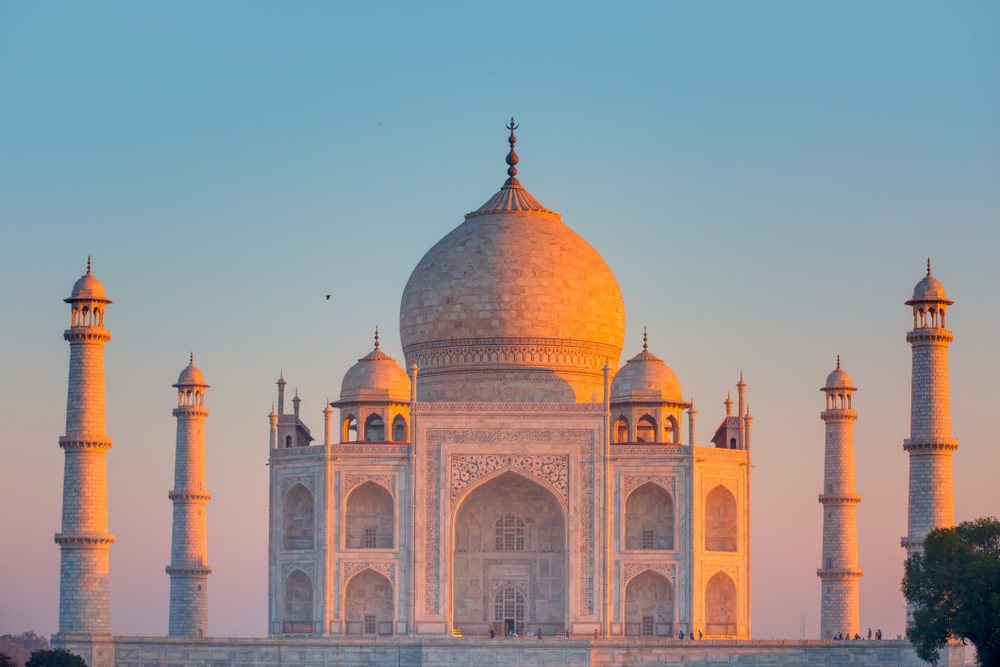
The Taj Mahal is one of the few famous monuments whose official opening hours are designed well for sunrise. The Government of Uttar Pradesh states that the complex opens 30 minutes before sunrise and closes 30 minutes before sunset. It is closed to general sightseeing on Fridays.
Sunrises at the Taj Mahal are especially magical as the building seems to change color as the sun moves across the sky. During sunrise, the marble finish gives off a rosy hue, which is reflected in the adjacent pools. As the day goes on, it gets lighter and becomes golden by sunset. You can experience this magic by arriving at the location early morning to witness the sunrise.
In addition to admiring this architectural masterpiece, you can explore other historical landmarks of the Mughal era, including Agra Fort and Fatehpur Sikri. You can also consider buying the finest Indian textiles in the adjacent local market or go home with a handicraft from the curio shops. Do not leave without tasting the spicy treats, such as samosas, chaat, and biryani rice, among other tasty Indian dishes.
Haleakala National Park, Maui, Hawaii
Haleakala is one of the world’s most carefully managed sunrise experiences. The National Park Service requires an advance sunrise reservation for vehicles entering the summit district between 3:00 AM and 7:00 AM. Reservations are released up to 60 days ahead, with another portion released two days in advance.
Do not arrive dressed for a tropical beach morning. The summit is above 10,000 feet, and the NPS warns that pre-dawn conditions can be wet, windy, and below freezing. Kalahaku and Leleiwi are alternatives to the busiest summit viewpoints when parking and conditions allow.
Travel Tip: Haleakala requires more than an early alarm. A sunrise reservation is separate from the park entrance fee. The reservation is tied to a specific day, and bad weather does not guarantee a refund or exchange. Book first, then build the rest of the Maui itinerary around it.
Angkor Wat, Cambodia
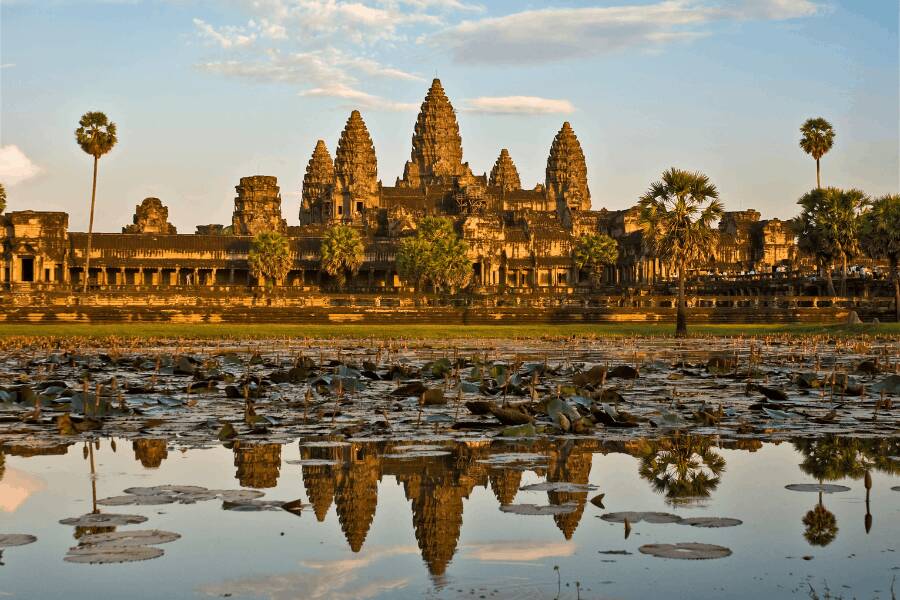
Angkor Wat earns its place on the list because sunrise is built into the visitor schedule. APSARA National Authority lists Angkor Wat opening hours from 5:00 AM, allowing visitors to enter before dawn and watch the temple towers emerge in the morning light.
You need a valid Angkor Pass, which should be purchased through the official Angkor Enterprise ticket system. Around the March and September equinoxes, the rising sun can align closely with the central tower, but any clear morning offers the classic reflection-pool view.
Which Sunrise Is Worth Building a Trip Around?
For a simple sunrise viewpoint, Bryce Canyon or Copacabana is easy to add to a wider itinerary. Haleakala and Angkor Wat require more advance planning. Adam’s Peak and Kilimanjaro turn sunrise into a physical challenge, while Svalbard is about the return of daylight itself. Rapa Nui and Wadi Rum stand out because the landscape and cultural setting are as important as the sky.
Choose the experience that fits the rest of your trip instead of traveling somewhere only because a sunrise photo went viral. The best dawn is the one that still leaves you interested in the place after the sun is fully up.
Featured stories