The world is full of extraordinary monuments, but the modern list known as the New 7 Wonders of the World came from a global public-voting campaign. In 2007, more than 100 million votes narrowed 21 finalists to seven winners: the Great Wall of China, Chichén Itzá, Petra, the Taj Mahal, Machu Picchu, Christ the Redeemer, and the Colosseum.
The list is separate from UNESCO’s World Heritage program, although several of these monuments are also UNESCO-listed sites. What they have in common is the ability to turn a trip into something memorable: a sunrise over ancient stone, a long walk through a lost city, or the chance to stand inside a place you have seen in photographs for years.
The following article will provide a short guide on where they are located, must-sees during your visit, and the best time of the year to visit to get the most out of your trip.
Index
The 7 New Wonders of the World to Add to Your Travel List
Great Wall, China
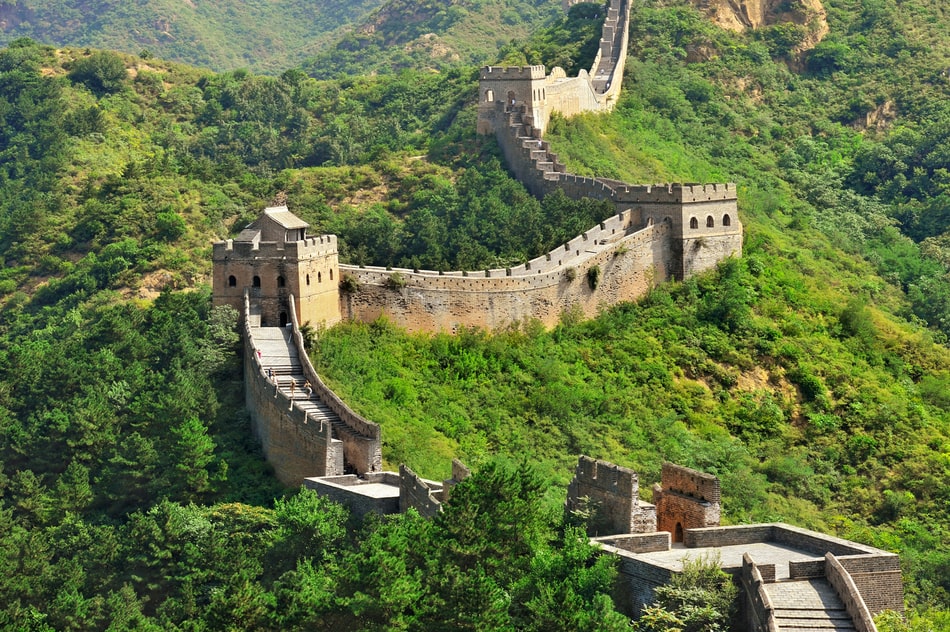
The Great Wall is often described as the longest wall in the world, but it is better understood as an enormous network of fortifications built and rebuilt over many centuries. UNESCO estimates the complete system at more than 12,400 miles and describes it as the world’s largest military structure. Its main body includes walls, watchtowers, passes, shelters, and defensive routes stretching across northern China.
Wandering a must-see site when visiting the Great Wall, Simatai, a section of the wall should be your first stop. There is a large screen wall made of 15 square bricks carved with a mysterious, eye-catching animal from Chinese mythology called Kirin (or Qilin). Over hundreds of years, the tower has been eroded, but you can still admire this preserved auspicious symbol. Its original appearance allows you to feel the historic atmosphere truly. Therefore, to see more of the untouched Great Wall, venturing further into the west will be more genuine.
If you’re in Beijing, accessing the Great Wall only requires you to take a day trip. There, the Chinese used their power to trivialize the entire thing by constructing a toboggan track downwards.
The best time to visit the Great Wall is usually determined by the urge to avoid crowds. Mutianyu Great Wall is less crowded and worth the extra time to get there. You can visit the wall in the spring or fall season and enjoy every bit of the experience.
Chichén Itzá, Mexico
Chichén Itzá was one of the most important Maya centers on the Yucatán Peninsula. Mexico’s National Institute of Anthropology and History (INAH) places the site’s main chronology between roughly 525 and 1200 CE and highlights its political, architectural, and astronomical importance.
With its incredible features, it is among the greatest tourist attractions, awarded the title of the New 7 Wonders of the World. Among the features that help us understand the Mayan culture better include those wonderful sculptures and displays. The site involves a series of temples and monuments.
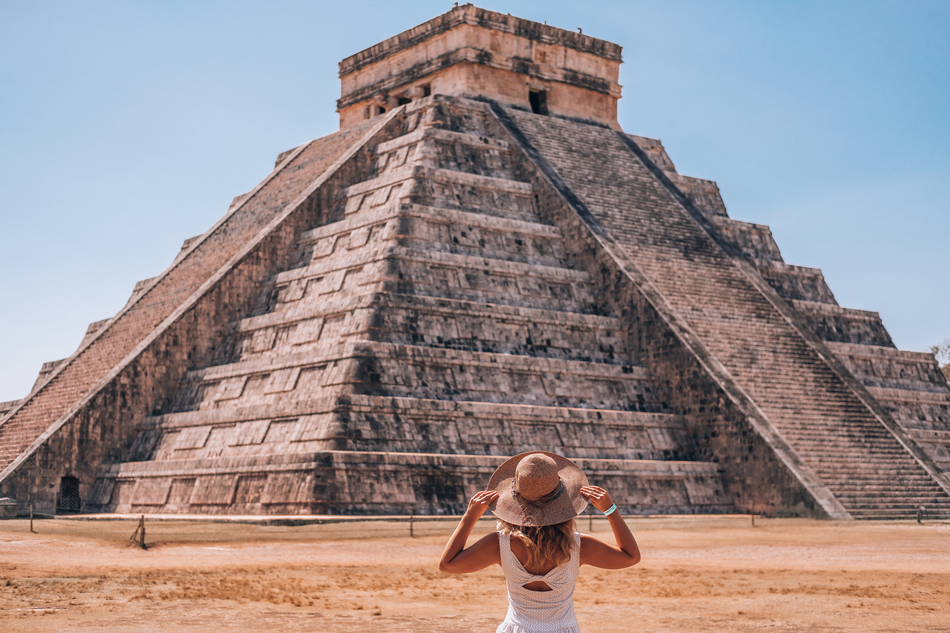
The centerpiece is El Castillo, also known as the Temple of Kukulcán. The pyramid is famous for the play of light and shadow that appears along its staircase around the equinoxes, an effect closely tied to the building’s orientation. Nearby, the Great Ball Court, the Temple of the Warriors, El Caracol observatory, and the Sacred Cenote show how much more there is to Chichén Itzá than its most photographed pyramid.
Additionally, the Temple of the Warrior, Wall of Skulls, El Caracol, and the Group of 1000 Columns are worth visiting. The cenotes and Mayan ruins in the Yucatan area will also give you a different view and taste of nature. Visiting almost all these places while in Chichén Itzá will be one of the best decisions ever. The cenotes will be the most beautiful experience on your visit. Make sure to visit at least one of them.
The best time of the year to visit Chichén Itzá is from November to March. The weather is favorable due to milder temperatures; thus, you can enjoy your adventure, making lifetime memories. Arrive early or late to avoid crowds.
In 2026, the spring equinox falls on March 20, making it a peak time for travelers.
Petra, Jordan
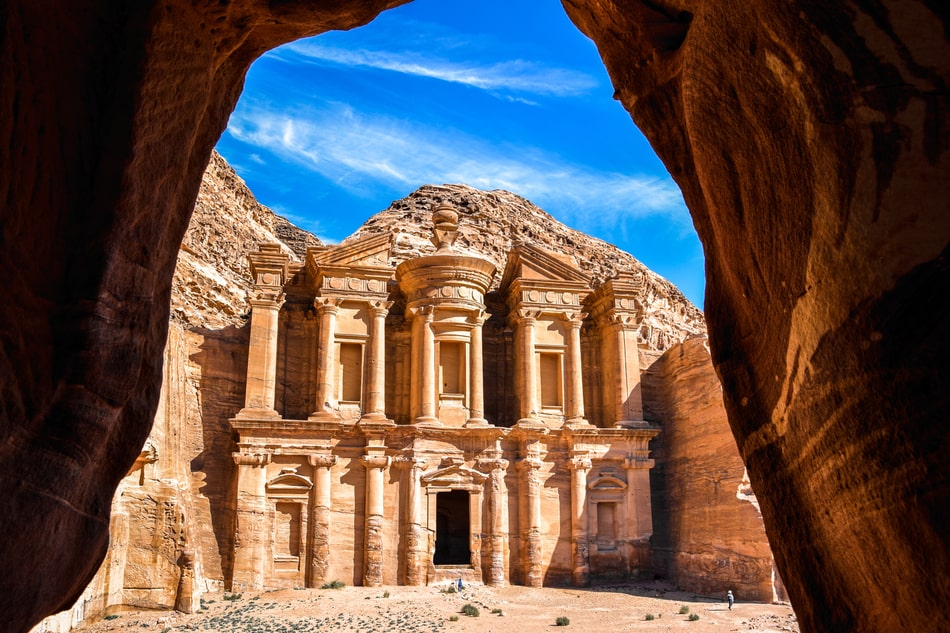
Petra is a city shaped as much by the landscape as by architecture. The Nabataeans carved monumental façades into rose-colored rock and created sophisticated water systems that supported a major trading center. The official Jordan Tourism Board guide to Petra highlights the Siq, the Treasury, the Royal Tombs, the High Place of Sacrifice, and the Monastery among the site’s major experiences.
The Nabataeans made Petra their capital becoming the main trading center. The site was vast and designed in a detailed manner. The Nabataeans Arabs were the engineers when attending to the city features and carving. They designed features for tombs, statues, religious practice centers, homes, great halls, and passageways.
Furthermore, they initiated a prosperous trade hub, earning huge wealth and expanding their population before earthquakes eliminated them. Before the abandonment of Petra, a population of 30,000 was reported. The city came to light in the late 19th century, though archaeologists had already rediscovered it in 1812.
Petra is a twisted treasure with many elements, including The Siq, The Treasury, The Monastery, the High Place of Sacrifice, and the Royal Tombs. When you visit the site, you will be amazed by its great history and amazing art.
In 2026, visitors can enjoy improved visitor services and new digital platforms like the “VisitJordan” app for easier planning. Arriving early at the site saves you from big crowds. For the best experience, aim to enter between 7:00 AM and 8:00 AM.
Avoid rainy days as the valley is prone to flooding. The best time to visit Jordan is during the spring and autumn months. For those traveling in 2026, the Jordan Pass remains the best way to combine your visa and entry fees.
Taj Mahal, India
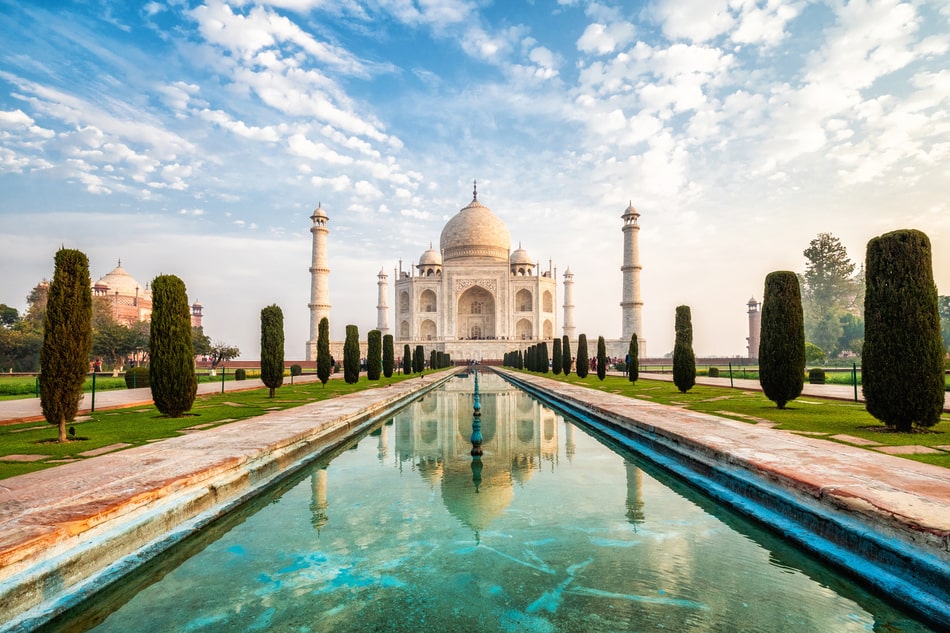
The Taj Mahal was commissioned by Mughal emperor Shah Jahan in memory of his wife Mumtaz Mahal. UNESCO dates the main construction to the 17th century and describes the complex as one of the great achievements of Indo-Islamic architecture. Its symmetry, marble inlay, calligraphy, gardens, and changing light make the monument feel different depending on the time of day.
Its creation was inspired by the love Emperor Shah had for his wife. The Emperor wanted to honor his wife after she had passed giving birth to their 14th child. Besides housing her tomb, Emperor Shah ensured his tomb was also built there.
This tale of love is what everyone usually dreams about. Getting to see it in real life is another privilege. The Taj Mahal is a brilliant piece of Mughal architecture more than anything else. One of the most stunning monuments ever built. It was built entirely of semi-translucent white marble and took 22 years to complete.
Its design is covered in floral and geometric patterns having four domes surrounding the majestic central dome. Twenty thousand workers and over 1,000 elephants took part in constructing this masterpiece. You will see why it took this long when you notice the details of the marvelous structure.
The Taj Mahal is closed to general visitors on Fridays. The official Government of Uttar Pradesh Taj Mahal website provides current hours and ticket information, and visitors who want to enter the main mausoleum need an additional ticket. Booking through the official system is the safest way to avoid unofficial resellers.
Machu Picchu, Peru
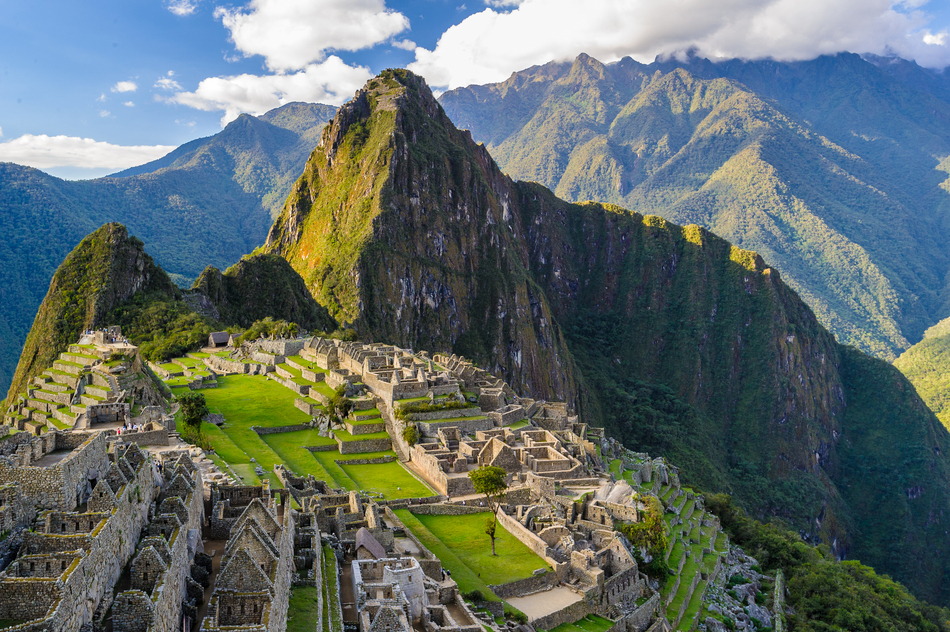
Machu Picchu sits high in the Andes at about 7,970 feet above sea level. Built in the 15th century, the Inca complex combines terraces, temples, residences, plazas, and mountain scenery in a way that makes the setting as important as the architecture itself.
Today, visiting Machu Picchu requires more planning than simply buying a general admission ticket. Peru’s official Machu Picchu platform organizes access into three main circuits with 10 routes. Each route gives access to a different combination of viewpoints and archaeological areas, and some routes are seasonal.
Travel Tip: Choose your Machu Picchu circuit before you build the rest of your itinerary around it. The route on your ticket determines what you can see inside the site, so compare the official circuit descriptions before booking trains, tours, or a photographer around one specific viewpoint. The Ministry of Culture sells advance tickets through its official Tuboleto platform.
Christ the Redeemer, Brazil
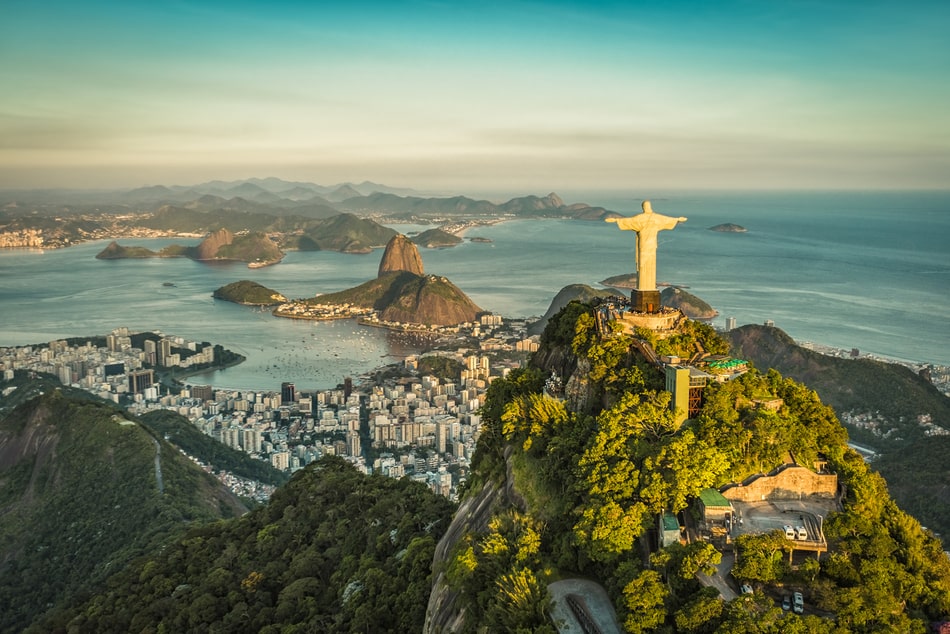
This iconic design of a totemic statue is located at the summit of Mount Corcovado, Rio de Janeiro, southeastern Brazil. The statue is situated 704-meter high, on the summit, visible from anywhere in Rio. It sits on a square stone pedestal base situated on a deck atop the mountain’s summit. Also known as Portuguese Cristo Redentor, the colossal statue of Jesus Christ is both a cultural and religious symbol in Brazil.
The story behind the design is more collaborative than many short summaries suggest. The city of Rio officially recognizes Brazilian engineer and architect Heitor da Silva Costa as the author of the monument and the coordinator of its construction. The official Sanctuary of Christ the Redeemer history also credits French sculptor Paul Landowski, painter Carlos Oswald, and reinforced-concrete engineer Albert Caquot among the key collaborators.
The history behind the largest style of modern sculpture worldwide is that Brazilians feared the “tide of godlessness.” This was right after World War 1. Christ the Redeemer made it to the New 7 Wonders of the World list because of its overpowering symbolism of Christianity. The reinforced concrete-made statue with over 6 million tiles overlooks the city of Rio de Janeiro. The site is a must-see, especially the chapel built at the base of the statue to commemorate its 75th anniversary.
It is better to visit the statue on weekdays to avoid crowds. Also, it is recommended to visit Corcovado Mountain early in the morning, let’s say around 8:30 AM or later in the afternoon, after 3:30 PM.
Colosseum, Italy
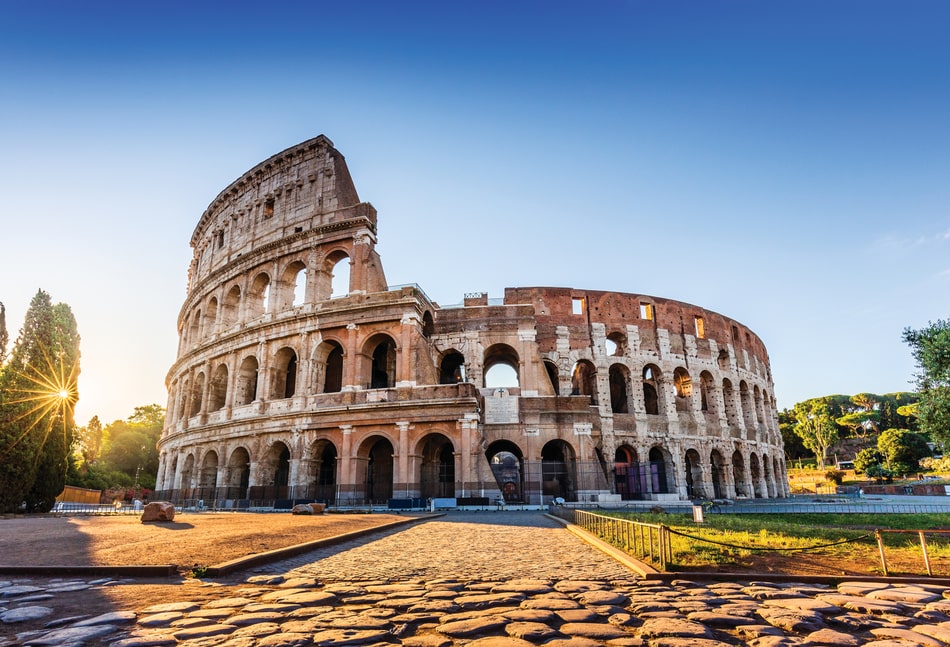
Colosseum is a giant amphitheater built in Rome, Italy, under the Flavian Emperors. The Colosseum’s construction began sometime between 70 and 72 CE during the reign of Vespasian. The Colosseum is an engineering feat measuring 190 by 155 meters that can hold up to 80,000 people watching any activity.
Other than classical plays and games, horrifying and dramatic events happened here. Some include executions, animal hunts, and mocking of the sea battles. All these activities took place for four centuries until the empire’s fall; it was momentarily a housing complex.
It is a big deal to visit this archaeological site with all its history. One of the greatest feats of Roman architecture ever built. It is the largest Roman amphitheater in the world, and despite suffering multiple fires, earthquakes, and other natural disasters, it is still standing today. Even though it is put up with destruction, it is one of the main tourist attractions visited in the world.
In 2026, the Colosseum has implemented strict nominative ticketing to prevent reselling. This means your ticket must match the name on your ID or passport. Security staff will check your identification at the entrance, so ensure you have your documents ready.
Our world will never cease to amaze us with its beautiful creations. Over the years, there have been great building designs with pure artistry that have left people awed. There arises confusion about whether they are the seven ancient wonders or the 7 Modern Wonders of the World. Since the original Wonders of the World were not strong enough and were either destroyed by man-made or natural disasters. A new list was created that consisted of the above-mentioned Wonders, also known as the New 7 Wonders of the World.
Planning a Trip Around the New 7 Wonders
The seven wonders are spread across five continents, and each one asks for a different kind of preparation. Some are easy day trips from major cities, while others require route choices, advance tickets, visa planning, or several hours on foot. Checking official sources before you travel is especially important for sites such as Machu Picchu, Petra, the Taj Mahal, and the Colosseum, where ticketing and entry rules can change.
If you are turning one or more of these landmarks into a long-haul trip, consider travel insurance that matches your itinerary and the activities you have planned.
Featured stories