Last Updated: August 2026
Senegal offers an incredible introduction to West Africa. It brings together historical landmarks, diverse coastal ecosystems, vibrant music, and a famous culture of hospitality known locally as Teranga. We want you to experience everything from urban markets to quiet mangrove channels and colonial streets. Good preparation makes your trip smooth and enjoyable.
We organize this guide by geographical regions and cultural zones. This helps you build a sensible itinerary across Senegal’s distinct landscapes while you manage local travel logistics.
Index
Dakar and Gorée Island: Urban Rhythms and Historic Memory
Senegal’s oceanfront capital, Dakar, is a dynamic city right on the Cap-Vert peninsula. It acts as the cultural and economic center of the country. You can find world-class museums, live music venues, and busy street markets here.
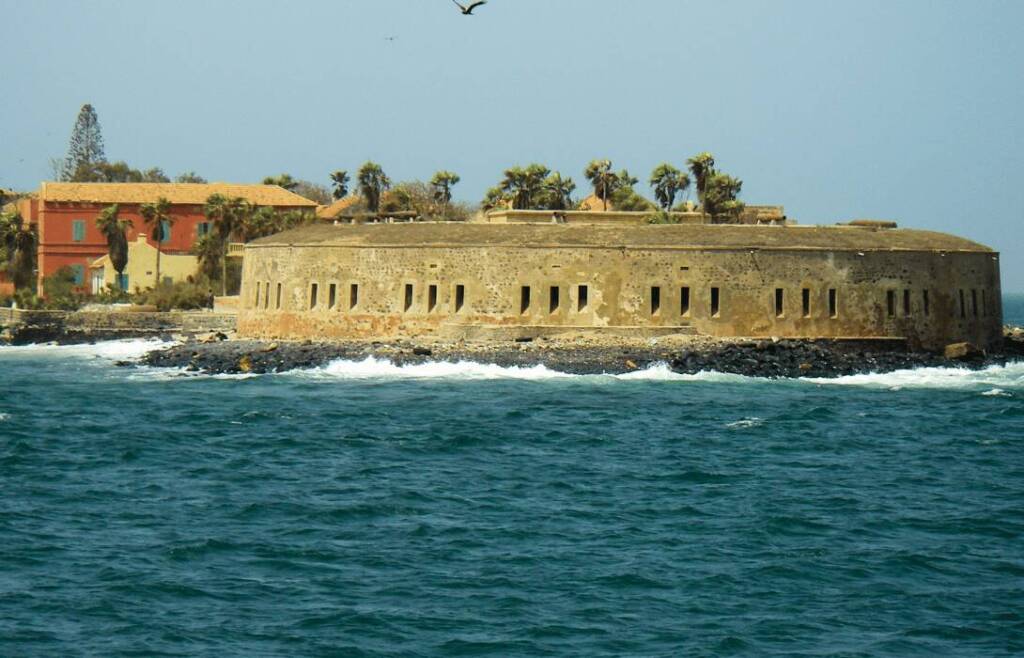
Take a quick 20-minute ferry ride from Dakar’s port, and you reach Gorée Island. This UNESCO World Heritage site is car-free and features bougainvillea-lined lanes and French colonial architecture. Gorée serves as a solemn memorial to the Atlantic slave trade. The House of Slaves, or Maison des Esclaves, and its Door of No Return share a powerful historical narrative. Back on the mainland, you can visit the Museum of Black Civilizations and the towering African Renaissance Monument. They give you great insight into modern African history and art.
Stay alert in crowded Dakar markets like Marche Sandaga and along the Corniche d’Ouest. Pickpocketing and purse-snatching happen often in these tourist areas. Keep your valuables secure and avoid walking along isolated beaches after dark.
When you explore Dakar at night, use registered radio taxis or trusted ride-hailing apps instead of unmarked street cabs. Carry small bills in West African CFA francs, or XOF. Credit card acceptance is usually limited to major international hotels and upscale spots.
Saint-Louis and Djoudj: Colonial Heritage and Bird Sanctuaries
You find Saint-Louis near the northern border with Mauritania. It was the former capital of Senegal and French West Africa. The town sits on an island in the Senegal River. It is famous for its 19th-century colonial buildings, a lively jazz festival, and the Faidherbe Bridge designed by Gustave Eiffel.
Travel Tip: Rent a bike and explore the narrow streets of Saint-Louis at your own pace. Stop by artisan workshops to see the hand-woven textiles and leather goods that local craftspeople make.
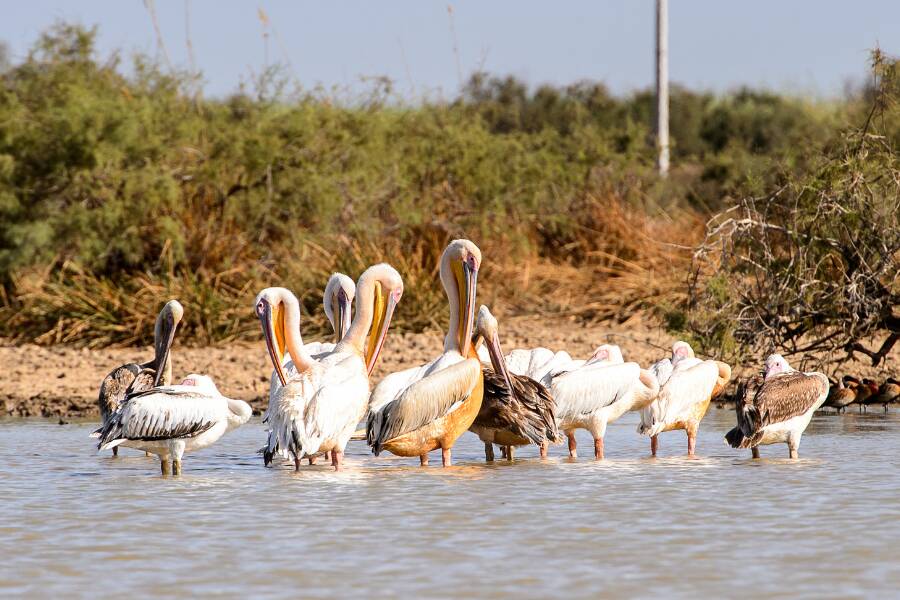
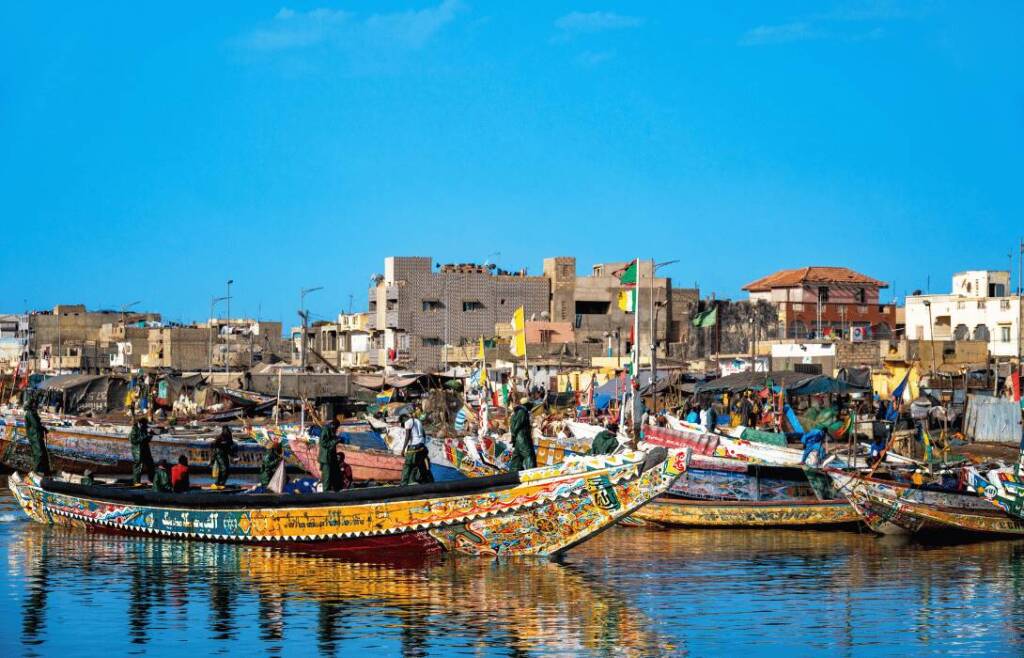
Just north of Saint-Louis, you find the Djoudj National Bird Sanctuary. This is another UNESCO World Heritage site. The wetland sanctuary operates primarily during the migratory bird season from October to May. It is one of the top wintering sites in the world for migratory birds. Take a guided pirogue tour in a traditional wooden boat. You get to observe thousands of white pelicans, flamingos, and herons right in their natural habitat.
The Sine-Saloum Delta and Petite Côte: Coastal Eco-Tours
South of Dakar, the Petite Cote stretches down toward the Sine-Saloum Delta. It offers calm beaches and charming coastal villages. You do not want to miss these highlights:
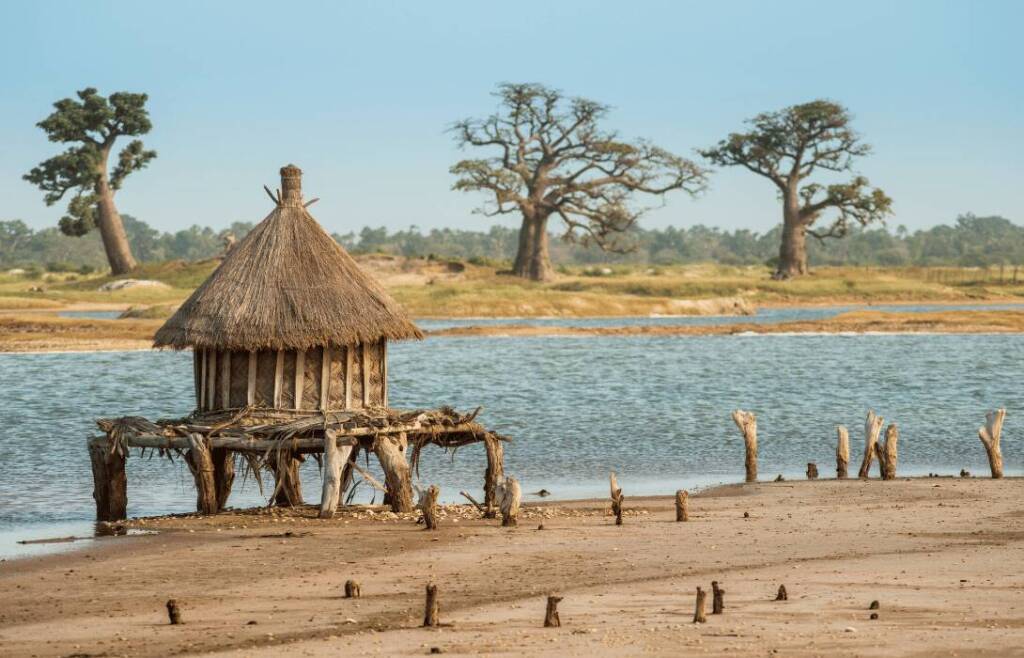
- Joal-Fadiouth: This is a unique twin village. Fadiouth sits on an island made entirely of clam shells that built up over centuries. Wooden bridges connect the shell island to the mainland and to a shared Muslim and Christian cemetery.
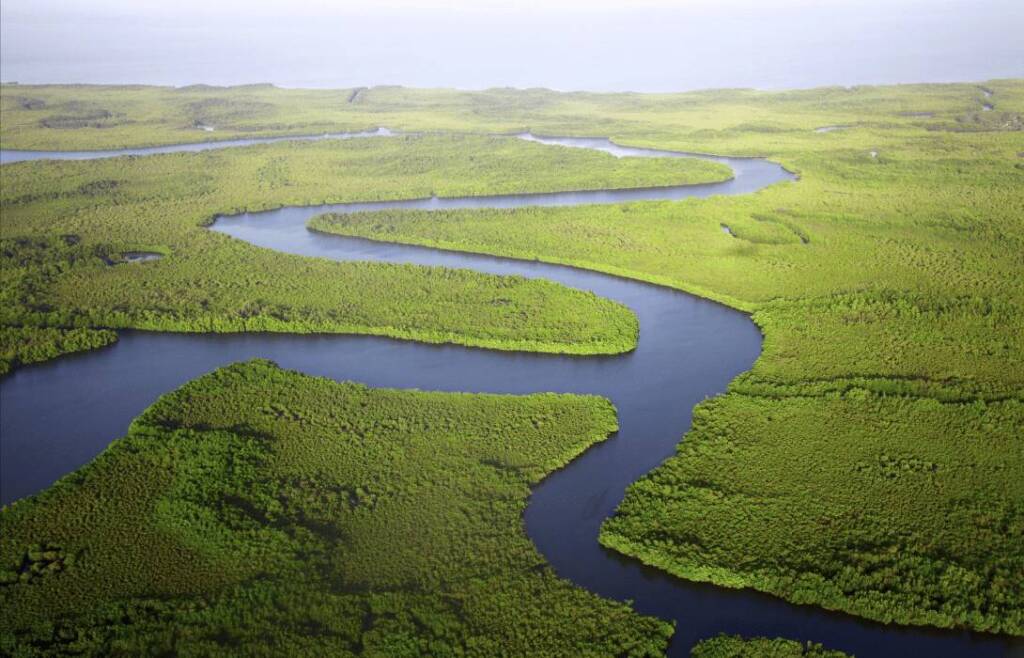
- Sine-Saloum Delta: A massive biosphere reserve sits where the Sine and Saloum rivers meet the Atlantic Ocean. Take an eco-tour in a traditional motorized pirogue. You glide through dense mangrove creeks and discover rich birdlife, oyster farms, and quiet island villages like Toubacouta..
When you travel in delta areas, apply insect repellent containing DEET or Picaridin consistently. The CDC recommends malaria prescription pills for all areas of Senegal year-round. You should also take standard precautions against mosquito bites.
Bandia Reserve and Lake Retba: Wildlife and Unique Landscapes
Drive just an hour from Dakar to reach Bandia Reserve. This privately managed nature reserve focuses on conserving native plants and bringing back West African megafauna.
Nearby, you find Lake Retba, which most people call the Pink Lake. The lake gets its famous pink hue from Dunaliella salina algae reacting to high salt concentrations. After a four-year restoration effort following the 2022 floods, the lake fully recovered its distinctive rosy color and high salinity as of July 2026. Salt extraction has also officially resumed. You can watch the local salt harvesters at work and explore the coastal sand dunes that surround the water.
Practical Preparation for U.S. Travelers
- Passport and Visas: U.S. citizens do not need a tourist visa for stays under 90 days. Your U.S. passport needs to be valid for at least six months beyond your departure date. Always carry valid physical identification since Senegalese law requires it.
- Health Requirements: You must show proof of a Yellow Fever vaccination upon entry if you arrive from or transit through a country with a Yellow Fever transmission risk. We recommend a Yellow Fever shot for all travelers heading to Senegal. Talk to a travel clinic well before your trip to discuss malaria pills and routine vaccines.
- Road Logistics: Major highways connecting Dakar, Thies, and Saint-Louis are paved. However, rural roads can be poorly lit and maintained. Avoid driving between cities at night. Shared long-distance taxis are cheap but lack modern safety features. We suggest hiring a private driver through a reputable agency for long trips.
- Healthcare Access: You can find quality private medical facilities and emergency care in Dakar. But, medical facilities in rural regions are extremely limited. Private clinics ask for upfront cash payments or verified insurance coverage before they treat you. Make sure you have comprehensive coverage for your trip. Including emergency medical evacuation ensures you can access care quickly when you travel outside main urban centers.
Senegal FAQs
What is the best time of year to visit Senegal?
The ideal time to visit Senegal is during the dry season, from November to May. The temperatures stay comfortable, and mosquito activity is lower. The rainy season runs from July to October. It brings high humidity, heavy downpours, and impassable rural roads.
Is Senegal safe for tourists?
People generally consider Senegal one of the more stable destinations in West Africa. However, you should take standard precautions against petty crime, pickpocketing, and bag snatching in Dakar and tourist areas. Avoid non-essential travel to remote border zones in the southern Casamance region. Stick to main paved roads and avoid traveling between towns after dark.
What currency should I bring to Senegal?
Senegal uses the West African CFA Franc, or XOF, which is pegged to the Euro. Cash is king across the country. ATMs are available in major cities like Dakar and Saint-Louis. However, they may run out of cash or reject foreign cards in rural areas. Bring Euros or U.S. Dollars to exchange at official exchange bureaus or banks in Dakar.
Does travel insurance cover medical care in rural Senegal?
Most standard international medical facilities are in Dakar. If you get sick or hurt while you explore remote areas like the Sine-Saloum Delta or Casamance, a travel policy with emergency medical transportation cover helps. It organizes and pays for land or air transport to a private facility in Dakar, or back home if medically necessary. Always keep your assistance center contact details on your cell phone or app.
Ready to explore Senegal? Protect your West African adventure against unexpected medical expenses, trip delays, and baggage issues with a policy that specifically covers Senegal.
Featured stories