Are you looking for a trip that goes beyond the usual tourist traps? Travelers in 2027 want deep immersion, climate-conscious escapes, and rare natural events. Instead of checking off crowded landmarks, you are choosing intentional journeys. This means chasing astronomical wonders across ancient landscapes or embracing high-altitude “coolcations” to escape the intense summer heat.
Index
Celestial Wonders: The 2027 Solar Eclipse Trail
On August 2, 2027, one of the longest total solar eclipses of the century will cross North Africa and Southern Europe. You should reserve your accommodations years in advance to get a spot directly within the path of totality. You can view the precise geographical trajectory on the National Solar Observatory eclipse map.
Luxor, Egypt
Luxor is the global epicenter for the 2027 eclipse. The path of totality passes directly over the Nile River and the Valley of the Kings. This location will give you an unprecedented 6 minutes and 22 seconds of total darkness over ancient monuments. You can also explore the newly renovated Karnak Temple complexes or take a private Nile dahabiya cruise.
Travel Tip: Keep in mind that peak daytime temperatures in August routinely exceed 104°F. You will need to plan early morning temple tours and prioritize hydration.

Cádiz and Andalusia, Spain
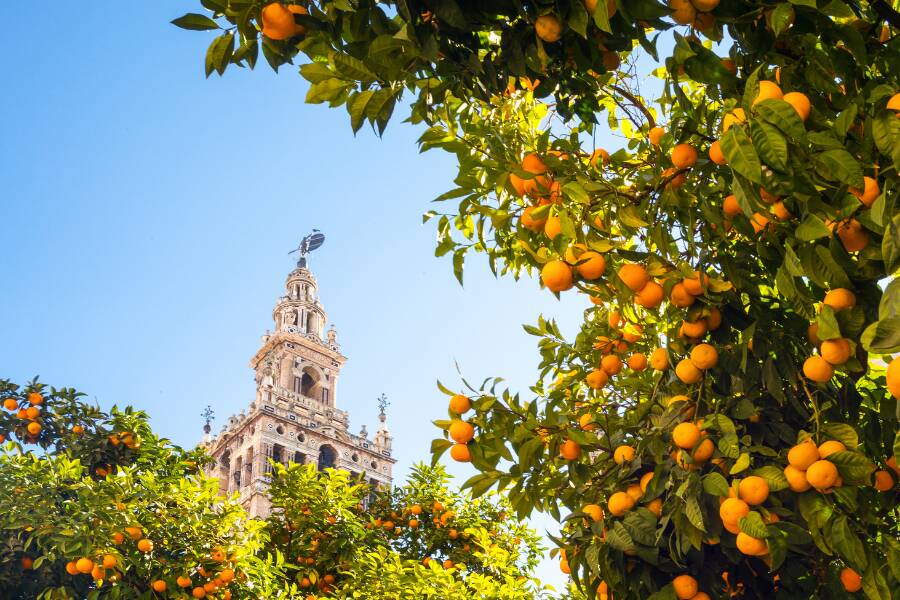
Do you prefer combining astronomical views with world-class food? Southern Spain offers the perfect vantage point. Cádiz is one of the oldest continuously inhabited cities in Western Europe. It will experience total darkness along its Atlantic coastline. The surrounding region of Andalusia is seeing a massive surge in rural boutique stay bookings. You can plan road trips that link sherry tasting in Jerez, tapas in Seville, and coastal eclipse viewing away from crowded stadium setups.
Travel Tip: We recommend you position yourself early along the eclipse path. Confirm your accommodation bookings at least 12 months in advance, as local infrastructure in prime totality zones will operate at maximum capacity.
High Altitudes and Arctic Frontiers
As global temperatures rise, you might look for pristine cold-weather environments and remote high-altitude deserts to disconnect.
Atacama Desert, Chile
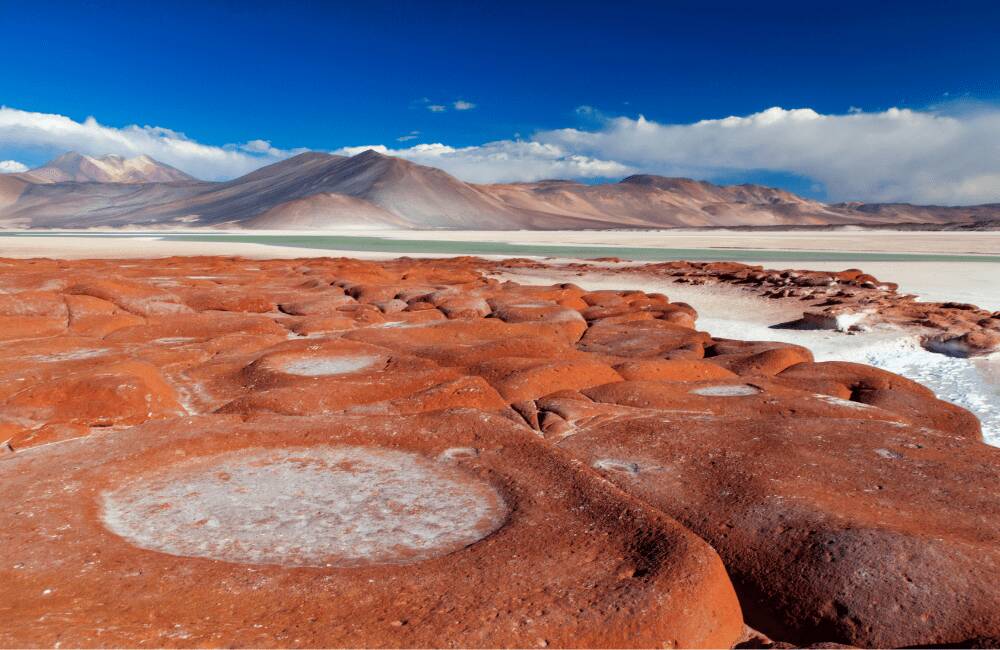
The Atacama Desert sits at an average elevation of 8,000 feet. The surrounding plateaus reach beyond 13,000 feet. This makes it the dry astronomical capital of the world. In 2027, astro-tourism and high-altitude wellness retreats lead the trend here. You can visit surreal salt flats, geyser fields, and stargazing tours under clear skies. The high elevation brings intense daytime sun, but nighttime temperatures drop quickly near freezing at 32°F.
Nuuk, Greenland
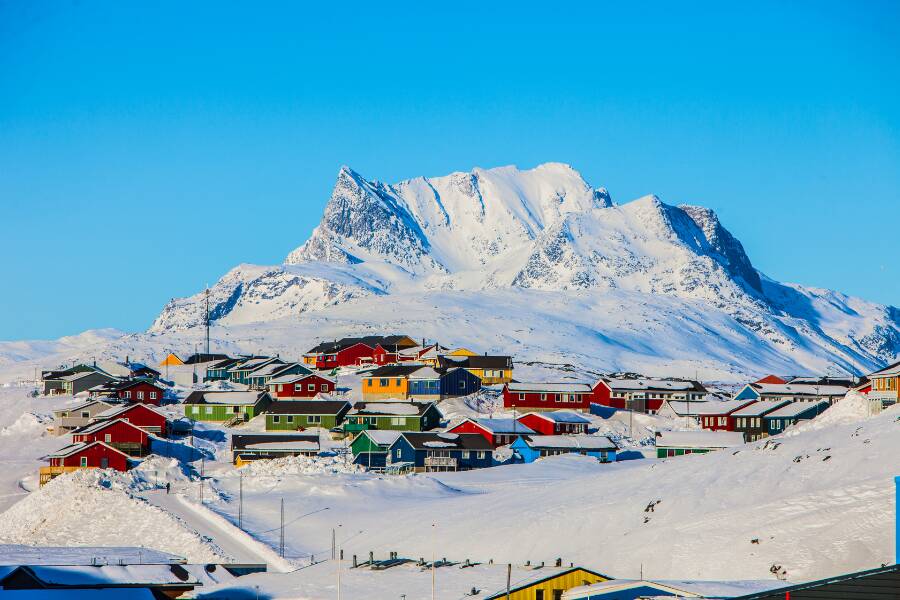
Greenland is shifting from a niche expedition spot to a premier eco-adventure destination. The expansion of Nuuk International Airport makes the Arctic capital far more accessible with direct flights from North America and Europe. You can use Nuuk as a base for guided fjord kayak tours and backcountry hiking. You can also join community-led cultural excursions that support Indigenous Greenlandic traditions without overwhelming local villages.
Northern Coast, Norway
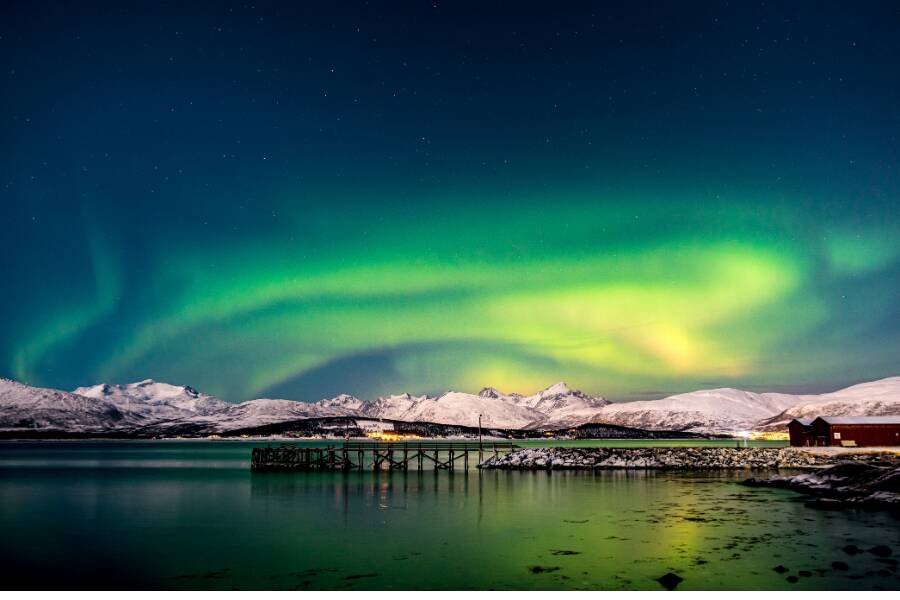
Norway’s Arctic coast stretches from Tromsø through the Lofoten Archipelago. It continues to draw travelers who want to see the lingering effects of the solar maximum auroras. In 2027, we suggest slow coastal boat travel and electric fjord cruises. Beyond winter lights, summer visitors use the 24-hour midnight sun for coastal trekking, ocean saunas, and wildlife safaris focused on sperm whales and sea eagles.
Travel Tip: When you travel in isolated Arctic or desert zones, verify your communications plan. Make sure it includes offline satellite messaging or an active eSIM, as cell service disappears rapidly outside main towns.
Slow Travel and Authentic Cultural Escapes
Conscious travelers want to avoid overtourism. These destinations offer rich history, great food, and relaxed rhythms away from dense tourist crowds.
Regional Japan: Kanazawa and the Hokuriku Region
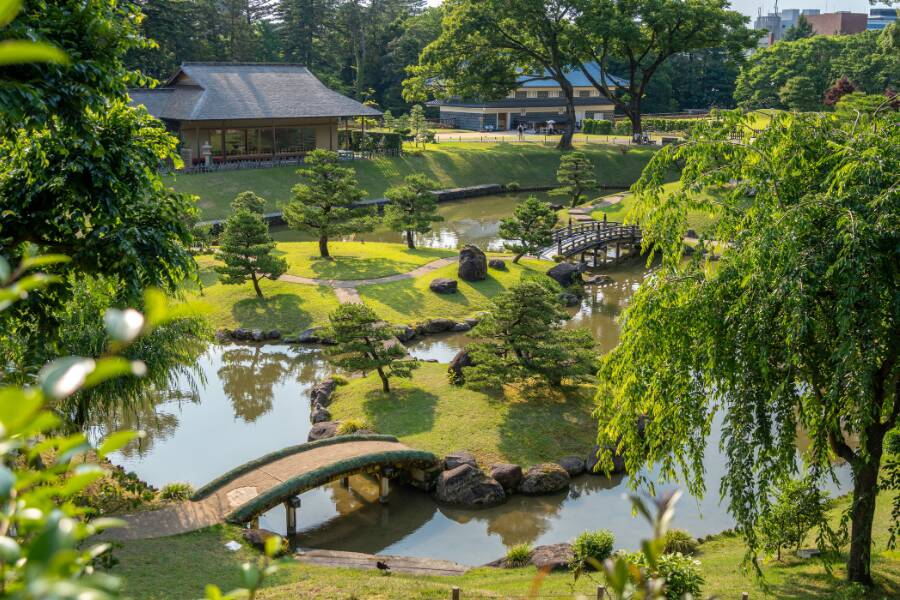
Tokyo and Kyoto remain iconic, but savvy travelers in 2027 take high-speed bullet trains directly to Kanazawa and the broader Hokuriku region. Known as the cultural rival to Kyoto, Kanazawa offers preserved samurai districts and geisha tea houses. It also features Kenroku-en, one of Japan’s finest historic gardens. You can engage directly with local artisans through regional craft experiences, like gold leaf application and lacquerware workshops. This helps support the local economy.
Grenada, Caribbean
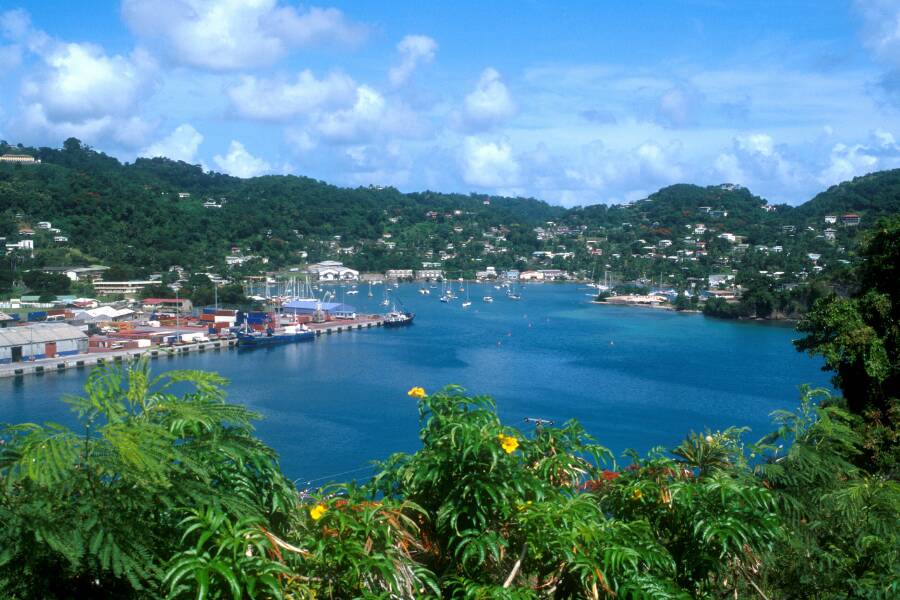
Grenada is becoming the Caribbean’s capital for sustainable luxury. People call it the Spice Isle due to its organic nutmeg, cocoa, and cinnamon farms. Grenada avoids massive mega-resort developments in favor of low-impact eco-lodges and boutique beachfront retreats. You can dive at the world’s first underwater sculpture park or hike through the rainforest trails of Grand Etang National Park. You should also sample tree-to-bar chocolate at historic estates.
Sri Lanka: Cultural Triangle and Hill Country
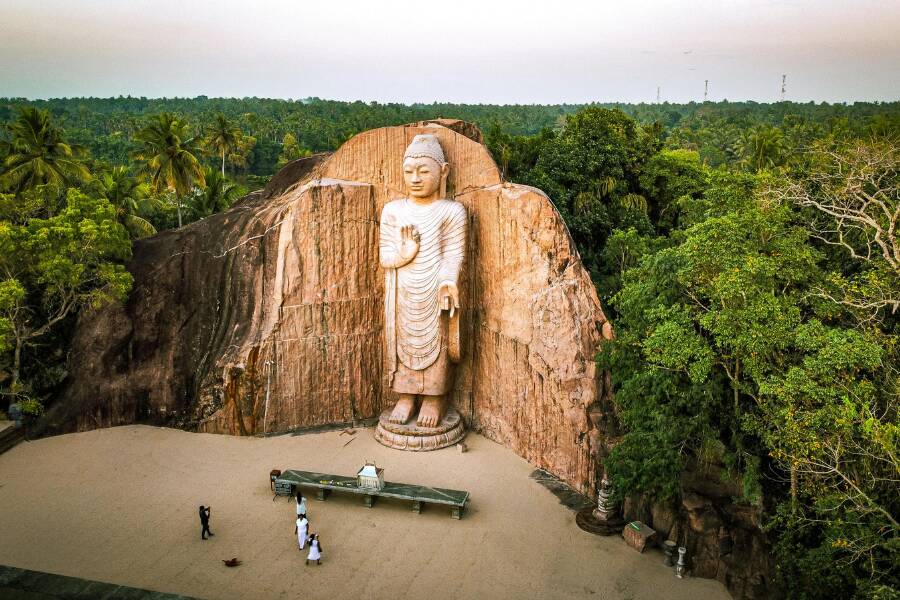
Sri Lanka’s central region is experiencing a renaissance among slow travelers. The classic train journey from Kandy to Ella winds through emerald tea plantations at elevations up to 6,000 feet. This gives you unmatched views of mountain valleys. In 2027, you can combine heritage visits to the ancient rock fortress of Sigiriya with private wildlife safaris in Minneriya National Park. You can even see wild elephant gatherings during the dry summer season.
We recommend you embrace regional rail networks and public transport where available. Slow travel minimizes your carbon footprint while delivering a far more immersive connection to local communities.
Alpine Coolcations and Tropical Sanctuaries
The desire to beat the heat gave rise to the “coolcation” trend. Travelers exchange scorching beach resorts for fresh mountain air or protected island nature reserves.
The Dolomites, Italy
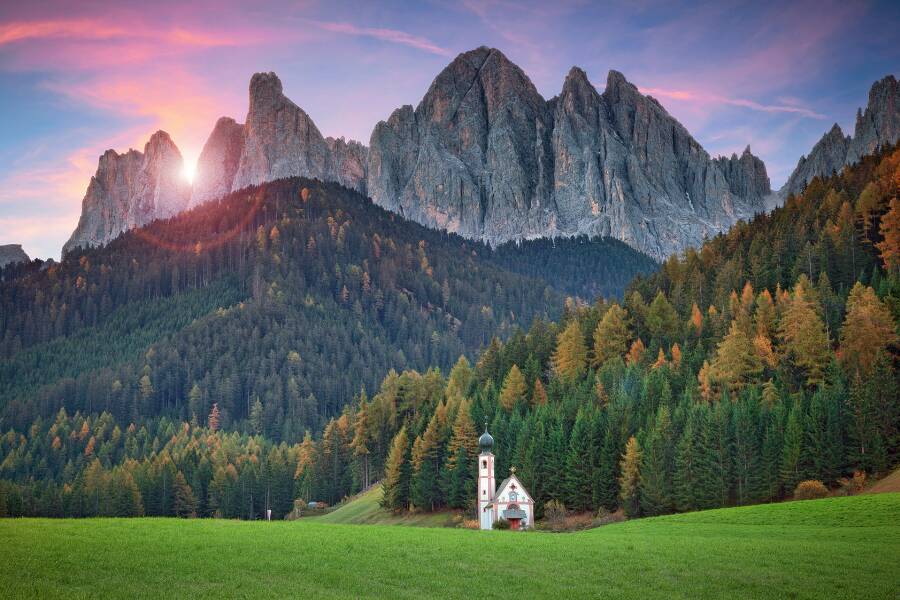
The dramatic limestone peaks of northern Italy are now a top summer sanctuary. If you want active days and refined alpine wellness, this is the place. Rather than visiting during winter ski season, you can explore vast networks of high-mountain trails in the summer. You can stay in family-run alpine huts and enjoy farm-to-table South Tyrolean cuisine.
Most popular hiking routes sit between 5,000 and 8,000 feet above sea level. This offers pleasant daytime temperatures around 68°F.
Con Dao Islands, Vietnam
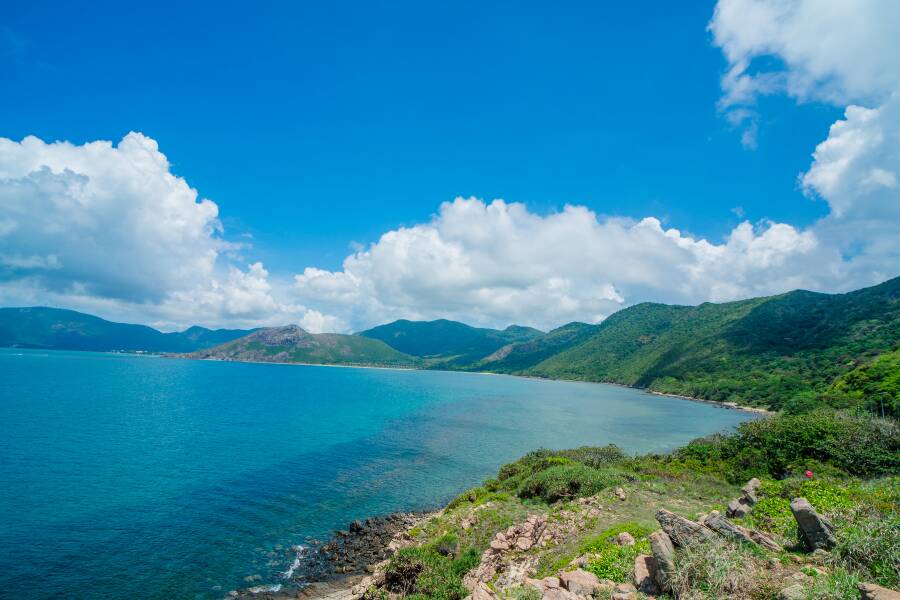
The Con Dao archipelago sits off the southern coast of Vietnam. It serves as a pristine alternative to busier Southeast Asian beach spots. Over 80 percent of the island group’s land and surrounding sea is protected as part of Con Dao National Park. You can swim alongside green sea turtles and hike through dense coastal forests. You can also stay at low-impact luxury eco-resorts dedicated to marine conservation and reef restoration.
Travel Tip: When you plan an alpine or island retreat, check local seasonal weather patterns closely. Mountain passes can experience sudden afternoon storms, while tropical islands face distinct monsoon shifts.
From the Heymondo Claims Team
High-altitude destinations like the Atacama Desert or mountain trekking routes in the Dolomites present unique medical challenges. These often catch travelers unprepared. Altitude sickness can occur at elevations as low as 8,000 feet. This condition often requires descent, oxygen therapy, or outpatient medical attention. Under standard travel assistance policies, emergency medical care and stabilization are covered.
However, if your itinerary includes active outdoor sports or hiking above 9,842 feet, standard medical coverage is insufficient. You must add an adventure sports rider to your policy before departure. This ensures search, rescue, and high-altitude medical care are fully protected.

Frequently Asked Questions About 2027 Travel
How far in advance should I book travel for the 2027 solar eclipse?
You should begin booking accommodations and regional transport at least 12 to 18 months prior to August 2, 2027. Prime viewing hubs like Luxor, Egypt, and Cádiz, Spain, have limited hotel inventories compared to the projected influx of global travelers, and top boutique properties sell out early.
What is a “coolcation” and why is it trending for 2027?
A coolcation refers to taking a vacation in temperate or high-altitude destinations to escape extreme heatwaves in traditional summer spots. Destinations like the Italian Dolomites, Norway, or Greenland prioritize outdoor recreation, comfortable daytime temperatures, and nature-focused wellness.
Does travel insurance cover high-altitude sickness?
Yes, standard Heymondo Travel Insurance covers initial emergency medical care and doctor consultations if you experience altitude sickness. However, if you plan to trek or hike above 9,842 feet, you must select the adventure sports add-on option during checkout to ensure search, rescue, and specialized evacuation expenses are covered.
What visa rules apply to U.S. citizens visiting these destinations in 2027?
U.S. passport holders can travel to Spain, Italy, Norway, and Chile for short tourist stays without a visa. However, European destinations require an approved ETIAS authorization prior to entry. Countries like Egypt and Vietnam offer straightforward online e-Visa portals for U.S. travelers, while Grenada allows visa-free entry for up to 90 days. Always verify current entry requirements on the U.S. Department of State Travel Website before departing.
Whether you are chasing the total eclipse across North Africa or unwinding on a remote tropical island, taking care of your safety guarantees total peace of mind. Make sure you secure a comprehensive policy that specifically covers your international trip before you set off on your 2027 adventures.
Featured stories