Halloween traces its deepest roots to the ancient Celtic festival of Samhain. Over the centuries, the holiday we recognize today gradually took shape as seasonal customs blended with Christian observances.
Today, the season looks very different depending on where you travel. While some countries fully embrace modern Halloween, others observe separate traditions focused on honoring ancestors, welcoming spirits, or marking the changing seasons.
That distinction is important for travelers to understand. Día de Muertos in Mexico, Gai Jatra in Nepal, Zhongyuan in China, and Zaduszki in Poland are not simply local versions of Halloween. They carry their own profound histories and cultural meanings. This guide explores ten traditions worth understanding before you pack your bags.
Index
Experiencing Halloween Traditions Around the World
From giant puppets weaving through New York to mesmerizing fire performances in Edinburgh and the glow of candlelit cemeteries in Poland, these celebrations reveal just how differently cultures approach the autumn season.
Halloween in the U.S.
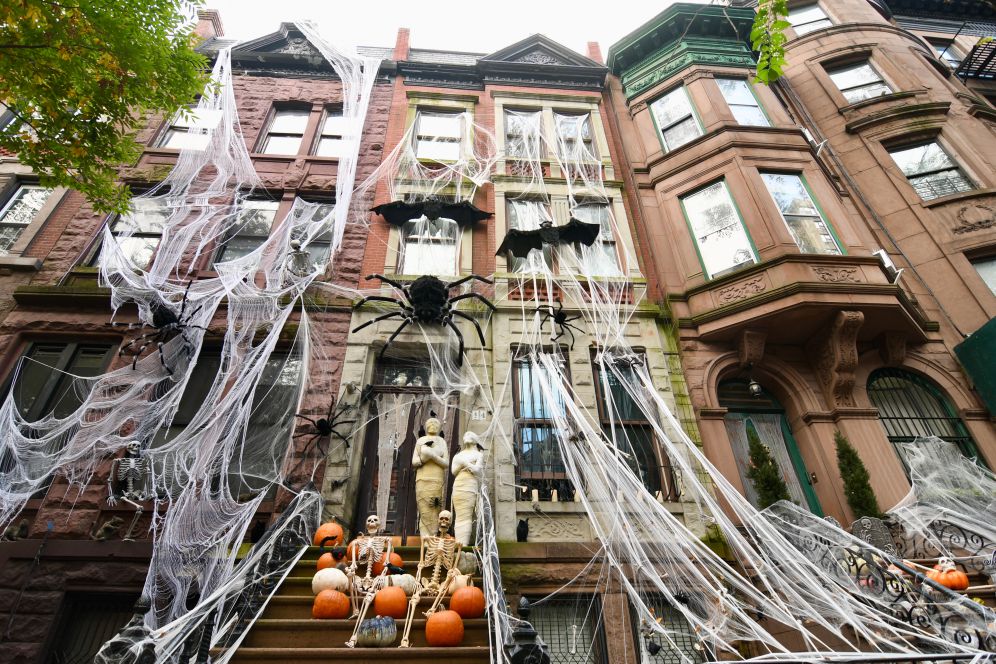
Irish and Scottish immigrants helped shape Halloween in the United States throughout the 19th century. Their traditional customs gradually intertwined with American community celebrations to create the holiday we know today. Trick-or-treating, lively costume parties, haunted attractions, pumpkin carving, and elaborate front-yard displays are now central to the seasonal experience.
For a large-scale city celebration, New York’s Village Halloween Parade remains one of the standout events. The 53rd annual parade is officially scheduled for Saturday, October 31, 2026, at 7 p.m. Anyone is welcome to watch from the sidelines, but costumed visitors can actually join the parade route to become part of the spectacle.
Travel Tip: If Salem, Massachusetts, is on your itinerary, plan early. Destination Salem highly recommends booking your October experiences well in advance, noting that a midweek visit or a trip earlier in the month will be significantly easier to navigate than the actual Halloween weekend.
Halloween in Scotland
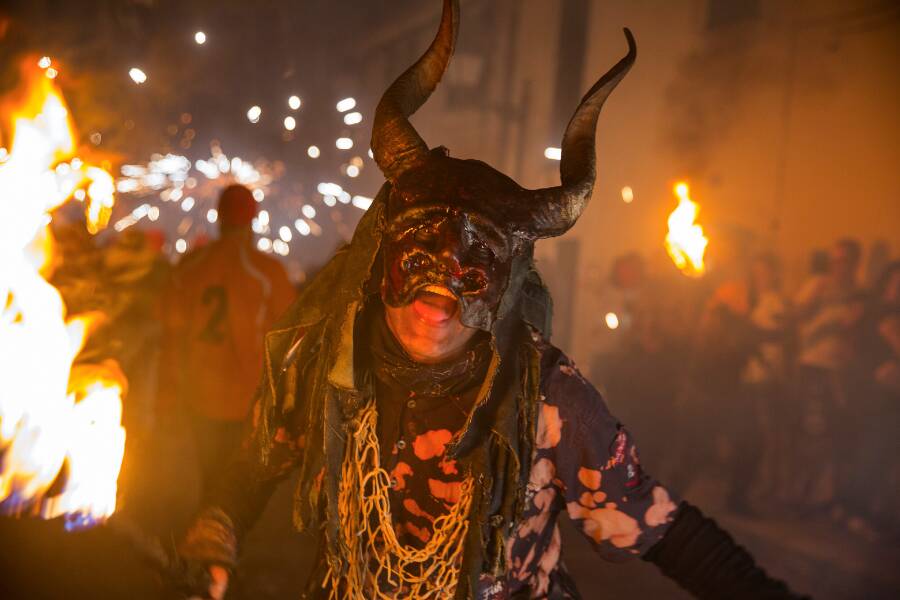
Scotland holds some of the strongest historical links to the holiday. VisitScotland notes that the word Halloween actually comes from a Scottish shortening of All Hallows’ Eve. The beloved custom of children dressing up and visiting local homes is traditionally known here as guising.
Edinburgh also hosts the Samhuinn Fire Festival, a spectacular modern theatrical celebration inspired by ancient seasonal folklore. Designed to mark the transition from summer to winter, the Beltane Fire Society stages Samhuinn on October 31 each year. The event brings the streets to life with fire, rhythmic drumming, elaborate costumes, and immersive street performances, acting as a modern production rather than an unchanged ancient ritual.
Travel Tip: Samhuinn is a highly popular event with limited capacity, so be sure to check the organizer’s 2026 announcements before finalizing your Edinburgh itinerary.
Día de Muertos in Mexico
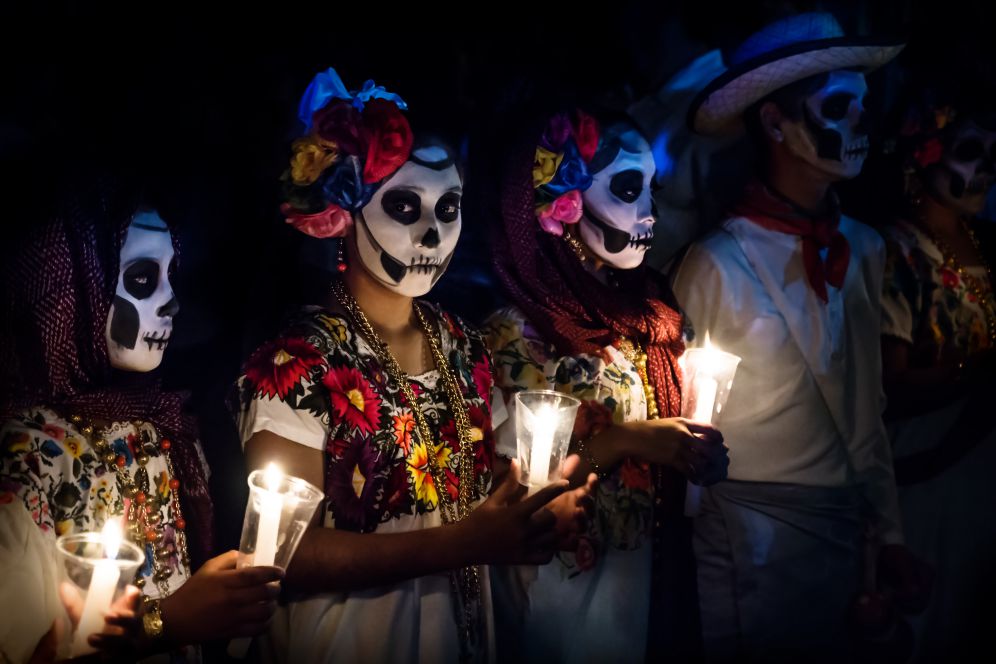
Día de Muertos, or Day of the Dead, is not simply the Mexican name for Halloween. It is a completely distinct tradition blending Indigenous and Catholic roots, running from the end of October into early November. In fact, UNESCO recognizes the Indigenous Festivity Dedicated to the Dead as an Intangible Cultural Heritage of Humanity.
Families lovingly prepare ofrendas (offerings) featuring candles, flowers, photographs, favorite foods, and meaningful objects to honor deceased relatives. Marigolds and sweet pan de muerto are closely associated with the season, transforming cemeteries and homes into warm places of reunion and remembrance rather than spooky attractions.
Halloween and the Ghost Festival in China
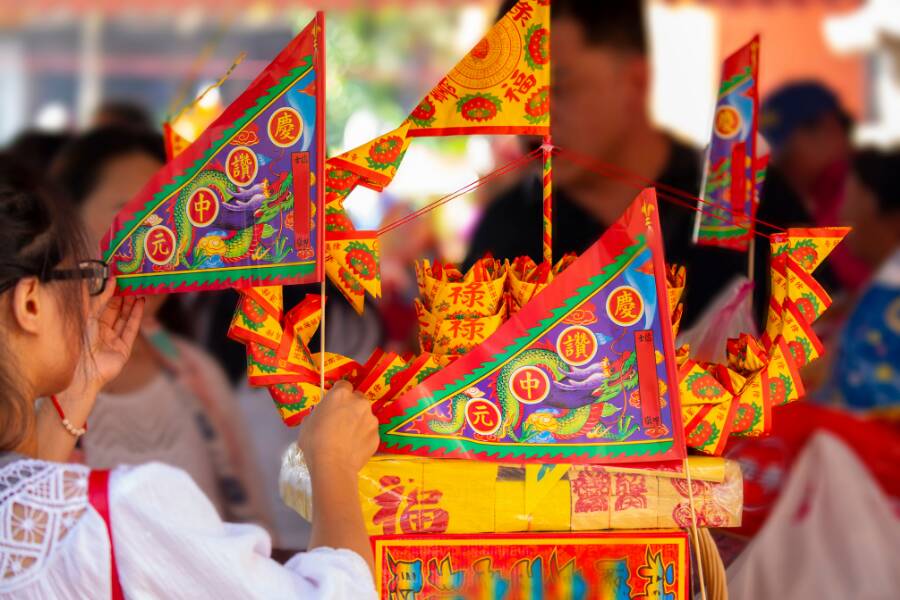
Halloween is not a traditional holiday in China, though themed events and costume parties have become popular in major metropolitan areas. A completely separate tradition involving the dead is Zhongyuan, widely known as the Hungry Ghost Festival, which falls on the 15th day of the seventh lunar month.
Specific customs vary widely by region but frequently include ancestor offerings, burning incense, folding joss paper, and floating lanterns on the water. The Shanghai municipal government describes Zhongyuan as a vital time for paying respects to the deceased, noting that river lanterns and traditional offerings remain important local practices.
Halloween in Japan
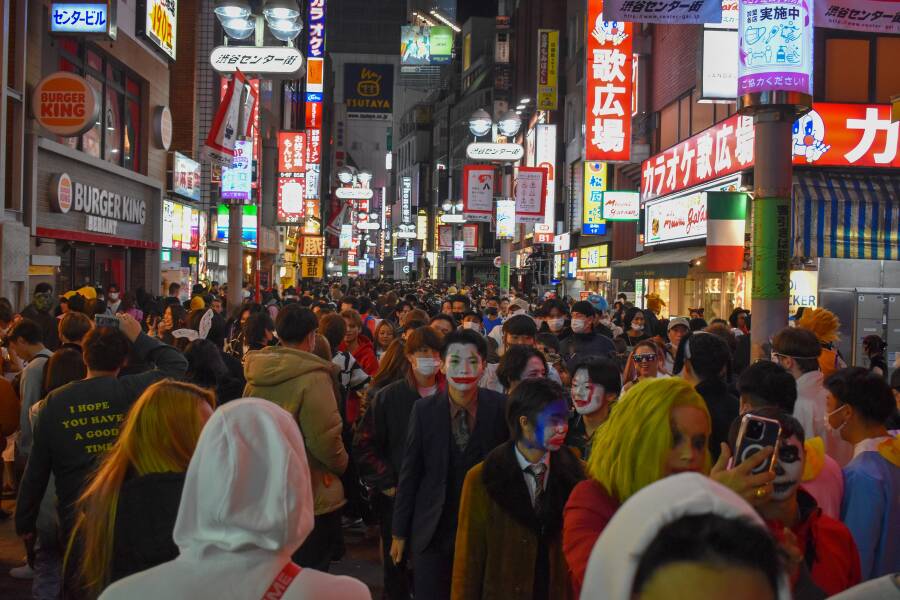
The Halloween scene in Japan is largely modern and entirely entertainment-driven. Elaborate costumes, character-inspired looks, theme-park events, seasonal restaurant menus, and nightlife celebrations are vastly more common than door-to-door trick-or-treating.
While Shibuya used to be internationally famous for its massive, spontaneous Halloween street gatherings, travelers can no longer plan around this. Shibuya City now enforces a permanent, year-round ban on nighttime public drinking in the streets and parks around the station area from 6 p.m. to 5 a.m. The district continues to implement strict crowd-control measures to actively discourage Halloween street parties.
Travel Tip: Do not build a Tokyo Halloween trip around a Shibuya street gathering. Choose an organized event, theme park, or venue instead, and always review local ordinances shortly before you arrive.
Halloween in South Korea
Travelers should avoid describing Chuseok as the South Korean version of Halloween. Instead, it is a distinct harvest and family holiday centered entirely on ancestral remembrance and family gatherings.
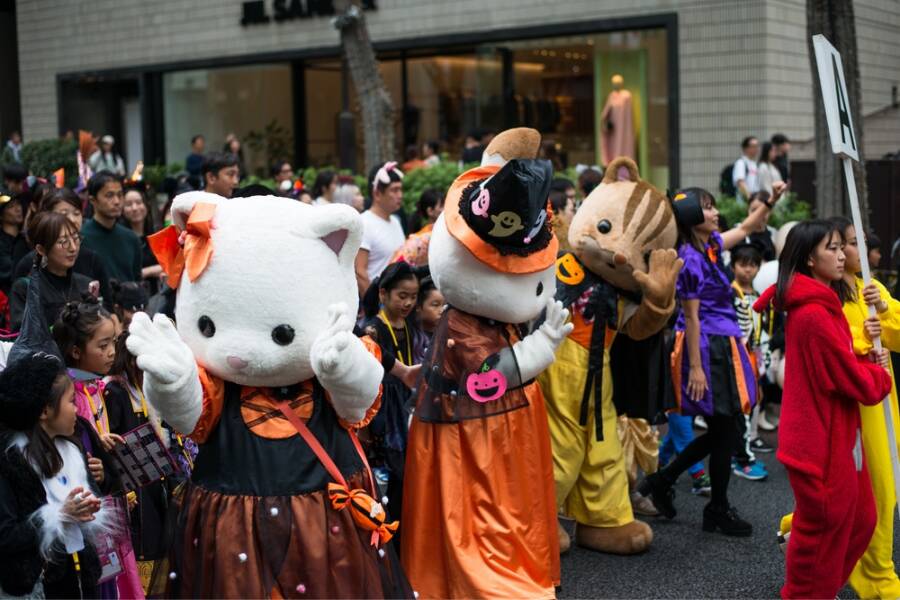
If you are visiting Seoul in late October, check the official Visit Seoul events calendar to find current seasonal festivities. Do not assume that any particular neighborhood will automatically host a public street celebration, as municipal focus has shifted toward organized and regulated events.
Halloween in Italy
Modern Halloween has become increasingly visible across Italy, sitting comfortably alongside the much older Catholic observances of All Saints’ Day on November 1 and All Souls’ Day on November 2. While regional food and solemn remembrance customs remain paramount, many towns and tourist attractions now organize contemporary Halloween events.
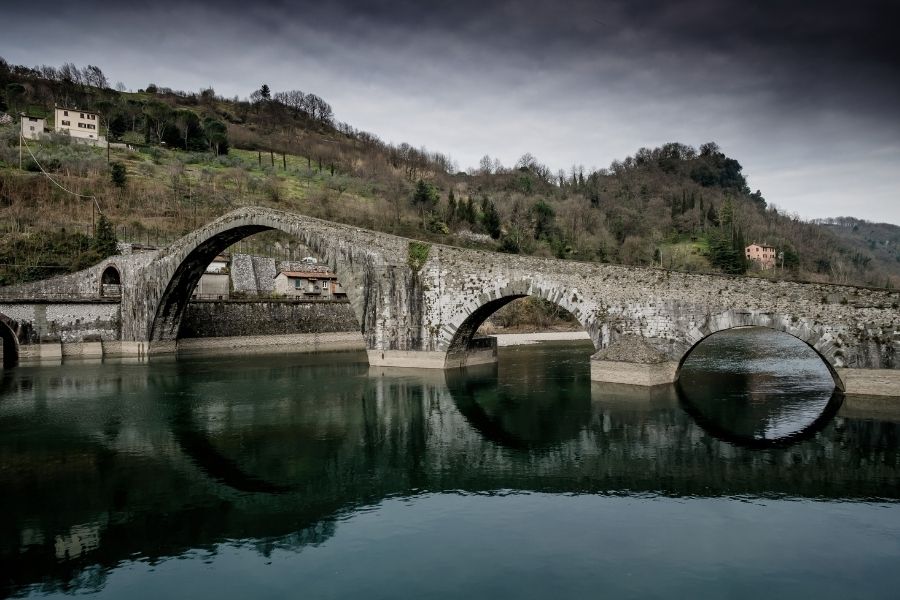
One of the most distinctive places to experience this modern shift is Borgo a Mozzano in Tuscany. Italy’s official tourism site highlights the town’s spectacular annual celebration, which centers around the medieval Ponte della Maddalena, better known as the Devil’s Bridge. A famous local legend links the architecture to a dark bargain with the devil.
Why Borgo a Mozzano stands out:
- It offers a multi-day celebration packed with performances and interactive events.
- The Devil’s Bridge provides a setting rooted in local legend rather than a generic haunted-house theme.
- The small-town Tuscan setting feels remarkably different from celebrating in a major metropolitan city.
Halloween in the Philippines
The Philippines beautifully combines modern Halloween entertainment with deep Catholic observances surrounding Undas. This solemn period includes both All Saints’ Day and All Souls’ Day. An older local tradition tied to this season is pangangaluluwa, a house-to-house practice deeply connected to offering prayers for the dead.
The Philippine Department of Education describes pangangaluluwa as a custom where groups representing lingering souls go from house to house to sing and ask for alms and prayers. Today, it is also standard for families to gather at cemeteries with flowers, candles, food, and quiet prayers, while Western-style costume parties and trick-or-treating thrive in urban neighborhoods.
Halloween in Poland
While Halloween exists in Poland, especially among younger generations and in larger cities, the most significant traditions during this time of year are All Saints’ Day on November 1 and Zaduszki, or All Souls’ Day, on November 2. Families travel far and wide to cemeteries to clean graves, arrange fresh flowers, and light candles for relatives who have passed away.
The atmosphere becomes truly striking after dark when thousands of glowing candles illuminate the cemetery paths. This is a solemn, beautiful act of remembrance rather than a spooky attraction. Poland’s official Trade.gov.pl guide notes that All Saints’ Day is a major national holiday, meaning most shops close and heavy traffic is expected around cemeteries and main roads.
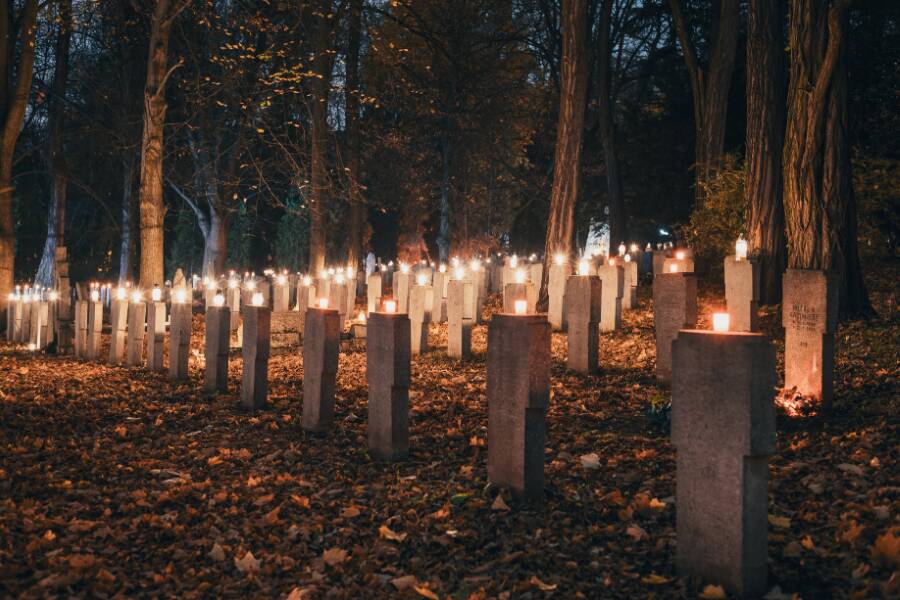
From New York’s massive participatory parade to Edinburgh’s immersive fire performances and the peaceful, candlelit cemeteries of Poland, this season is about far more than just costumes and candy. While some of these events are genuine Halloween celebrations, others are entirely separate cultural or religious traditions. Understanding that difference makes your trip more meaningful and ensures you can participate respectfully.
Featured stories