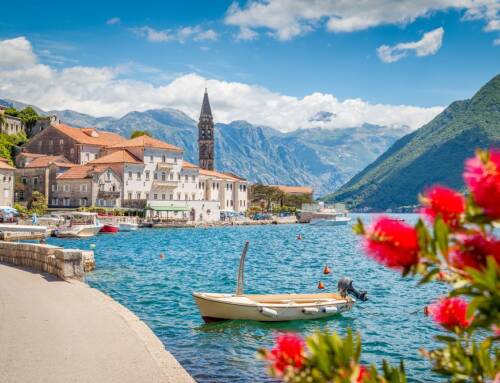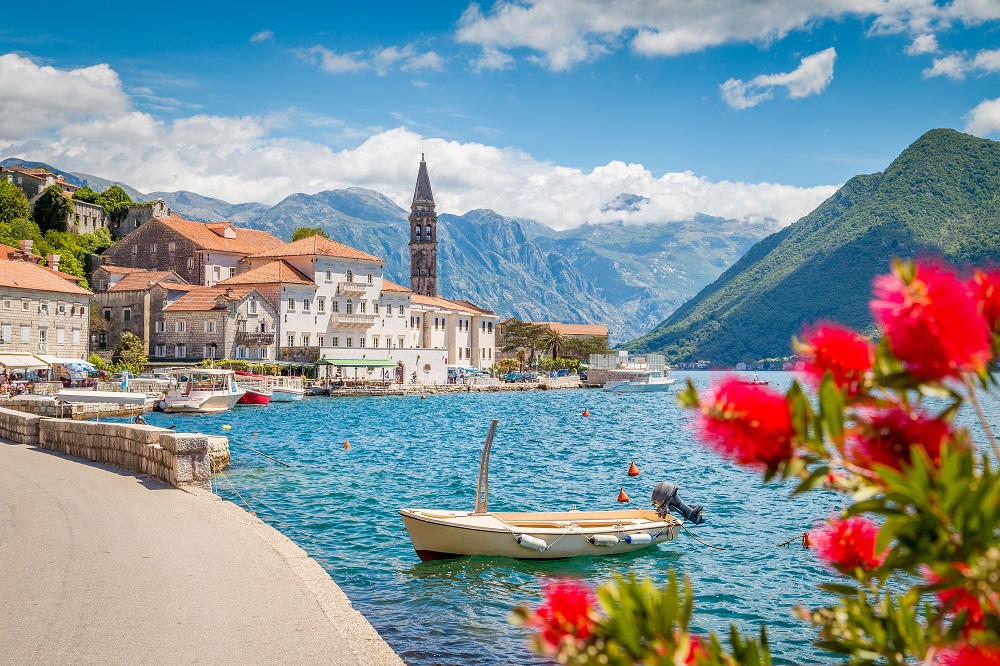
Planning a trip to the UK is all about embracing variety. Whether you are wandering through centuries-old castles, taking in dramatic coastal views, or exploring dynamic city neighborhoods, the UK packs an unforgettable mix of experiences into a remarkably accessible space.
To help you move past generic travel lists and build a realistic, stress-free trip, this guide brings together iconic destinations, natural escapes, and practical routing tips!
Index
Why Visit the United Kingdom?
The United Kingdom packs history, culture, and natural beauty into four unique nations: England, Scotland, Wales, and Northern Ireland. Traveling short distances brings you to sweeping coastlines, ancient castles, and bustling modern towns. You can easily get around using the extensive rail network, enjoy top-tier museums with free entry, and explore vibrant local food scenes.
Travel Tip: Before planning your trip, make sure you meet entry rules. Visitors who do not need a visa must apply for a United Kingdom Electronic Travel Authorisation (UK ETA) online before arriving.
Must-See Cities in the United Kingdom
From historic capitals filled with world-class museums to vibrant coastal centers, British cities offer incredible cultural variety just hours apart by train. Here are the top urban destinations to add to your itinerary.
London, England
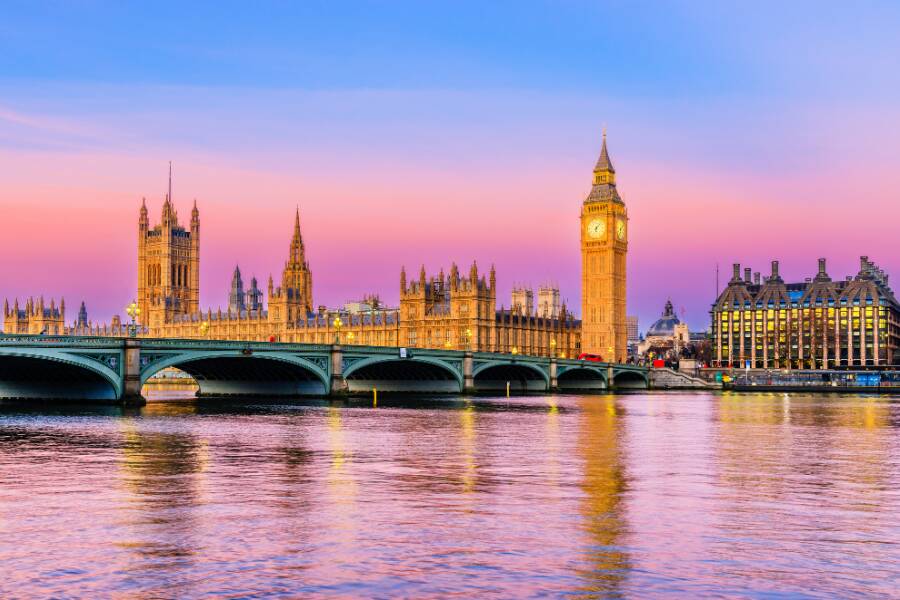
As the capital, London pairs historic landmarks with modern neighborhood life. You can visit world-famous sites like the Tower of London and Big Ben, drop into the British Museum for free, or wander through areas like Soho and Covent Garden.
Edinburgh, Scotland
Set against extinct volcanoes, Edinburgh splits between a medieval Old Town and an elegant Georgian New Town. Stroll down the historic Royal Mile, tour Edinburgh Castle, or hike Arthur’s Seat for sweeping views across the city.

Bath, England
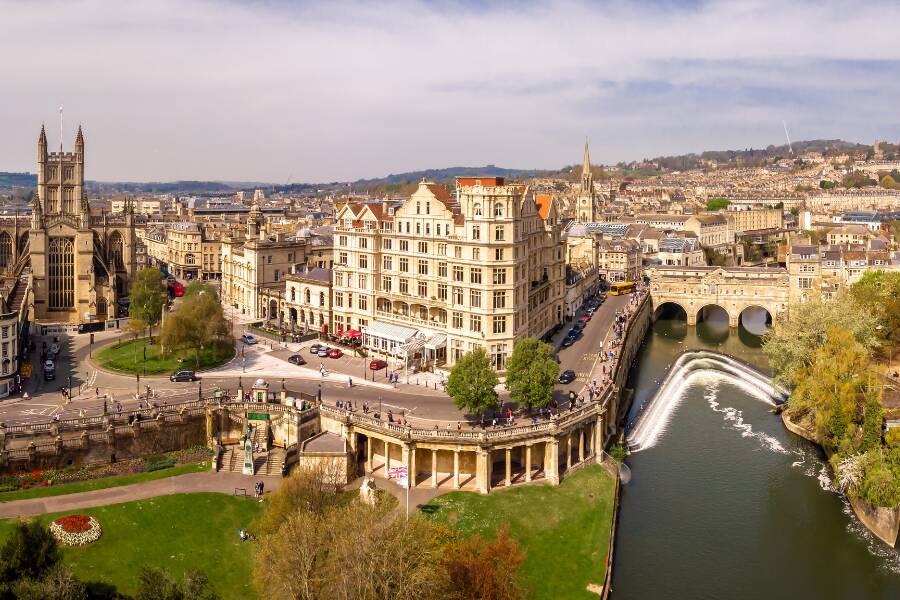
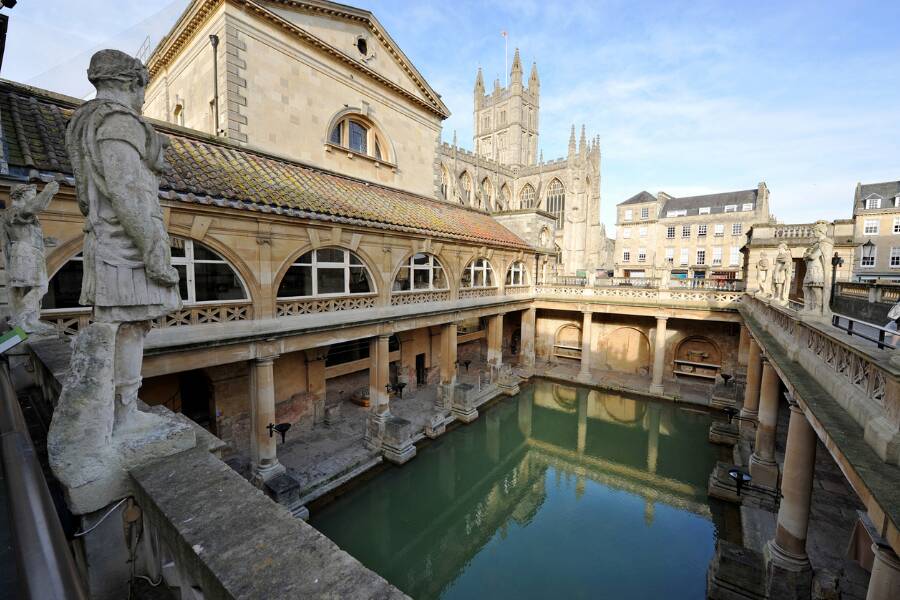
Known for honey-colored Georgian architecture and thermal waters, Bath offers history and relaxation. Walk through the ancient Roman Baths, marvel at the Royal Crescent, and visit modern rooftop thermal springs.
Belfast, Northern Ireland
Belfast features rich maritime history and deep culture. You can visit the Titanic Belfast museum in the dockyards where the ship was built, check out political murals, or enjoy traditional music pubs.

York, England
Ringed by ancient medieval walls, York is built for history lovers. Explore the towering York Minster cathedral, walk down the narrow timber-framed alleyway called The Shambles, and learn about the city’s Viking past.

Cardiff, Wales
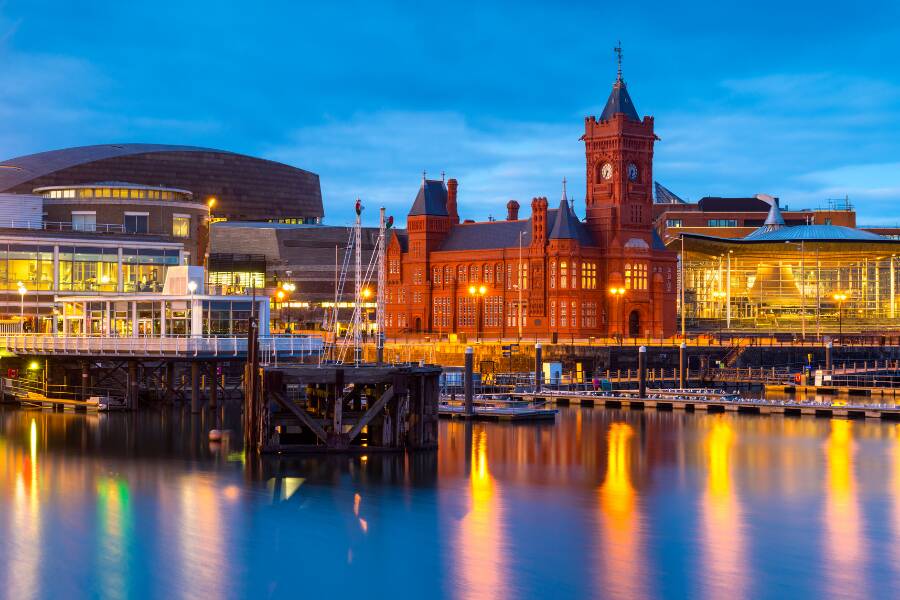
Wales’s capital combines ancient heritage with modern waterfront dining. Cardiff Castle sits in the center of town, while the Cardiff Bay area features cultural spaces, boat tours, and coastal walking paths.
Best Natural Places to Visit in the UK
Beyond the urban centers, the UK countryside features dramatic mountain passes, serene lakes, and protected coastal scenery. These stunning regions showcase the best of the British outdoors.
The Lake District, England
Located in North West England, the Lake District National Park features clear lakes, rugged fells, and historic connections to writers Beatrix Potter and William Wordsworth. It is ideal for lake cruises, village hopping, and hiking Scafell Pike.

The Scottish Highlands and Isle of Skye, Scotland
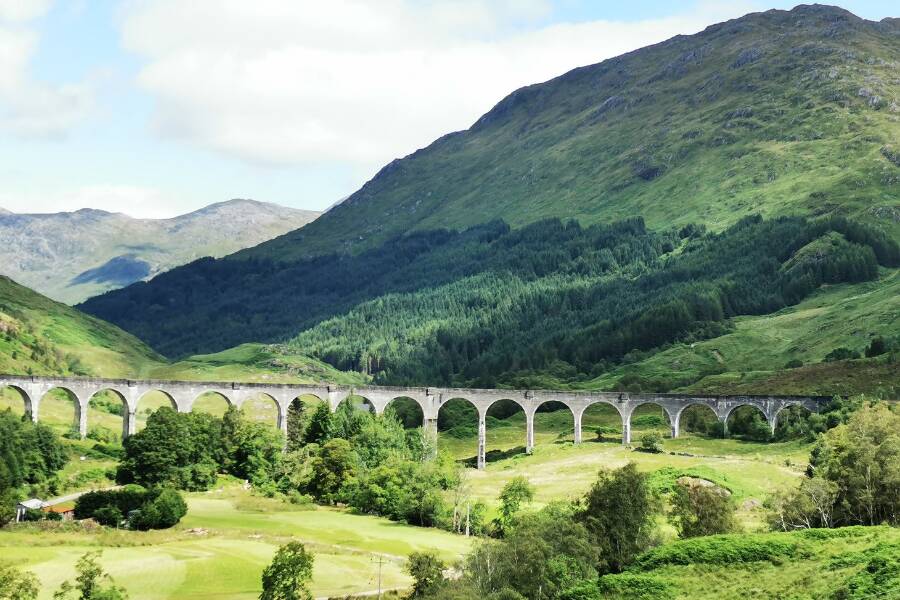
The Highlands feature deep lochs, sweeping glens, and castle ruins. Drive over the bridge to the Isle of Skye to see impressive rock formations like the Old Man of Storr and the Quiraing.
Eryri (Snowdonia National Park), Wales
Eryri is a paradise for outdoor travelers. It holds Yr Wyddfa (Mount Snowdon), the highest peak in Wales and England. You can ride historic steam trains, drive scenic mountain passes, and walk through quiet valleys.

The Giant’s Causeway and Antrim Coast, Northern Ireland
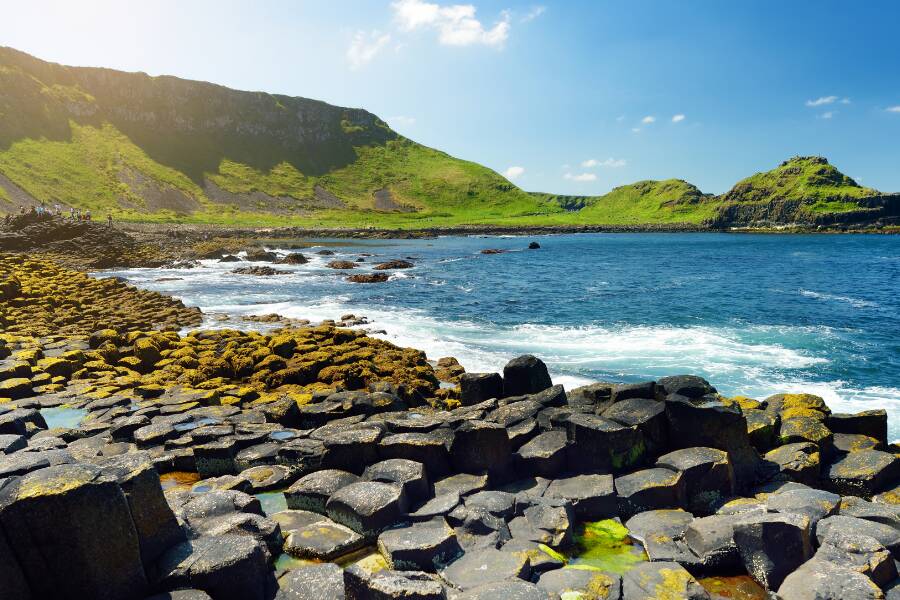
This UNESCO World Heritage Site features roughly 40,000 interlocking basalt columns formed by ancient volcanic activity. The nearby Antrim Coast Road provides one of Europe’s best coastal drives.
Iconic Landmarks in the United Kingdom
From ancient stone circles to magnificent royal fortresses, these world-famous monuments capture thousands of years of British history. Here are the essential historic sites you should not miss.
Stonehenge, England
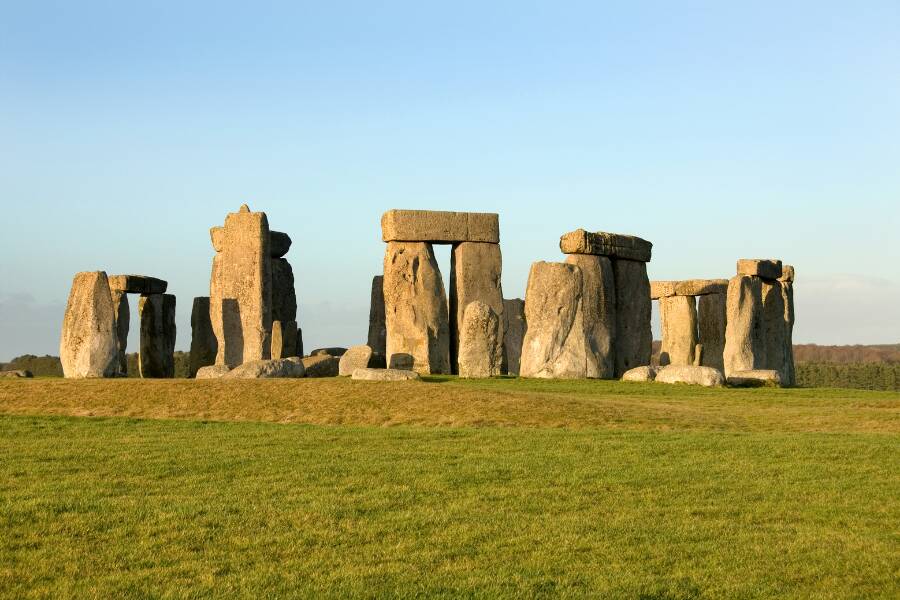
Located on the Salisbury Plain in Wiltshire, Stonehenge stands as one of the world’s most famous prehistoric monuments. Dating back over 4,000 years, these massive standing stones still draw visitors curious about ancient history.
Edinburgh Castle, Scotland
Sitting high on Castle Rock, Edinburgh Castle served as a royal residence and military fortress for centuries. It houses the Crown Jewels of Scotland and offers views across the entire capital.

The Roman Baths, England
Preserved in the heart of Bath, this complex dates back to Roman Britain. You can walk on ancient paving stones, view natural thermal springs, and see preserved artifacts from the original spa city.
The Tower of London, England
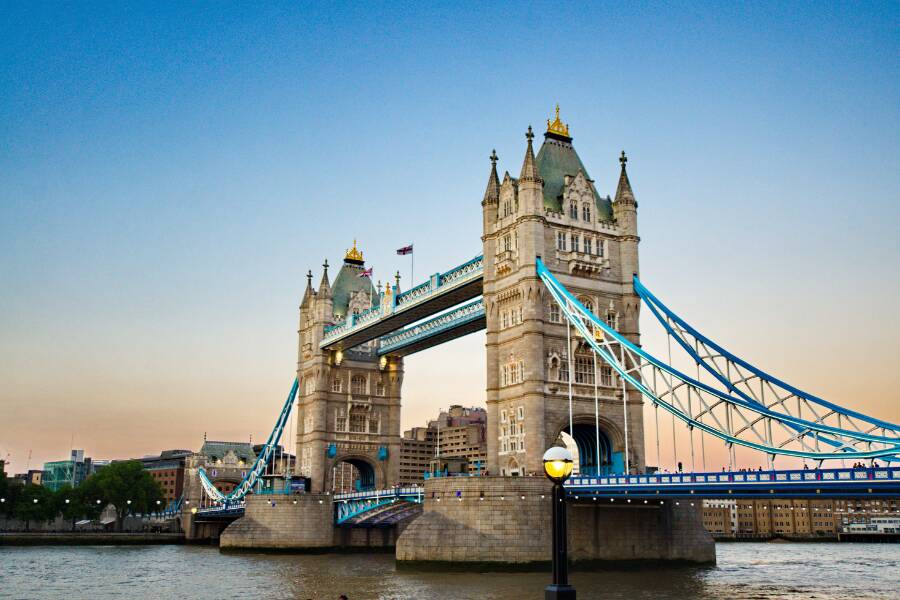
Positioned on the north bank of the River Thames, this historic fortress has served as a royal palace and prison. Today, it houses the Crown Jewels and is guarded by the Yeoman Warders.
Suggested Itineraries
Plan main city routes by train to save money on parking, but rent a vehicle if you plan to visit rural areas like the Scottish Highlands or Cotswolds.
| Trip Duration | Regions Covered | Recommended Route & Highlights |
| 3–5 Days | London & Bath | Spend 3 days exploring London’s landmarks and free museums. Take a 1.5-hour direct train to Bath for 1–2 days visiting the Roman Baths and Georgian streets. |
| 7–10 Days | England & Scotland Express | Take 3 days in London, ride the high-speed LNER train to York for 1 night to walk the medieval walls, and finish with 3 days in Edinburgh. |
| 10–14 Days | UK Tour | Combine London (3 days), the Cotswolds and Bath (3 days), the Lake District (2 days), Edinburgh (2 days), and the Scottish Highlands or Isle of Skye (3 days). |

From the Heymondo Claims Team
When you travel across the UK, our claims team most often handles unexpected medical visits and transit delays on multi-stop itineraries. Emergency care at National Health Service (NHS) hospitals is open to all, but non-residents are billed for outpatient care, specialized treatments, or private clinic visits.
Travel Tips for Visiting the UK
Navigating Transportation:
- The UK rail network links major cities quickly, but booking tickets weeks in advance yields big savings.
- Renting a car gives you more flexibility when visiting countryside regions like the Cotswolds or Highlands.
Understanding Currency & Payments
The UK uses the British Pound Sterling (GBP; £). Contactless card payments and digital wallets work almost everywhere, including public transit like the London Underground. You rarely need to carry large amounts of cash.
Packing for Unpredictable Weather
Rain occurs in any season across the islands. Pack layered clothing, waterproof walking shoes, and a reliable windproof jacket no matter which month you visit.
Driving Rules
Vehicles drive on the left side of the road across the UK. Rural roads in Wales and Scotland can be narrow single-track lanes, so use designated passing places when oncoming cars approach.

Ready to Start Your UK Adventure?
The beauty of the UK lies in how effortlessly you can tailor the trip to your own rhythm. Whether you are planning a fast-paced journey between historic capitals or taking your time along scenic coastal roads, every region brings a new story to discover. Pack your rain jacket, map out your must-see stops, and get ready to experience the incredible charm of the British Isles firsthand!
Featured stories