If you haven’t finalized your August vacation plans yet, stop looking at standard beach resorts and open a map of the Earth’s shadow.
On Wednesday, August 12, 2026, Europe will experience an event that hasn’t occurred on the continent since 1999, and won’t happen here again for decades: a total solar eclipse.
Dubbed “The Great European Blackout,” the path of totality—the precise, 290-kilometer-wide strip where the moon completely blocks out the sun—is slashing directly across the North Atlantic, clipping Western Iceland, and cutting a massive horizontal path straight through Northern and Central Spain.
Because this celestial alignment falls right in the middle of peak summer, it is fundamentally changing how people are planning their holidays. But here is the secret: you don’t need to be a die-hard astrophotographer to enjoy this. If you plan your route strategically, you can effortlessly combine an incredible summer vacation filled with world-class dining, coastal hiking, surfing, or wine tasting with a mind-blowing cosmic event. Of course, with millions of people squeezing into a narrow geographic path, logic tells us things might get a little chaotic on the ground—making it a very smart idea to lock down your travel insurance early before you set off.
This guide covers the logistics, the destinations, the insider hacks, and the lifestyle pairings you need to book a last-minute summer getaway directly into the shadow of the moon.

Index
The strategic choice: Iceland vs. Spain
When you look at the global map of the eclipse path, two primary landmasses stand out for summer travelers. However, from a practical travel-planning perspective, they offer two entirely different experiences.
| Destination | Timing (local time) | Weather odds | The main vibe |
|---|---|---|---|
| Iceland (West Coast) | Late afternoon (~5:48 PM) | 60%+ Chance of clouds | Raw, volcanic, high-risk adventure |
| Spain (North & Central) | Golden hour (~8:30 PM) | 70% to 80% clear skies | Coastal surf, gastronomy, vineyards |
The Icelandic case: High drama, High risk
Iceland will experience the longest duration of totality on land, climbing over two full minutes on the western peninsulas. The eclipse hits in the late afternoon (around 5:48 PM), meaning the sun will still be relatively high in the sky.
However, the reality check for a last-minute summer booker is tough. Iceland’s hotel infrastructure along the Westfjords and the Snæfellsnes Peninsula is inherently limited, and prices for flights and rental cars are high. Furthermore, the North Atlantic summer is notoriously unpredictable. Statistically, there is a 60% or higher chance of cloud cover on any given August afternoon in Iceland. If the clouds roll in, you’ll experience the eerie darkness, but you’ll miss the majestic view of the solar corona itself.
The Spanish case: The perfect “sunset eclipse”
This is where the smart money is for a spontaneous trip. Spain is an incredibly accessible destination for a summer eclipse getaway. Not only does the path of totality cover nearly 40% of the country, but August weather in the Iberian Peninsula is famously stable. Inland regions like Castile and León or Aragon boast an average daytime cloud cover of only 20% to 30%, giving you the highest statistical probability of a clear view.
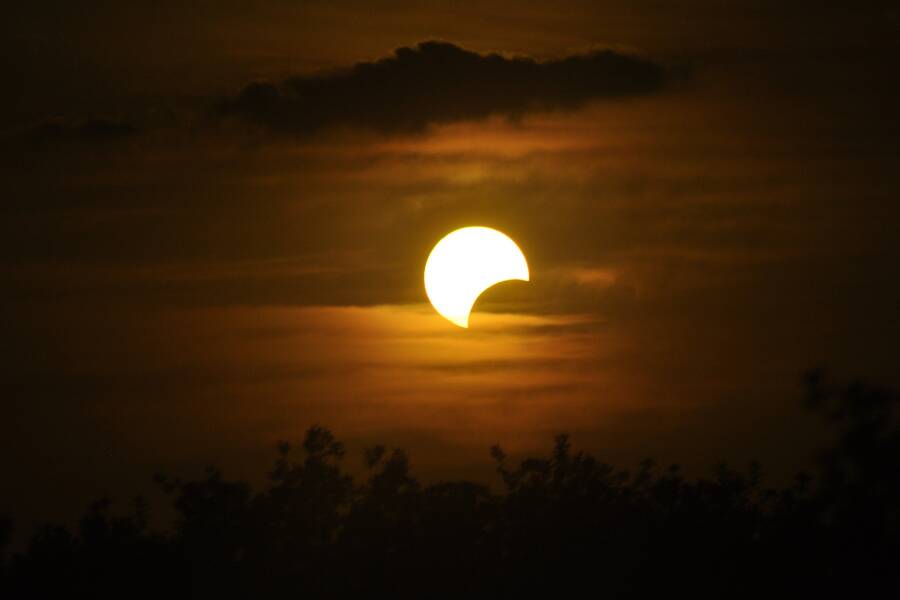
But the real magic of the Spanish eclipse is the timing. Totality occurs between 8:26 PM and 8:33 PM CEST, dropping the land into darkness just minutes before the sun dips below the horizon. Because the sun will be positioned low in the sky, you won’t be staring straight up. Instead, you will witness a rare “sunset eclipse.” The horizon will transform into a surreal, 360-degree twilight glowing with deep pinks, oranges, and purples, while the blacked-out sun rests right on the edge of the Earth.
4 Geographically primed regions to book right now
To make this trip successful, your destination needs to offer a fantastic daytime experience that naturally transitions into an optimized eclipse viewing point by evening. Here are four distinct regions where you can still piece together a summer itinerary.
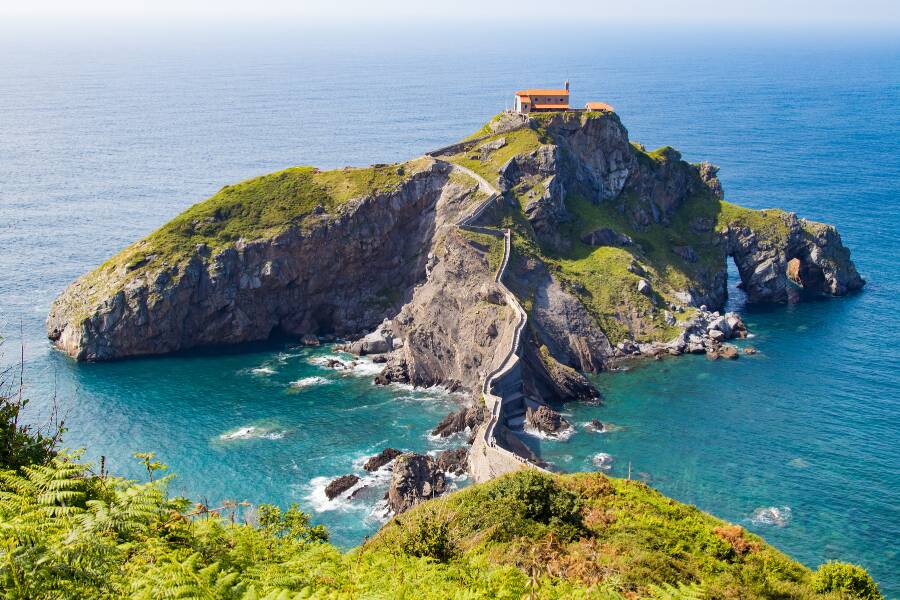
1. The Basque Country & Cantabria (Green Spain)
- The eclipse window: Totality hits between 8:26 PM and 8:28 PM CEST.
- The vibe: Michelin-starred dining, rugged Atlantic surf culture, and dramatic coastal cliffs.
If your idea of a perfect summer vacation involves emerald-green mountains plunging into a moody, wild ocean, head to Spain’s northern coast. This region is a complete departure from the sun-baked plains of the south, offering cooler, ocean-breeze summer days.
- What to do during the day: Spend your mornings surfing the legendary river-mouth break at Mundaka or relaxing on the elegant shore of La Concha beach in San Sebastián. For a dose of world-class culture, head to Bilbao to explore Frank Gehry’s iconic titanium masterpiece, the Guggenheim Museum. When lunchtime rolls around, dive into the old quarters for a pintxos (Basque tapas) crawl. Wash down fresh seafood, local cheeses, and Iberico ham with a crisp glass of Txakoli, a slightly sparkling, dry local white wine.
- Where to watch the eclipse: Because the sun will be low in the west, you want an elevated spot or a coastal cliff with a completely unobstructed western horizon facing the water. Take the historic funicular railway up to the summit of Mount Artxanda overlooking Bilbao just before 8:00 PM for a panoramic view of the valley. Alternatively, head to the Cabo Mayor Lighthouse in Santander to watch the moon’s shadow rush over the open waters of the Bay of Biscay.
2. The vineyards of La Rioja & The Castilian Meseta
- The eclipse window: Totality hits between 8:28 PM and 8:30 PM CEST.
- The vibe: Medieval stone villages, endless rolling vineyards, and deep historical immersion.
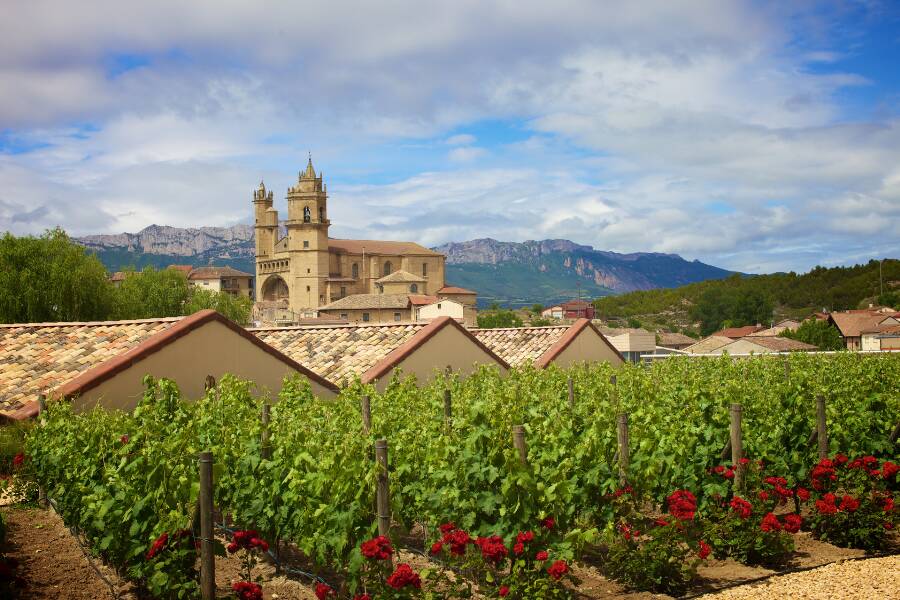
For travelers who prefer rolling countryside, ancient castles, and slow-paced road trips, the inland plains of La Rioja and Castilla y León are unmatched. This region offers the absolute highest probability of cloudless skies on the entire continent.
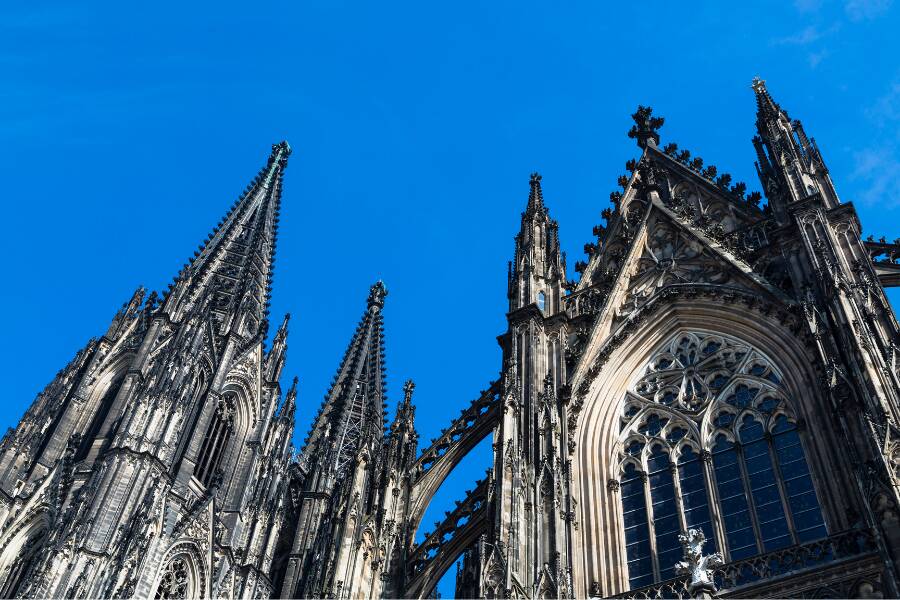
- What to do during the day: Base yourself in the historic town of Logroño or the majestic city of Burgos. Spend your mornings exploring the breathtaking, UNESCO-listed Gothic Cathedral of Burgos, an architectural marvel that took centuries to build. If you love hiking, you can easily walk a scenic, sun-drenched section of the historic Camino de Santiago trail, which cuts directly through this territory. In the afternoon, head into the heart of La Rioja for a tasting tour at a historic bodega (winery) in Haro to sample complex, oak-aged Tempranillo wines.
- Where to watch the eclipse: The vast, wide-open agricultural plains of the Castilian Meseta mean you can pull over almost anywhere and get a flawless view. Walk up to the ancient hilltop fortress ruins of the Castle of Burgos to watch the medieval spires of the cathedral drop into sudden twilight. Or, find an elevated dirt path winding through the Vineyards of Haro to watch the solar corona flash into view over rows of green grapevines.
3. The Valencian coast & The Balearic Islands
- The eclipse window: Totality hits between 8:31 PM and 8:33 PM CEST.
- The vibe: Classic Mediterranean beach holiday, vibrant nightlife, and coastal indulgence.
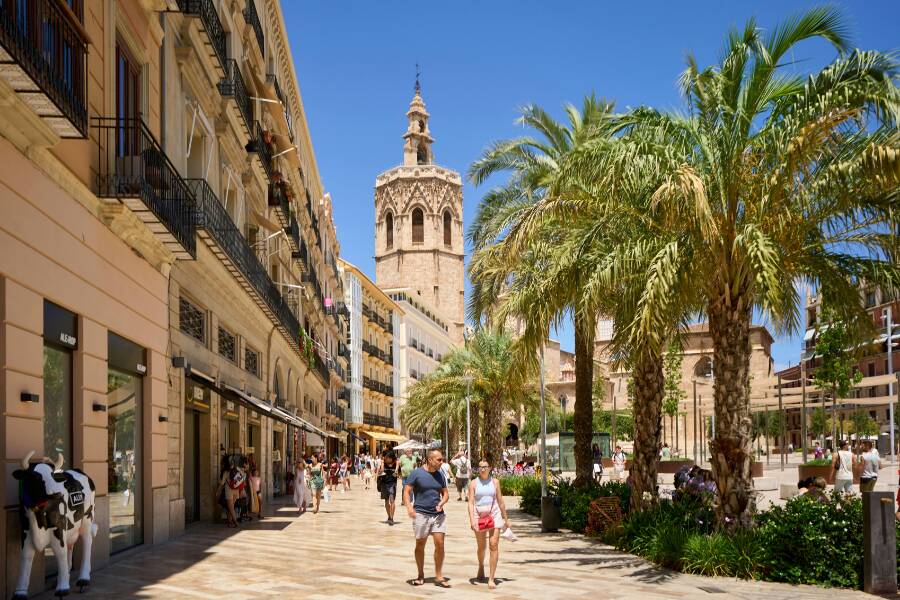
If you refuse to spend your summer vacation anywhere but the warm, azure waters of the Mediterranean, you are in luck. The very tail end of the eclipse’s path exits the Spanish mainland right through the Valencian Community and runs directly over the island of Mallorca.
- What to do during the day: In Valencia, spend your morning wandering through the futuristic complexes of the City of Arts and Sciences or shopping for fresh saffron at the bustling Central Market. For lunch, eat an authentic, wood-fired Paella Valenciana right on Las Arenas beach, where the dish was invented. If you choose Mallorca, rent a scooter and escape to the northern coast. Wind your way through the dramatic Tramuntana mountains, stopping to swim in the crystal-clear waters of hidden stone coves like Cala Deià.
- Where to watch the eclipse: Because the sun will be incredibly low—just 2∘ to 4∘ degrees above the horizon—any obstacle will block your view. You must have an unobstructed view facing directly West/Northwest. Rent a traditional wooden boat to take you out onto the water at the Albufera Natural Park lagoon just south of Valencia, where the eclipse will reflect perfectly across the glassy surface. On Mallorca, head to the dramatic cliffs of Cap de Formentor to watch the sun meet the sea.
4. The wild west coast of Iceland
- The eclipse window: Totality hits around 5:48 PM UTC.
- The vibe: Otherworldly volcanic landscapes, geothermal springs, and raw Arctic adventure.
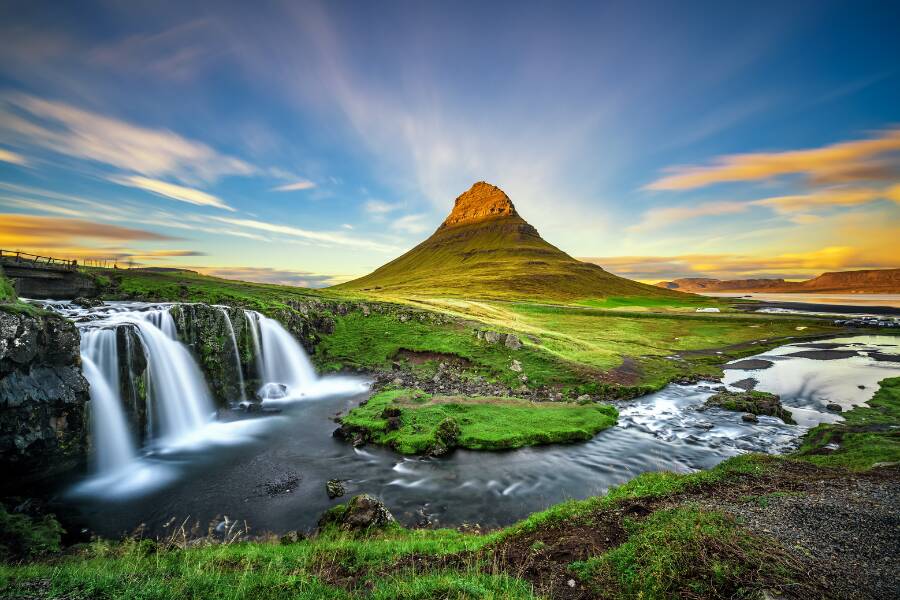
For the traveler who rejects the heat entirely and craves a true wilderness expedition, the west coast of Iceland remains an enticing, high-reward gamble. August brings long days (17+ hours of daylight), making it an incredible time for an active road trip.
- What to do during the day: Rent a sturdy 4×4 vehicle and drive out to the Snæfellsnes Peninsula, often referred to as “Iceland in Miniature” because it contains almost every natural wonder the country has to offer within a few dozen kilometers. Hike along the dramatic, moss-covered basalt sea cliffs of Arnarstapi, walk across the pitch-black pebbles of Djúpalónssandur beach, and marvel at the perfectly symmetrical peak of Kirkjufell mountain. To warm up, seek out a hidden, natural geothermal river or a local stone pool tucked away in a grassy valley.
- Where to watch the eclipse: Because the eclipse happens in the late afternoon here, you have more flexibility with topography, as the sun is higher in the sky. If you want to lean fully into the culture, head to the Echolalia Festival in Hafnarfjörður, just outside Reykjavík. It’s an outdoor eclipse festival held in a sculpture park, featuring a live DJ set by Björk and Arca timed to peak exactly during the minutes of total darkness.
The cosmic double-header: The Perseid Meteor Shower
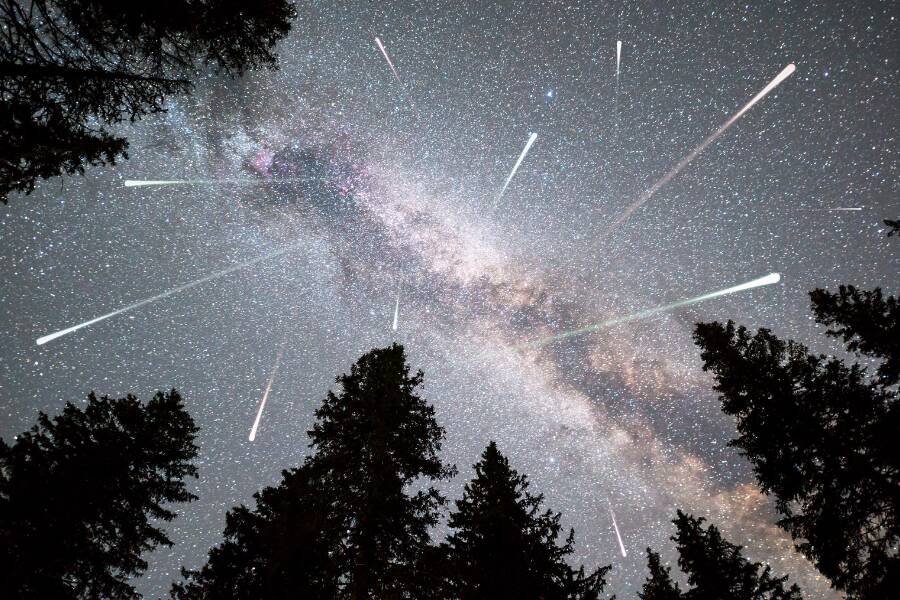
What elevates the 2026 blackout from a cool travel coincidence into an absolute astronomical anomaly is its placement on the calendar. The eclipse takes place on August 12, which happens to be the exact peak night of the Perseid Meteor Shower—widely considered by astronomers to be the most spectacular, reliable shooting star display of the year.
This means if you position yourself smartly in a rural area with low light pollution, your travel itinerary includes a cosmic double-feature. You can witness a total solar eclipse by day, enjoy a late-night dinner of local tapas or fresh seafood, and then lie out a blanket to watch up to 100 bright, blazing meteors streak across the sky per hour by night.
Stargazing tip: To maximize the meteor shower, book a stay near one of Spain’s certified Starlight Reserves that lie directly within the eclipse path. The Gúdar-Javalambre mountain region in Aragon or the isolated valleys of the Palencia Mountains offer exceptionally dark, pristine night skies perfect for catching shooting stars.
Last-minute booking hacks for the 2026 Eclipse
Because this event is drawing millions of global travelers into a specific geographic corridor, standard travel planning rules do not apply. Use these strategic hacks to bypass the logistical bottlenecks.
- Reverse-engineer your transit: If you try to book a flight directly into small northern Spanish airports like Bilbao or Asturias, you will face high prices and limited routing. Instead, fly into Madrid-Barajas (MAD), which has massive international flight volume and stable pricing. From Madrid, rent a vehicle or utilize Spain’s fast, affordable high-speed train network (AVE) to zip north into the path of totality in under three hours.
- Look for the “destination dupe” accommodation: Major hotels in cities like Burgos or Santander have implemented strict non-refundable booking policies and inflated rates for August 11th and 12th. To save your budget, look for casas rurales (traditional countryside homestays) or boutique thermal spa hotels located in tiny, uncrowded villages just outside the main cities. As long as they are inside the shadow line, the view of the sky is the same.
- Pack for a sudden microclimate: When the moon completely blocks out the sun, the source of the Earth’s daytime heat vanishes instantaneously. During totality, temperatures can drop by 5°C to 8°C (10°F to 15°F) in less than three minutes. Even if you are standing in a sun-drenched field in Spain on a hot August afternoon, you will feel a sudden chill. Always pack a light windbreaker or a fleece in your daypack.
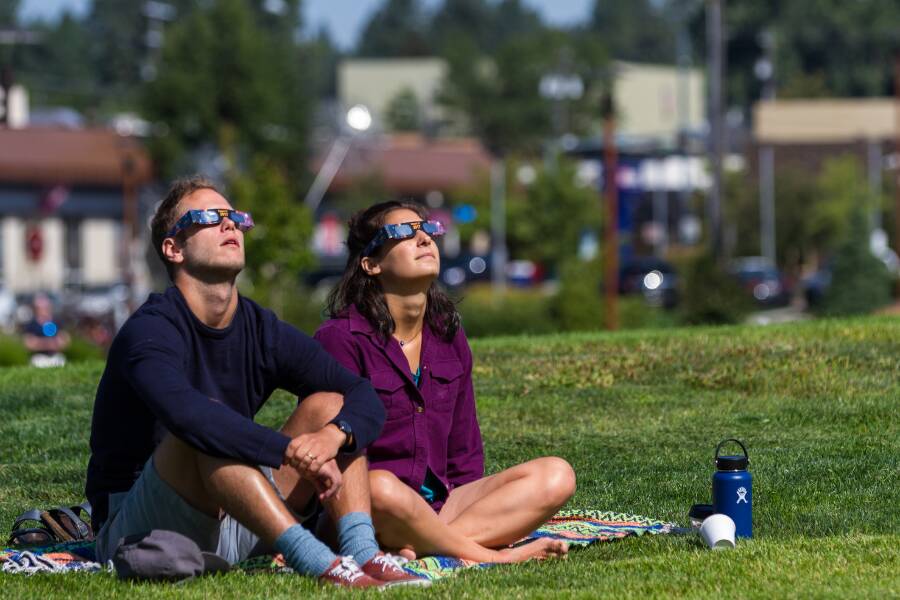
Secure ISO-Certified eyewear ahead of time: You cannot look directly at the sun during the partial phases of the eclipse without permanently damaging your eyes. Do not assume you can casually buy eclipse glasses at a gas station or a local gift shop when you arrive; they will be completely sold out. Order a pair of ISO 12312-2 certified solar filter glasses online before you pack your bags.
Travel protected under the shadow
Whether you choose to chase the dark through the volcanic valleys of Iceland or find yourself toasting a glass of Rioja wine on a Spanish hillside as the sun goes black, an ambitious summer itinerary requires smart planning. With millions of international travelers moving along the same narrow corridor, minor travel disruptions can quickly ripple through a trip. High highway traffic, delayed trains, overbooked flights, or misplaced luggage shouldn’t stand between you and a once-in-a-lifetime cosmic event.
With Heymondo travel insurance, you can step into the shadow of the moon with complete peace of mind. Our customizable travel insurance plans are engineered to protect your investment, offering robust coverage for flight cancellations, luggage delays, and unexpected medical emergencies abroad.
Don’t let the decade’s greatest travel phenomenon pass you by in the dark.
Featured stories