With Spain celebrating its recent victory as the 2026 FIFA World Cup champions, there has never been a more exciting time to experience the country’s energy, history, and incredible food scene. Whether you want to join the celebration on lively city terraces or unwind along peaceful Mediterranean shores, choosing the right time for your trip makes all the difference.
Spain has an extremely diverse geography, ranging from the cool Atlantic coast of the north to the sun-baked plains of the south. This means there is no single “best” month for everyone.
Here is a breakdown of what to expect throughout the year so you can choose the ideal window for your style of travel.
Index
Autumn: Wine Harvests and Crisp City Strolls
- September to November
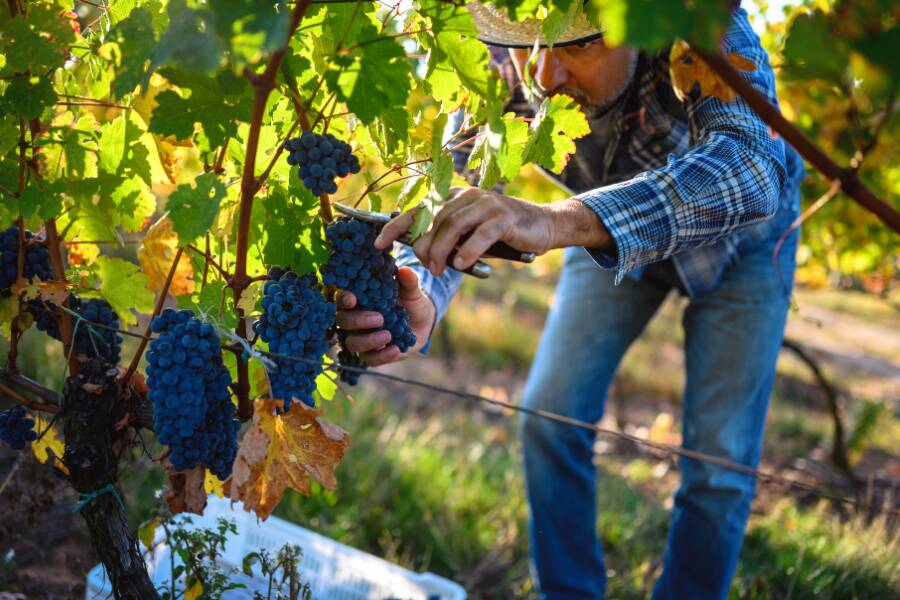
Autumn is a favorite season among seasoned travelers. The summer rush subsides by mid-September, sea temperatures remain warm enough for swimming through October, and the country’s wine regions begin their annual harvest (la vendimia).
- Weather: Expect temperatures between 65ºF and 80ºF in September and October, dropping to cooler, crisp averages in November.
- Highlights: Explore the vineyards of La Rioja and Ribera del Duero, enjoy seasonal mushroom and chestnut dishes in northern markets, and visit top museums in Barcelona and Madrid without the massive summer lines.
Autumn is sort of a hidden gem for foodies and culture seekers, offering lower accommodation rates and comfortable temperatures for city exploration.
Winter: Winter Sun, Museums, and Mountain Escapes
- December to February
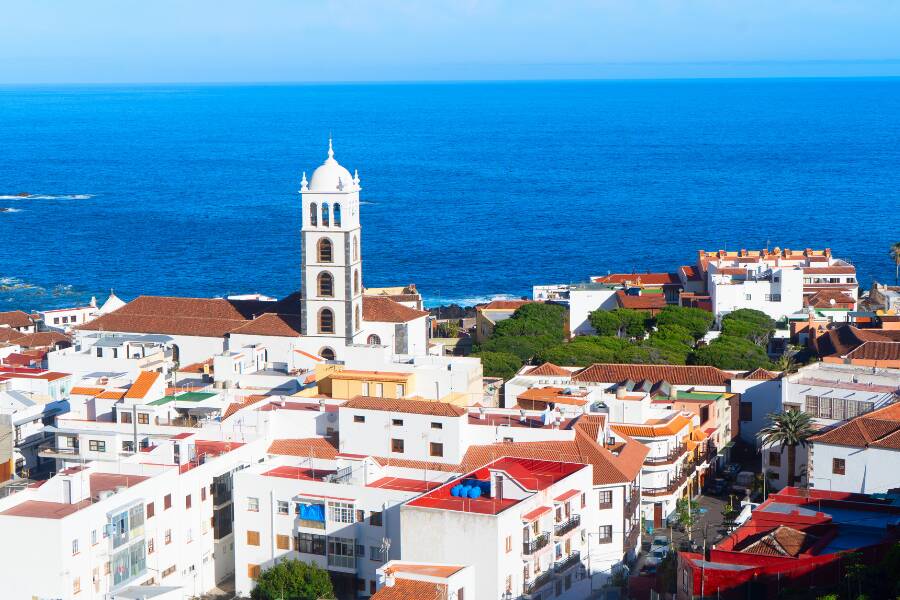
Winter reveals a quieter, much more authentic side of Spain. While interior cities get chilly, southern coastal regions and the subtropical Canary Islands offer mild winter escapes.
- Weather: Central Spain ranges from 35ºF to 52ºF, while the Canary Islands enjoy stable year-round highs near 70ºF.
- Highlights: Wander festive holiday markets in December, enjoy hearty stews like cocido madrileño, ski in the Sierra Nevada or Pyrenees, or escape to the Canary Islands for winter sun.
Spring: Festivals, Blooms, and Perfect Sightseeing
- March to May
Spring is arguably the best time for a Spanish getaway. As temperatures warm up, cities across the country come alive with outdoor dining, blooming gardens, and vibrant regional celebrations.
- Weather: Daily highs range between 60ºF and 75ºF, making it comfortable for full days of walking.
- Highlights: Spring hosts legendary cultural events, including Semana Santa (Holy Week) and Seville’s famous Feria de Abril. It is also the ideal time to walk sections of the Camino de Santiago before peak summer heat sets in.
Traveler Tip: April showers can bring quick rainfall in central and northern regions, so keeping a lightweight waterproof layer in your daypack is recommended.
Spring offers an incredible balance of warm daytime weather and manageable tourist crowds, making it ideal for walking tours through historic city centers like Granada, Seville, and Madrid.

Summer: Coastal Life and Lively Nights
- June to August
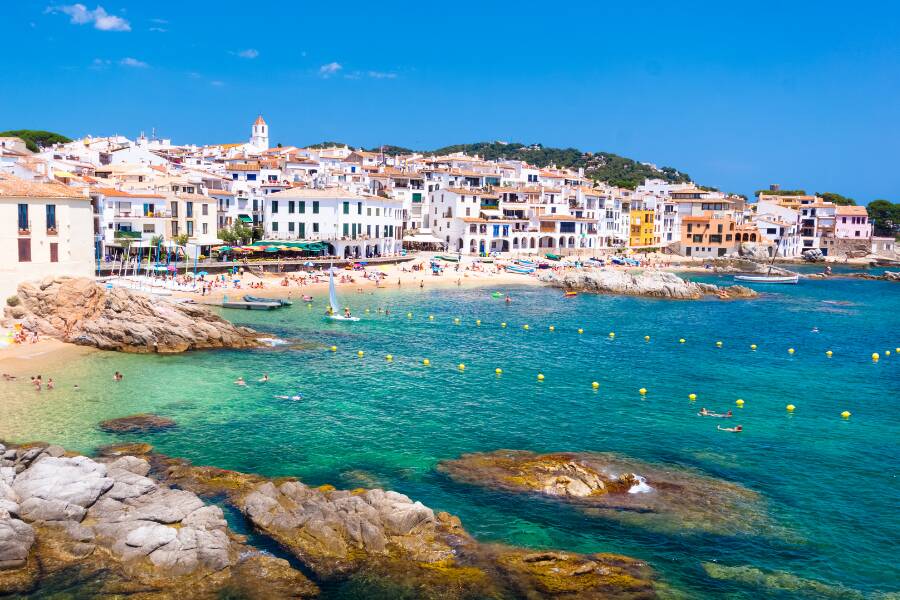
Summer in Spain is defined by long, hot days and late-night dinners. While central and southern regions can get extremely hot during mid-day, coastal areas and the northern Atlantic coast offer pleasant conditions for sea breeze lovers.
- Weather: Southern interior cities like Seville and Córdoba often exceed 95ºF, while northern coastal areas like the Basque Country remain milder around 70ºF to 78ºF.
- Highlights: Enjoy beach life on the Costa Brava or the Balearic Islands, participate in summer music festivals, and head north to Cantabria or Galicia for scenic coastal drives.
Managing the Heat: If traveling to central or southern Spain in July or August, adopt the local rhythm: explore early in the morning, rest during the hottest afternoon hours, and head out for dinner and drinks late in the evening.
Quick Regional Reference Guide
| Region | Ideal Months | Best For |
| Andalusia (South) | March–May, September–November | Historical architecture, cultural festivals, mild weather |
| Catalonia & Madrid | April–June, September–October | City tours, world-class museums, culinary experiences |
| Northern Coast (Basque Country, Galicia) | June–September | Coastal drives, milder summer heat, lush landscapes |
| Canary Islands | Year-round (November–March for winter sun) | Outdoor activities, beaches, mild winters |
Essential Travel Advice for U.S. Travelers
Entry Requirements: U.S. passport holders can enter Spain for up to 90 days within a 180-day period for tourism without a visa. Ensure your passport has at least three months of validity remaining beyond your intended departure date from the Schengen Area.
Healthcare & Insurance: U.S. domestic health insurance policies typically do not provide coverage abroad. Carrying a travel policy that covers medical care and trip interruptions ensures seamless access to private healthcare facilities if needed.
Payment Methods: Major U.S. credit cards are widely accepted throughout Spain. But carrying a few Euros in cash is helpful for grabbing coffee or shopping at local markets.
Frequently Asked Questions
Here are a few quick answers to help you lock in your dates:
When is the absolute cheapest time to visit Spain?
The lowest prices for flights and accommodations generally occur during the winter low season from November through February (excluding the Christmas and New Year holiday period).
Is July or August too hot for sightseeing in Spain?
In southern and central cities like Seville, Córdoba, and Madrid, summer temperatures often cross 95ºF. If visiting during these months, stick to coastal regions or northern destinations like Asturias and the Basque Country where temperatures remain much cooler. You can check any meteorological warnings in the State Meteorological Agency official website.
What is the best month for a combined beach and sightseeing trip?
Late May, June, and September are ideal. During these months, Mediterranean waters are pleasant for swimming, while daytime temperatures remain comfortable enough for outdoor sightseeing.
Ready to plan your Spanish trip?
Featured stories