Travel offers a wonderful chance to see the world’s wonders. Indeed, it allows you to stand directly before history’s greatest feats. For instance, consider the timeless majesty of a centuries-old cathedral. These huge buildings tell incredible stories; moreover, they serve as grand monuments of human faith and artistry. Consequently, exploring a grand church anywhere in the world is truly an enriching experience.
Because of this, many travelers purposefully plan entire trips around these massive structures. In particular, they want to witness iconic places like St. Peter’s Basilica in person. These architectural marvels inspire deep awe. So, are you ready to explore the world’s most impressive cathedrals?
Index
What are the 20 Largest Cathedrals in the World?
To begin with, it is important to note that the definition of “largest” can vary greatly. While some lists focus strictly on height, others use sheer internal volume. For this grand tour, however, we prioritize floor area (square feet). Ultimately, this measurement provides the best sense of a building’s physical scale, because it reflects the total space visitors can actually explore.
When reviewing this list, remember one important distinction. Cathedrals are the seat of a bishop. Basilicas are large, important churches recognized by the Pope. This list includes both to show the biggest sacred spaces.
Here are the 20 largest churches, cathedrals, and basilicas by floor area:
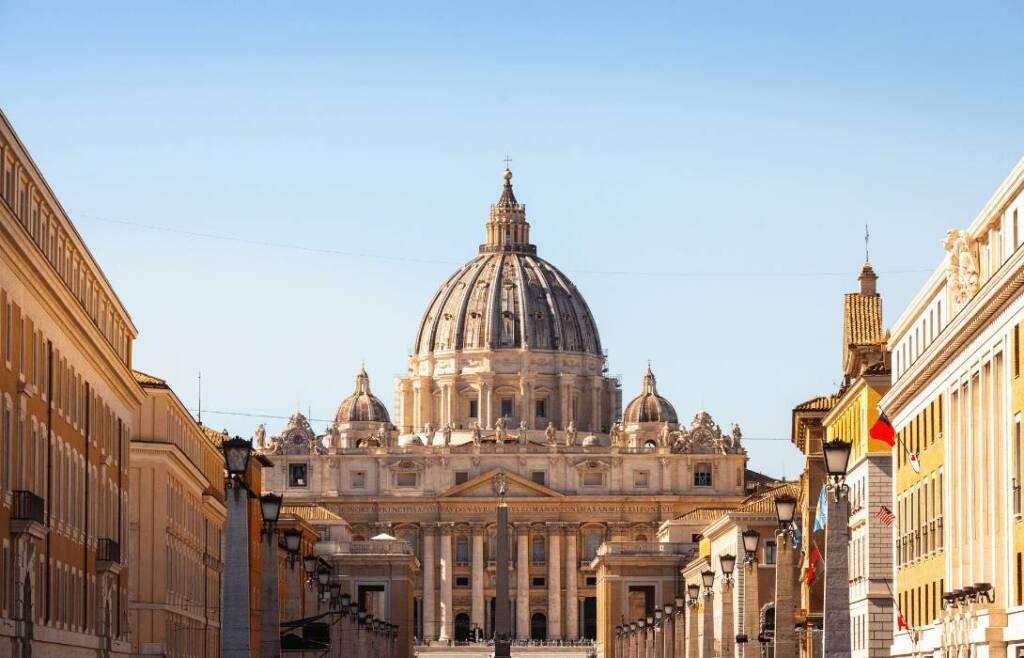
- St. Peter’s Basilica (Vatican City): Area over 163,180 square feet. The world recognizes this church more than any other for its size. It is a key Renaissance-era Catholic Church landmark.
- Basilica of Our Lady Aparecida (Aparecida, Brazil): Area around 129,160 square feet. This is the world’s largest cathedral building by floor area and a major pilgrimage site for Brazilian Catholics.
- Milan Cathedral (Duomo di Milano, Italy): Area about 125,930 square feet. This massive building is Italy’s largest church and features an incredible 135 spires and statues.
- Seville Cathedral (Seville, Spain): Area around 124,000 square feet. It holds the title of the largest wholly medieval Gothic cathedral in the world and is a UNESCO World Heritage Site.
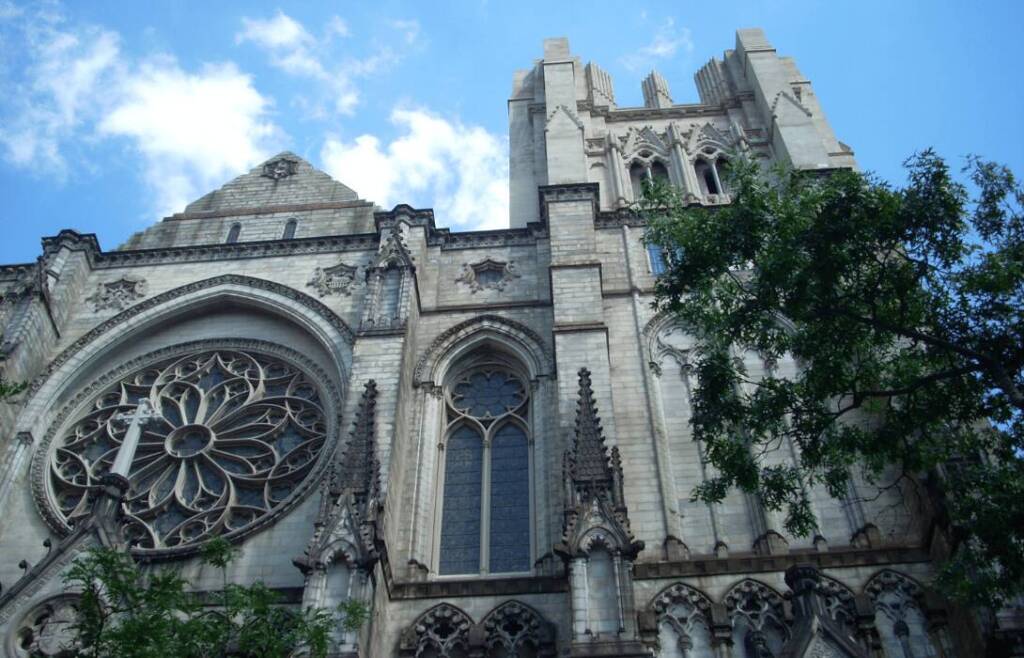
- Cathedral of St. John the Divine (New York City, USA): Area near 121,000 square feet. This is the world’s largest Anglican cathedral and a powerful architectural symbol in New York City.
- Basilica of Our Lady of Licheń (Licheń Stary, Poland): Area about 108,600 square feet. Completed in 2004, it is one of Europe’s newer monumental church buildings.
- Liverpool Cathedral (Liverpool, UK): Area about 104,270 square feet. The world recognizes this immense building as the longest cathedral on Earth, and its creators designed it in a striking Gothic Revival style.
- Basilica of the Holy Trinity (Fátima, Portugal): Area around 93,640 square feet. It is part of the world-famous Fátima pilgrimage complex.
- Basilica of Saint Paul Outside the Walls (Rome, Italy): Area about 91,650 square feet. It is one of Rome’s four ancient Papal Basilicas.
- Basilica-Cathedral of Our Lady of the Pillar (Zaragoza, Spain): Area around 89,530 square feet. This is an important Baroque-style pilgrimage shrine in Spain.
- Florence Cathedral (Santa Maria del Fiore, Italy): Area about 89,340 square feet. It is famous worldwide for its massive brick dome, an architectural feat designed by Filippo Brunelleschi.
- Basilica of Our Lady of Guadalupe (Mexico City, Mexico): Area near 87,900 square feet. This basilica is a central hub for Marian devotion in the Americas.
- Rio de Janeiro Cathedral (Rio de Janeiro, Brazil): Area about 86,110 square feet. It is uniquely famous for its distinctive, modern, conical shape.
- Basilica of the Sacred Heart (Koekelberg, Belgium): Area about 86,110 square feet. This Art Deco masterpiece is one of the largest brick buildings in the world.
- Cathedral of Our Lady (Antwerp, Belgium): Area about 86,110 square feet. It stands as the largest Gothic-style church in the Low Countries.
- Basilica of Our Lady of Peace (Yamoussoukro, Ivory Coast): Area near 85,990 square feet. This building really stands out because of its vast exterior grounds and enormous dome.
- Hagia Sophia (Istanbul, Turkey): Area about 85,680 square feet. Consecrated way back in 537 AD, this historic site is a globally famous UNESCO World Heritage landmark.
- San Petronio Basilica (Bologna, Italy): Area near 85,250 square feet. It is the largest brick church in the entire world.
- Cologne Cathedral (Cologne, Germany): Area about 85,180 square feet. This cathedral is a famous Gothic landmark and a heavily visited UNESCO World Heritage Site.
- St. Paul’s Cathedral (London, UK): Area around 84,760 square feet. Sir Christopher Wren designed this English Baroque masterpiece.
What are the Three Tallest Cathedrals in the World?
If floor area measures breadth, then spire height measures ambition. Many of these churches were built in a “race to the heavens.” This drive created incredible vertical masterpieces. Experts measure the building from the ground to the tip of the spire or the highest cross.
The title for the world’s tallest church has recently shifted. Here are the three tallest church buildings, which people often call the largest cathedral structures because of their immense scale:
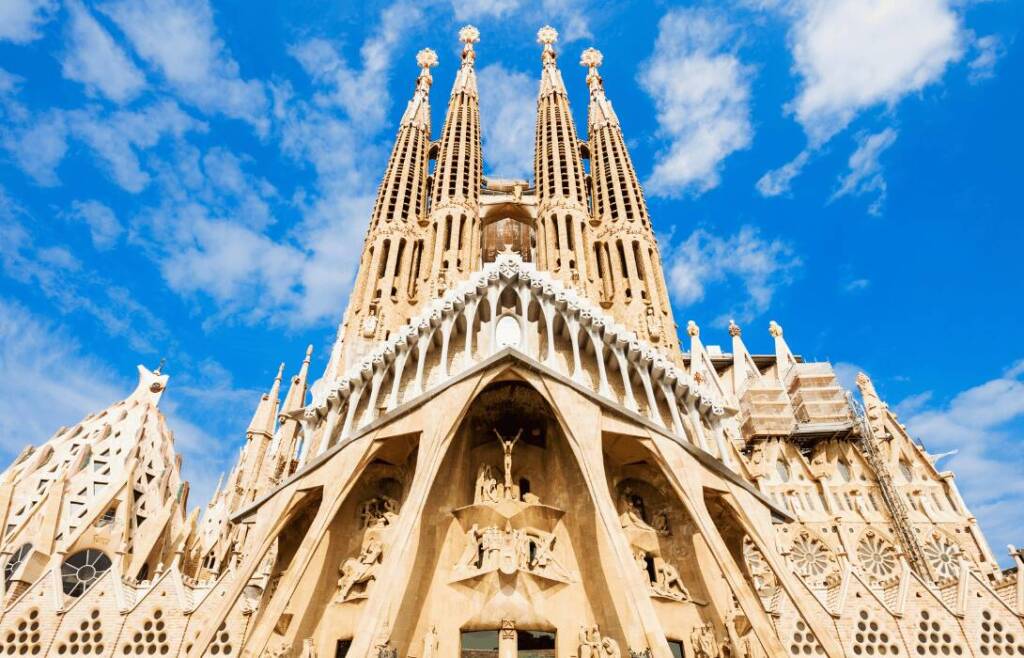
Sagrada Familia (Barcelona, Spain)
- Height: 566 feet.
- Key Fact: The central Tower of Jesus Christ surpassed Ulm Minster in October 2025 to become the world’s tallest church structure, reaching its definitive height in February 2026. Subsequently, the towering masterpiece was officially inaugurated and blessed in June 2026 to mark the centenary of Antoni Gaudí’s death. While construction crews will continue building major architectural elements into the 2030s, the iconic skyline stands fully realized.
- Travel Tip: This Catholic Church is technically a basilica. Construction has spanned over a century. You should book tickets far in advance to visit this Gaudi masterpiece.
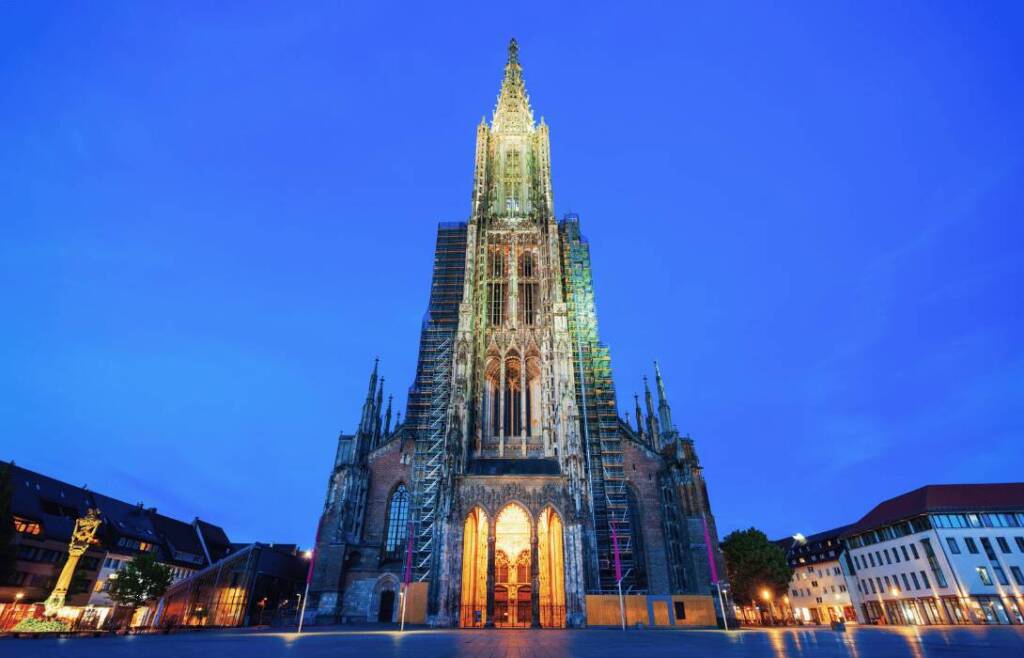
Ulm Minster (Ulm, Germany)
- Height: 530 feet. Prior to 2025, this church structure was the world’s tallest for 135 years.
- Key Fact: Though often called a cathedral, it is actually a Lutheran church. Visitors can climb 768 steps to a viewing platform, where you can see the distant Alps on clear days.
- Travel Safety: Climbing hundreds of stairs can be exhausting. Make sure you are in good shape before you attempt this climb. Take breaks and remain careful while moving through the narrow stairwells.
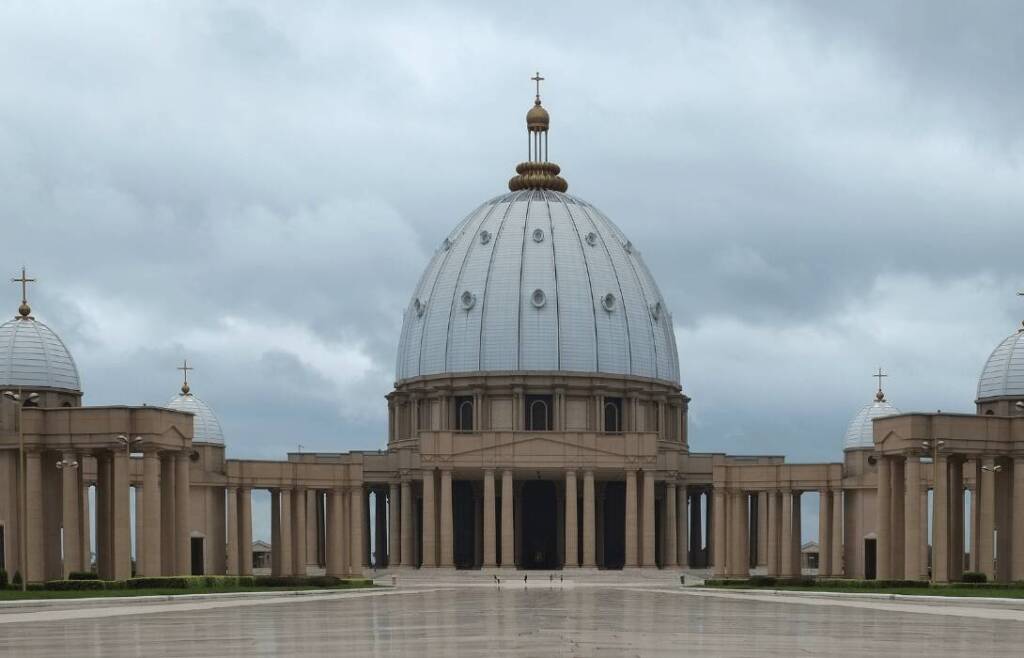
Basilica of Our Lady of Peace (Yamoussoukro, Ivory Coast)
- Height: 518 feet.
- Key Fact: This is the world’s tallest domed church. In term of style, it features a stunning, modern Catholic Church design. It was modeled partly after St Peter’s Basilica.
- Travel Planning: A visit here is an immersive African experience; however, it requires careful planning.
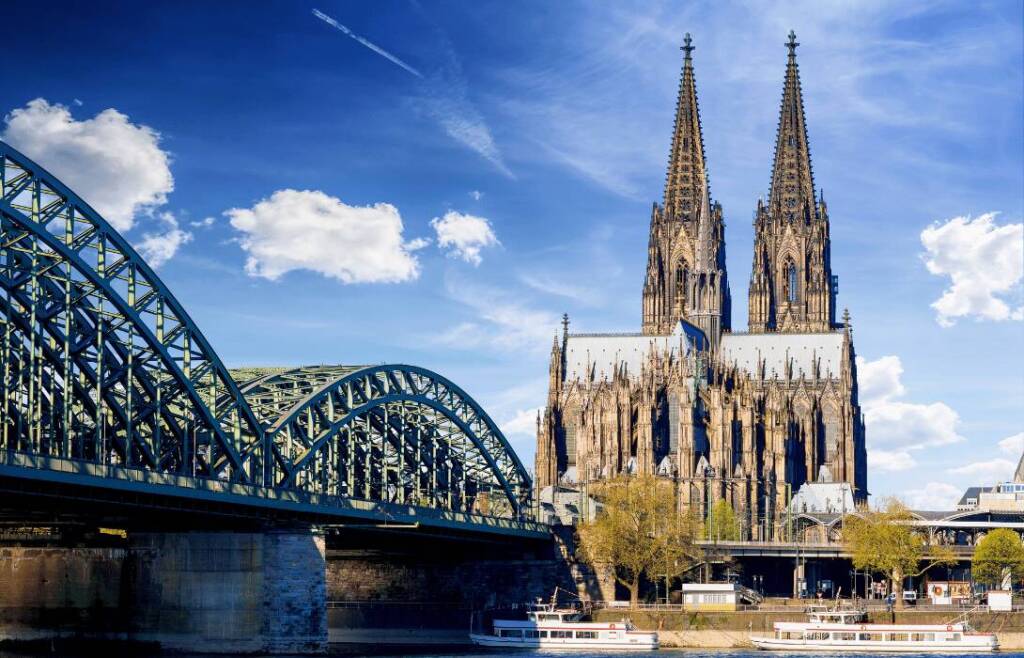
Honorable mention: Cologne Cathedral
Cologne Cathedral in Germany is also a powerful contender. Its famous twin spires reach 516 feet. As a result, it holds the record as the tallest true twin-spired church globally. This UNESCO World Heritage Site is an incredible Gothic cathedral.
Where is the Largest Catholic Church in the World?
The largest Catholic Church in the world is St. Peter’s Basilica. Surprisingly, it is not located in Rome, but rather in the tiny Vatican City. Vatican City is an independent city-state. Rome completely surrounds it.
This famous Papal Basilica is the most significant church in the world. Many Catholics globally revere it, holding the belief that it marks the true burial site of Saint Peter. He was one of Jesus’s apostles.
St. Peter’s Basilica: Key Facts and Figures
- Size and Scope: St. Peter’s boasts an interior area of over 163,180 square feet. Its dome reaches 448 feet (136.6 meters) high. The entire complex can hold 60,000 people standing. This makes it the world’s largest church by interior measure.
- The Dome Climb: Climbing to the top of Michelangelo’s dome is a highlight. The final steps are narrow and steep. Even if you choose the elevator, you still have 320 steps to climb. Prepare yourself well for this tough physical challenge.
- Jubilee Year Hangover: While the historic 2025 Jubilee Year officially concluded in early 2026, visitor traffic to the Vatican remains incredibly high. Millions of pilgrims and travelers who visited over the past year have left Rome bustling, and booking your entry well in advance is still a necessity.
Essential Travel Tips for a Smooth Visit
- Planning Ahead: You should book tickets for skip-the-line access. This saves you hours of waiting in the Roman sun. Bookings are especially critical during the Jubilee Year.
- Crowd Awareness: The security lines here can be long and dense. It is important to be aware of your surroundings. Keep valuables secured and close to your body to prevent theft.
- Protect your Trip: If a company unexpectedly cancels your guided tour, proper travel insurance will save the day. It ensures you recoup costs for missed reservations.
This large cathedral structure continues to inspire millions. Proper planning guarantees you a peaceful and powerful visit.
What is the Largest Cathedral in the US?
The United States is also home to some truly grand churches. However, the question of the largest often comes down to precise definitions. If we strictly define a cathedral as the seat of a bishop, the largest by sheer volume and length is the magnificent Cathedral of St. John the Divine.
The Cathedral of St. John the Divine
This immense structure is located in New York City. Specifically, It is the mother church in the world of the Episcopal Diocese of New York City.
Here are the key facts about this architectural giant:
- Location: Upper Manhattan, New York City.
- Size: It has a massive floor area of 121,000 square feet. This makes it the largest Anglican cathedral globally, as well as the fourth-largest Christian church in the world.
- Design: Construction began in 1892. Yet, it’s famously incomplete, leading to its nickname: “St. John the Unfinished.”
- Style: The architecture blends Romanesque and Gothic revival elements. This gives it a unique and powerful appearance.
The Other Contender: National Shrine
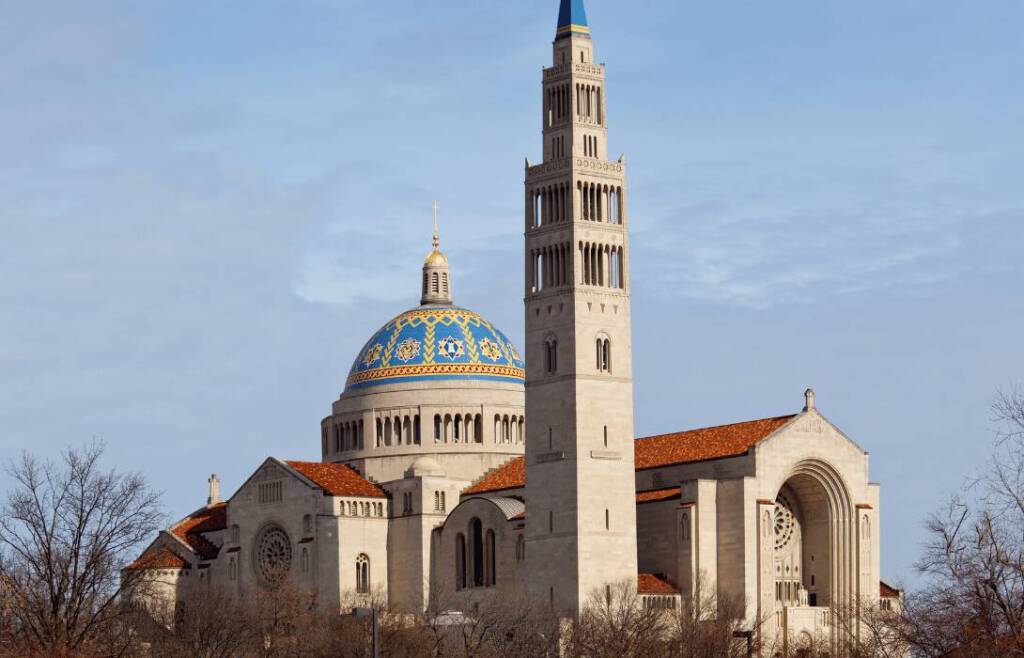
People sometimes point to the Basilica of the National Shrine of the Immaculate Conception as a contender. This huge Catholic Church is located in Washington, D.C. Undeniably, t is the largest Catholic place of worship in North America. However, it’s classified as a minor basilica, not a cathedral in the technical sense.
Frequently Asked Questions
Here are some extra questions about the largest Cathedrals in the world.
Is the Catholic Church the Largest Property Owner in the World?
The short answer is no. The Catholic Church is not the largest property owner in the world. However, it is an entity with enormous global real estate holdings. Indeed, its property portfolio is staggering in size and value, since it covers massive land areas across nearly every country.
In fact, the Catholic Church is generally cited as the world’s second-largest private landowner. Estimates suggest the church in the world owns around 177 million acres, which is an area is larger than the state of Texas.
This immense figure is not just farmland. Instead, it encompasses thousands of institutions:
- Churches and Cathedrals: Including major sites like St Peter’s Basilica.
- Hospitals and Schools: The Church provides extensive global healthcare and education.
- Real Estate: Properties held for investment worldwide.
Ultimately, these immense holdings support the Church’s vast network of social work.
Why isn’t Notre-Dame Cathedral in Paris on this list?
Despite being one of the most famous cathedrals in the world, Notre-Dame’s interior floor area is only roughly 59,000-65,000 sq ft, well below the roughly 84,760 sq ft needed to reach the bottom of this list’s top 20. Its fame comes from its history, Gothic architecture, and cultural significance (not to mention the 2019 fire and subsequent restoration), rather than its physical scale. Notre-Dame reopened to the public on December 7, 2024, following the multi-year rebuild of its spire and roof.
The Importance of Travel Insurance
Exploring the grandest cathedrals in the world is truly inspiring. But as you plan your itinerary, do not overlook the most crucial step. Never embark on international travels without comprehensive travel insurance.
When you are far from home, the unexpected can be costly. In particular, medical emergency is the biggest financial risk. Because your domestic health insurance rarely covers you fully abroad, a sudden illness could lead to astronomical bills. Therefore, protect your peace of mind and get your travel insurance secured today!
Featured stories