
Last updated: August, 2026
Planning a trip to China? You might already know that cash is mostly a thing of the past. Outside of international hotels, you will rarely see people using foreign credit cards. Today, your smartphone is your wallet. If you rely on traditional payment methods, you might find it hard to buy a simple coffee or even ride the subway.
We want your trip to go smoothly, so we created this guide to help you out. We break down exactly what you need to do before you fly and what to expect once you land. Setting up these apps without your home cell phone network can be incredibly frustrating, so let us help you get prepared early.
Index
The 2026 Reality: Why Plastic Cards and Cash Won’t Cut It
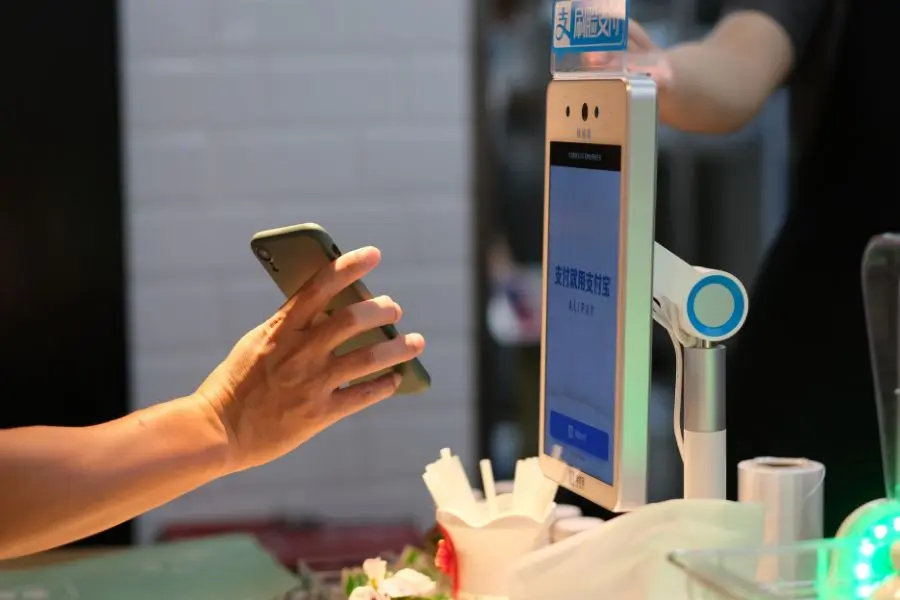
China is now a fully cashless society. The country skipped over traditional credit card systems entirely. Instead, locals pay for everything by scanning QR codes with their smartphones. The government does require major vendors to accept cash, but the reality on the street feels quite different. Many small shop owners simply do not keep change in the register. Public transportation also usually requires a digital ticket.
If you pull out a physical Visa or Mastercard, you will quickly notice that card readers are either missing or unable to process international transactions. Relying on cash will limit your freedom to explore independently. Because of this, setting up digital payment apps is a must for your trip.
Alipay Vs. WeChat Pay: Which Do U.S. Travelers Need?
Both Alipay and WeChat Pay (Weixin Pay) rule the Chinese market. As of 2026, both apps fully support international credit cards for foreign tourists. We highly recommend downloading and setting up both options before you leave home.
Alipay is usually easier for visitors to set up. Its interface is straightforward, and it functions primarily as a financial app. WeChat is mainly a messaging app that includes a payment feature. However, WeChat is deeply woven into daily life in China. You will often use its mini-programs to order food directly from your restaurant table.
Having both apps installed gives you a reliable backup plan. If one app suddenly asks for a security check or your bank blocks a transaction, you can simply switch to the other.
Pre-Trip Checklist: Setting Up Your Digital Wallets at Home
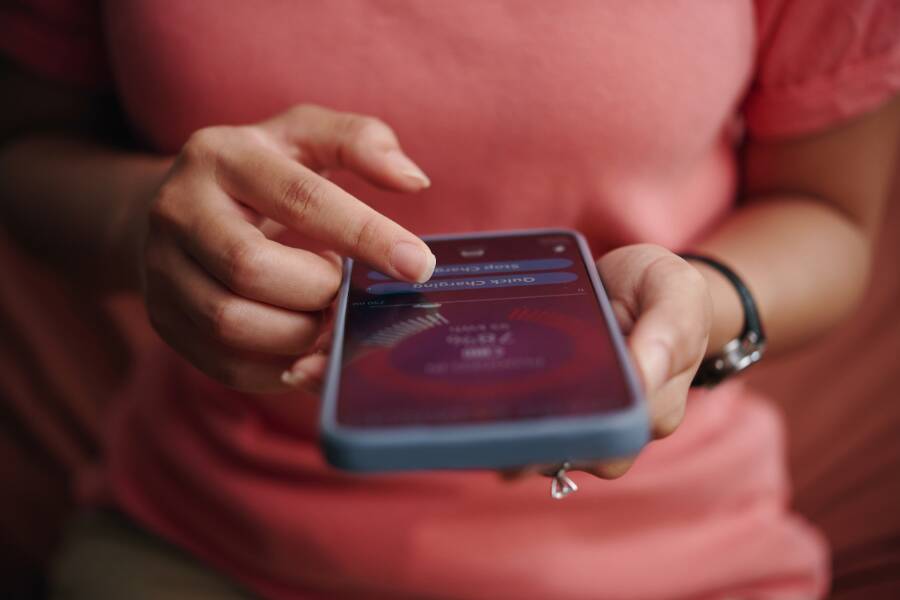
Trying to set up your payment apps after you arrive in China can be stressful. You will likely use a travel eSIM for your data. This means you will not be able to receive the necessary SMS verification codes on your U.S. phone number.
- Download the official Alipay and WeChat apps from your app store while you are still at home on your standard cellular network.
- Register your accounts with your primary U.S. phone number so you can easily get those first SMS verification codes.
- Complete the identity verification process in both apps. You will need to upload a clear photo of your passport and enter your details exactly as they appear on the document.
- Link your foreign credit cards. Try to use travel cards that do not charge foreign transaction fees.
- Call your U.S. bank or credit card provider to share your travel dates. Explicitly authorize charges from Alipay and WeChat so they do not trigger fraud alerts.
Keep in mind that passport verification can take anywhere from ten minutes to a few days. Please do not leave this important step for the airport waiting lounge.

Fees, Limits, and the 200 RMB Rule
The most important financial detail for U.S. travelers to understand in 2026 is how these digital wallets calculate charges. Linking a foreign card is completely free, but your individual purchases face specific thresholds.
The standard policy across both platforms is great for small purchases. Single transactions under 200 RMB (about $28 USD) face zero cross-border fees from the apps. However, any single transaction over 200 RMB will include a flat 3% fee applied to the total amount.
If you want to save money on larger restaurant bills or group activities, you can ask the vendor to split the payment. Breaking the bill into smaller transactions under the 200 RMB limit is perfectly acceptable in China. Finally, always verify if your U.S. credit card charges its own foreign transaction fees. The app fee structure is completely separate from your home bank policies.
Troubleshooting: What to Do When the App Says No
Even with excellent preparation, you might face a moment where a payment fails. This usually happens when your home bank flags a sudden burst of small transactions in China as suspicious.
If a payment is declined, simply open your secondary app and try again. This is exactly why having both Alipay and WeChat Pay ready is so helpful. If both options fail, check your email or banking app for a fraud alert from your credit card provider. Since you will likely use a data-only eSIM in China, standard SMS fraud texts will not reach you. Make sure you install your bank app and enable push notifications over Wi-Fi or cellular data before you travel.
As a final backup, always carry around 300 RMB in Chinese currency. Tucking a little cash into your daypack will get you out of a bind if your cell phone dies or you lose your network connection.
How to Pay for Things in China: Scanning Vs. Showing Codes
The daily transaction process is highly visual, meaning you will not be swiping plastic cards or counting physical coins. You will simply open your chosen Chinese payment app at the register, and the entire process takes only a few seconds.
The Two Ways to Scan QR Codes
Understanding the two primary transaction modes will help you navigate purchases like a local:
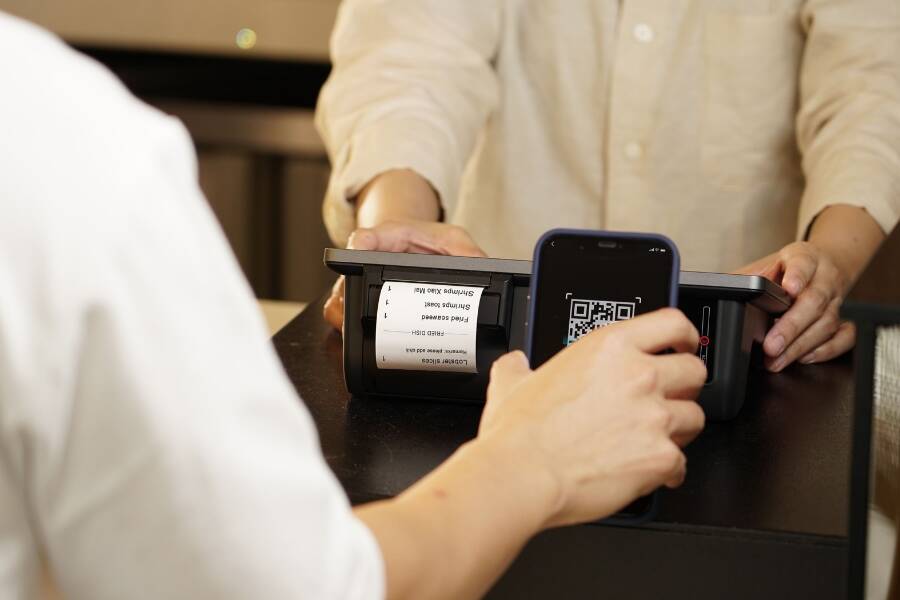
- The scan method: Open your app, tap the camera icon, and scan the static QR code displayed on the shop counter. You then enter the transaction amount manually and confirm with your passcode.
- The pay or receive method: Generate your personal QR code on your phone screen and show it to the store clerk. They will scan your screen with a handheld laser reader to process the payment automatically without requiring you to type the price. This second method is common in large supermarkets and modern franchises.
| Payment Scenario | Preferred App Mode | Transaction Speed |
| Street food stalls | Scan vendor code | Fast |
| Convenience stores | Show personal QR code | Instant |
| Local taxi rides | Scan driver code | Fast |
| Subway turnstiles | Show in-app transit code | Instant |

FAQs for Paying in China
Do I Need a VPN to Use Alipay or WeChat Pay?
You do not need a VPN to use the payment functions of either app. Both Alipay and WeChat Pay were developed in China, so they operate seamlessly on the local network.
Can I Use Apple Pay in China?
Apple Pay is technically supported at some major international chains and high-end stores. However, it relies on NFC technology. QR code scanners vastly outnumber NFC readers across the country, so you cannot rely on Apple Pay for daily use.
What Happens if I Lose My Passport Before Verifying My Payment Apps?
Without a passport, you cannot complete the real-name identity verification required by Chinese law. You need this step to use any financial services.
Can U.S. Citizens Open a Chinese Bank Account to Avoid Fees?
Opening a local bank account as a tourist on a short-term visa is incredibly difficult. It is generally not worth the heavy administrative hassle just to avoid the 3% fee on larger purchases.
Is It Safe to Upload My Official Passport Details to These Payment Apps?
The registration process is highly secure. The local government requires identity verification for all mobile payment networks to prevent fraud, and it remains a standard procedure for millions of international visitors every year.
What Should I Do if My Smartphone Battery Dies While Out Sightseeing?
A dead battery can be a serious issue in a cashless society. Always travel with a reliable external power bank in your bag. As an absolute emergency backup, carry a small amount of physical paper cash tucked away safely.
Do These Mobile Payment Apps Work Without an Active Internet Connection?
You need a reliable data connection to scan or generate transaction QR codes. Purchasing a local travel eSIM or renting a portable pocket Wi-Fi device is highly recommended for your trip.
Ready for Your Chinese Adventure
Navigating a fully cashless society might feel overwhelming at first, but we understand your concerns and want to equip you to travel with confidence. By setting up your digital wallets before you leave, you have already completed the hard work. Now that you are prepared, you can focus on the true pleasure of exploring new places, relaxing, and enjoying the local culture.
Featured stories