Last Update: August 2026
Winter can transform a destination completely. Snow-covered mountains, frozen lakes, festive cities, and quieter landscapes create experiences you simply cannot get during the warmer months.
Whether you’re looking for Northern Lights, world-class skiing, cozy mountain towns, or a warmer escape from the cold, there are spectacular winter destinations around the world for every type of traveler. In this guide, we’ll explore some of the best places to visit in winter and what makes each one worth the trip.
Index
Where to Travel in Winter?
The best winter destinations offer more than snow. They combine memorable scenery with seasonal experiences, from skiing and snowshoeing to glacier views and ice festivals. Here are some standout places to consider for your next winter trip.
Snowy Mountain Escapes
Banff National Park, Canada
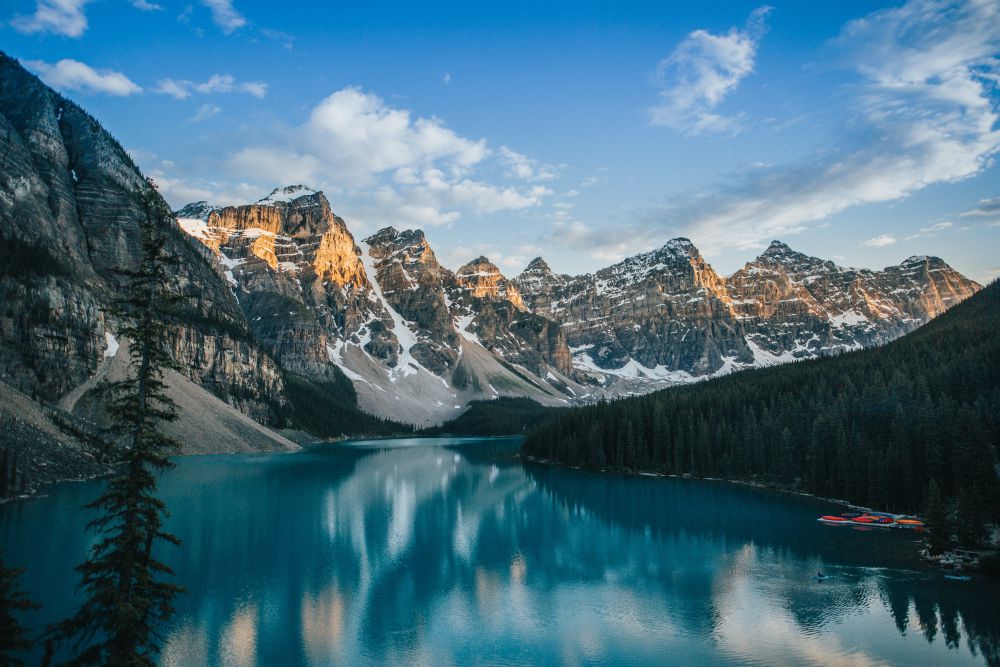
Banff is one of the easiest international winter trips for U.S. travelers who want dramatic scenery without a long-haul flight. Snow-covered peaks surround Lake Louise and the Bow Valley, while the town of Banff gives you restaurants, hot springs, and a comfortable base between outdoor days.
Skiing is only part of the appeal. Winter walking, snowshoeing, cross-country skiing, and skating can all fit into the same trip, depending on current conditions. Before heading into the park, check Parks Canada for trail conditions, closures, and seasonal guidance.
Travel Tip: If you rent a car in Calgary, request winter tires before pickup rather than assuming they are included. Parks Canada recommends winter tires and notes that they are mandatory on some mountain roads. Check road conditions before longer drives, especially if you plan to continue toward the Icefields Parkway.
The Dolomites, Italy
The Dolomites combine serious mountain scenery with the kind of winter trip that can be as much about food and villages as it is about snow sports. Areas such as Cortina d’Ampezzo, Val Gardena, and Alta Badia make it easy to pair time on the slopes with long lunches, mountain huts, and scenic drives through northern Italy.
Skiers can connect large networks of runs, but non-skiers are not left with much downtime. Snowshoeing, winter walks, cross-country skiing, ice skating, and cable-car viewpoints make the region work well for mixed groups. The official Dolomites tourism portal is useful for checking current lift and winter activity information before choosing a base.
Nagano, Japan
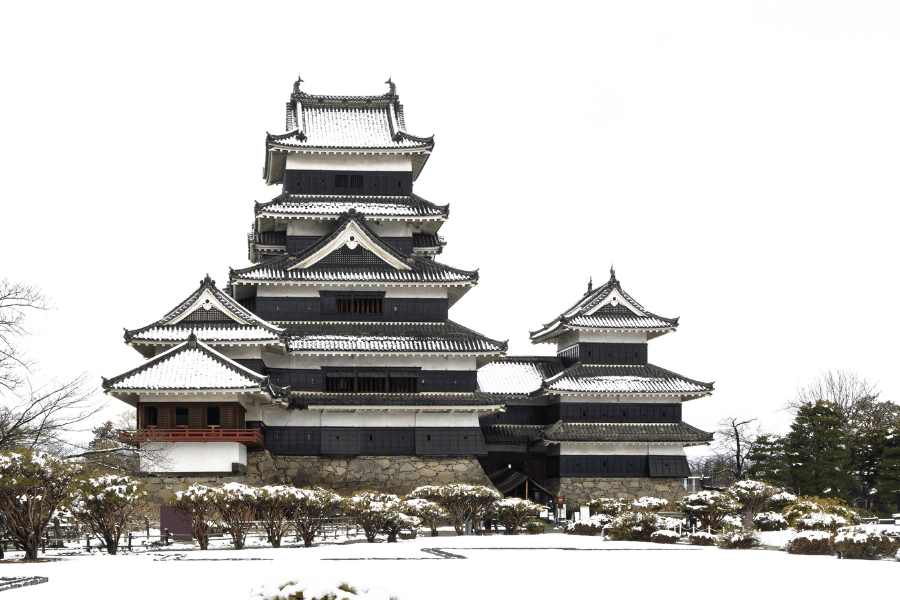
Nagano offers a very different mountain experience. The prefecture is known for ski areas such as Hakuba and Shiga Kogen, but it also gives travelers hot-spring towns, traditional inns, temples, and one of Japan’s most recognizable winter wildlife experiences: the snow monkeys of Jigokudani.
That mix makes Nagano a strong choice if only part of your group wants to ski. You can spend a morning on the mountain, soak in an onsen later in the day, and use another day for the snow monkeys or Zenkoji Temple. The Japan National Tourism Organization’s Nagano guide is a reliable place to start planning routes and seasonal activities.
If you visit Jigokudani in winter, expect a walk through the forest before reaching the monkey park. Snow and ice are common on the path, so waterproof shoes with good traction are more useful than city sneakers.
Best Winter Destinations for the Northern Lights
Svalbard, Norway
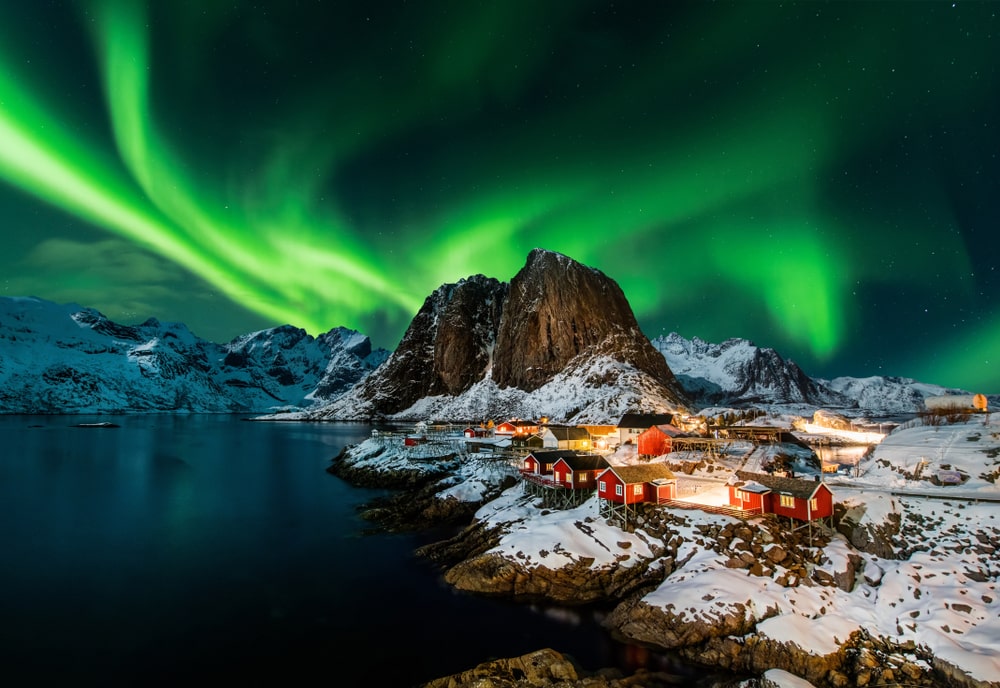
Svalbard is not a conventional winter city break. Longyearbyen sits far above the Arctic Circle, and during the darkest part of winter the sun does not rise at all. That Polar Night creates one of the destination’s most unusual features: when conditions cooperate, the Northern Lights can appear even during hours that would normally count as daytime.
The broader Northern Lights Winter runs from fall into late winter, while the deepest Polar Night lasts roughly from mid-November to late January. Dog sledding, snowmobiling, ice caves, and guided aurora trips are common ways to experience the landscape. Check Visit Svalbard’s seasonal guidance before choosing dates because the light changes quickly over the season.
Travel Tip: Do not treat the wilderness around Longyearbyen like a normal hiking destination. Polar bears are active year-round, and local tourism guidance strongly recommends organized trips with professional guides when you leave the settlement.
Abisko, Sweden
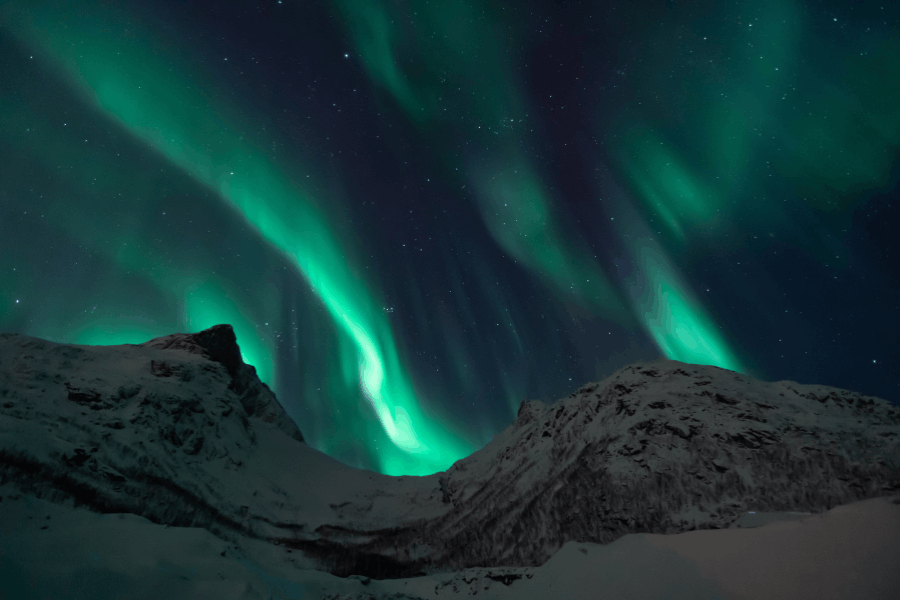
Abisko is one of Scandinavia’s best-known aurora bases because it combines dark skies, mountain scenery, and relatively accessible Arctic infrastructure. Many travelers come specifically for the Northern Lights, but winter days can also include cross-country skiing, snowshoeing, sauna time, and trips into Abisko National Park.
The Aurora Sky Station is the area’s best-known viewing experience, although no destination can guarantee an aurora display. The Swedish Tourist Association notes that the Northern Lights can be seen in the area from August to April, with particularly strong winter viewing conditions.
Snæfellsnes Peninsula, Iceland
Instead of treating Kirkjufell as a stand-alone destination, it makes more sense to plan around the wider Snæfellsnes Peninsula. The region packs lava fields, black beaches, small fishing towns, waterfalls, and the Snæfellsjökull glacier into a compact area, with Kirkjufell as one of its most recognizable stops.
Winter adds snow, low-angle light, and the possibility of seeing the Northern Lights, but it also makes road planning more important. Weather can change quickly, and a route that looks simple on a map may be a poor idea in wind or snow. Before driving, check SafeTravel Iceland for official alerts and current travel conditions.
Winter Trips Beyond Skiing
Harbin, China
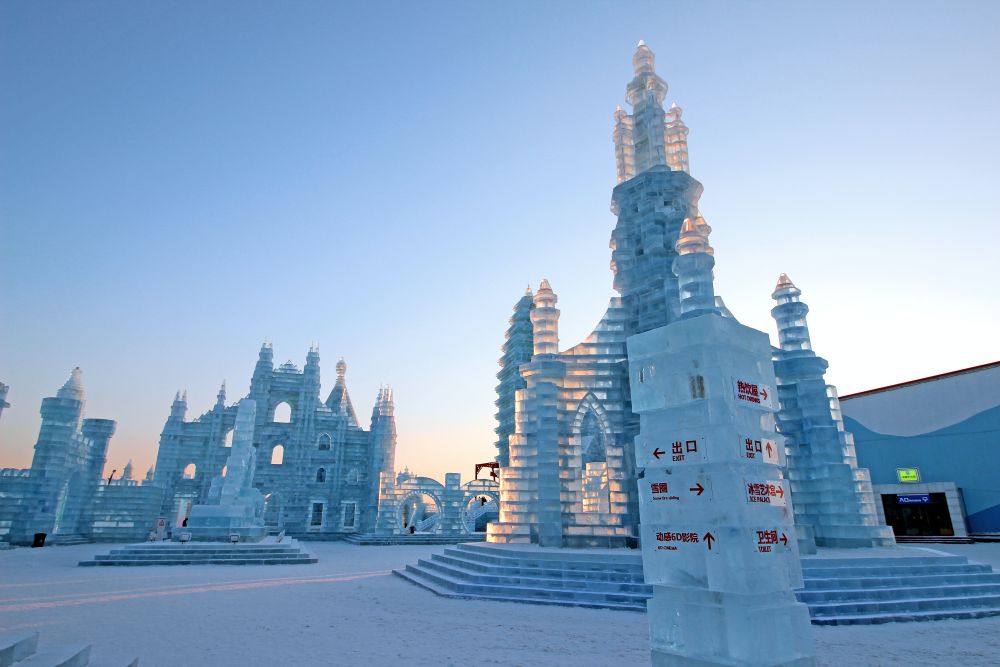
Harbin earns its place on a winter list because the city turns extreme cold into the main attraction. Its enormous ice-and-snow installations, illuminated sculptures, frozen architecture, and winter events create a city experience that feels completely different from a ski resort.
The annual Harbin Ice and Snow Festival season centers on major attractions such as Ice-Snow World, with exact opening dates changing each winter. If this is the reason for your trip, wait for the official seasonal schedule before locking in nonrefundable plans. Harbin’s 2025–2026 winter season again featured Ice-Snow World as one of the city’s major tourism draws.
Travel Tip: For U.S. passport holders, entry planning matters here. As of August 2026, the U.S. Department of State says travelers generally need a visa before arriving in mainland China, with limited exceptions. Verify the current rule before booking because visa policies can change. Review the State Department’s China travel information.
Midway, Utah, USA
Midway is a useful reminder that a memorable winter trip does not always require an international flight. The small Utah mountain town sits near Park City and Heber Valley, making it easy to combine snow-covered scenery with a quieter base.
Its standout experience is the Homestead Crater, a geothermal pool inside a limestone dome. The water stays warm year-round, so a winter day can move from cross-country skiing or a sleigh ride to a soak or swim underground. Visit Utah has current information on Midway and the surrounding Heber Valley.
Finnish Lapland
Finnish Lapland is one of the strongest additions to this list because it offers a complete winter experience rather than one headline attraction. Rovaniemi is the best-known gateway, while places such as Inari and Saariselkä feel more remote. Depending on where you stay, a trip can combine reindeer experiences, husky rides, snowshoeing, saunas, frozen forests, and Northern Lights viewing.
Aurora season in northern Finland generally runs from late August into April, although clear skies are never guaranteed. The official Visit Finland Lapland guide is useful for comparing regions because the experience changes considerably between a city base such as Rovaniemi and more remote Arctic locations.
A Different Kind of Winter Adventure
Perito Moreno Glacier, Argentina
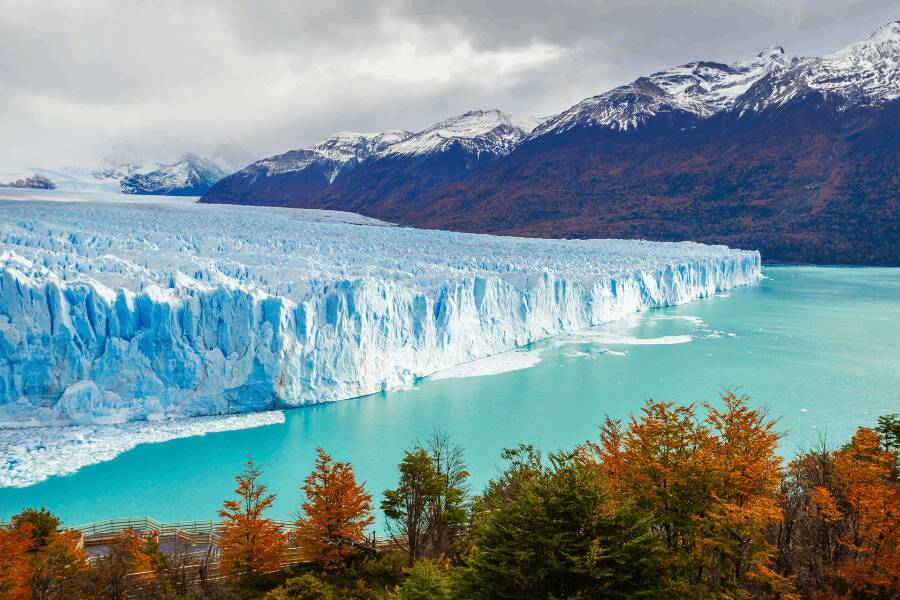
Perito Moreno still deserves a place in the article, but it needs one important clarification for American readers: the seasons are reversed. Patagonia’s winter falls roughly from June through August. If you travel during the U.S. winter from December through March, you are actually visiting during Patagonia’s warmer high season.
That is not a disadvantage. December through March is one of the most popular periods for visiting Los Glaciares National Park, with longer days for glacier viewpoints and excursions. Travelers who specifically want a colder, quieter Patagonian winter can look at June through August, when snowfall is more likely and visitor numbers are lower, but some services may be reduced.
From El Calafate, the glacier is reached by road, and the main experience is not a list of snow sports but the scale of the ice itself: walkways facing the glacier, boat trips, and guided ice trekking when operating conditions allow.
How to Choose the Right Winter Destination
The best choice depends on what you want the season to add to the trip. Banff, the Dolomites, and Nagano work best when mountain scenery and snow sports matter. Svalbard, Abisko, Finnish Lapland, and Iceland put Arctic light and atmosphere at the center. Harbin is about winter culture and spectacle, while Midway is an easy U.S. option for a shorter getaway. Perito Moreno is the outlier, and that is exactly why it adds variety.
Traveling Safely to Winter Destinations
A winter trip can be unforgettable, but cold-weather travel adds a few practical considerations. Delays, icy roads, limited daylight, and outdoor sports can all affect your plans. Check official destination advice before you leave, and confirm that the tours or activities you want are operating on your travel dates.
If your trip crosses several countries or includes activities such as skiing, snowmobiling, or glacier tours, check what your travel insurance covers before you go. Look at the full trip length, every place on your route, and the activities you plan to do. This can make an unexpected medical issue or travel delay easier to manage without adding more stress to the trip.
Featured stories