
Updated: August 2026
Securing a Schengen visa requires navigating a lot of paperwork, and proof of travel medical insurance is one of the most critical steps. Whether you are planning a two-week European vacation or a long-term adventure, you cannot enter the Schengen Area without meeting specific, mandatory insurance requirements. We’ve broken down not only the strict legal requirements your policy must meet, but also what to look for so a real emergency won’t leave you stranded
Index
The Non-Negotiable Schengen Visa Insurance Requirements
To get your Schengen visa approved, you cannot just buy any policy. Consulates are strict, and your travel medical insurance must meet these exact criteria:
- Minimum Medical Coverage: The policy must provide at least €30,000 (approximately $35,000) in medical coverage. Consulates automatically reject policies that fall below this threshold.
- Repatriation and Medical Evacuation: Your insurance must explicitly cover the cost of returning you to your home country in the event of severe illness or death.
- Valid Across the Entire Schengen Area: The policy must be valid in all 29 member countries of the Schengen zone, even if your itinerary only includes one or two.
- Valid for the Entire Duration: The coverage dates must align exactly with your arrival and departure dates.
For U.S. Travelers: : Remember that domestic U.S. health insurance and Medicare generally do not cover you overseas. Even if you have a premium travel credit card, the medical limits often fall short of the €30,000 requirement, making a standalone policy essential for your visa application.
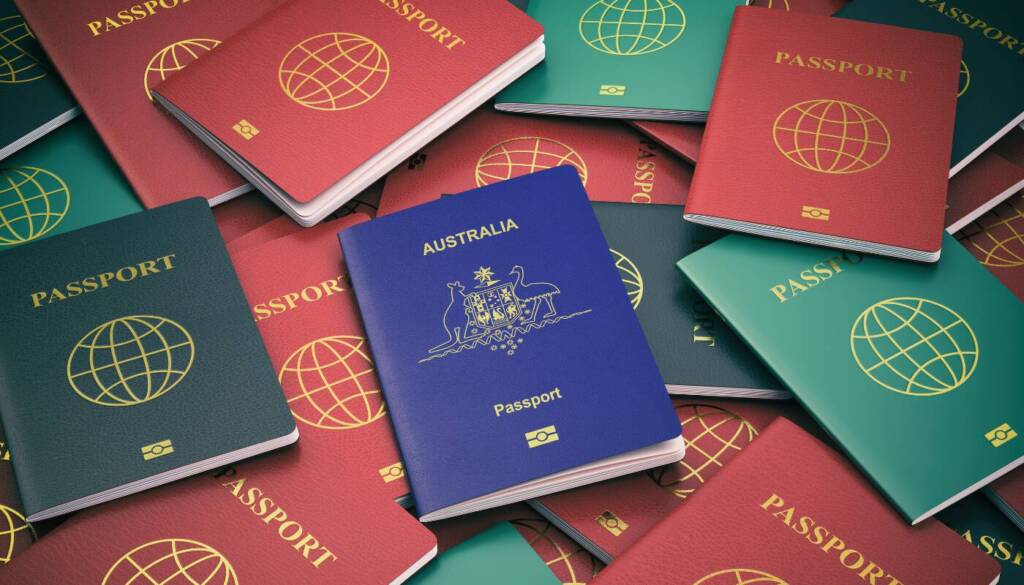
Travel Insurance for Schengen Visa Tips: Meeting Requirements Without Sacrificing Cover
While it is tempting to find the absolute cheapest travel insurance for a Schengen visa just to satisfy the consulate, doing so can leave you vulnerable. Many bare-minimum policies require you to pay out-of-pocket for medical emergencies and fight for reimbursement later.
When evaluating your options, look for policies that offer practical benefits beyond the €30,000 minimum:
- No Deductibles: Ensure you won’t have to pay a certain amount out of pocket before your coverage kicks in.
- Direct Payment to Hospitals: The best policies arrange for direct payment to the medical facility, so you don’t have to drain your travel funds upfront.
- 24/7 Assistance: Access to immediate help, ideally through an app with a medical chat or call feature.
- Higher Limits: While €30,000 is the legal minimum, medical emergencies or air evacuations can easily exceed this, so opting for a policy with higher limits offers greater security.

What We See in Claims: The Reality of European Travel
When reviewing data from our claims team, the most common emergencies usually aren’t catastrophic events, they are everyday mishaps. We frequently see travelers dealing with severe gastrointestinal issues or minor fractures, like when a cobblestone street in Southern Europe twists an ankle.
Here is the hidden catch with bare-minimum visa insurance: it might cover the initial emergency room visit, but it often leaves the traveler footing the bill for necessary follow-up care, like outpatient physiotherapy, crutches, or prescription medications. When evaluating your options, you need a policy that doesn’t just get you in the door of a hospital, but actually covers the recovery process.
For travelers looking to meet visa requirements without leaving coverage gaps, Heymondo’s plans include coverage for necessary medical and dental expenses, plus 24/7 app-based advice to help navigate minor injuries on the go.

Frequently Asked Questions
Here are quick answers to the most common questions about Schengen visa insurance requirements.
Will my visa be denied if my insurance doesn’t clearly state it covers repatriation?
Yes. The consulate must see explicit confirmation on your insurance certificate that repatriation and medical evacuation are included. If this wording is missing, the consulate will likely reject your application.
Do I need a separate policy for each country I visit in Europe?
No. As long as your policy states it is valid for the entire Schengen Area (or worldwide), it covers you as you move freely between member countries.
Featured stories