Last Update: August 2026
North America is home to landscapes that can feel almost impossible to fit into one continent: glacier-carved valleys, desert canyons, geothermal basins, temperate rainforests, alpine lakes, and remote islands. This guide brings together 20 national parks in the United States and Canada, with a focus on what makes each one worth the trip and what to know before you go.
Some parks are ideal for a first national-park road trip, while others reward travelers who are willing to plan around ferries, permits, seasonal roads, or long distances. Use the list below as a starting point, then check the official park website for current conditions before traveling.
Index
How to Choose the Right National Park
- For iconic first-time scenery: Yosemite, Yellowstone, Grand Canyon, or Banff
- For wildlife: Yellowstone, Glacier Bay, Great Smoky Mountains, or Jasper
- For desert landscapes: Arches, Joshua Tree, Death Valley, Big Bend, or Zion
- For coastal scenery: Redwood, Acadia, or Glacier Bay
- For a quieter, more remote trip: Isle Royale or Jasper
- For a scenic road trip: Glacier, Banff, Jasper, or Crater Lake
Best National Parks in North America to Explore
1. Yosemite National Park, California
Yosemite National Park covers nearly 1,200 square miles of California’s Sierra Nevada, with granite cliffs, giant sequoias, deep valleys, and some of the country’s best-known waterfalls. Yosemite Valley is the obvious first stop, but the park extends far beyond it, with high-country scenery around Tuolumne Meadows and quieter areas such as Hetch Hetchy and Wawona.
For hikers, the park ranges from easy valley walks to demanding routes such as Half Dome, which requires a permit when the cables are up. In 2026, a vehicle reservation is not required simply to enter Yosemite, although campground, lodging, wilderness, and Half Dome reservations or permits may still apply.
2. Yellowstone National Park, Wyoming
Yellowstone National Park became the world’s first national park in 1872 and still feels unlike anywhere else in the United States. Its 2.2 million acres protect geysers, hot springs, waterfalls, forests, and a remarkably intact wildlife ecosystem. Old Faithful and Grand Prismatic Spring draw the biggest crowds, but Hayden Valley and Lamar Valley are often better choices if wildlife is your priority.
Build in more driving time than the map suggests. Yellowstone is enormous, wildlife can slow traffic, and many of the park’s most memorable stops are spread far apart. Early mornings are especially rewarding for both wildlife viewing and quieter boardwalks around the geothermal areas.
3. Grand Canyon National Park, Arizona
Grand Canyon National Park protects 278 miles of the Colorado River and a canyon that reaches roughly a mile deep. The South Rim is open year-round and offers the easiest access to classic viewpoints such as Mather Point, Yavapai Point, and Desert View, while the higher North Rim has a shorter operating season and a quieter feel.
Do not underestimate the elevation change if you hike below the rim. Walking down can feel easy, but the return is steep, exposed, and often much hotter. For travelers who want the scenery without a major hike, the rim trails and shuttle-connected overlooks still deliver extraordinary views.
What amazes visitors is the red and orange grandeur and the long trek paths. The south and north rim, and Colorado river rafting, are some of the most popular activities in the park. Gather at the Yavapai Observation station, Lipan Point, and Mary Colter’s Lookout Studio for a more scenic view.
4. Jasper National Park, Canada
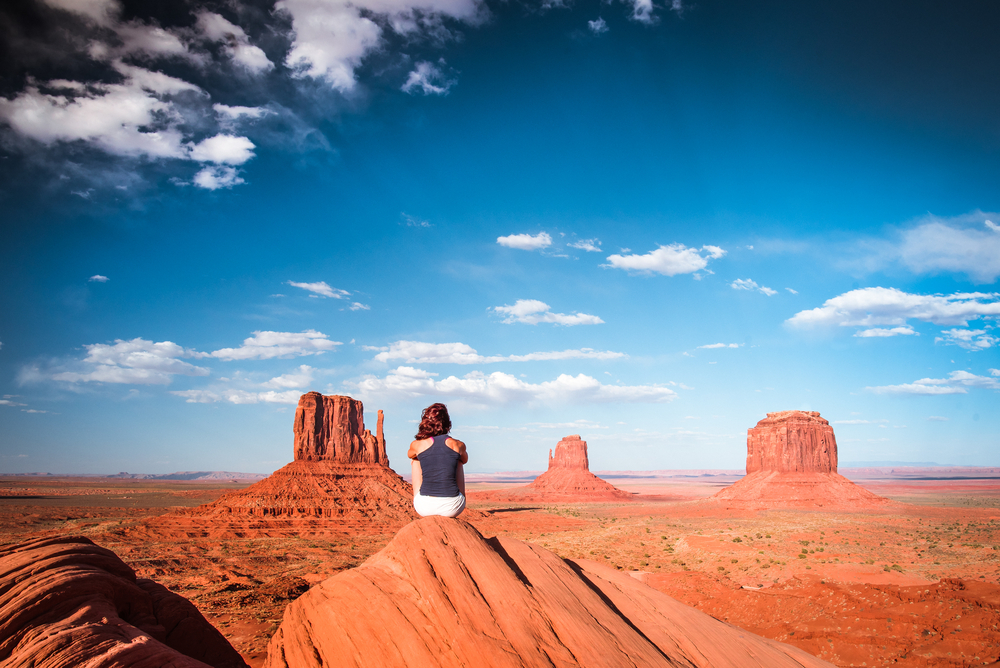
Due to its proximity to Banff National Park, the serenity is almost the same. This 11,000-square-kilometre park is the biggest national park in the Canadian Rockies. A visit to Canada must have a trip to the Jasper National Park to maintain Canadian authenticity.
Besides boat riding, which is the most popular activity here, consider mountain biking or trekking. Try the Icefield Parkway drive for a better view of Banff and Jasper National Parks. You can see waterfalls, rocky spires, emerald-green lakes, and scenic glaciers.
5. Glacier Bay National Park, Alaska
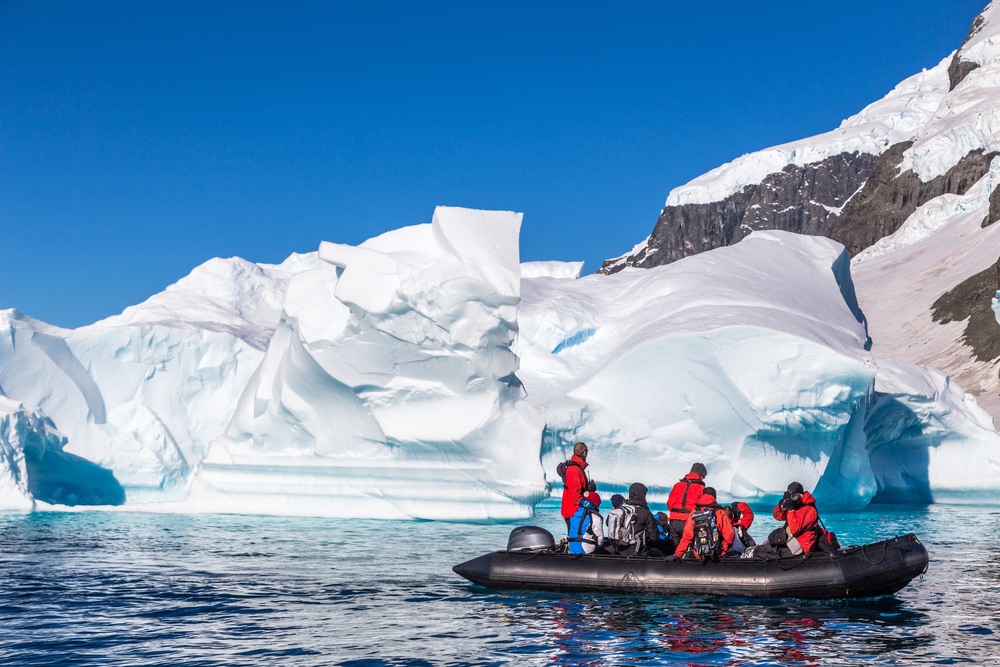
Glacier Bay National Park and Preserve is a vast marine and glacial wilderness covering more than 5,100 square miles. Most visitors experience it from the water rather than by road: cruise ships, tour boats, kayaks, and private vessels move through fjords framed by mountains and tidewater glaciers.
Summer is also prime time for humpback whales, which return to the nutrient-rich waters to feed. If you want time on land, Bartlett Cove near Gustavus is the park’s main frontcountry area, with trails, ranger programs, and access to the shoreline.
6. Redwood Forest National Park, California
Redwood National and State Parks protect the world’s tallest trees along with prairies, rivers, and roughly 37 miles of northern California coastline. The name matters: this is a jointly managed system that combines Redwood National Park with three California state parks, rather than a single “Redwood Forest National Park.”
Old-growth groves are the headline attraction, but the coast adds a completely different side to the trip. A good itinerary can combine a short forest walk, a scenic drive, and tide pools or beaches in the same day. Some popular areas, including Fern Canyon at certain times, may require fees or reservations.
7. Arches National Park, Utah
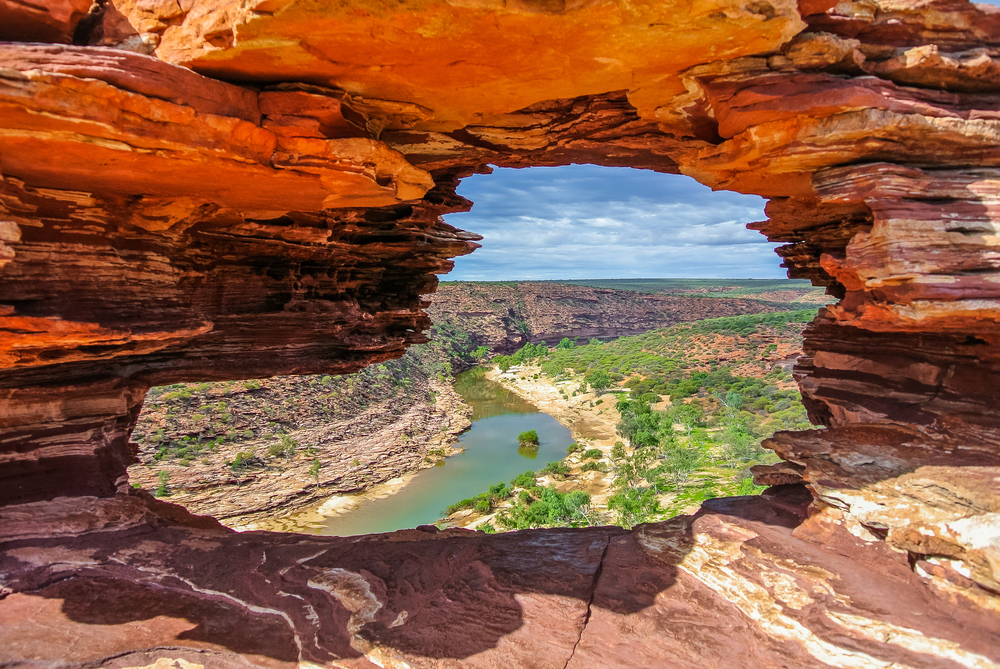
It is located in eastern Utah, covering over 77,000 acres. The park is notable for its unique geological features and sandstones. Arches are visible throughout the national park, estimated at around 2000 years old. The Double Arch, Landscape Arch, and Delicate Arch are at the top of the list.
The national park is ideal for thrill seekers, bikers, and trekkers. The sun’s illuminating rays at sunset create a spectacle on the arches. If you like photography, a picture in the arches is the spot for you. Geologists can also find useful information on the arch’s formation, history, and development.
8. Great Smoky Mountains National Park, Tennessee and North Carolina
Great Smoky Mountains National Park spreads across more than 522,000 acres on the Tennessee-North Carolina border and consistently ranks as the most visited national park in the United States. Its appeal is less about one single landmark and more about forested ridges, waterfalls, historic buildings, wildlife, and more than 800 miles of trails.
The park is also a UNESCO World Heritage Site and one of the most biologically diverse protected areas in the country. Spring wildflowers and fall foliage are especially popular, but misty summer mornings and quieter winter days each have their own appeal.
9. Zion National Park, Utah
It is one of America’s many trekking national parks, with a fantastic trail. A visit to Zion National Park should be part of your plans if you are new to Utah. The park has trekking trails, scenic cliffs, and awesome scenery.
Revelers can walk down the knee-height Virgin River or up the Angels Landing. As they walk, they get to see the beautiful views, which bring forth its refuge status. The sandstone cliff tower, standing 2500 feet above the North Fork, is also a spectacle.
Travel Tip: If Angels Landing is on your list, you need a permit for the final permitted section of the hike. Zion uses both seasonal and day-before lotteries, so check the official Angels Landing permit page before building your day around it.
10. Rocky Mountain, Colorado
Rocky Mountain National Park lies entirely in Colorado and covers about 415 square miles, with the Continental Divide running through the park. Longs Peak rises to 14,259 feet, and Trail Ridge Road climbs into alpine tundra where the scenery changes quickly from forest to open high-country views.
With nearly 150 lakes and extensive hiking routes, the park works for both short scenic stops and full-day hikes. Weather at elevation can change quickly, so a warm afternoon in Estes Park does not guarantee mild conditions higher up.
11. Joshua Tree, South California
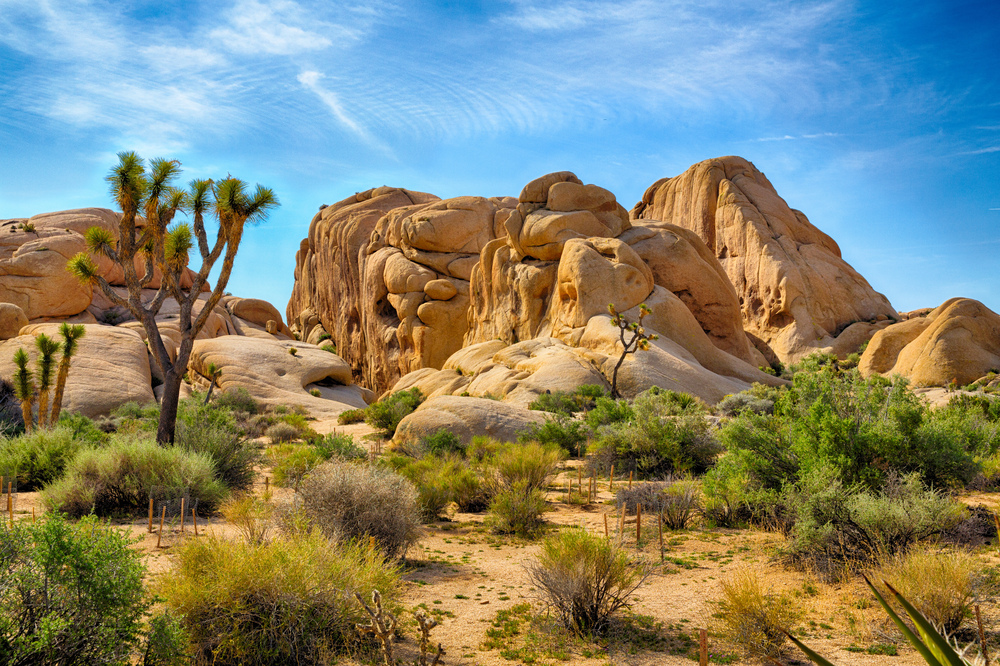
Joshua Tree National Park protects nearly 800,000 acres where the Mojave and Colorado deserts meet. The namesake Joshua trees dominate the higher Mojave section, while enormous granite boulder formations have made the park a major destination for climbers, photographers, and campers.
There are nine developed campgrounds, not hundreds, and the most popular sites can book well ahead during the cooler months. Joshua Tree also has exceptionally dark night skies, making an overnight stay worthwhile if stargazing is part of your trip.
12. Acadia National Park, Maine
The park sits on 50,000 acres of landmass in Maine. Northeastern U.S. Acadia might be small in size, but it is popular, thanks to the numerous visits by America’s presidents. Also, its location, Mount Desert Island, makes it a popular spot, especially in the fall month.
Revelers consider it a perfect getaway for couples and families. You can see Cadillac Mountain, Echo Lake, and Jordan Pond in the park. More importantly, the 360-degree view of the coastline creates a stunning view of the surroundings.
13. Banff National Park, Canada
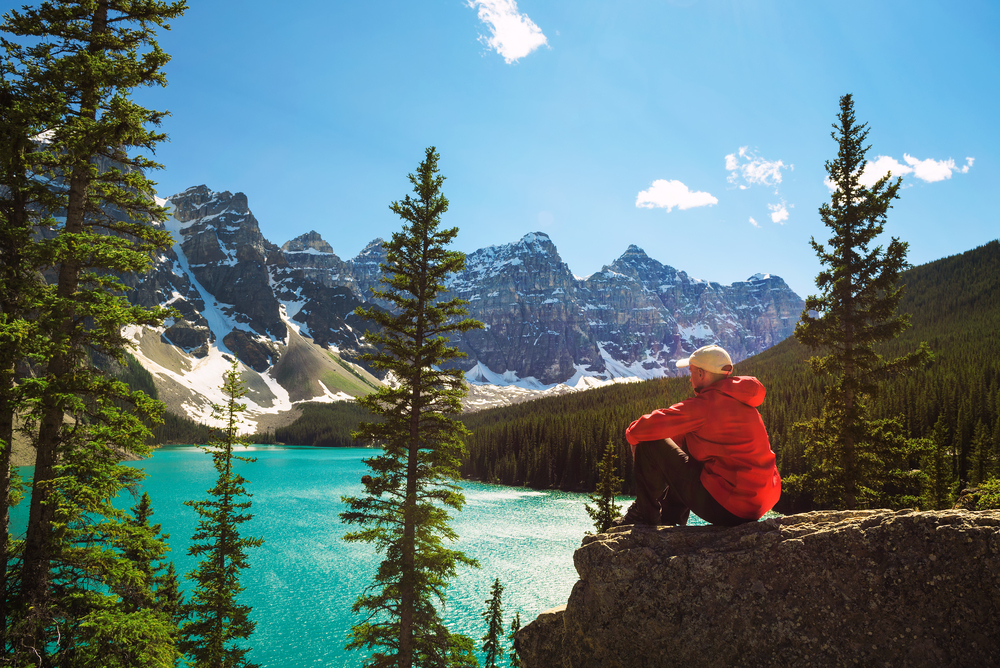
Banff National Park is the most visited and cherished natural feature in Canada and North America. The park comprises Lake Peyto and Louise, which provide a habitat for canoeing and general excursions. It is very serene for outdoor activities.
You can go sightseeing at Athabasca Falls, Tangle Creek, and Sunwapta Falls. Here, waterfalls, canyons, and incredible viewpoints are the real deal, with vegetation cover providing an incredible ambiance. Banff National Park is the ideal getaway location in Alberta, Canada.
Travel Tip: Do not plan to drive a rental car to Moraine Lake. Moraine Lake Road is closed to personal vehicles year-round, and Parks Canada shuttle reservations are required. Reserve transportation in advance through the official Lake Louise and Moraine Lake planning page.
14. Crater Lake National Park, Oregon
It is among the few protected areas in Oregon. The Crater Lake used to be a volcano that turned into a lake. With time, the water turned the surroundings into a beautiful scenery. At the center of the lake stands Wizard Island, where people go for a treat.
Site-seeing and adventure is the main activity at this lake. You get to see beautiful serenities on the Rim Driver. If the weather is favorable, you can swim or take a boat drive on the lake.
15. Death Valley, California
Death Valley National Park is a landscape of salt flats, dunes, canyons, mountains, and extreme elevation changes spread across more than 3 million acres. Badwater Basin, Mesquite Flat Sand Dunes, Zabriskie Point, and Dante’s View show how varied the park can be even within a single day of driving.
Road conditions matter here because flash floods and ongoing repair work can affect access long after a storm. Summer also demands serious heat planning: the National Park Service warns against hiking at lower elevations in extreme heat and recommends carrying at least a gallon of water per person per day.
16. Dunes National Park, Indiana
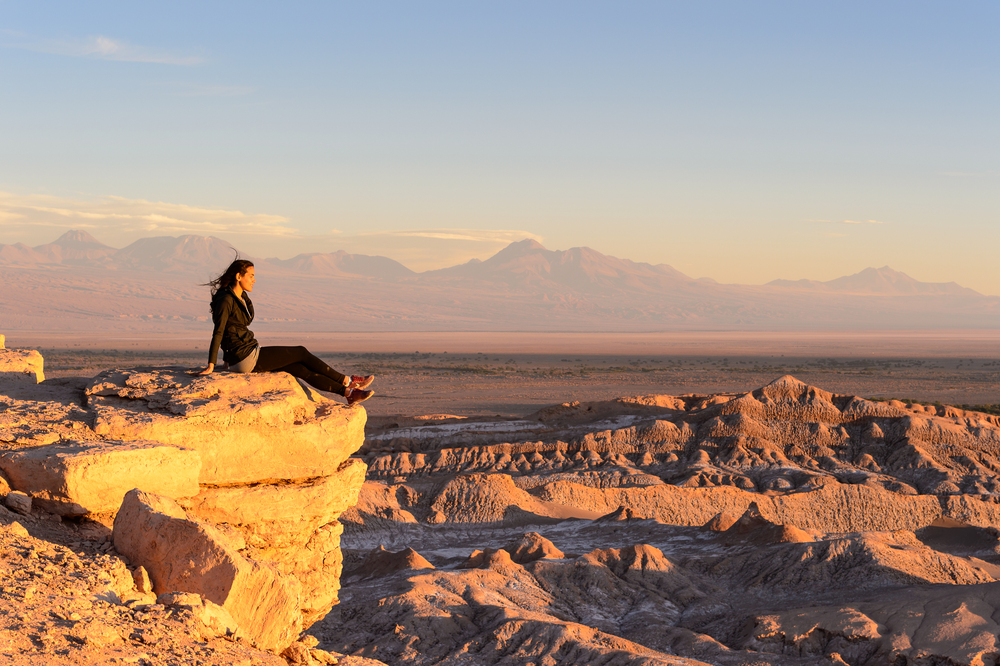
It is a 15,349 acres national park in Porter County, northwest Indiana. The park touches the southern shore of Lake Michigan for 20 miles and a host of other natural features. All these environments give the park a serene contrast, perfect for outdoorsy people.
Hiking and camping are the major activities at the dunes during summer. There are several trails along the lake shores into the hinterland. Birds, frogs, and other animals that can adapt to winter conditions can be spotted during this season. Sports such as skiing are common at the Dunes National Park during the winter season.
17. Big Bend National Park, Texas
The park comprises the Chisos mountain and part of the Chihuahuan Desert in southwest Texas. You get to see the Ross Maxwell Scenic Drive, which snakes through the Sam Nail Ranch. Another scenic point is the Santa Elena Canyon, which hikers mostly use.
The canyons in this park are good for hiking and photography lovers. Langford Hot Springs near the Mexican border is good for natural steam bathing. Other must-do activities at the Big Bend National Park include scenic drives and nature hiking.
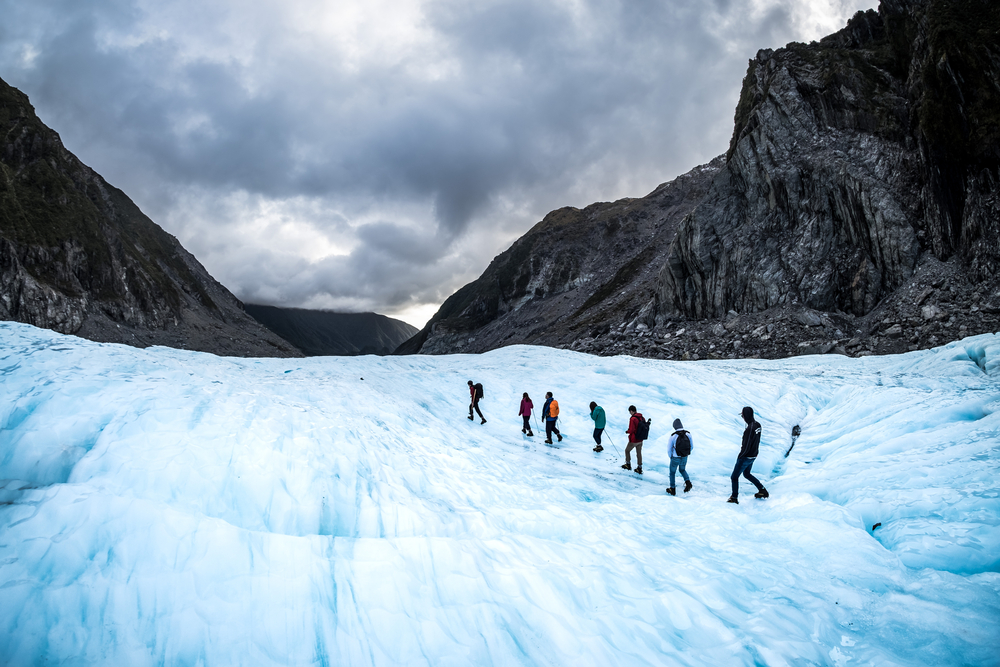
18. Glacier National Park, Montana
Glacier National Park covers more than 1,500 square miles along the Canadian border and contains more than 700 lakes and over 700 miles of hiking trails. Going-to-the-Sun Road is the park’s most famous drive, crossing Logan Pass on a 50-mile route through some of the park’s most dramatic mountain scenery.
The alpine section of the road has no fixed opening date because snow removal varies each year. In 2026, vehicle reservations are not required, but parking at popular trailheads can fill very early. Across the border, Glacier joins Canada’s Waterton Lakes National Park to form Waterton-Glacier International Peace Park.
19. Mount Rainer, Washington
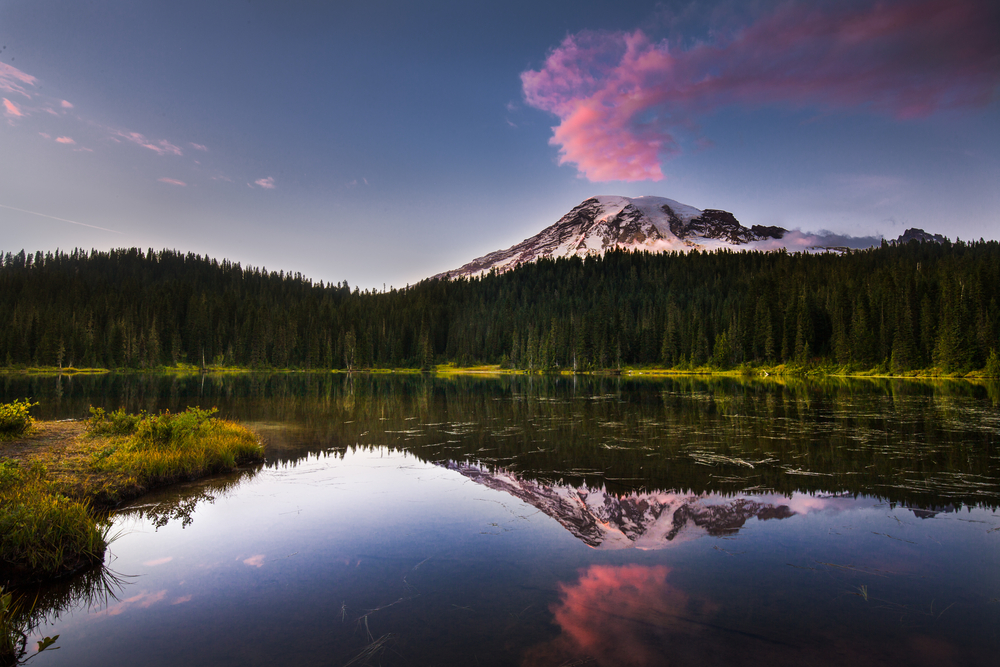
Mount Rainier is a stunning mountain national park located in Washington on 369 square miles of land. It is 14,400 feet high, with a possible high mountain climbing spot at 6,400 feet.
The mountain is ideal for hiking and sightseeing. On a clear sky, you can see the mountain top. As you hike, you can gather Mount Adam’s volcanoes at a distance and also the Paradise outlook. Thanks to the favorable conditions, you can also spot some beautiful flowers in the summer.
20. Isle Royale National Park, Michigan
Isle Royale National Park is one of the most remote national parks in the lower 48, accessible only by ferry, seaplane, or private watercraft. The main island is about 50 miles long and 9 miles wide, surrounded by hundreds of smaller islands in Lake Superior.
This is a park to plan rather than improvise. Ferry and seaplane service is seasonal, the park closes to visitors from November 1 through April 15, and many travelers come for multi-day backpacking, paddling, or camping trips. Its isolation is exactly what makes it special.
How to Plan a Better National Park Trip
- Check conditions close to departure. Wildfires, snow, floods, roadwork, and wildlife management can change access quickly. Use official NPS or Parks Canada alerts rather than relying only on an older itinerary.
- Reserve the hard-to-get pieces first. Campgrounds, ferries, shuttles, backcountry permits, and certain popular hikes can sell out long before general park entry becomes an issue.
- Download maps before you lose service. Cell coverage is limited or absent in many of these parks, especially in remote areas such as Big Bend, Glacier Bay, and Isle Royale.
- Plan around distance, not just attractions. A national park can cover hundreds or thousands of square miles. Trying to fit every famous viewpoint into one day often means spending more time in the car than on the trail.
Choose Your Next National Park Adventure
From Yosemite’s granite walls and Yellowstone’s geothermal basins to the turquoise lakes of Banff and the remote shoreline of Isle Royale, these parks offer very different ways to experience North America’s wild landscapes. The best choice depends on the season, the amount of time you have, and whether you want hiking, wildlife, scenic drives, water, or a more remote wilderness experience.
If your plans include multiple parks or cross-border travel, consider travel insurance that matches the length and activities of your trip.
Featured stories