Last Update: August 2026
Few travel experiences are as memorable as seeing a coral reef up close. These ecosystems look very different from one destination to another. Australia has broad reef platforms, while the Philippines has steep walls and Southeast Asia has coral-rich archipelagos.
The five destinations below stand out for their scenery, biodiversity, and opportunities to snorkel or dive. Conditions change with the season, weather, and reef health. Check current local guidance before booking an excursion.
Index
Exploring Coral Reefs Around the World
These destinations boast magnificent coastal features and vibrant marine life, offering travelers an opportunity to immerse themselves in the beauty of the underwater world.
Great Barrier Reef, Australia
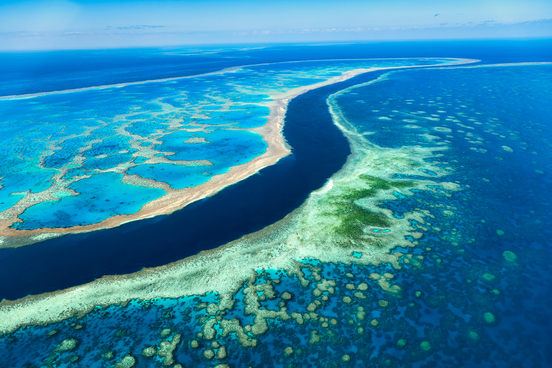
The Great Barrier Reef is the world’s largest coral reef ecosystem, covering about 133,000 square miles. It contains more than 2,900 individual reefs and over 450 species of hard coral. Its scale is part of what makes it remarkable. One trip might focus on shallow snorkeling sites. Another may head farther offshore to reef walls, channels, and deeper dive locations. The Great Barrier Reef Marine Park Authority provides official information on the reef’s biodiversity and conservation.
Access points stretch along the Queensland coast. Cairns and Port Douglas are popular for reef day trips, while the Whitsundays combine island stays, sailing, snorkeling, and diving. Before booking, look at the actual reef sites on the itinerary, not just the departure town.
Tubbataha Reefs Natural Park, Philippines
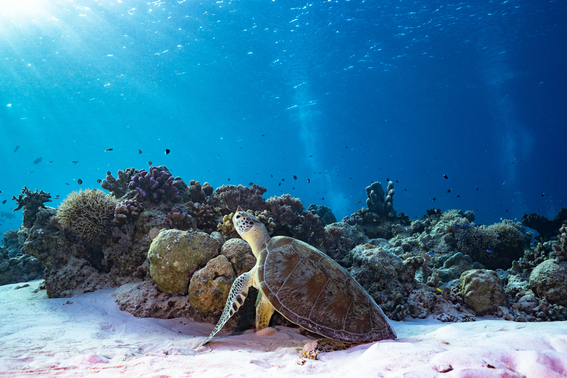
Tubbataha Reefs Natural Park sits in the middle of the Sulu Sea. It protects almost 100,000 hectares of marine habitat. UNESCO records more than 360 coral species and nearly 700 fish species in the park. Sharks, turtles, rays, and other large marine animals also live here. Its remoteness is part of the appeal, but it makes planning more important. According to the official Tubbataha Reefs website, the park is accessible only from mid-March to mid-June. Sea conditions are typically suitable for visiting during this short window.
Travel Tip: Tubbataha is not a spontaneous add-on to a Philippines beach trip. The official park site says it is accessible only from mid-March to mid-June and reached by liveaboard, so plan well ahead if this reef is a priority.
Raja Ampat, Indonesia
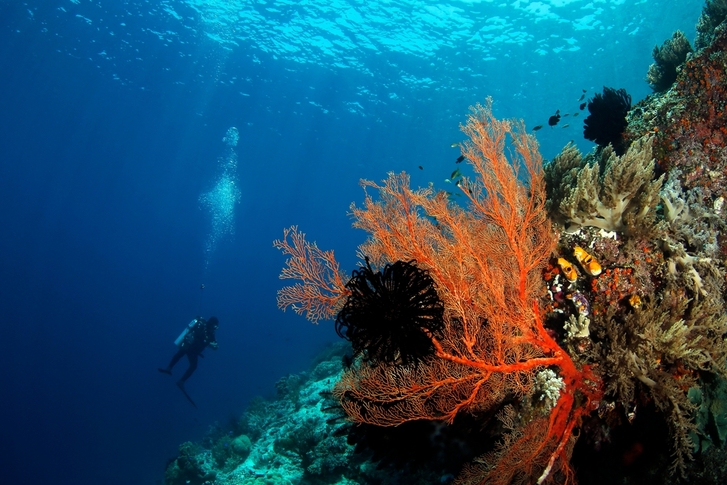
Raja Ampat is a vast archipelago in eastern Indonesia, at the heart of the Coral Triangle. Coral gardens, steep underwater terrain, mangroves, and limestone islands shape the scenery. The marine life is exceptionally rich. UNESCO describes the region as one of the planet’s most important marine biodiversity hotspots. Its coral reefs are among the richest on Earth. The islands and dive sites are spread over a large area, so choose your route carefully.
Don’t Miss These Raja Ampat Experiences:
- Manta Sandy: One of the archipelago’s best-known dive sites doubles as a manta ray cleaning station, where the animals gather while small reef fish remove parasites from their bodies.
- Piaynemo: Raja Ampat isn’t only impressive underwater. A climb to the Piaynemo viewpoint reveals the limestone islets and turquoise lagoons that have become one of the region’s signature landscapes. Indonesia’s official tourism site highlights Piaynemo as one of the archipelago’s key stops.
- Underwater caves and ancient rock art: Parts of Raja Ampat’s limestone landscape contain caves below sea level, while prehistoric paintings created thousands of years ago survive on coastal cliffs and cavities. The unusual geology helped earn Raja Ampat UNESCO Global Geopark status.
Belize Barrier Reef, Belize
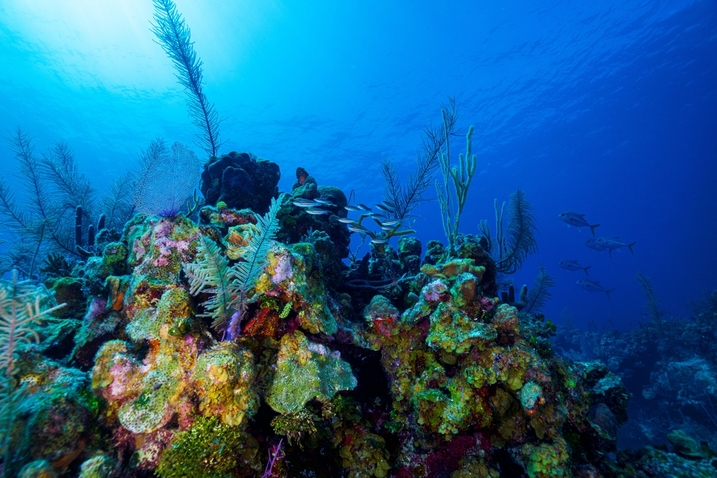
The Belize Barrier Reef stretches for about 185 miles along the Caribbean coast and forms the largest reef system in the Northern Hemisphere. Its UNESCO-listed reserve system includes seven protected areas, but the reef itself is much more varied than one continuous wall of coral. Travelers can explore offshore atolls, patch reefs, mangrove habitats, seagrass beds, and hundreds of small cayes, making it possible to experience several very different marine environments in a single trip.
The Great Blue Hole may be Belize’s most famous underwater landmark, but it is only one part of the experience. Located at Lighthouse Reef Atoll, the enormous marine sinkhole drops more than 400 feet and is known for its limestone walls and underwater stalactites. Travelers who prefer shallower snorkeling can head to places such as Hol Chan Marine Reserve, about four miles south of San Pedro. Its reef channel is roughly 30 feet deep, and nearby Shark Ray Alley is known for encounters with nurse sharks, stingrays, and sea turtles.
Travel Tip: If snorkeling is your priority, don’t choose Belize solely because of the Blue Hole. Base yourself on Ambergris Caye or Caye Caulker for easier access to shallow reef sites and day trips, and save the longer journey to Lighthouse Reef for a trip where the Blue Hole itself is one of your main goals.
Maldives
The Maldives is not one single reef destination. Spread across 26 natural atolls and more than 1,000 coral islands, the country offers everything from calm house reefs to current-swept channels, reef walls, and thilas – submerged coral pinnacles that attract schools of fish, rays, reef sharks, and other marine life. Some resorts have house reefs accessible directly from the beach, while more remote dive sites require boat trips or a liveaboard itinerary.
Choosing the right atoll can make a big difference. South Ari Atoll is one of the Maldives’ best-known areas for whale sharks, with sightings possible throughout the year. Baa Atoll, meanwhile, is particularly famous for manta rays. At Hanifaru Bay, seasonal plankton concentrations can attract large groups of mantas and occasional whale sharks, creating one of the country’s most distinctive snorkeling experiences.
Travel Tip: Scuba diving is prohibited inside Hanifaru Bay, which is managed primarily for snorkeling to reduce pressure on the animals and their habitat. Conditions also vary significantly between sites: currents, visibility, tides, and marine-life activity can change the difficulty and character of an excursion, so follow local guides and check the rules for protected areas before booking.
How to Visit Coral Reefs Responsibly
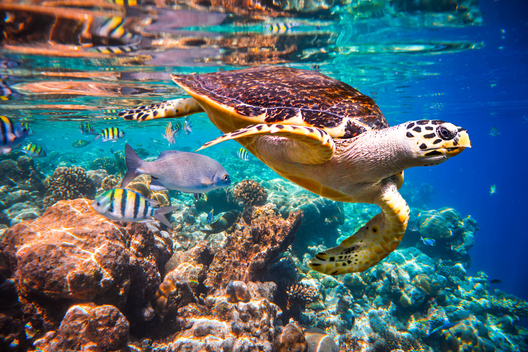
Corals are living animals, and even accidental contact can damage them. NOAA Fisheries advises snorkelers and divers not to touch, kick, or stand on coral. Keep fins and loose equipment under control. Follow local marine park rules and listen to your guide’s briefing before entering the water.
Reef conditions can change after storms, marine heat events, or bleaching. Check recent local guidance instead of assuming a site will look exactly like older photos or travel videos.
What Is the Prettiest Type of Coral?
The elkhorn coral is one of the prettiest species in the world. If you get a chance to dive near this organism, you will get to see the expansive growth. As it can get to over 3 meters wide and close to 2 meters tall. They will most likely be growing in groups known as thickets. The nature of the coral provides a good habitat for other living creatures in the marine ecology.
Another beautiful coral is the open brain, which is also mostly used in domestic settings for fish tanks. They are located mostly in the Red Sea coral reefs as they prefer the conditions in this water body. This species of coral is most popular because of the fluorescent featureit has after various development stages. Regardless of the pretty nature, over-harvesting could easily be an issue in the long term.
Where Are the Most Pristine Coral Reefs in the World?
The Red Sea is among the locations of the world’s most visually exciting coral reefs. These are top-level diving spots where tourists can enjoy views of unique coral species. The Red Sea coral reefs in the world boast a vast marine life including the rare dugong. The southern part is the world’s most beautiful red-sea coral reef. The main perk of visiting this section is that it is quiet, with less human interaction. The water is clear hence better chances of seeing rare sea life species.
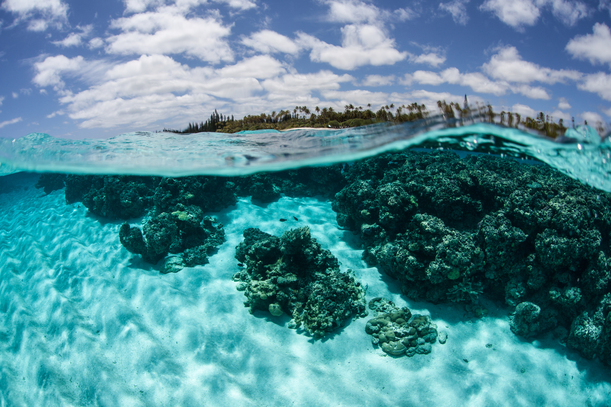
New Caledonia is also home to one of the most pristine reefs. The New Caledonia barrier reef has the biggest statistical length in the world, with beaming marine life. Many endangered marine species live here alongside other common ones, such as whales and turtles.
Before You Go: A Few Final Checks
From the enormous Great Barrier Reef to remote Tubbataha, biodiversity-rich Raja Ampat, Belize’s varied reef system, and the atolls of the Maldives, each destination offers a different underwater experience. The right choice depends on whether you want easy snorkeling, challenging dives, large marine-life encounters, or a multi-day reef adventure. Whichever you choose, follow local marine park rules and check current conditions before you go.
If your trip includes snorkeling, diving, or boat excursions, consider Heymondo travel insurance before you leave.
Featured stories