Last updated: August 2026
Bali remains one of the friendliest places you can visit, attracting millions of travelers every year. Indonesia also scores well on global safety reports. It holds a score of 53.8 on the Numbeo Safety Index and ranks 69 out of 163 countries on the 2026 Global Peace Index. This shows the country has strong domestic stability and a low risk of conflict.
Traveling safely in Bali takes more than just watching your purse, though. The real problems visitors face are much more practical. These include scooter crashes, stomach bugs, tainted alcohol, and unexpected insurance issues.
We broke this guide down into road safety, health risks, and local laws. This way, you will know exactly what is covered and what is not.
Index
Navigating Bali’s Roads & Scooter Rules
Traffic is easily the biggest hazard in Bali. Between narrow roads, heavy congestion in areas like Canggu and Seminyak, unpredictable traffic patterns, and sudden potholes, minor accidents happen daily.
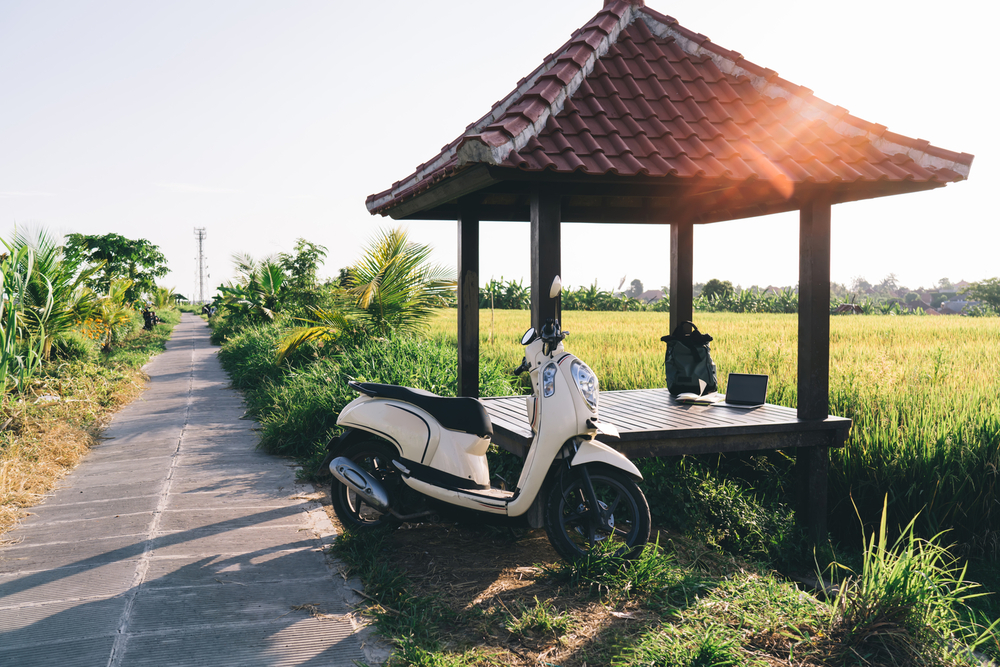
If you plan on driving a scooter in Bali, you need an International Driving Permit (IDP), and your home country’s valid motorcycle license. Driving without these documents violates Indonesian law and invalidates standard travel insurance coverage in the event of an accident.
If you plan to rent a scooter:
- Ensure your home driver’s license explicitly permits motorcycle or scooter operation, and obtain an IDP prior to departing.
- Always wear a helmet fastened properly.
- Check your insurance fine print, bikes over 75cc usually require specialized coverage or an add-on policy.
- Consider using ride-hailing applications like Grab or Gojek, or hiring licensed private drivers for long distances to avoid road hazards entirely.
For U.S. Travelers: The U.S. Department of State maintains a Level 2 Travel Advisory (“Exercise Increased Caution”) for Indonesia, primarily citing regional security variations and local transport risks rather than widespread safety issues in Bali.
Health, Food Safety, and Medical Preparedness
Medical emergencies in Bali can escalate quickly due to private hospital pricing and specialized treatment needs. Understanding how to protect your physical health is vital for an enjoyable stay.
Food and Water Safety (“Bali Belly”)
Gastrointestinal illness, commonly referred to as “Bali Belly,” is caused by consuming contaminated food or untreated tap water.
- Never drink tap water. Stick to bottled or filtered water, even when brushing your teeth.
- Pick busy restaurants with high customer turnover so food isn’t sitting out.
- Be cautious with raw street food, and ensure ice comes from purified water (which is standard practice at reputable spots).
Tainted Alcohol and Nightlife
Methanol poisoning from fake or improperly distilled spirits, especially cheap local arak, remains a real concern in nightlife hubs. Consuming methanol can lead to blindness, organ damage, or death.
- Stick to sealed, brand-name spirits or drinks purchased from licensed stores.
- Avoid unusually cheap open-cocktail deals or unlabeled punch bowls.
Wildlife and Vector-Borne Illnesses
Mosquitoes in Indonesia can transmit Dengue Fever, particularly during the wet season. Rabies is also a risk with stray dogs and wild monkeys.
- Avoid touching or feeding stray animals, and keep your distance at popular monkey forests.
- If you get bitten or scratched, head straight to a clinic for post-exposure rabies shots.

Petty Crime, Scams, and Local Laws
While major crime is rare, keep an eye out for opportunistic petty theft in tourist areas.
- Bag and Phone Snatching: Motorcyclists sometimes target pedestrians holding cell phones or wearing loose bags near roads. Carry your bag away from traffic and step inside a building to check maps.
- ATM Skimming: Avoid standalone street ATMs, which are prone to card skimmers. Use machines inside bank branches instead.
- Strict Drug Laws: Indonesia enforces severe penalties for drug offenses, including long prison sentences or the death penalty. This includes marijuana, CBD products, and certain prescription medications for ADHD. Travelers carrying prescribed medication must carry official documentation and keep them in original pharmacy bottles.

Entry Formalities and Local Levies
Before traveling to Bali, make sure you have the following requirements:
- Passport Validity: Your passport must be valid for at least 6 months beyond your planned arrival date.
- Digital Customs Declaration: All arriving passengers must fill out the online customs declaration via the All Indonesia Digital Declaration System prior to arrival.
- Bali Foreign Tourist Levy: Bali enforces a mandatory tourist fee of IDR 150,000 (approximately $9.50 USD) per foreign visitor, payable online via the official Love Bali Portal.
From the Heymondo Claims Team
The vast majority of claims we process in Bali come down to two things: motorbike crashes and severe cases of Bali Belly requiring hospital admission. While standard clinic visits are simple enough to pay out-of-pocket, private hospitals in Bali frequently demand cash deposits or financial guarantees exceeding $2,000 USD before admitting international patients.
Frequently Asked Questions
Is Bali safe for solo female travelers?
Yes, Bali is widely considered one of the safest destinations in Southeast Asia for solo female travelers. Standard personal safety precautions apply: avoid unlit areas alone at night, stick to trusted ride-hailing apps, and monitor your drinks in entertainment venues.
Do I need travel insurance for Bali?
While travel insurance is not currently a mandatory entry requirement for standard tourist visas, the U.S. Department of State strongly advises getting a comprehensive policy coverage. Medical evacuations from Indonesia or prolonged admissions at private international hospitals can reach tens of thousands of dollars.
What should I do if I get sick or injured in Bali?
For non-emergencies, consult a recognized clinic or use telehealth services. If it’s a severe injury or life-threatening emergency, go to the nearest emergency room or call for local emergency assistance first (dial 112 in Indonesia). Once you are safe or being transported, contact the 24/7 Heymondo Assistance Center as soon as possible so our team can coordinate to handle billing guarantees. For minor, non-emergency issues, you can consult a local clinic or use the Heymondo telehealth services.
Bali remains an exceptionally safe, vibrant, and rewarding destination for international travelers.
Featured stories