Planning a trip to Australia often starts with dreams of sunny days on Bondi Beach or snorkeling along colorful coral reefs. Because Australia sits in the Southern Hemisphere, its seasons run opposite to those in North America. When winter snow covers the United States in January, Australian beaches soak up summer warmth.
But, Australia is an entire continent spanning nearly 3 million square miles. No single forecast applies to the whole country. While Sydney enjoys warm beach weather, Darwin and Cairns face heavy monsoon rain, and the red central desert bakes in the heat.
We have organized this guide by regional climate zones rather than a single calendar. Dividing the country this way helps you pair spots that fit well together on a two or three week trip.
Index
Understanding Australia’s Three Major Climate Zones
Australia divides into main weather zones, and knowing where your stops sit makes trip planning simple.
- North (Tropical) [Cairns, Darwin]: Dry season runs from May to October, followed by the wet season from November to April.
- Central (Arid Outback) [Uluru]: Mild temperatures span from April to September, while scorching heat sets in from December to February.
- South (Temperate) [Melbourne, Tasmania]: Warm weather lasts from December through February, turning crisp from June through August.
The temperate south covers Sydney, Melbourne, Adelaide, Perth, and Tasmania. Here, you get four distinct seasons. Summer lasts from December through February. It brings sunny beach days and occasional heatwaves. Winter runs from June through August with cool, crisp days and rain. Snow dusts high peaks in the Australian Alps and Tasmanian highlands.
The dry interior, known as the Red Centre, includes Uluru and Alice Springs. Desert air creates sharp daily shifts. Summer days regularly top 95°F. Clear winter nights often drop below freezing.
The tropical north stretches from Broome and Darwin over to Cairns and the Whitsundays. This belt runs on two basic seasons: dry and wet. The dry season lasts from May to October. It brings blue skies, low humidity, and calm seas. The wet season runs from November to April. It brings heavy rain, muggy heat, and marine stingers near coastal beaches.
A great Australian trip depends on matching your plans to these regional shifts.
- Check weather patterns for each stop so you do not land in the north during monsoon rains.
- Plan around regional differences so you enjoy pleasant days for walking and outdoor meals.
- Apply early for your Electronic Travel Authority (subclass 601) to keep entry quick and simple.
When to Explore the Southern Cities & Wine Regions
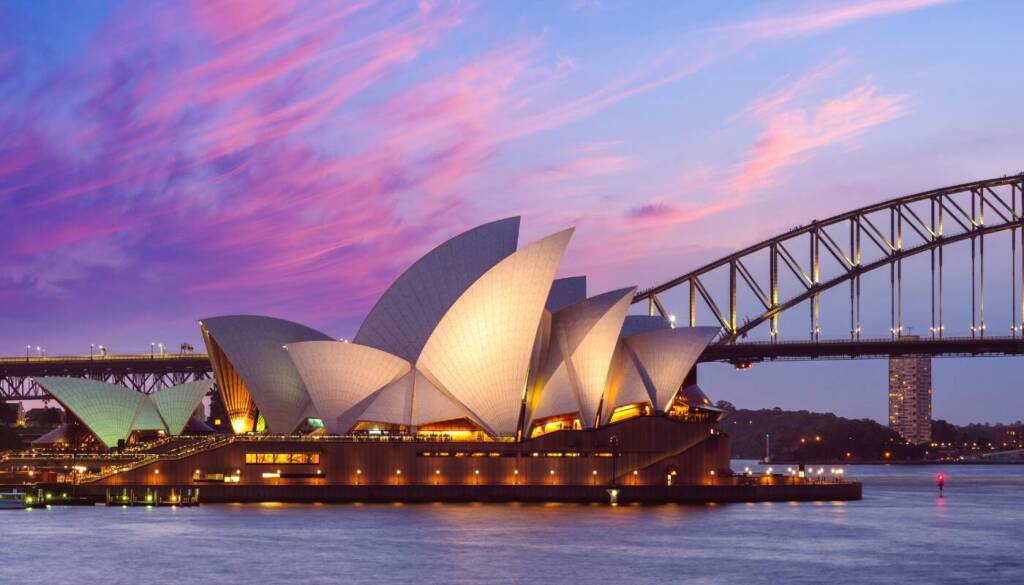
The southern half of Australia offers a great mix of vibrant cities, fine dining, coastal views, and lush wine valleys. Stroll the laneways of Melbourne, ride a ferry in Sydney Harbour, or taste local wine in South Australia. Good timing makes every day better.
October and November bring fresh spring energy to southern cities. City parks bloom with purple jacaranda trees, outdoor cafes fill up, and average highs sit near 72°F. This is a prime window for walking tours, coastal paths like the Bondi to Coogee trail, and wildlife spotting in nearby parks.
If you want classic beach days and lively summer festivals, December through February brings plenty of sun. Ocean breezes keep Sydney and Perth pleasant on most days, with highs between 78°F and 86°F. Keep in mind that late December through January brings summer school breaks. This leads to full hotels and crowded beaches.
Autumn, from March to May, is one of the best times to see Victoria and South Australia. Days stay bright and mild, with highs averaging 68°F. The Yarra Valley, Barossa, and Adelaide Hills buzz with the yearly grape harvest. Cellar doors fill with activity and golden leaves. Tasmania is especially scenic, as native beech forests turn bright shades of gold and amber.
Autumn rewards road trips with light highway traffic, cool hiking days, and fresh local food.
Top Travel Tips
- Start early on coastal drives to visit ocean lookouts before afternoon winds pick up.
- Pack a light sweater or fleece to handle quick drops in temperature in Melbourne and Tasmania.
- Check state road reports so you know rural routes stay open after autumn showers.
Navigating the Tropical North & the Great Barrier Reef
Exploring the Daintree Rainforest and snorkeling the Great Barrier Reef takes a different mindset. In this region, rain, wind, and marine life set the travel calendar.
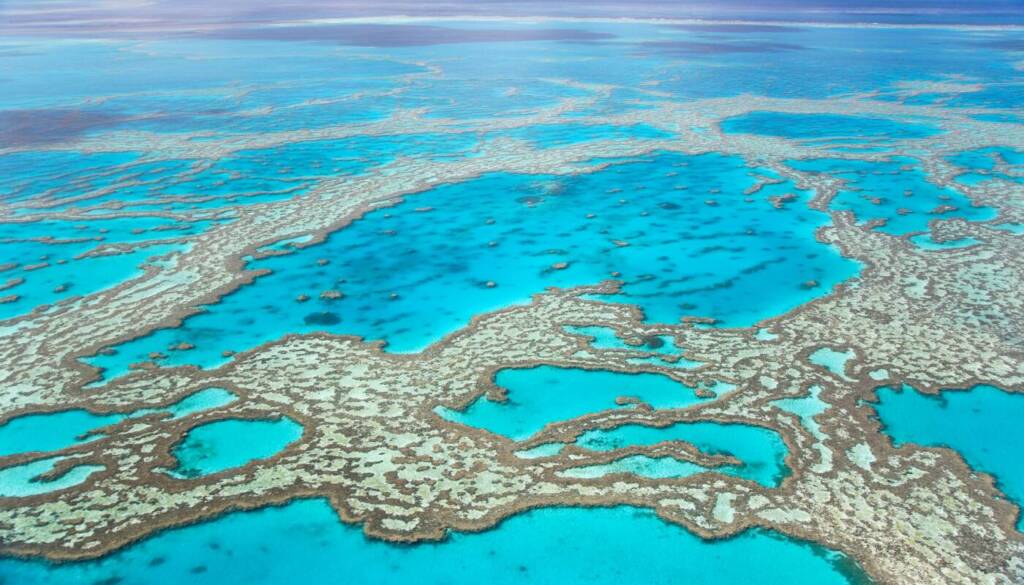
The best time to visit Cairns, Port Douglas, and the Whitsundays runs from June through October. During these winter and early spring months, the tropical north enjoys its dry season. Daytime highs average a pleasant 79°F with low humidity and little rain. Water clarity reaches its peak. This makes it the prime window for snorkeling and boat tours.
This dry period also falls outside the peak season for dangerous stingers like box jellyfish and Irukandji. These stingers drift near northern shores during warmer months. Even so, tour operators provide full lycra suits for water activities all year long.
The wet season, from November through April, brings tropical heat, high humidity, and frequent storms. Daytime highs reach 88°F to 92°F, with regular downpours. The rainforest looks lush and waterfalls flow with power. However, floodwaters can close access roads to remote parks in the Top End. Reef trips still run during calm breaks, but open seas can get rough.
Heading north between June and October ensures calmer waters, sunny skies, and open roads.
Top Travel Tips
- Book reef day trips a few days early in July and August to secure spots on smaller boats.
- Wear protective lycra suits on snorkel trips for sun defense and sting safety.
- Take guided tours if you plan to drive unpaved tracks in rural Queensland.
Exploring the Outback & the Red Centre
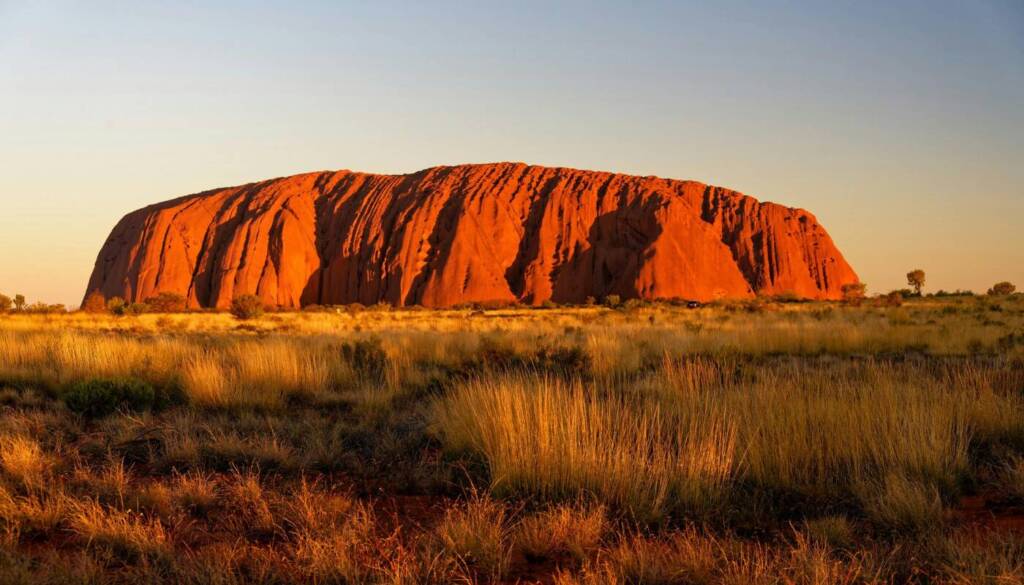
Standing before Uluru or walking through the domes of Kata Tjuta connects you with Australia’s ancient land. The desert requires smart planning around daytime heat.
The best travel window for central Australia runs from May to September. During these cooler months, daytime highs sit between 68°F and 77°F. This makes morning walks and cultural tours very pleasant. Desert skies stay clear, so nights cool down fast. Temps often reach 40°F or lower. Warm layers are essential for sunrise trips.
Visiting the Red Centre between December and February calls for caution. Desert summers bring extreme heat, with midday highs often passing 100°F. Park rangers close key trails, like the Valley of the Winds walk at Kata Tjuta, at 11:00 AM once heat reaches 97°F. This rule keeps hikers safe from heat exhaustion. Summer also brings heavy fly activity, making fine mesh head nets a must-have.
Starting desert hikes at dawn lets you see shifting colors across the rocks while skipping the midday heat.
Top Travel Tips
- Carry at least one gallon of water per person on desert trails to prevent dehydration.
- Pack warm layers so you stay warm during chilly desert sunrises.
- Check trail updates at park visitor centers before heading out on any hike.
The Shoulder Seasons: Finding the Balance for Multi-Stop Itineraries
Most international visitors want to combine several regions into one trip, pairing Sydney with the Great Barrier Reef and the Outback. Because northern and southern calendars run on opposite cycles, picking the shoulder seasons creates the best balance across the country.
The top cross-country window runs from September through October. During these spring months, Sydney and Melbourne warm up nicely without summer crowds. The Red Centre stays mild enough for hiking before high summer heat sets in. Just as important, Queensland stays in its dry season. That gives you clear water for reef trips.
Another great window occurs in April and May. Southern states enjoy crisp autumn air, local wine valleys are bustling, and the tropical north moves out of its wet season into drier days.
| Destination | Best Travel Window | Daytime Temp Range | Seasonal Highlights |
|---|---|---|---|
| Sydney & New South Wales | October to April | 70°F – 82°F | Coastal walks, ocean swims, outdoor dining, harbor events |
| Melbourne & Victoria | October to April | 65°F – 79°F | Laneway cafes, autumn grape harvest, scenic coastal drives |
| Cairns & Great Barrier Reef | May to October | 77°F – 84°F | Clear reef waters, low rainfall, mild humidity |
| Uluru & The Red Centre | May to September | 68°F – 79°F | Pleasant desert walks, cool evenings, clear night skies |
| Tasmania | November to March | 63°F – 72°F | National park hikes, coastal cruises, fresh local seafood |
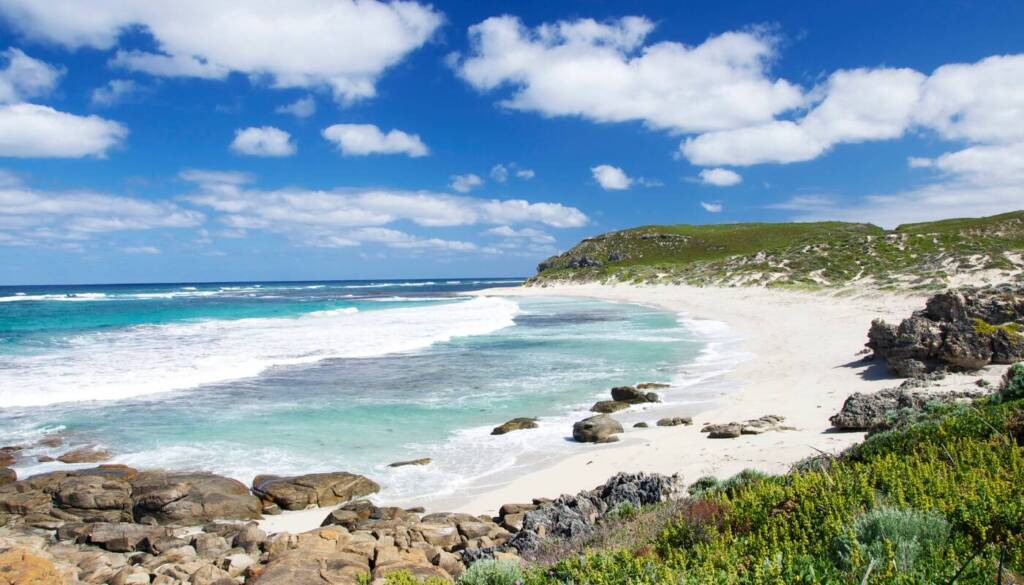
| Perth & Western Australia | September to November | 68°F – 84°F | Spring wildflowers, sunny beaches, Margaret River wine |
Top Travel Tips
- Book domestic flights between regions early to keep travel days simple and organized.
- Route your trip from north to south in autumn so you follow mild temperatures as winter nears.
- Check Australian school holiday schedules so you can avoid peak hotel rates.
Seasonal Travel Safety & Severe Weather Hazards
Australia has modern roads and transit, yet its climate can create sudden challenges. Knowing what to expect keeps your trip smooth and safe.
The southern bushfire season peaks from December through February. During this time, hot winds and dry grass create fire risks across New South Wales, Victoria, South Australia, and Western Australia. In the tropical north, the fire danger period runs during the dry season from June through November.
Australia uses the official Australian Warning System. It ranks natural hazards into three clear stages: Advice, Watch and Act, and Emergency Warning. You can check live alerts through the Bureau of Meteorology and state emergency services.
In tropical areas, cyclone season runs from November through April. Heavy monsoon storms can lead to quick flash flooding along rural roads in Queensland and the Northern Territory, which may delay road travel.
Whether you hike coastal bluffs or snorkel over reefs, travel insurance provides medical care. It also covers trip delays caused by severe weather.
Checking official hazard apps helps you change your driving route well before storms hit your area.
- Download state warning apps along your route to get live safety alerts.
- Follow park ranger alerts and avoid exposed trails during high fire danger days.
- Never drive across flooded roads, because water depths can change fast.
Frequently Asked Questions About Visiting Australia
Key answers on timing, documents, and marine safety to help you plan a seamless trip Down Under.
What Is the Single Best Month to Visit Australia to See Everything?
October is the top overall month for a broad trip across Australia. Southern cities like Sydney and Melbourne offer mild spring weather around 72°F without the crowds of midsummer. At the same time, the tropical north stays in its dry season. This brings clear seas for reef tours and lower humidity before summer rains arrive.
What Travel Documents Do U.S. Citizens Need to Visit Australia?
U.S. citizens visiting Australia for tourism or business under 90 days need a valid passport and an approved Electronic Travel Authority (subclass 601). You must submit your application through the official Australian ETA app before flying. Eligible travelers with a biometric U.S. passport can use automated SmartGate kiosks at major airport customs areas for fast entry.
When Is Stinger Season on the Great Barrier Reef, and Can I Still Swim?
Marine stinger season in northern waters runs from November through May. Box jellyfish and Irukandji stay closer to coastal shores and islands during these months. Snorkeling and diving remain popular all year because tour boats visit outer reefs where jellyfish are rare. Tour operators also supply full-body lycra suits for added safety. If you swim from mainland beaches, stay inside designated net enclosures.
Enjoy Australia Protected Against the Unexpected
When your journey covers several climate zones and long flight routes, unexpected weather can sometimes alter your plans. Heymondo Travel Insurance helps keep your Australian adventure on track with round-the-clock emergency medical support and coverage for trip delays or outdoor activities like hiking and snorkeling.
Featured stories