Last Update: August 2026
A famous surf break can look completely different from one day to the next. Swell direction, wave period, wind, tide, reef depth, and local crowd levels all affect whether a session is manageable, challenging, or unsafe.
The destinations below include legendary big-wave breaks, long point breaks, reef waves, and more approachable beach areas. Some are strictly for highly experienced surfers, so treat the seasonal windows as a starting point and check the actual forecast before paddling out.
Index
How to Check Swell and Wave Conditions Before a Surf Trip
Do not book a surf trip based only on a monthly “best season” chart. The U.S. National Weather Service explains that marine forecasts can include three key wave details: height, period, and direction. Together with local wind and tide, these numbers help explain what the ocean is likely to do at a specific break.
- Swell height: How large the swell is offshore. Remember that forecast swell height and the face height of breaking surf are not the same measurement.
- Swell period: The time between waves, measured in seconds. Longer-period swell generally carries more energy and can produce much larger breaking waves when it reaches shallow water.
- Swell direction: Where the swell is coming from. A break may respond well to one direction and poorly to another.
- Wind and tide: Offshore or light winds can clean up wave faces, while strong onshore wind can make conditions messy. Reef and point breaks can also change dramatically with the tide.
What are the Top 10 destinations for surfing?
Banzai Pipeline, Oahu, Hawaii
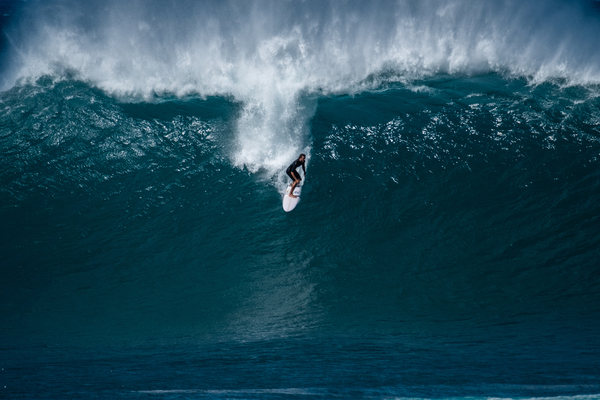
Pipeline on Oahu’s North Shore is one of surfing’s most recognizable reef breaks, but it is not a place for beginners. Hawaii Ocean Safety notes that the North Shore changes dramatically with the seasons: summer can be relatively calm, while winter swells produce high surf and powerful shorebreak.
The classic target window is the Northern Hemisphere winter, roughly November through March, when North Pacific swell reaches the North Shore. Pipeline, Backdoor, Sunset Beach, and Waimea Bay are for experienced surfers when they are active. Beginners are much better off taking lessons on a more forgiving break such as Waikiki rather than treating Pipeline as a progression spot.
Jeffrey’s Bay, South Africa
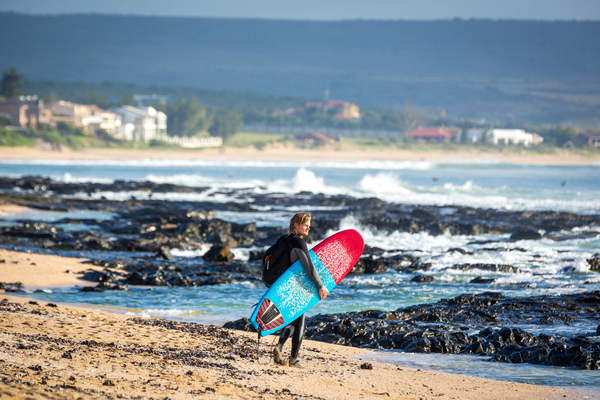
Popularly known as J-Bay, Jeffreys Bay passes as the surfing mecca. It is situated in the Eastern Cape Province of South Africa. The Bay has a series of points that sometimes connect to form a wave you can ride on. While these connecting waves and most points require an experienced surfer, there are other points, such as the Kitchen Windows, where beginners can indulge.
The best time to surf here is May to September, so you can explore more than ten different sections. The waves are perfect for different level of surfer enthusiasts including high-level surfers, longboarders, and intermediates.
Teahupo’o, Tahiti, French Polynesia
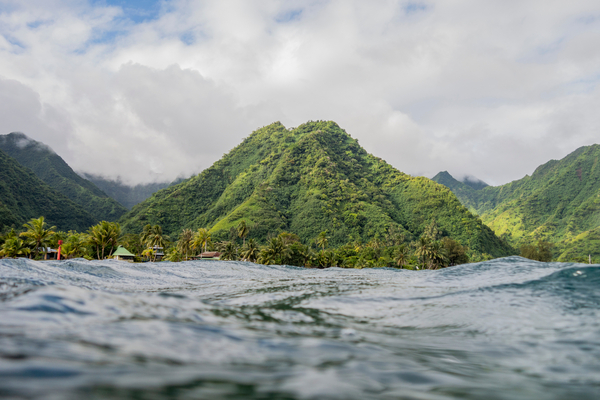
Teahupo’o is a powerful left-breaking reef wave and one of the most technical spots on this list. Tahiti Tourisme explains that waves are available across the islands year-round, with southern swell from June through October and northern swell more common from November through May.
The main Teahupo’o wave is for highly experienced surfers. The reef is shallow, the lip is exceptionally heavy, and mistakes have serious consequences. Travelers who are not at that level can still visit the area, watch from a boat with a local operator, or surf one of Tahiti’s more accessible breaks.
Uluwatu and Kuta, Bali, Indonesia
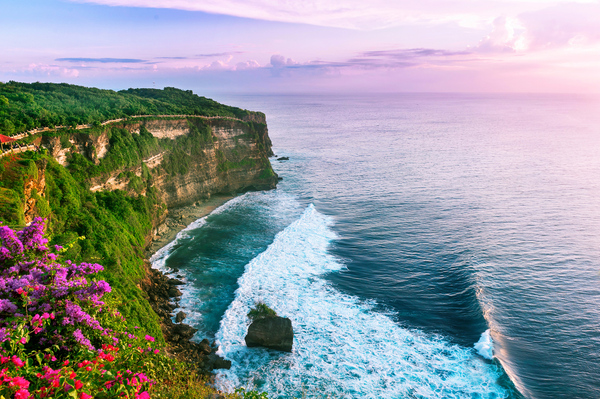
Bali works well in a global surf list because it offers very different experiences within a relatively small area. Indonesia’s official tourism site describes Uluwatu as a reef system with several sections that respond differently to swell and tide. The faster, shallower sections are not beginner waves.
Kuta has a completely different feel. The official Kuta Beach guide reflects its long history as a surfer and backpacker base. Beach breaks and the large number of surf schools make the Kuta area more practical for learners than Uluwatu’s reef.
For a first surf trip to Bali, choose the break around your actual level. A traveler who is still learning to control a board in white water should not move straight from a Kuta lesson to an overhead Uluwatu reef session.
Maverick’s, California
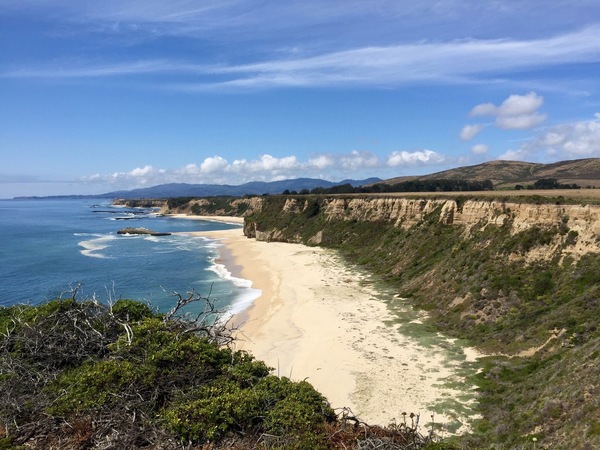
Mavericks is a big-wave reef break off Pillar Point near Half Moon Bay, about 25 miles south of San Francisco. The local Half Moon Bay visitor bureau describes November through March as the main big-wave window, with ideal days depending on powerful Pacific storm swell.
This is a specialist big-wave venue, not simply an advanced California surf spot. On major days, waves can exceed 40 to 60 feet (12 to 18 meters). Even spectators need to respect the coastline: Half Moon Bay’s official beach-safety guidance warns about sudden large waves, strong currents, and the risk of being swept from rocks or shore.
If you are visiting rather than surfing Mavericks, review the local Half Moon Bay beach-safety guidance and keep well back from exposed rocks and cliffs.
Hossegor, France
Hossegor is located on the south-western coast of Landes in France. It prides itself on having beautiful beach breaks and pro-level tubes like those in Hawaii. Most surfers visiting stay at campsites near the beach so they can have proximal access to the surfing spots.
The best time to visit this surfing spot is from May to November. Make a point of exploring Les Culs Nus, La Graviere, Le Penon, and Les Bourdaines. If you are a pro, join the annual surf competitions for Quicksilver Pro France in September.
Puerto Escondido, Southern Oaxaca, Mexico
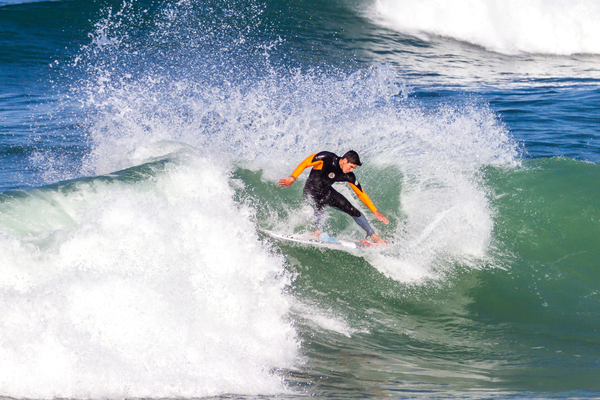
Puerto Escondido is best known for Playa Zicatela, where the Oaxaca tourism authority notes that waves can reach around 20 feet . The beach break’s size, speed, and power explain the nickname “Mexican Pipeline.”
A major 2026 update is that Puerto Escondido was officially dedicated as the 14th World Surfing Reserve in March 2026, recognizing both the quality of the surf and the community effort to protect the local wave ecosystem.
Zicatela during a strong south swell is for experienced surfers. If you are learning, use a surf school and ask where conditions are suitable that day rather than assuming every Puerto Escondido beach is beginner-friendly.
Cloud Nine, Siargao, Philippines
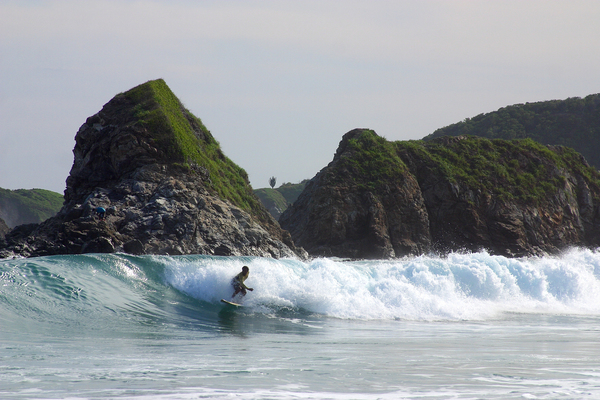
Cloud 9 helped make Siargao one of Asia’s best-known surf destinations. The Philippine Department of Tourism describes it as a site with powerful reef breaks and barreling waves, and it is also home to the International Siargao Surfing Cup.
The main Cloud 9 wave is better suited to experienced surfers, especially when the reef is active and the swell is strong. The wider Siargao area has more manageable spots for intermediate surfers and learners, so first-timers should book a local instructor instead of judging difficulty from the view off the boardwalk.
Sultans, North Male, Maldives
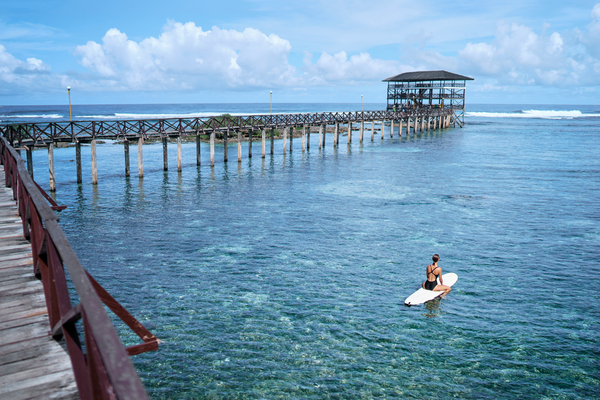
Sultans is situated In North Male Atoll and has an exposed reef break. It is just off the uninhabited island of Thamburudhoo, which makes the wave ideal for most people, regardless of their experience. The break on the outside is not for beginners but is ideal for those progressing.
If you have an appetite for huge waves, visiting between March and October is the real deal, as it allows you to ride the peak. During this time, Sultans gets more consistent clean waves that swell towards the south.
Snapper Rocks and the Superbank, Gold Coast, Australia
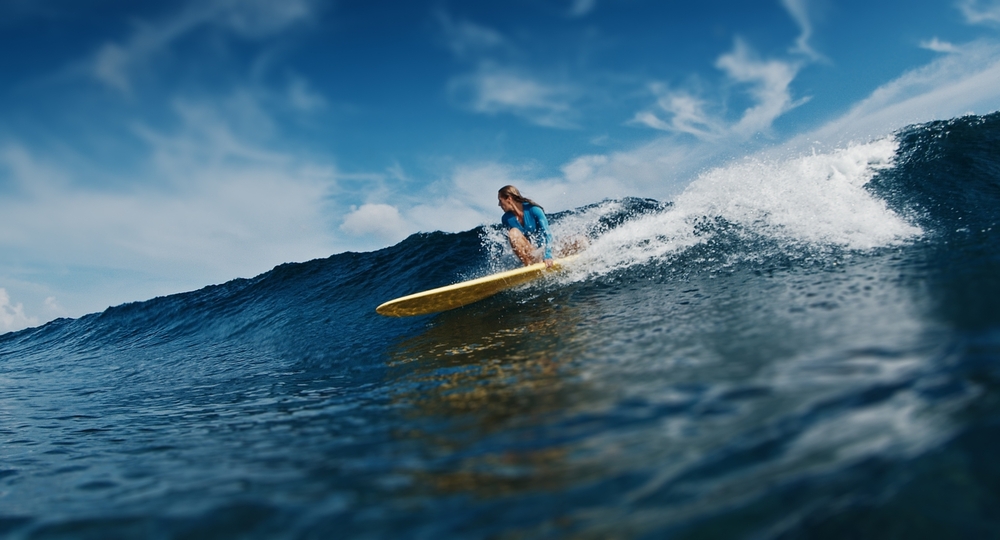
Snapper Rocks is the first section of the Gold Coast’s man-made Superbank, which runs for roughly 1.2 miles through Rainbow Bay, Greenmount, Coolangatta, and toward Kirra.
Tourism and Events Queensland lists east to southeast swell with light offshore winds as the classic setup for Snapper Rocks and labels it an advanced break. When the banks and swell line up, sections can link into exceptionally long right-hand rides.
Crowding is the main practical issue. If you are not comfortable in a dense lineup, nearby Gold Coast breaks and surf schools offer easier ways to experience the region’s surf culture without paddling straight into Snapper on a good day.
Which of These Surf Spots Are Best for Beginners?
The most famous wave in a destination is often the worst place to learn. Pipeline, Teahupo’o, Mavericks, Zicatela on a big swell, and the main Cloud 9 reef are not beginner waves. If you are new to surfing, look for a protected beach break, small surf, a sandy bottom when possible, and a qualified local instructor.
Within the destinations above, beginner-friendly options are usually found away from the headline break: Waikiki on Oahu, surf-school areas around Kuta in Bali, selected Siargao breaks, and gentler Gold Coast locations such as Currumbin Alley. Conditions still change daily, so ask locally before entering the water.
Which Country Has the Best Surf Culture?
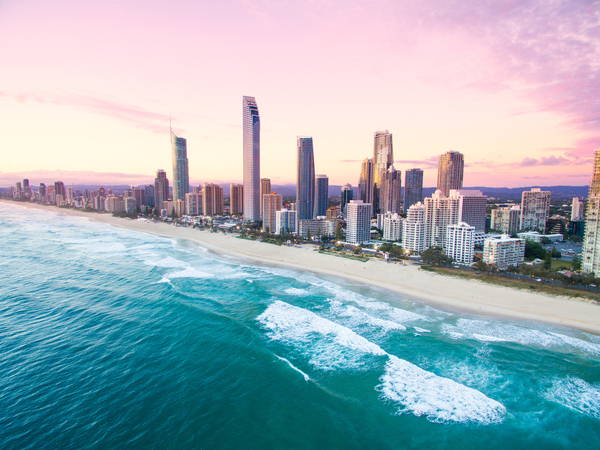
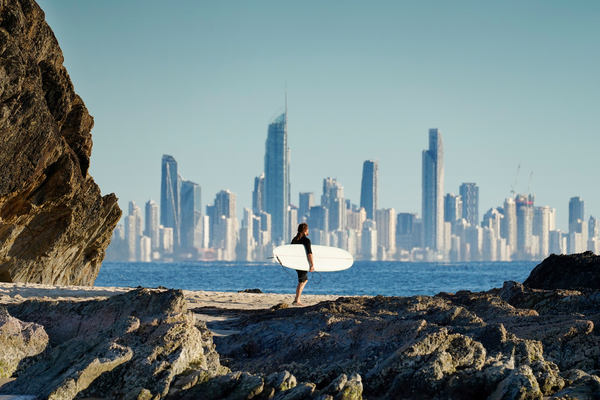
The Golden Coast of Australia is famous for its amazingly huge surfing culture. This means that you will get a chance to experience a variety of surfing equipment alongside a multitude of surfers. The destination also has consistent surf breaks, warm water, and great weather. This makes it a surfing paradise for both beginner and experienced surfers. During the surfing expedition, surfers can try out different beaches on the Gold Coast, including Snapper Rocks, Kirra Beach, Duranbah Beach, and Burleigh Heads.
Travel Insurance for a Surf Trip
And there you have it! These are the best surfing destinations you need to include in your bucket list. Each has something special to offer, and with the different weather conditions, you have a destination for every month of the year.
If you are traveling internationally with boards or planning higher-risk water activities, it is also worth checking that your travel insurance is suitable for the activities on your itinerary and any relevant policy conditions.
Featured stories