Last Update: August 2026
A winter beach trip does not have to mean the same thing everywhere. In the Caribbean, Mexico, and South Florida, winter can bring genuinely warm beach weather. On the Mediterranean and Atlantic coasts of Europe, the appeal is different: milder temperatures, quieter promenades, coastal walks, and sunny days rather than guaranteed swimming weather.
That distinction matters. The original article described every destination as a hot winter beach, even though places such as Sicily, Crete, and the Algarve are better treated as mild winter-sun escapes. The list below keeps the same ten destinations but sets more realistic expectations for each one.
Index
Which Beaches Are Warm in Winter?
If swimming and sunbathing are the priority, focus on the Caribbean, the Bahamas, Mexico, or the Florida Keys. If you mainly want sea views, outdoor cafés, coastal walks, and a break from freezing temperatures, the Canary Islands and southern Europe can also work well.
Travel Tip: Choose the Destination by the Experience, Not Just the Temperature. A forecast of 65°F can feel pleasant for a waterfront walk but cool for a long swim. Before booking, check both daytime air temperatures and sea conditions, and remember that wind can change how a beach day feels.
La Jolla Beach, Southern California
La Jolla is a good winter choice if you want coastline and wildlife rather than tropical heat. La Jolla Cove sits within the San Diego-La Jolla Underwater Park Ecological Reserve and is popular for coastal walks, snorkeling, diving, and marine-life viewing. Winter water can feel cool, so a wetsuit may be useful for longer time in the ocean.
Sea lions and seals are part of the appeal, but they are wild animals. The City of San Diego asks visitors not to approach, touch, or disturb them. Check the official Point La Jolla guidance before visiting wildlife areas.

Pink Sands Beach, The Bahamas
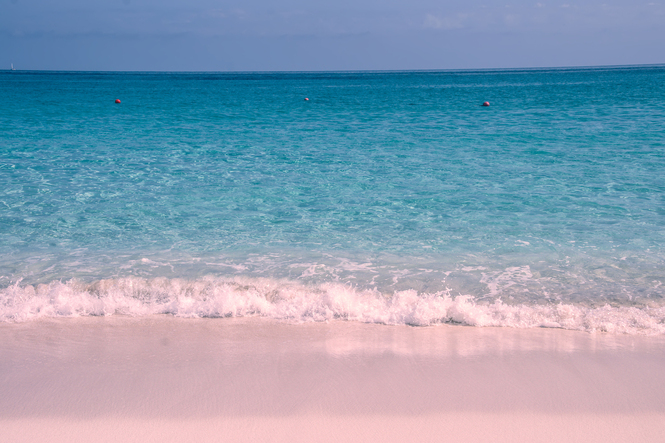
Pink Sands Beach on Harbour Island is a much stronger option for a classic warm-weather winter escape. The beach stretches for more than three miles along the Atlantic side of the island. Its pale pink color comes from microscopic foraminifera mixed with sand and coral fragments.
The original article described foraminifera as insects, which is incorrect. They are single-celled marine organisms. Winter is also a popular travel period in The Bahamas, so do not assume resorts will automatically be cheaper or quieter than in summer.
Grace Bay Beach, Turks and Caicos
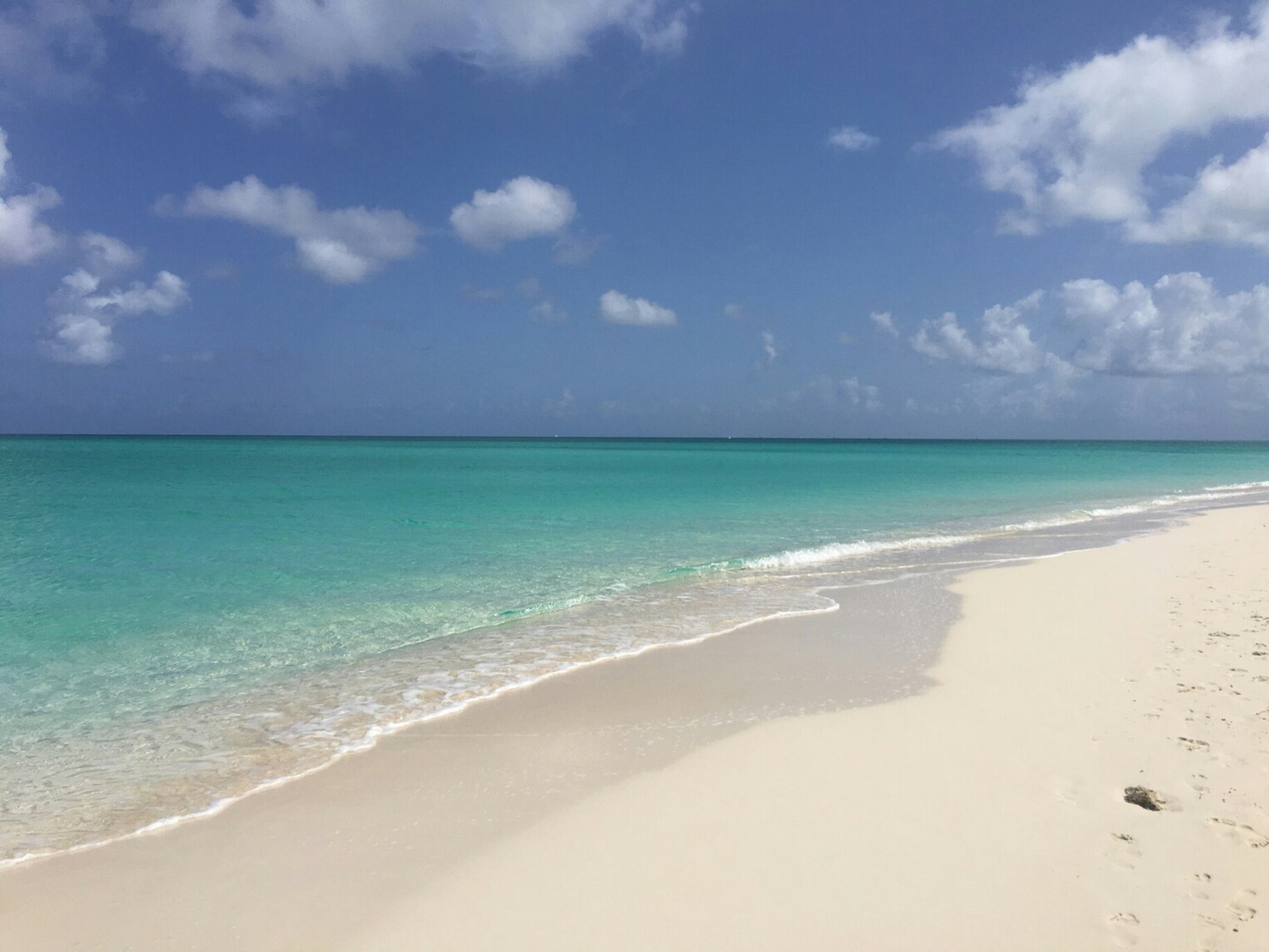
Grace Bay on Providenciales combines white sand, clear water, and an offshore barrier reef that helps shelter much of the beach from Atlantic swells. The official Grace Bay Beach guide notes that the beach itself is a little over three miles long, not the seven or twelve miles sometimes quoted online.
Winter is one of the most appealing times to visit Turks and Caicos, but it is also part of the high season. Expect warm beach weather and strong demand rather than minimal crowds. For easy snorkeling from shore, nearby Bight Reef is generally a better choice than central Grace Bay.
Syracuse, Sicily, Italy
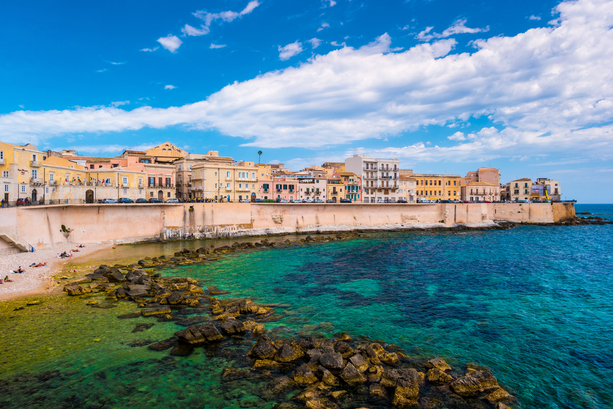
Syracuse is the first destination on this list that should be considered a mild coastal escape rather than a hot winter beach trip. Spend time on Ortigia for Baroque streets, ancient sites, sea views, and waterfront walks, then explore the rocky coastline and coves south of the city when conditions are calm.
Winter swimming is possible for hardy travelers, but it should not be presented as the main reason to visit. A better winter itinerary combines the coast with Syracuse’s archaeology, markets, restaurants, and the quieter atmosphere of Ortigia.
Elafonissi, Crete
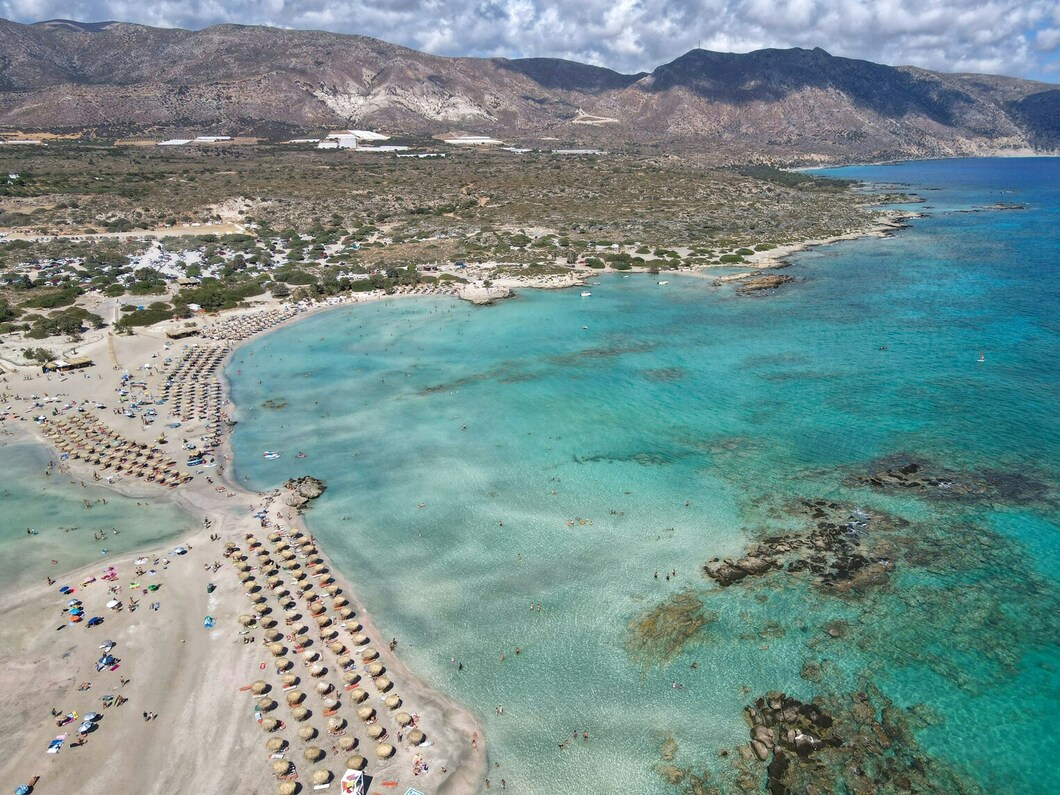
Elafonissi in southwestern Crete is famous for shallow turquoise water and areas of pink-tinged sand. Greece’s official tourism site describes the lagoon as very shallow and highlights the protected coastal landscape. See the official Elafonissi guide before planning the drive.
Winter is much quieter than summer, but the beach can be windy and services may be limited. The sea is not reliably warm enough for a comfortable swim for everyone. Visit for the landscape and coastal walk, and treat swimming as weather-dependent rather than guaranteed.
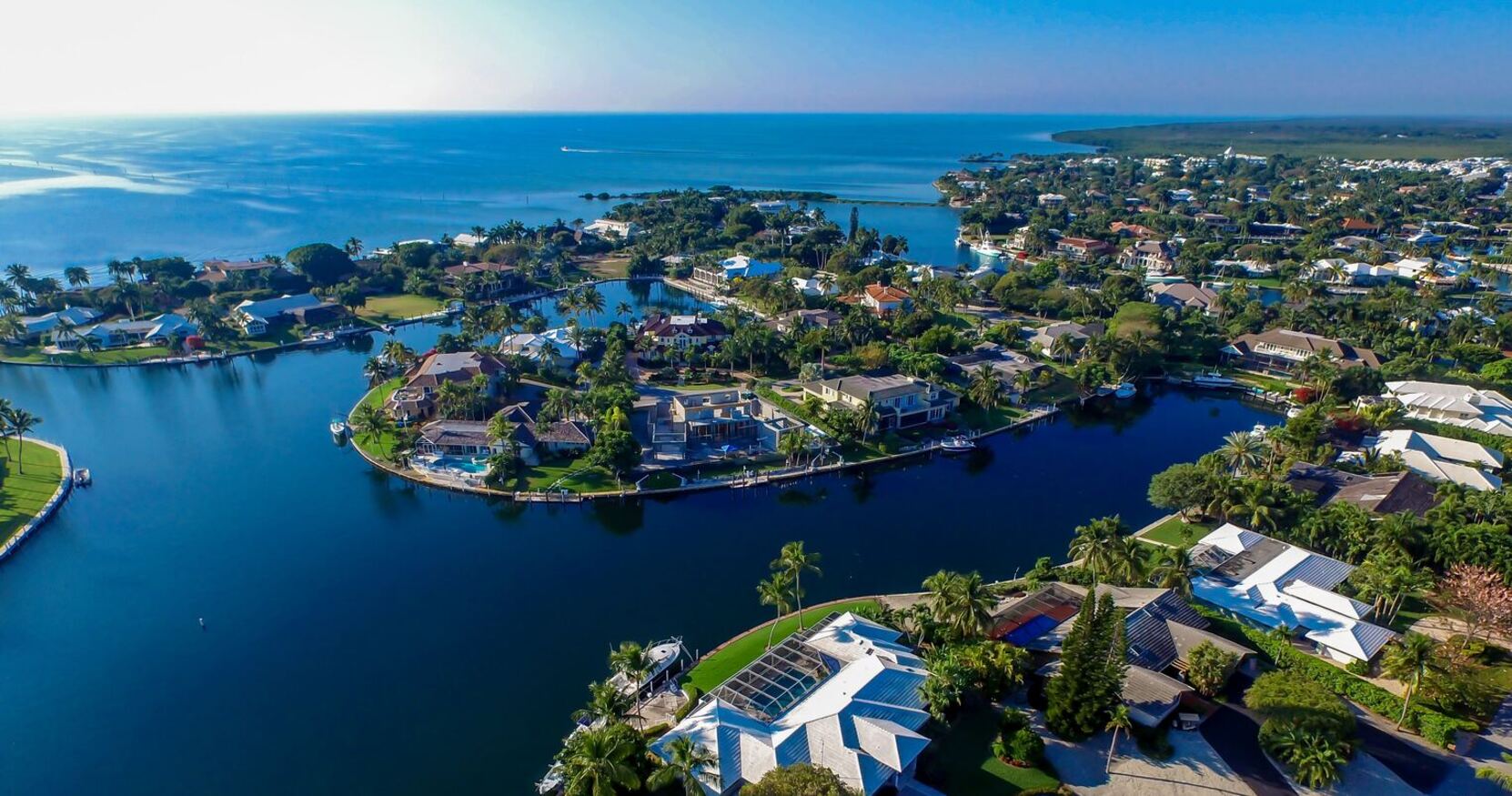
Key Largo, Florida
Key Largo is one of the most practical U.S. choices for a warmer winter trip. John Pennekamp Coral Reef State Park protects coral reefs, mangroves, and marine life and offers snorkeling, scuba diving, glass-bottom boat trips, kayaking, and short nature trails.
Weather fronts can still bring cooler, windy days, so keep a flexible plan. As of July 2026, parts of the park’s boating infrastructure are affected by construction, which is another reason to confirm current conditions before visiting.
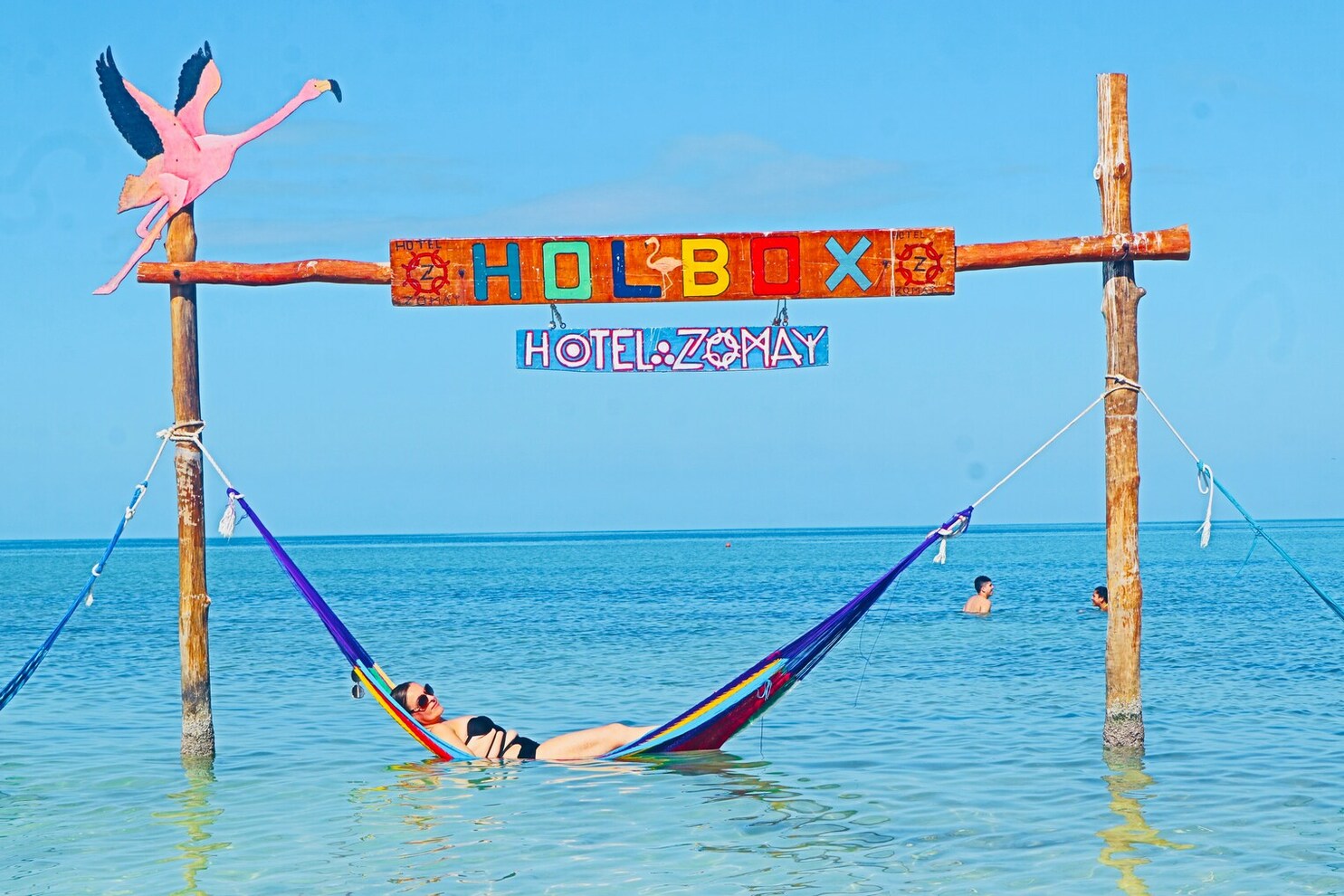
Isla Holbox, Mexico
Holbox sits off the northern coast of Quintana Roo, where the Caribbean meets the Gulf of Mexico. The official Visit Mexico guide to Isla Holbox highlights the island’s sandy streets, protected natural setting, Punta Mosquito, and nearby birdlife.
Winter is well suited to beach time, cycling, boat trips, and slow days around town. Whale shark season, however, runs from roughly May through September, so it should not be included as a winter activity. Bioluminescence is also highly dependent on moonlight, weather, and water conditions.
The Baths, British Virgin Islands
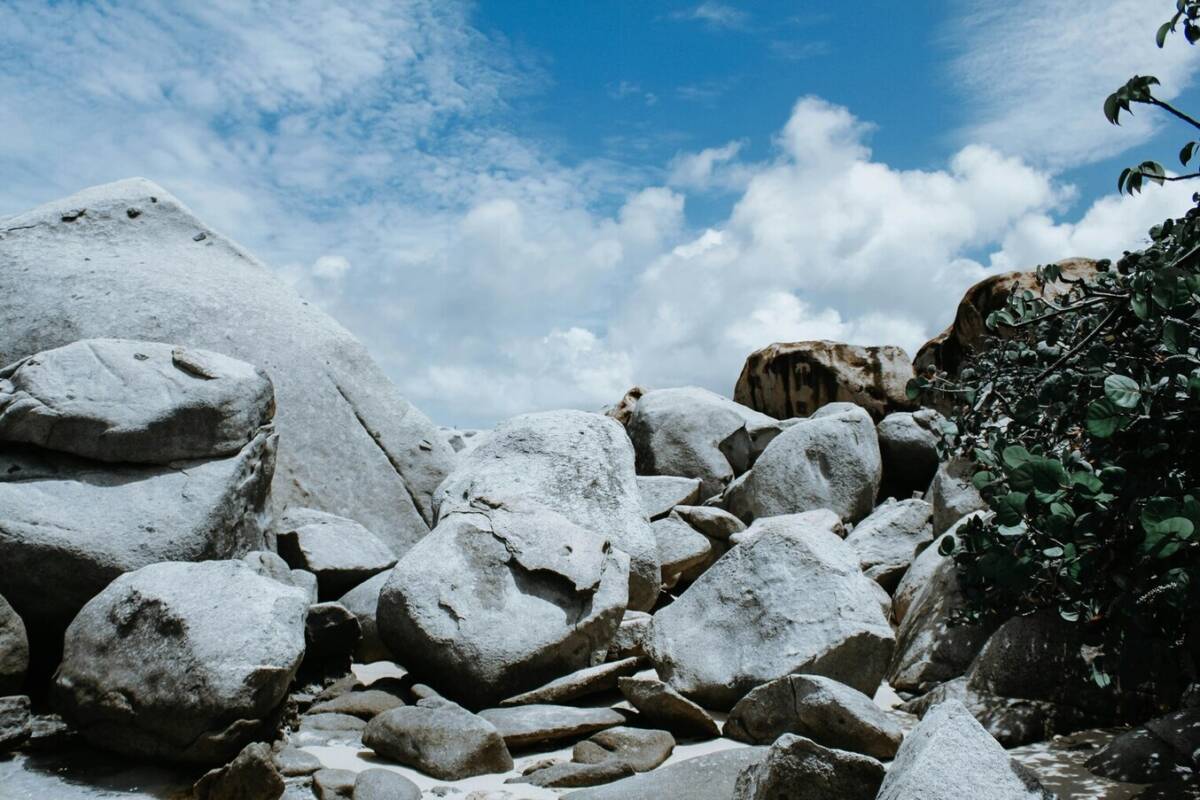
The Baths are one of the British Virgin Islands’ signature natural attractions. Giant granite boulders form pools, passages, and sheltered spaces along the southern shore of Virgin Gorda. The official BVI National Parks information explains that visiting involves walking, climbing ladders, squeezing through boulders, and sometimes wading through water.
This is not a beach where every water sport makes sense. The original article promoted surfing, kitesurfing, windsurfing, and diving as if conditions were consistently ideal. A better plan is to focus on swimming, snorkeling, and exploring the boulder trail when sea conditions allow.
Los Cristianos in Tenerife, the idyllic Canarian winter
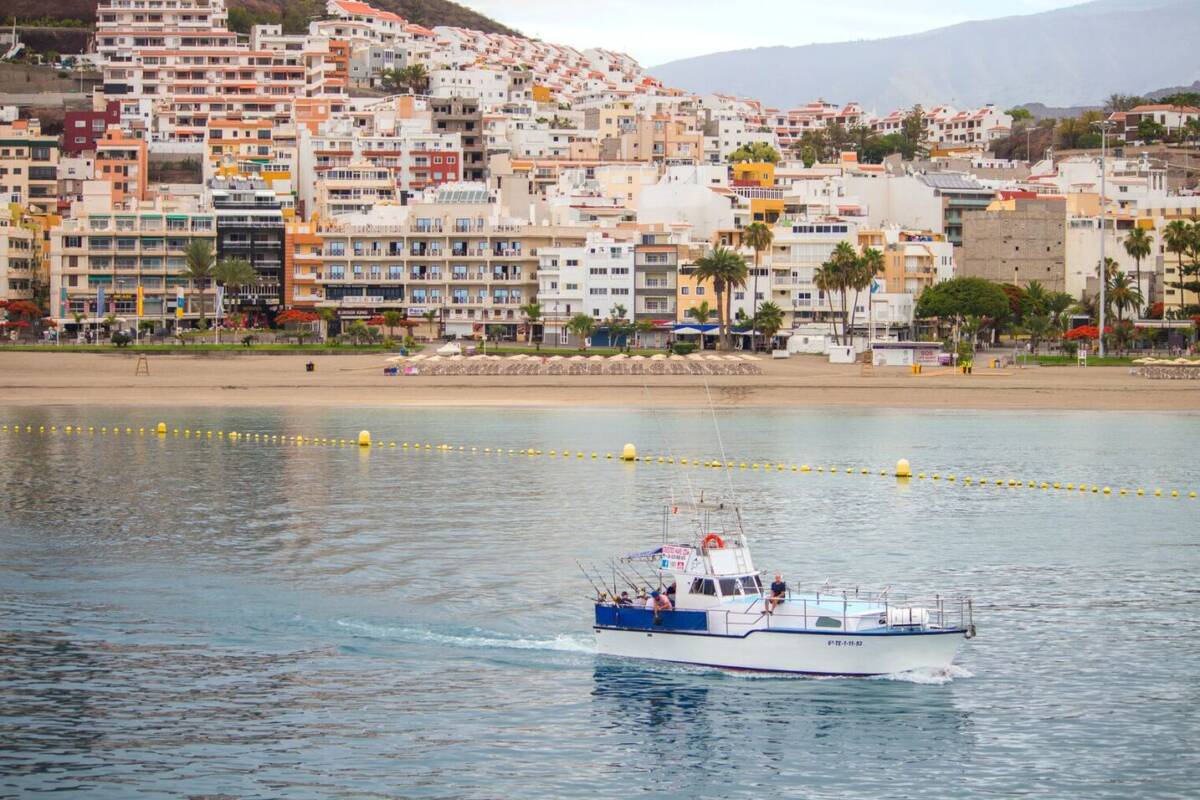
Los Cristianos in southern Tenerife is a reliable winter-sun destination rather than a tropical beach. The official Los Cristianos Beach page describes calm water, accessible facilities, restaurants, and year-round beach use.
The original temperature range of ’20°F to 69°F’ was clearly incorrect. Southern Tenerife is known for mild winter weather, but cool or cloudy days are still possible. The port also makes Los Cristianos a useful base for whale-watching trips and ferries to La Gomera.
Praia da Luz, Algarve
Praia da Luz near Lagos is best for travelers who want a peaceful Atlantic coastline, walking, and winter sunshine without expecting tropical heat. Portugal’s official tourism site describes Praia da Luz as an easily accessible beach with restaurants and water-sports facilities.
Winter days can be mild and bright, but Atlantic water remains cool and storms are possible. Use the beach as part of a wider Algarve trip with cliff walks, Lagos, local restaurants, and scenic drives rather than planning the vacation around daily swimming.
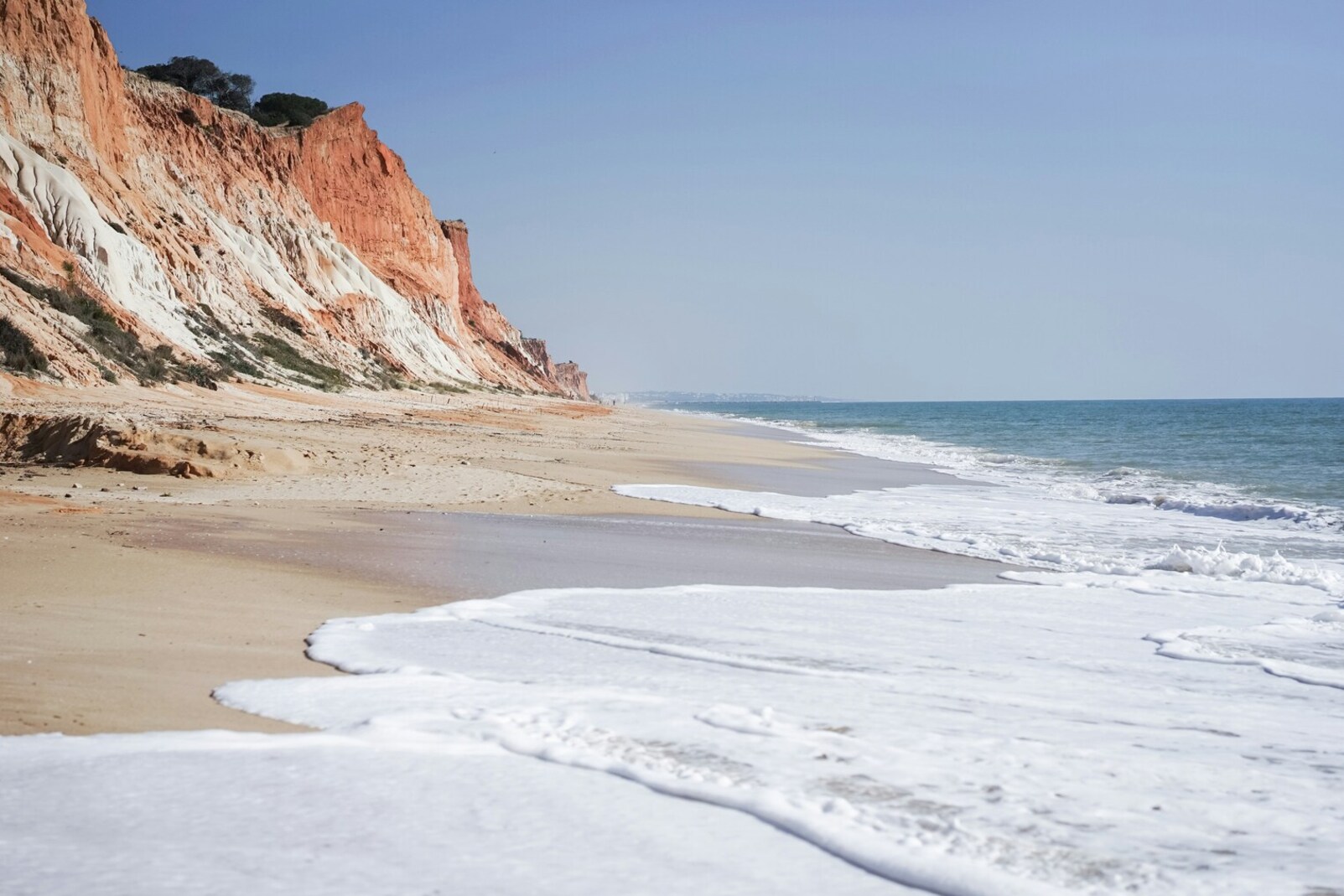
Are Beaches Warm in Winter?
Some are, some are not. A Caribbean beach in January can offer genuinely warm air and water, while a Mediterranean beach at the same time may be pleasant for a walk but too cool for most swimmers. Latitude, ocean currents, wind, elevation, and local weather patterns all matter.
For this reason, ‘winter beach destination’ is a broader and more useful category than ‘hot beach.’ If warm swimming water is non-negotiable, prioritize The Bahamas, Turks and Caicos, the British Virgin Islands, Holbox, or the Florida Keys and check the forecast before departure.
What Happens to a Beach in Winter?
Winter conditions vary widely by coast. On exposed shorelines, stronger storms and waves can move sand offshore and reshape the beach profile. In calmer tropical destinations, seasonal changes may be less dramatic. Local tides, currents, storms, and coastal management all influence what visitors see.
Visitor numbers do not always fall in winter either. In tropical destinations, December through March can be one of the busiest periods of the year because travelers are escaping colder climates.
Choose the Winter Beach That Fits Your Trip
The best winter beach depends on what you actually want from the trip. Choose the Caribbean or Mexico for warmer water and classic beach days, California or southern Europe for coastal scenery and milder weather, or Tenerife and the Florida Keys for something in between. Checking the seasonal conditions matters more than choosing the destination with the most impressive summer photos.
If your winter beach plans take you abroad, it is also worth checking what your international travel insurance covers for the destinations and activities on your itinerary. Coverage depends on the policy terms and exclusions.
Featured stories