Last Updated: August, 2026
Planning a trip to the Philippines can quickly become overwhelming with over 7,000 islands to consider. To help you maximize your time on the ground, we grouped these top destinations into geographic clusters based on local transit hubs. This approach lets you build a seamless itinerary without spending your entire vacation in transit terminals.
Index
Entry Requirements for US Travelers
US passport holders enter the Philippines visa-free for up to 30 days. Your passport must remain valid for at least six months beyond your arrival date, and you must hold a confirmed onward flight ticket. All travelers must also complete the free digital eTravel Registration within 72 hours before departure to generate an entry QR code.
The Visayas and Palawan Cluster: Marine Adventures and Island Hopping
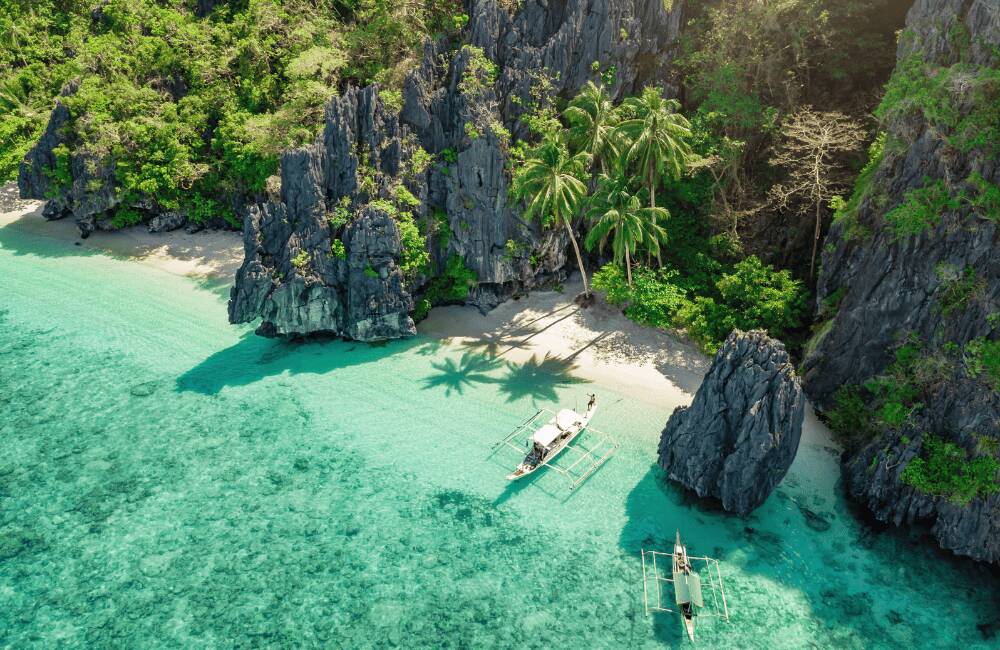
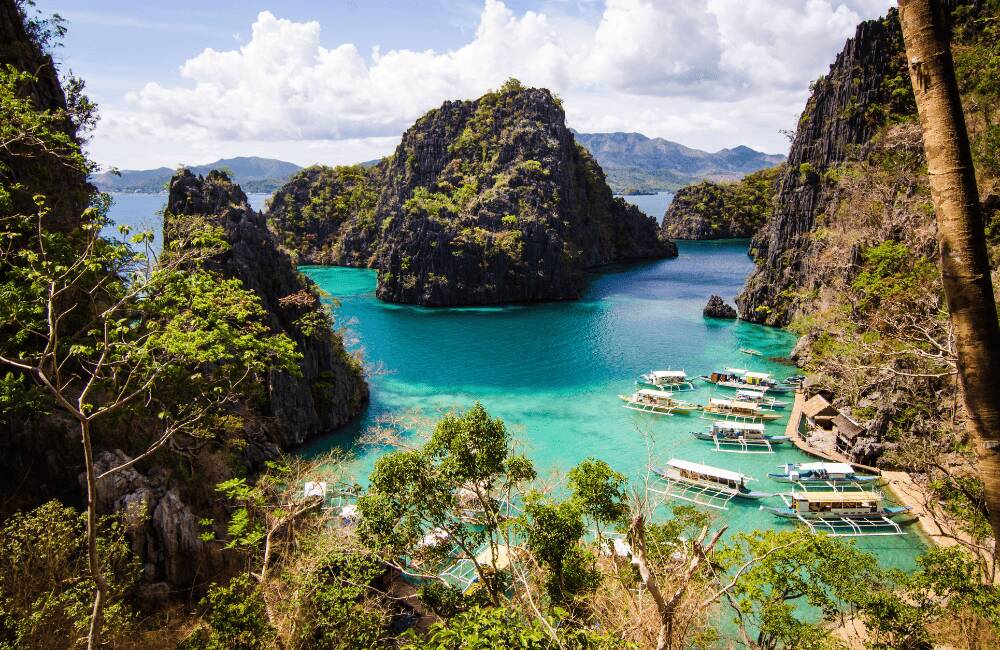
The Visayas region and the neighboring island province of Palawan feature iconic Southeast Asian scenery: towering karst cliffs, turquoise lagoons, world-class surf breaks, and white-sand beaches.
El Nido and Coron (Palawan)
Famous for limestone island-hopping tours, the hidden lagoons of the Bacuit Archipelago, and dramatic World War II shipwrecks. You can reach the area by flying into Puerto Princesa (followed by a 5-to-6-hour van ride to El Nido) or by booking direct regional flights into Lio Airport in El Nido or Busuanga Airport in Coron.
Siargao
As the premier surfing capital of the Philippines, Siargao centers around the famous Cloud 9 break. The island offers a relaxed atmosphere perfect for exploring by scooter, alongside inland rock pools, coconut groves, and mangrove rivers.
Cebu and Bohol
Cebu City serves as the primary air hub for the central islands. A two-hour ferry connects Cebu to Bohol, where you can explore the Chocolate Hills, take a river cruise in Loboc, and visit sanctuaries dedicated to the endangered Philippine tarsier.
Travel Tip: Add buffer days around inter-island ferry legs during the typhoon season (July through October). Coast Guard authorities frequently suspend sailings on short notice during rough sea conditions.
The Luzon Cluster: Heritage, Culture, and Northern Highlands
As the largest island in the archipelago, Luzon offers a rich mix of colonial history, bustling metropolitan centers, and high-altitude mountain landscapes.
Intramuros (Manila)
Located in the heart of the capital, this historic walled city features Spanish colonial architecture, Fort Santiago, and San Agustin Church. Exploring Intramuros provides essential cultural context before you head out to the islands.
Banaue and Batad Rice Terraces (Ifugao)
Hand-carved into the mountains over 2,000 years ago, these UNESCO World Heritage terraces feature spectacular trekking routes. Reaching the region requires a 9-to-10-hour overnight bus ride from Manila to Banaue.
Vigan (Ilocos Sur)
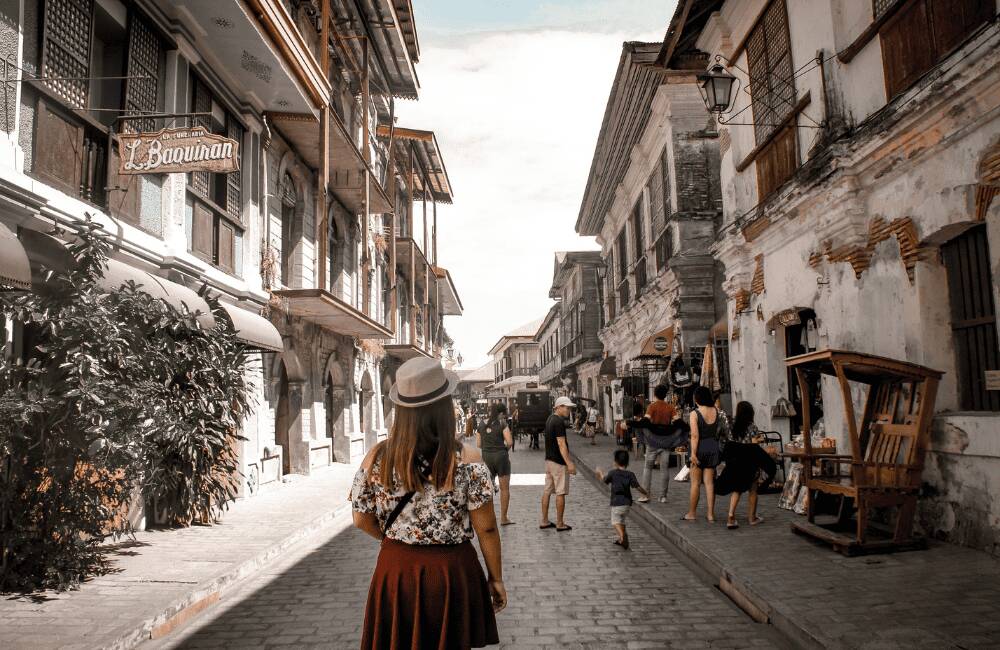
Situated in northern Luzon, Vigan is celebrated for its preserved cobblestone streets on Calle Crisologo and unique Spanish-Filipino fusion architecture.
The Mindanao Outliers: Volcanic Islands and Nature
Camiguin
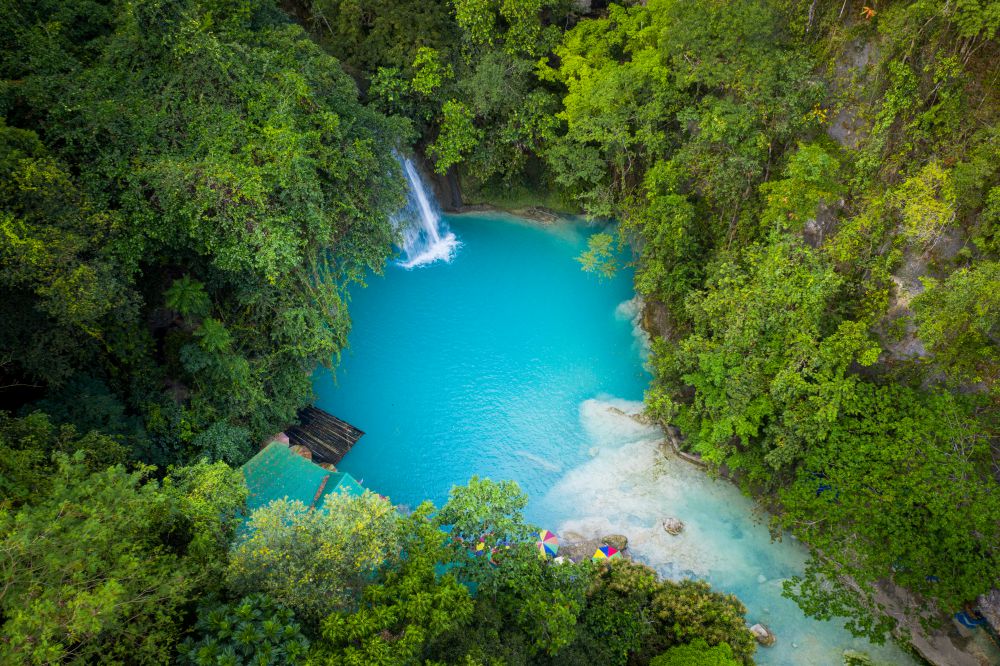
Known as the “Island Born of Fire,” this compact volcanic island off the northern coast of Mindanao boasts active volcanoes, hot springs, cold springs, and the uninhabited White Island sandbar.
Davao Oriental
Home to the UNESCO-listed Mount Hamiguitan World Heritage Sanctuary, Davao Oriental provides pristine coastal areas for travelers looking to experience nature away from crowded tourist centers.
Important Safety and Insurance Reminders
When reviewing safety reports across island destinations, two common issues regularly emerge: minor scooter accidents on islands like Siargao or Bohol, and travel delays or lost baggage during multi-leg domestic transfers.
If you plan to rent a scooter or motorcycle, verify that your driver’s license explicitly covers two-wheeled vehicles in your home country and carry an International Driving Permit (IDP). Operating a vehicle without the proper license category can invalidate your medical coverage in the event of an accident.
Frequently Asked Questions About Traveling to the Philippines
How do I travel between islands in the Philippines?
The fastest way to cover long distances between island groups is by booking domestic flights with regional carriers like Philippine Airlines o Cebu Pacific. For shorter distances between neighboring islands (such as Cebu to Bohol, or El Nido to Coron), high-speed passenger ferries operate daily routes.
What currency should I carry, and are credit cards accepted?
The local currency is the Philippine Peso (PHP). While major hotels, chains, and establishments in Manila, Cebu, and Boracay accept credit cards, cash remains essential on smaller islands like Siargao, Siquijor, or Palawan to pay for tricycles, local eateries, and boat tours.
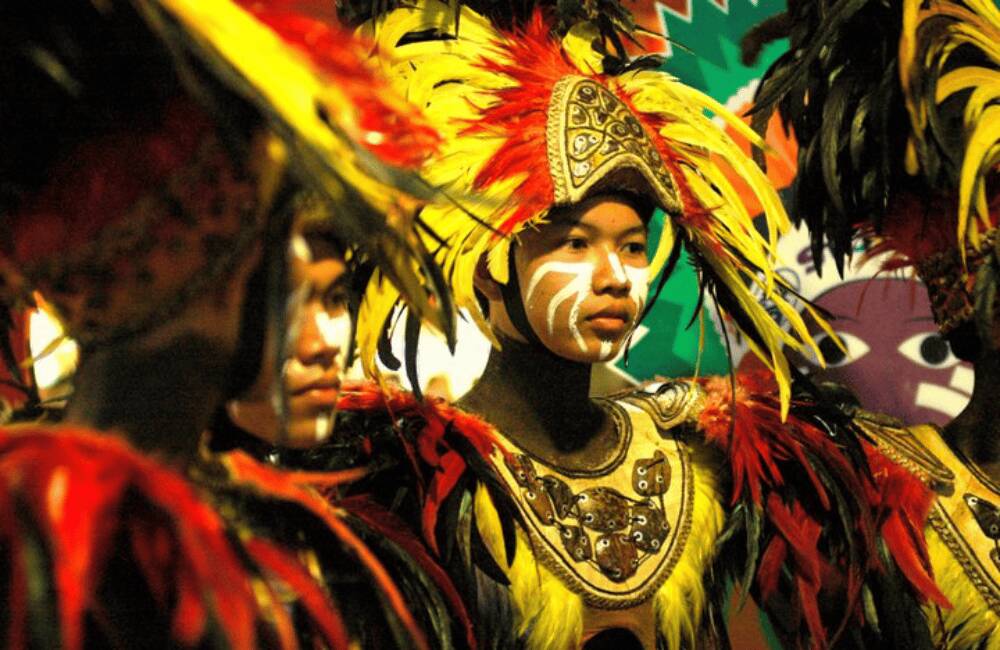
Whether you find yourself navigating the emerald waters of Palawan, catching a sunrise over the ancient rice terraces of Ifugao, or slowing your pace to match the rhythm of coastal island life, traveling through the Philippines is ultimately about immersion and connection. Approaching each destination with curiosity and respect for local traditions unlocks meaningful experiences across every island in the archipelago. Pack light, keep your plans flexible, and embrace the unexpected adventures that make traveling through these islands so unforgettable.
Featured stories