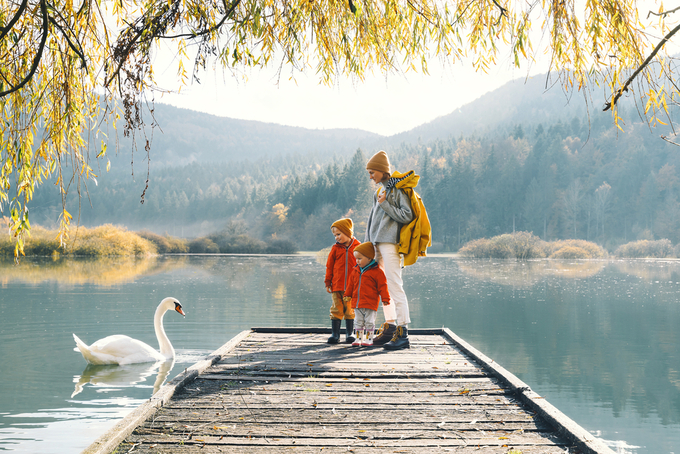
Germany gives you a travel experience that blends the ancient with the modern. You can explore Roman ruins in the morning, walk through a medieval village in the afternoon, and enjoy a dynamic city at night. From Bavarian castles to deep green national parks, the landscape offers something for everyone.
Navigating the country is easy. A great public transportation network connects major urban centers with quiet alpine towns. Whether you want history, architecture, or a mountain trail, this destination delivers an unforgettable trip.
Index
So, Why Visit Germany?
- You can discover a history that includes ancient Roman sites, medieval old towns, and important World War II memorials.
- You get to see striking architecture, including hilltop palaces that look like storybook illustrations.
- The modern cities offer great museum districts, an innovative culinary scene, and vibrant arts cultures.
- Nature lovers can hike the soaring peaks of the Alps or wander through dense countryside woodlands.
Must-See Cities in Germany
Germany has unique cities, each with its own distinct regional culture. We recommend taking advantage of the extensive high-speed rail network to hop between these urban hubs.
Berlin
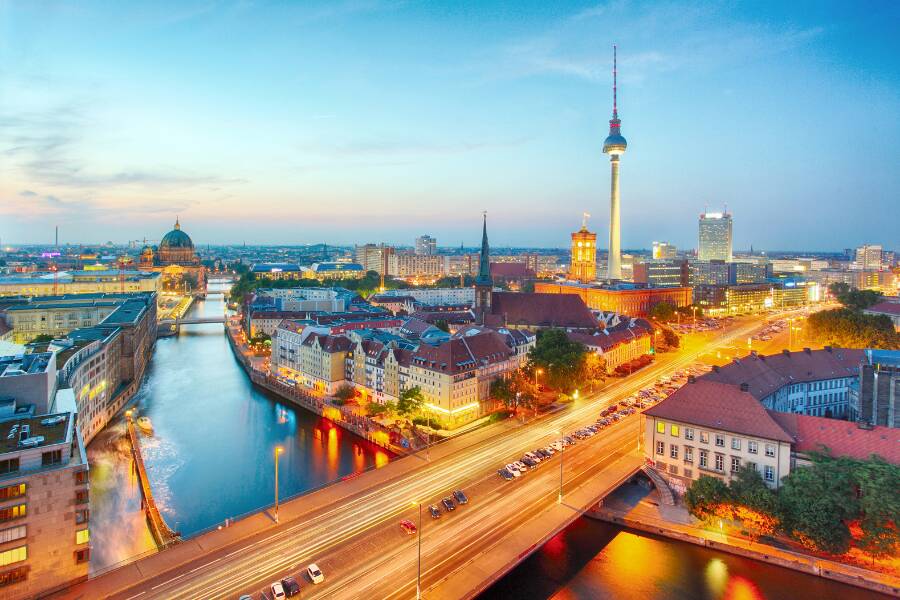
The capital city is a hub of creativity and history. You can walk past the iconic Brandenburg Gate and explore Museum Island. Keep in mind that the famous Pergamon Museum on the island is currently closed for a major renovation and will reopen on June 4, 2027. You can also visit the Berlin Wall Memorial and the East Side Gallery, an outdoor museum built on the remnants of the cold war divide.
Munich
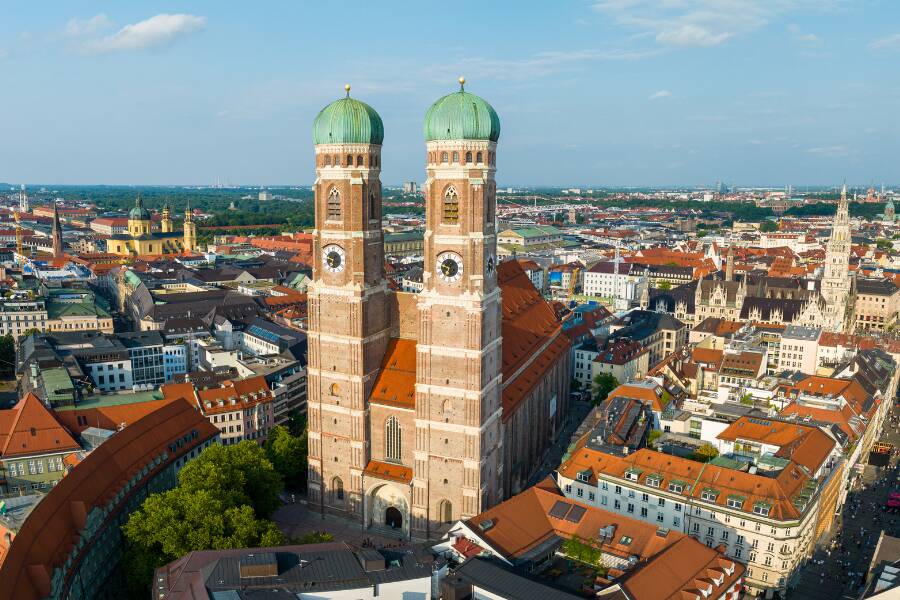
Located in Bavaria, Munich balances its high-tech industry with traditional culture. The central Marienplatz features historic architecture and the animated Glockenspiel clock. You can relax in the massive English Garden or use the city as your base for day trips to alpine castles.
Hamburg
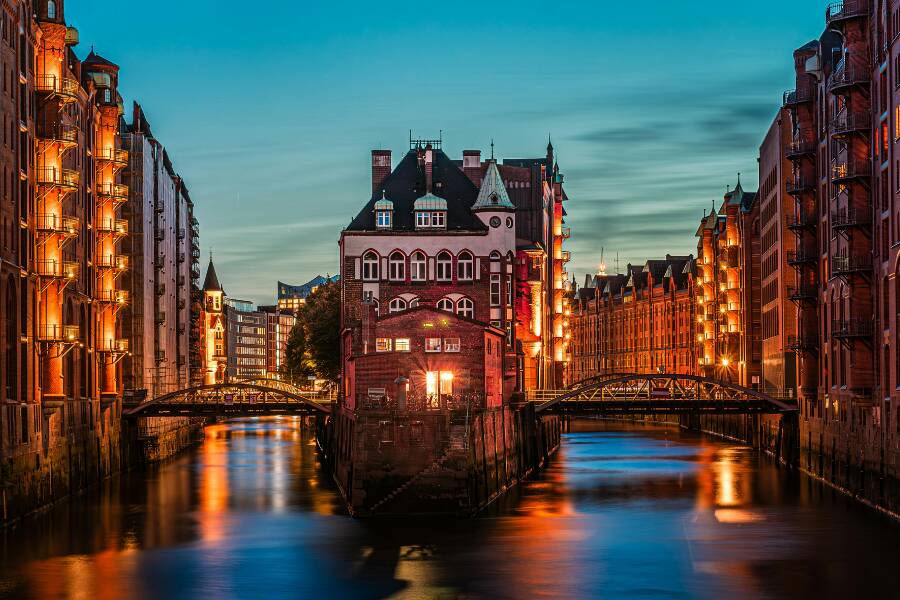
This northern port city offers a maritime atmosphere defined by its harbor and canals. The Elbphilharmonie concert hall sits like a glass wave on top of an old brick warehouse. Walk through the Speicherstadt, a UNESCO World Heritage site with red brick warehouses built over the water.
Cologne
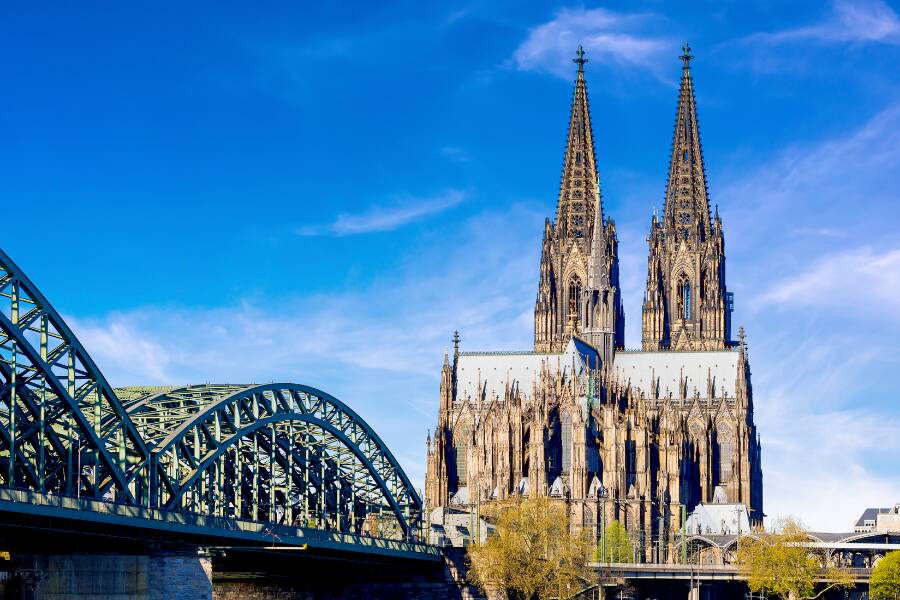
Cologne is famous for the Kölner Dom, a Gothic cathedral that dominates the skyline. Beyond the cathedral, the city offers beautiful views along the Rhine River and a charming Old Town. Locals here are known as some of the friendliest in the country.
Frankfurt
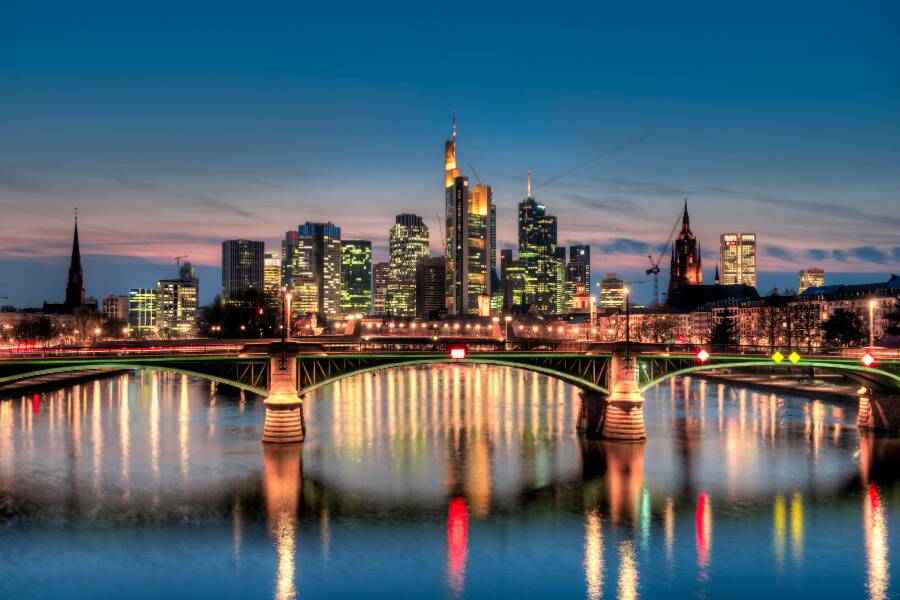
Known as the financial heart of Germany, Frankfurt boasts a modern glass skyline. Just a few blocks away, the historic Römer Square offers a striking visual contrast with its reconstructed traditional timber-framed houses.
Most Beautiful Castles in Germany
The German landscape features thousands of castles. We highly recommend booking your entrance tickets online well in advance during the summer season.
Neuschwanstein Castle
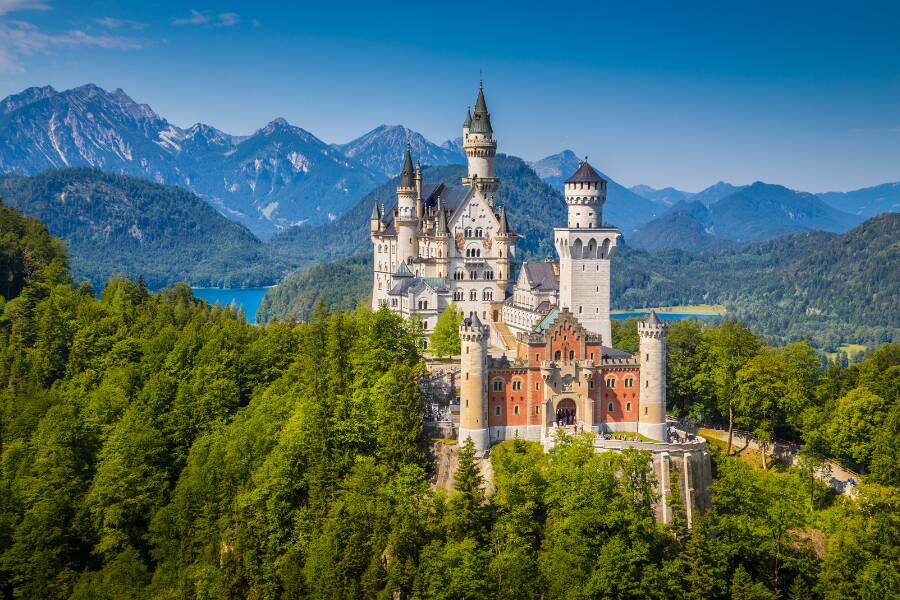
Nestled in the Bavarian Alps, this 19th-century palace inspired the famous castle at Disneyland. Summer tickets often sell out months in advance, so book early. The hike to the Marienbrücke bridge gives you the best vantage point for photos, though access routinely closes during poor weather or winter ice.
Hohenzollern Castle
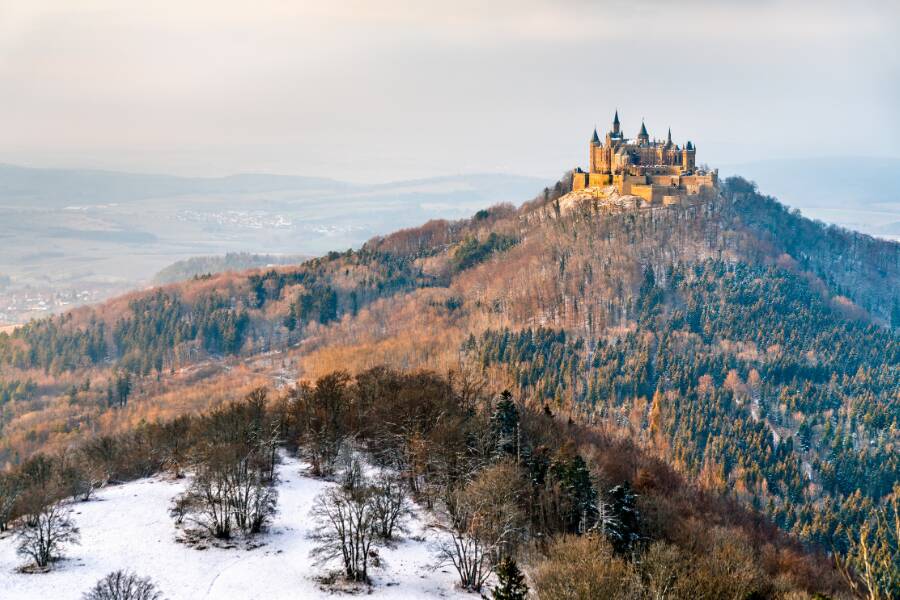
Perched on a solitary hill in the Swabian Alps, this fortress looks like it floats above the countryside. It features Gothic Revival architecture and houses an impressive collection of royal artifacts.
Heidelberg Castle
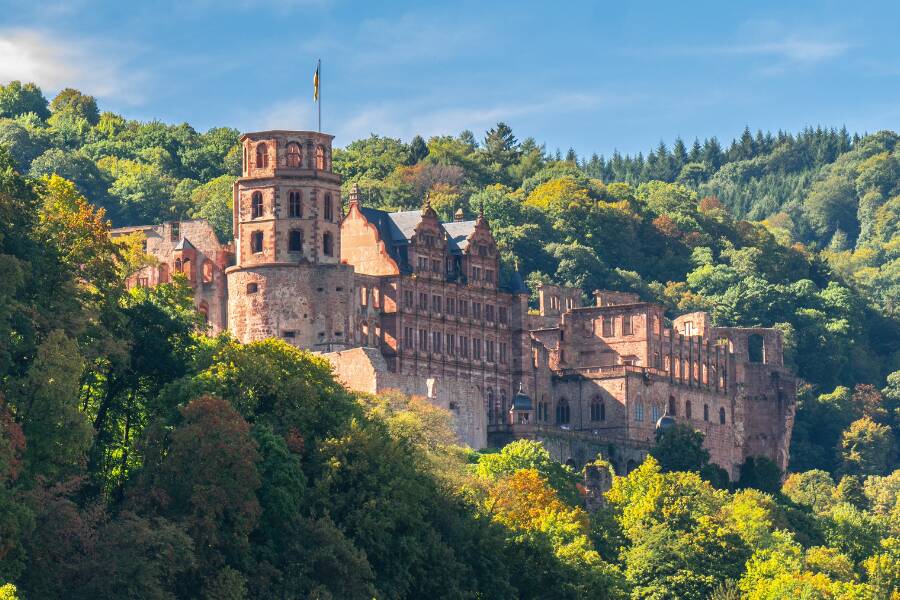
Standing over a university town, these romantic ruins remain one of the most important Renaissance structures north of the Alps. Explore the massive courtyard and look at the famous Heidelberg Tun, a giant wine barrel in the cellar.
Best Natural Places in Germany
While cities draw millions, the natural landscapes offer incredible opportunities for hiking and relaxation. If you tackle the mountain trails, we suggest securing travel insurance that covers emergency medical assistance in remote areas.
Bavarian Alps
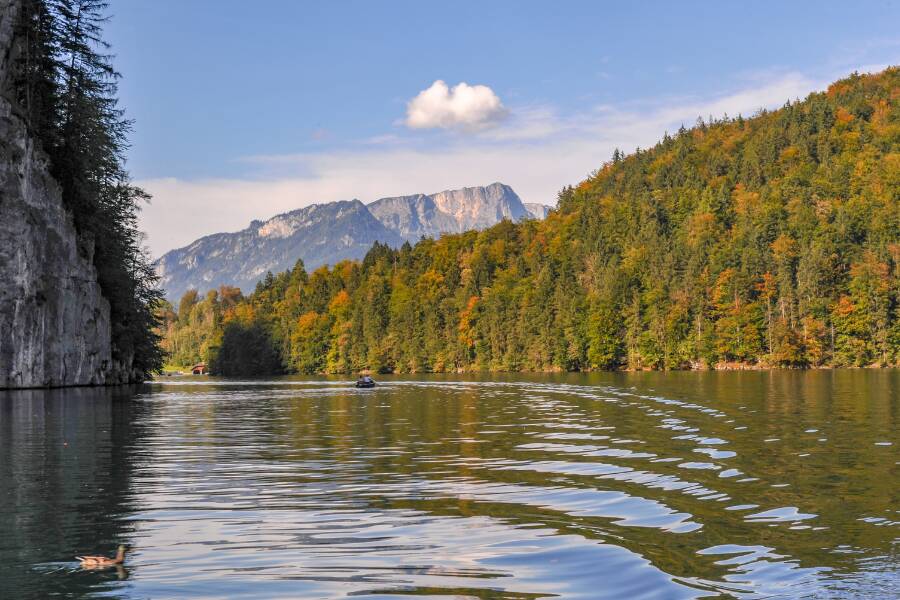
The southern peaks offer dramatic scenery for summer hiking and winter skiing. Lake Königssee is a highlight, featuring electric boats that glide silently across the fjord-like water.
Black Forest (Schwarzwald)
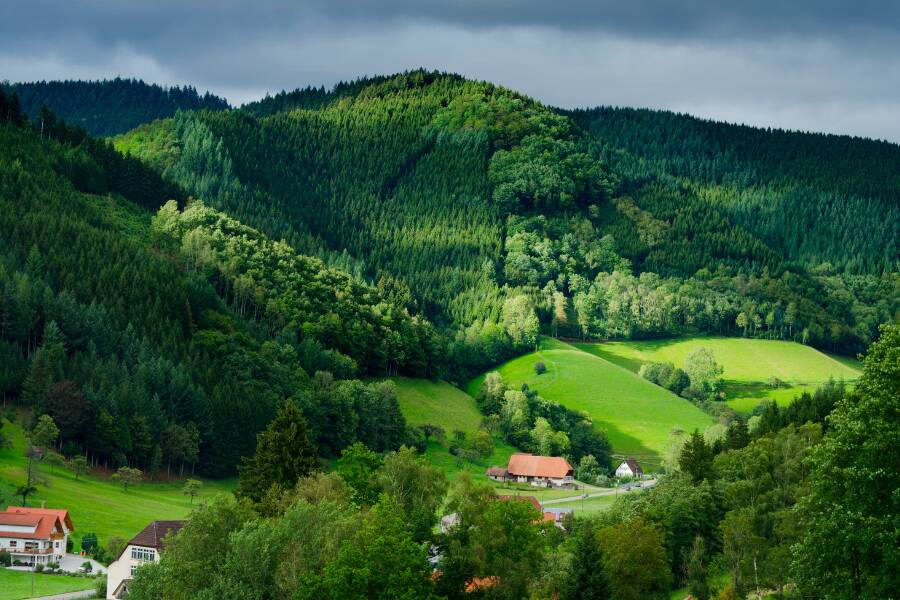
Located in the southwest, this region is famous for evergreen forests and traditional half-timbered villages. You can enjoy scenic drives, moderate hiking, and relaxing thermal spa towns.
Rhine Valley
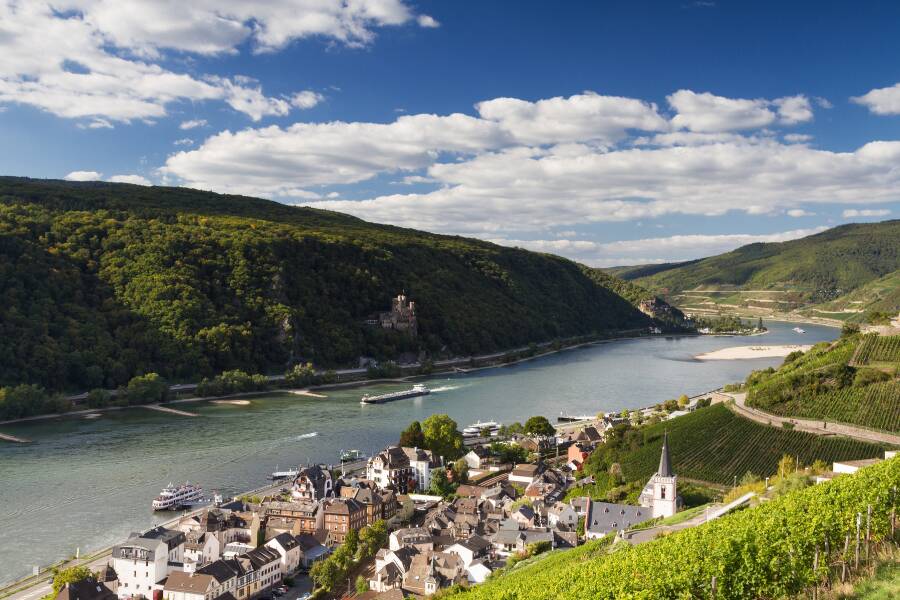
The Upper Middle Rhine Valley is a UNESCO World Heritage site known for river gorges and steep vineyards. A river cruise lets you drift past medieval towns and hop off for a local wine tasting.
Saxon Switzerland National Park
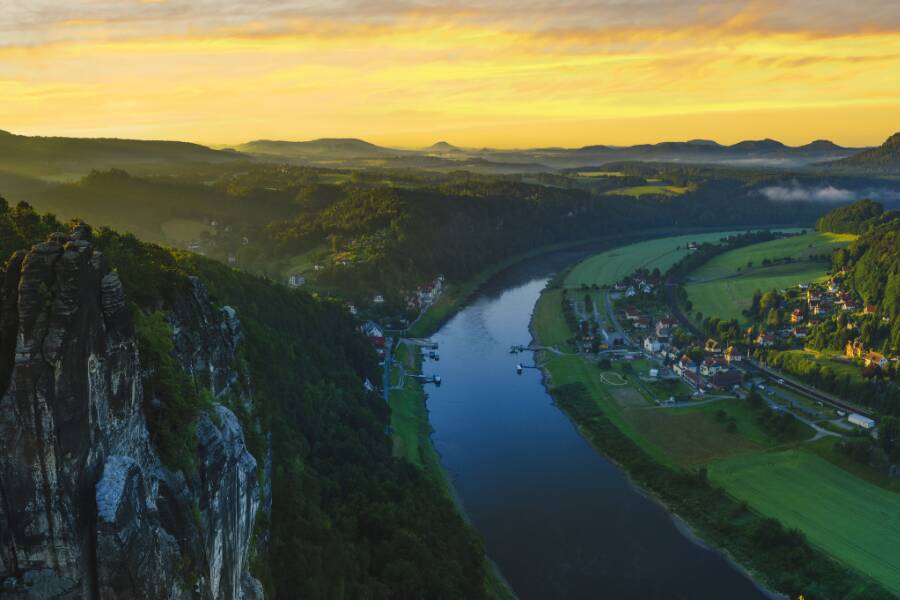
Near the eastern border, this park features beautiful sandstone rock formations rising out of the forests. The hiking trails lead to the Bastei Bridge, a stone bridge built directly into the jagged rock pillars.
Iconic Landmarks in Germany
The country features monuments that serve as global symbols of European history.
- The Brandenburg Gate in Berlin stands as a symbol of the country’s reunification.
- Cologne Cathedral is an architectural triumph that took over 600 years to complete.
- Neuschwanstein Castle draws over a million visitors every year.
- The Berlin Wall Memorial preserves sections of the border strip.
- The Zugspitze is the highest mountain peak in the country, reaching 9,718 feet, and you can access it via a modern cable car.
Suggested Itineraries
Planning your time effectively makes a European trip successful. We advise taking your time so you can truly absorb the local culture of each region.
3 to 5 Days
Focus entirely on the capital region. Spend three days diving into the history and food scene of Berlin. You also have time to take a quick train to Potsdam to see the terraced gardens of Sanssouci Palace.
7 to 10 Days
Start with a few days in Berlin to absorb the dynamic culture. Take a train south to Munich to experience Bavarian traditions and alpine castles. Finish with a relaxed cruise down the Rhine Valley before flying out of Frankfurt.
10 to 14 Days
Begin in Berlin before heading north to the maritime atmosphere of Hamburg. Travel down to Munich and dedicate several days to the Bavarian Alps. Wrap up your journey in Cologne to marvel at the cathedral and explore the Rhine River.
Best Time to Visit Germany
- Spring (April to June) offers mild weather and blooming landscapes, making it ideal for sightseeing before heavy crowds arrive.
- Summer (July to August) brings long, sunny days with average temperatures around 75 °F, perfect for outdoor festivals.
- Autumn (September to October) features changing foliage and the massive Oktoberfest celebrations in the south.
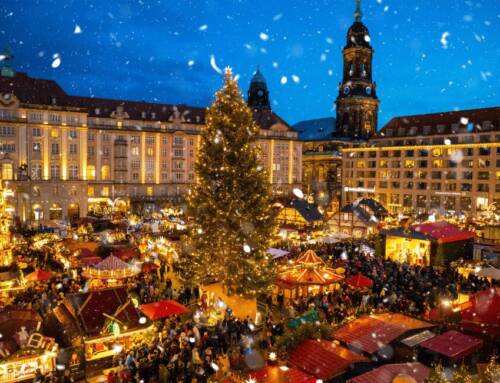
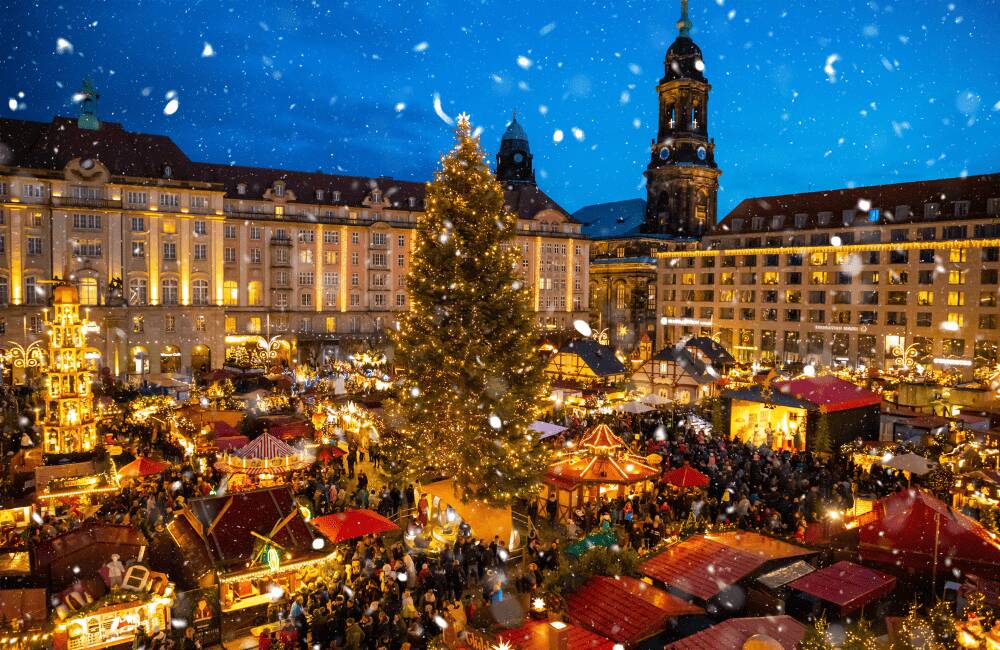
- Winter (November to December) transforms the towns into a cozy wonderland with traditional Christmas markets.
Travel Tips for Germany
- The national train system is efficient. Check schedules directly on the official Deutsche Bahn website to plan your long-distance routes.
- Purchase city tourism cards to save money if you plan to use local transit and visit multiple museums.
- Carry a backup supply of cash, as some small vendors still do not accept credit cards.
- Learn a few basic German phrases to connect with locals, even though English is widely spoken in the tourism industry.
- Keep a few euros in coin format for public restrooms and small bakeries.
Secure Your Trip Across Germany
When you juggle a complex itinerary with regional trains and multiple hotel bookings, a minor delay can create a domino effect on your plans. With Heymondo’s comprehensive coverage, you can manage unexpected travel hiccups with total confidence. You always have access to free 24/7 assistance via the Heymondo App and by phone to reorganize your trip or find medical help. To travel with true peace of mind, protect your trip to Germany before you pack your bags.
Featured stories