France is one of the most incredible places to visit in the world. When you plan a trip here, you do much more than just check off landmarks. We know that picking what to see in France can feel overwhelming because there is so much ground to cover. From the jagged cliffs of the northern coast to the purple lavender fields of the south, every corner of the country gives you a completely different landscape, culture, and culinary identity.
To help you plan, we organized this guide by region. This way, you can easily map out your transport and minimize connections between these iconic sites.
Index
The Highlights of Paris and the Ile-de-France
Any classic France travel guide begins in the capital. Paris is a dense, walkable city where iconic architecture sits right next to everyday neighborhood life.
Instead of trying to see every museum in one trip, focus on the absolute standouts. The Eiffel Tower remains the defining monument of the skyline. Appreciate its scale from the Trocadéro plaza, or take the elevator to the summit for a 40-mile panoramic view on a clear day.

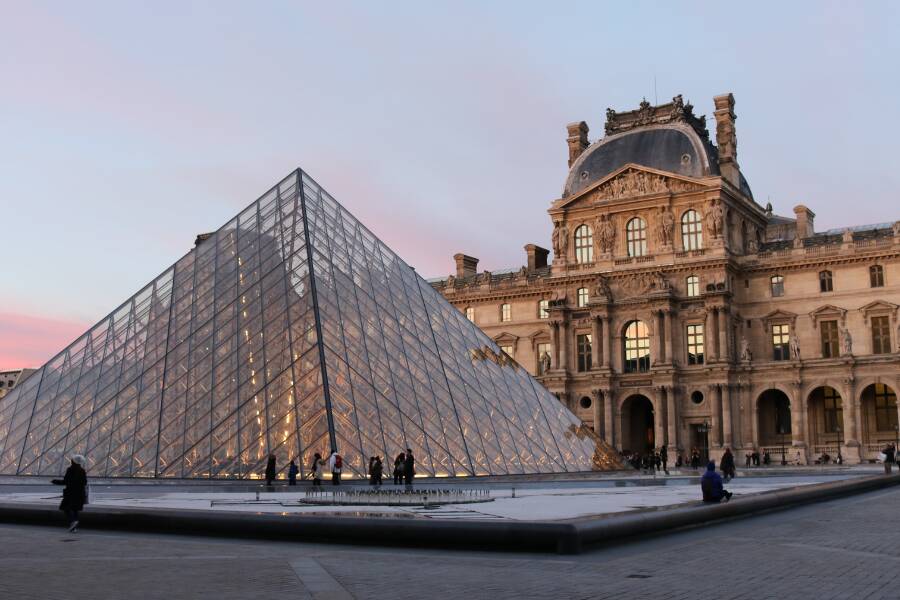
For art and history, the Louvre Museum is truly amazing. It houses thousands of works across miles of corridors, so you need a dedicated half-day. Remember that timed-entry tickets are strictly required and often sell out weeks in advance for peak summer dates.
Travel Tip: Do not use the main glass pyramid entrance above ground. Walk through the underground Carrousel du Louvre mall entrance on Rue de Rivoli to bypass the massive outdoor security lines.
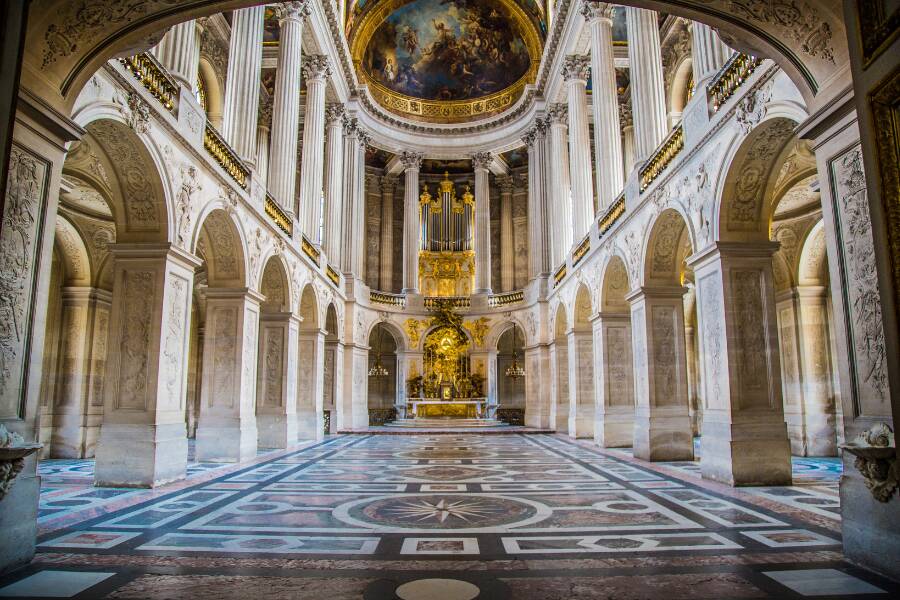
Just a short train ride outside the city limits, you will find the Palace of Versailles. The sheer scale of this royal estate requires an entire day to explore, especially the Hall of Mirrors and the expansive, manicured gardens designed by André Le Nôtre.
History and Coastlines in Normandy and the West
Heading northwest from Paris, the landscape shifts to dramatic coastlines and rolling agricultural hills. Normandy is a region defined by its profound history and rugged beauty.
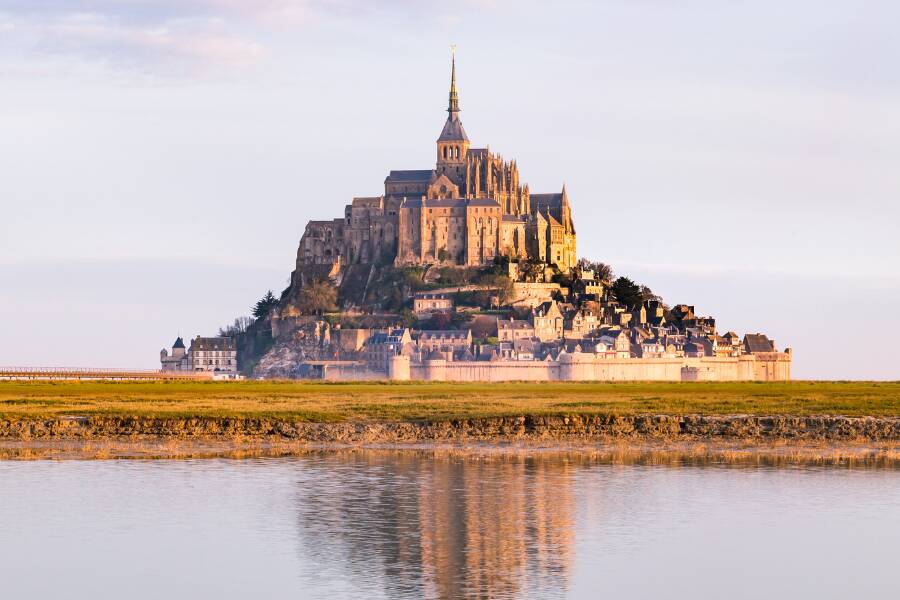
- Mont Saint-Michel: This UNESCO World Heritage site is a stunning medieval abbey perched on a rocky island. Depending on the lunar cycle, extreme tides rush in from the Atlantic and occasionally cut the island off from the mainland.
- The D-Day Beaches: The coastline of Normandy holds immense historical significance. Walking along Omaha Beach or visiting the American Cemetery gives you a deeply moving perspective on the events of World War II.
- The Loire Valley: Moving slightly south, the Loire Valley is famous for its Renaissance chateaus. Castles like Chateau de Chambord and Chateau de Chenonceau sit surrounded by lush forests and vineyards, making this area perfect to explore by bicycle.
Wine & Gastronomy in the Southwest
If your ideal trip involves world-class food and wine, the southwest is your ultimate destination for leisure and gastronomy.
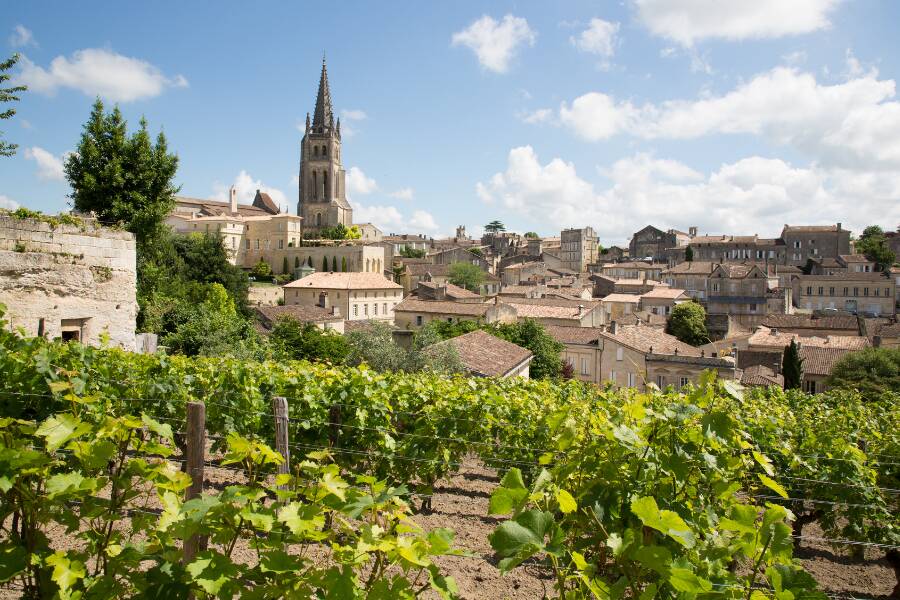
The Bordeaux wine region is globally recognized for producing some of the most prestigious red wines on earth. The city of Bordeaux features elegant 18th-century architecture and an interactive wine museum, the Cité du Vin. From the city center, take easy day trips to historic wine estates in Saint-Émilion or the Médoc.
Further west along the Atlantic coast, the massive Dune du Pilat offers a stark contrast to the vineyards. Climb to the top of the tallest sand dune in Europe to enjoy ocean views on one side and a vast pine forest on the other.
Sunshine & Elegance in the South
The southern coast is synonymous with leisure, art, and the Mediterranean lifestyle. The French Riviera stretches along the southeast coast and is famous for its pebble beaches, yacht-filled harbors, and vibrant towns like Nice and Cannes. The climate here is mild year-round, but it truly comes alive in the summer when the sea warms up.
Just inland from the coast, Provence offers a slower, more rustic experience. This is a region of hilltop villages, ancient Roman ruins, and bustling morning markets.
- Avignon: Known for the massive Palais des Papes, this medieval city was once the seat of the Catholic papacy.
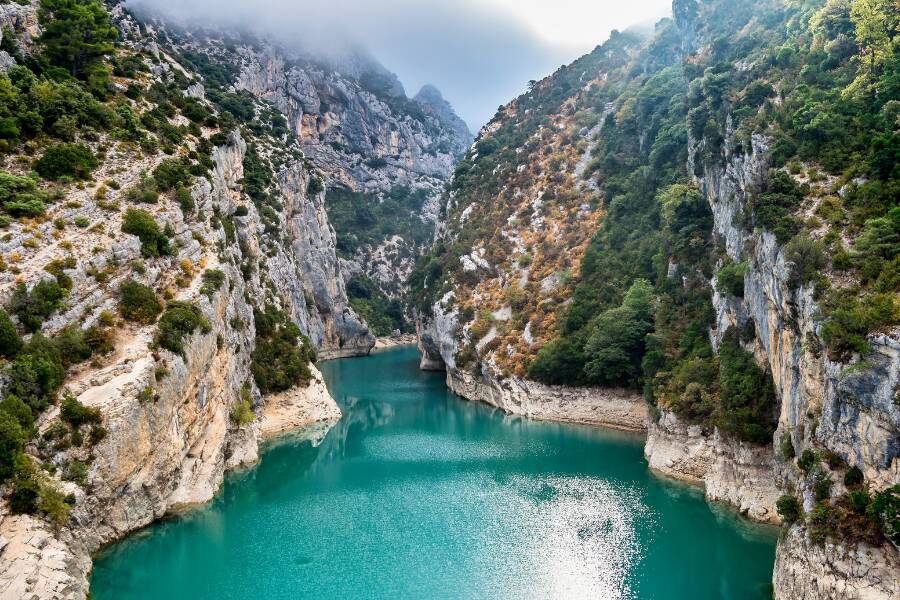
- The Gorges du Verdon: Often called the Grand Canyon of Europe, this deep river canyon boasts striking turquoise water and is a premier spot for kayaking and hiking.
- Lavender Fields: If you visit between late June and mid-July, the plateaus of Valensole turn bright purple, offering one of the most famous visual experiences in the country.
Frequently Asked Questions
We know you likely have a few more questions as you build your itinerary, so our team put together answers to the most common queries.
What Are the Top Attractions in France?
The most visited attractions include the Eiffel Tower, the Louvre Museum, the Palace of Versailles, and Mont Saint-Michel. Natural landmarks like the Gorges du Verdon and the beaches of the French Riviera are also spectacular spots to add to your itinerary.
Is Paris Worth Visiting in France?
Absolutely. Even if you prefer nature or small villages, Paris offers a concentration of culture, gastronomy, and architecture that is impossible to replicate. Spend at least three days here to build a solid foundation before you explore the rest of the country.
How Many Days Do You Need to Visit France?
To comfortably cover Paris and one or two other regions, you need a minimum of 10 to 14 days. If you only have one week, stick to Paris and a few close day trips rather than rushing across the entire country.
What Is the Best Region to Visit in France?
This depends entirely on your travel style. The Loire Valley is best for Renaissance history and cycling. The French Riviera is ideal for beaches and nightlife. Normandy is perfect for dramatic coastlines and WWII history.
What Food Should I Try in France?
Beyond the standard croissants and baguettes, try regional specialties. In Paris, seek out a classic steak frites. In the coastal towns of Normandy, try the local mussels and cider. If you are in the south, a traditional Salade Niçoise or Ratatouille highlights the fresh, local produce of the Mediterranean.
Do I Need a Visa to Visit France?
US citizens can enter France for up to 90 days for tourist or business purposes without a traditional visa, but the entry process changed recently. As of 2026, the EU Entry/Exit System requires all travelers to register their biometric data, like fingerprints and facial scans, at the border. Additionally, the ETIAS pre-authorization system launches in the last quarter of 2026, meaning you need to apply online for approval before your flight.
You must also ensure your passport is valid for at least three months beyond your planned departure date. Because standard US health insurance plans are rarely accepted by European hospitals, secure travel insurance to France to guarantee access to private healthcare and emergency medical funds without paying massive out-of-pocket costs at a foreign clinic.
Secure Your Trip Across France
When you juggle an itinerary between Paris, the coast, and wine country, unexpected transportation strikes or sudden illnesses can easily force a change of plans.
Traveling insured allows you to adapt to the unexpected. Heymondo offers high medical coverage for international emergencies, meaning you avoid paying out-of-pocket if you need urgent care while traveling. Plus, with the free Heymondo App, you have access to a 24/7 medical chat and assistance team ready to help you navigate local clinics or reorganize your logistics.
Featured stories