Last Updated: August, 2026
Planning a journey to South Korea offers an exciting mix of ancient traditions, high-tech urban design, quiet coastal escapes, and dramatic mountain landscapes. Whether you are wandering through Joseon-era palaces, sampling street food at night markets, or hiking along volcanic coastlines, organizing your trip by distinct regions helps you make the most of your time.
Navigating South Korea efficiently requires understanding regional transportation hubs and matching destinations to your personal travel style.
Travel Tip: Download Naver Map and KakaoMap before departing. Standard Western map applications do not support turn-by-turn walking or driving navigation in South Korea due to local spatial data security regulations.
Index
Pre-Trip Checklist & Entry Verification
Before mapping out your daily sights, ensure your travel documentation and mobile apps are properly set up for local infrastructure.
- Visa & Entry: The Korean Electronic Travel Authorization (K-ETA) exemption for U.S. passport holders was extended through December 31, 2026. Starting January 1, 2027, you will need a K-ETA before traveling to South Korea. Always verify official requirements on the U.S. Department of State South Korea page before departure.
- Transit Connectivity: Purchase a local eSIM or rent a pocket Wi-Fi device at Incheon International Airport (ICN) to keep navigation and translation applications active on the go.
- Rail Booking: Long-distance routes fill up quickly during weekends and holidays. Reserve tickets for high-speed trains in advance through the official Korail portal (KTX)using an international card.
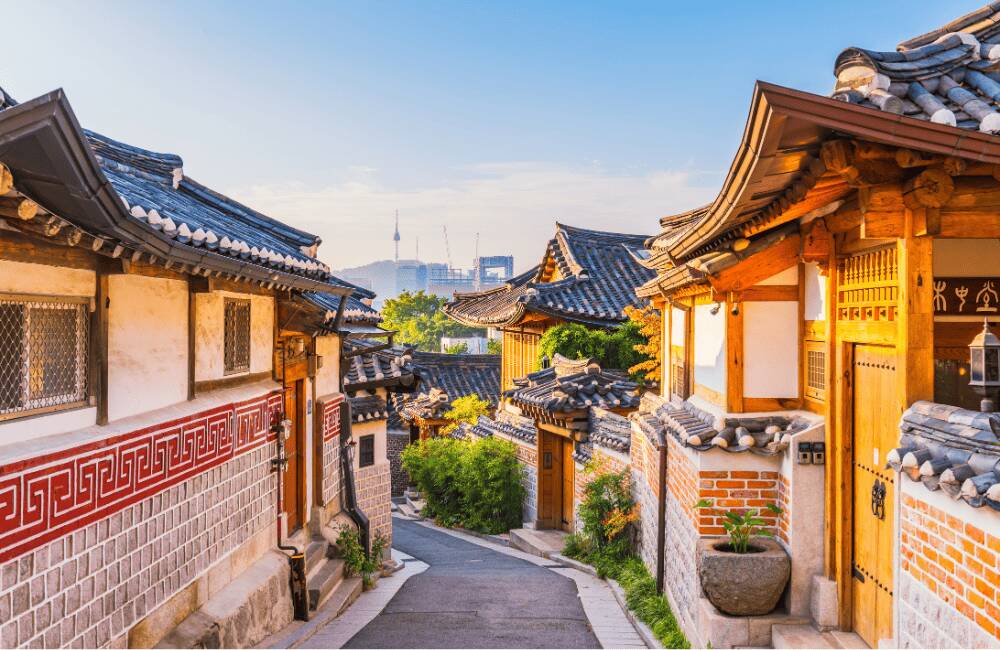
Seoul & Surroundings: Modernity, Palaces, and Neighborhoods
South Korea’s capital balances grand historic sites with distinct, neighborhood-level culture.
The KTX train connects Seoul Station to Busan in under 3 hours, allowing you to easily bridge the capital with the southern coast.
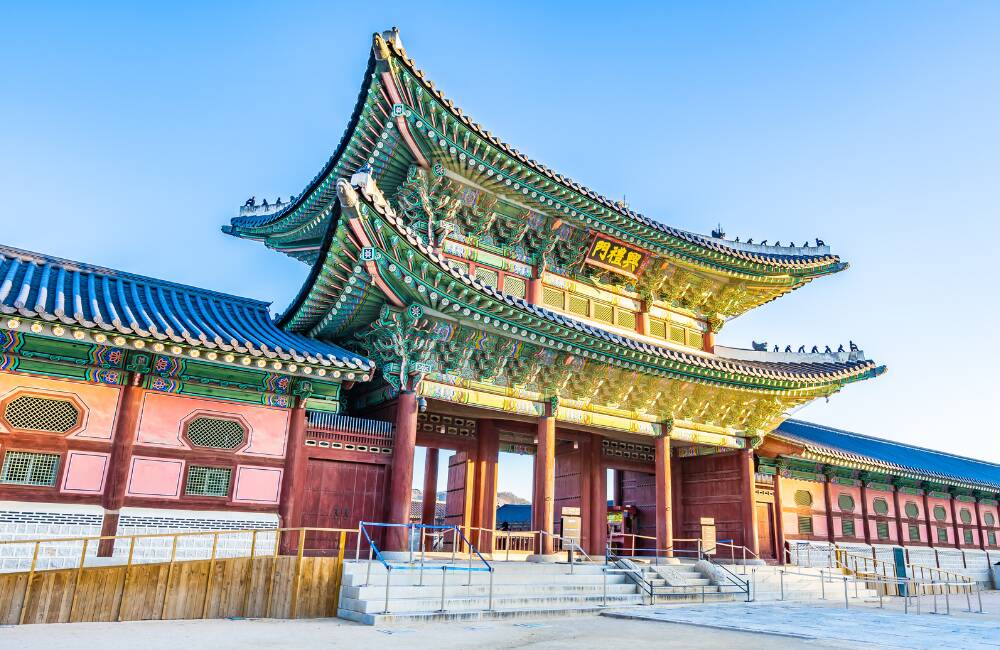
- Gyeongbokgung Palace: The largest of the Five Grand Palaces built during the Joseon Dynasty. Time your visit to watch the Changing of the Royal Guard ceremony at the Gwanghwamun Gate.
- Bukchon Hanok Village & Ikseon-dong: Historic residential neighborhoods filled with hundreds of preserved hanoks (traditional houses). Ikseon-dong features restored hanoks converted into tea houses, craft shops, and local bakeries.
- Changdeokgung Palace & Secret Garden: A UNESCO World Heritage site celebrated for its harmonious integration with the surrounding natural topography. Access to the Secret Garden (Huwon) requires a timed guided tour ticket.
- Dongdaemun Design Plaza (DDP) & Seongsu-dong: For modern culture, admire Zaha Hadid’s futuristic architecture at DDP, then head to Seongsu-dong, an industrial neighborhood converted into independent coffee shops, eco-conscious retail spaces, and local designer flagships.
- N Seoul Tower & Namsan Park: Located atop Namsan Mountain, this iconic tower offers 360-degree views of the sprawling Seoul skyline, best enjoyed around sunset.
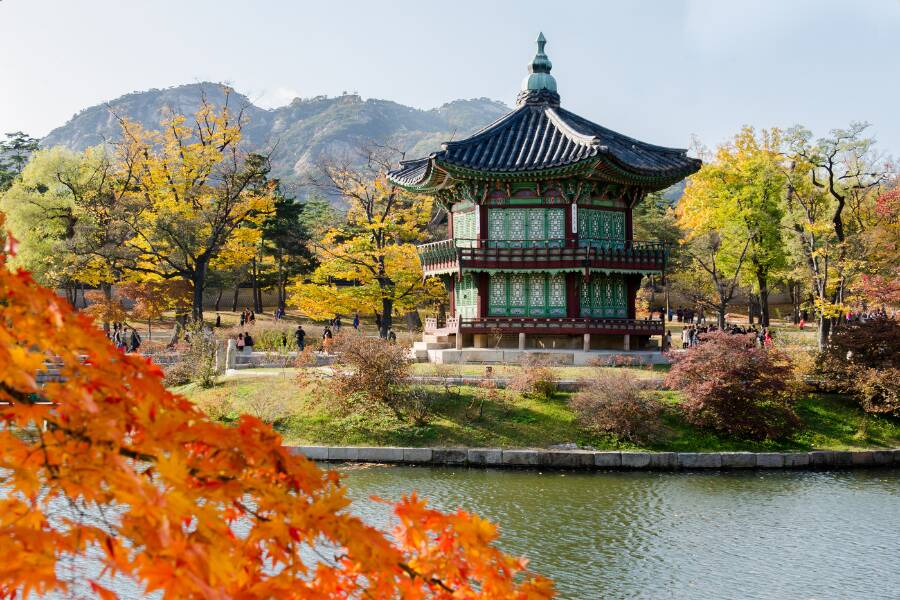
Gyeongju: The Ancient Silla Capital
Located in the southeastern region, Gyeongju functions as an open-air museum filled with royal tombs, ancient observatories, and mountain temples.
- Daereungwon Tomb Complex: A peaceful park housing grassy burial mounds of ancient Silla kings and nobility.
- Cheomseongdae Observatory: Built in the 7th century, this structure is the oldest surviving astronomical observatory in East Asia.
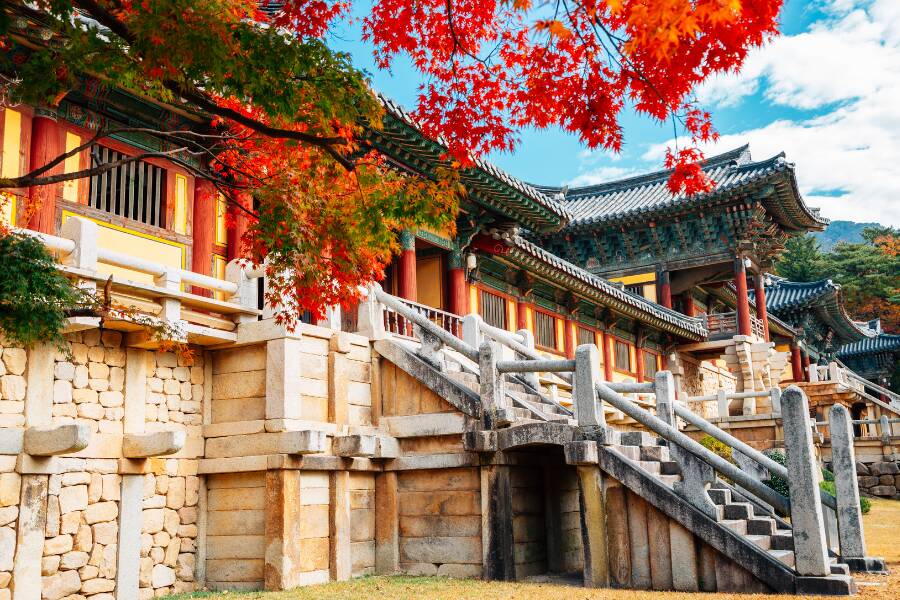
- Bulguksa Temple and Seokguram Grotto: Nestled on the slopes of Mount Tohamsan, Bulguksa showcases classical Silla Buddhist architecture. The nearby Seokguram Grotto houses a monumental stone Buddha facing the East Sea.
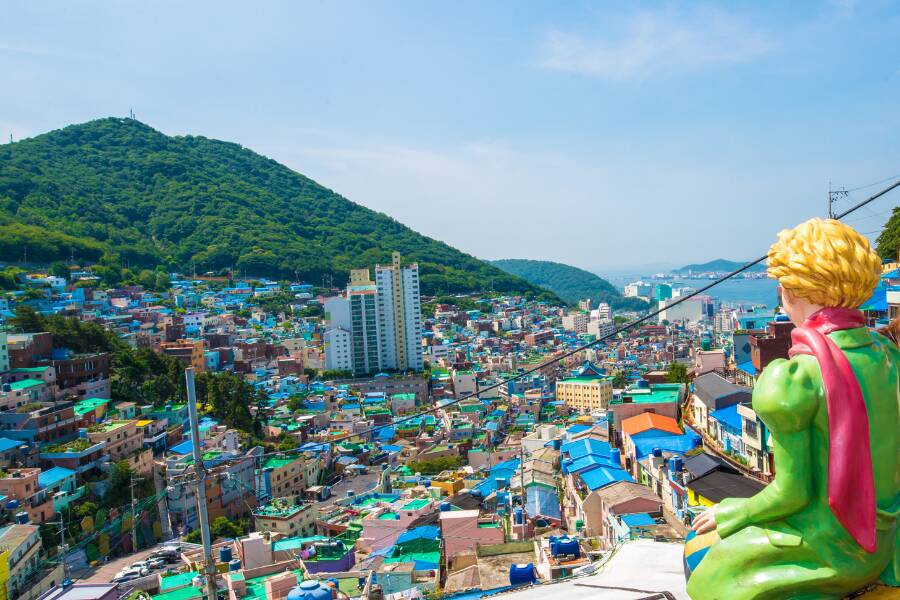
Busan: Coastal Architecture and Marine Culture
South Korea’s principal port city is famous for its sweeping ocean views, seafood markets, and hillside communities.
- Gamcheon Culture Village: A colorful hillside neighborhood built along steep stairways, filled with street art, small galleries, and local handicraft shops.
- Haedong Yonggungsa Temple: Perched directly on the rocky coastline overlooking the ocean, this 14th-century site offers a rare alternative to mountain-bound temples.
- Jagalchi Fish Market: The largest seafood market in the country, where visitors can choose a fresh catch on the ground floor and enjoy it prepared at upper-level dining halls.
- Haeundae Blueline Park: Ride the colorful Sky Capsules or Beach Train running along scenic coastal tracks from Mipo to Songjeong.
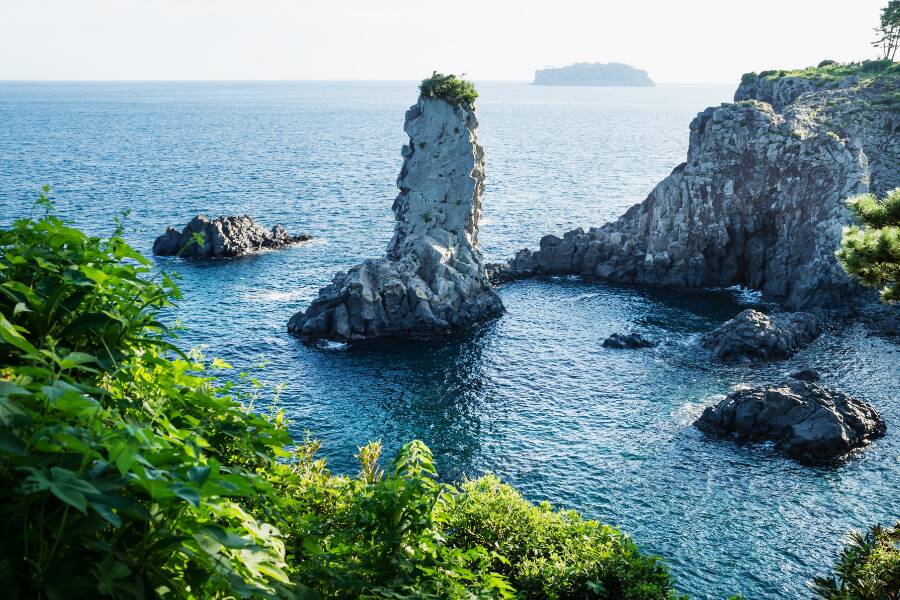
Jeju Island: Volcanic Wonders and Coastal Nature
Located off the southern coast, Jeju Island is a dedicated UNESCO biosphere reserve known for unique geology and coastal hiking trails.
- Seongsan Ilchulbong: A dramatic tuff cone formed by hydrovolcanic eruptions, offering a manageable climb up stone steps for panoramic ocean views.
- Hallasan National Park: Home to South Korea’s highest peak at 6,282 feet, featuring well-maintained hiking trails through high-altitude forests and crater lakes.
- Jeju Olle Trails: A network of 26 connected walking routes that trace the perimeter of the island, passing through quiet farming villages, pine forests, and volcanic stone beaches.
- Manjanggul Lava Tube: Reopened to the public following extensive safety upgrades, this massive lava tunnel features world-class stalactites and impressive stone columns.
Gangwon Province: Mountain Wilderness and Coastal Escapes
For travelers seeking crisp mountain air and coastal nature, this northeastern province offers year-round outdoor appeal.
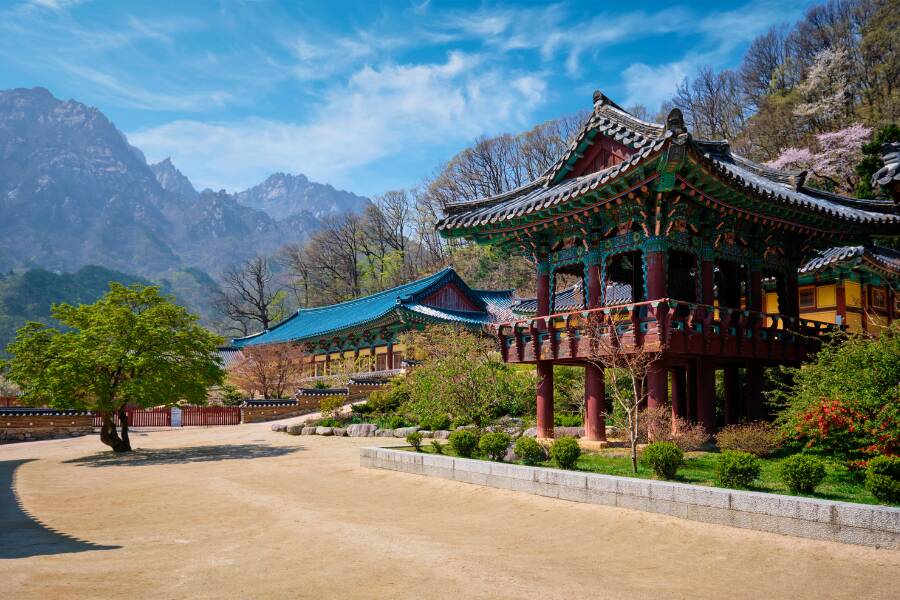
- Seoraksan National Park: Famous for jagged granite peaks, deep valleys, and historic temples like Sinheungsa. The park is exceptionally vibrant during the autumn foliage season.
- Sokcho Coastal Town: The gateway to Seoraksan, offering fresh seafood markets, quiet beaches, and local saunas for post-hike relaxation.
Frequently Asked Questions
How many days do I need for a first trip to South Korea?
A period of 10 to 14 days allows you to visit Seoul, Gyeongju, Busan, and Jeju Island comfortably without feeling rushed.
Is it easy to travel around South Korea using public transportation?
Yes. South Korea has an efficient, clean, and punctual public transit system. High-speed KTX trains link major cities, while subway systems in Seoul and Busan feature clear English signage and voice announcements.
For buses, subways, and convenience store purchases, get a refillable T-money card as soon as you get to South Korea.
Does Heymondo Travel Insurance cover emergency medical care in South Korea?
Yes. Heymondo policies cover unexpected medical expenses, emergency dental treatments, prescription medications, and 24/7 multilingual medical consultations via our mobile application during your travel.
Ready to Explore South Korea?
South Korea has a way of surprising you around every corner. You might step off a high-speed train straight into a quiet neighborhood full of traditional tea houses, or spend the morning hiking a volcanic ridge and the evening sharing fresh seafood by the ocean. We love how effortlessly the country bridges centuries-old heritage with modern city life.
Pack your bags, grab your transit card, and get ready to experience it for yourself.
Featured stories