Last Update: August 2026
Spain is a country that captivates visitors with its rich history, vibrant cities, and stunning landscapes. Whether you’re drawn to the artistic streets of Barcelona, the royal elegance of Madrid, the spiritual journey of the Way of St. James, or the sun-drenched beaches of Costa del Sol, there’s something for everyone. Add to that world-famous cuisine, lively nightlife, and welcoming locals, and you have the perfect travel destination.
Index
What Activities Can You Do in Spain?
Spain offers endless possibilities for travelers, whether you’re into history, nature, or gastronomy. You can follow a food route to explore regional delicacies, embark on a wine route through world-famous vineyards, or simply immerse yourself in the country’s rich cultural heritage. If you love the outdoors, Spain’s national parks and UNESCO World Heritage Sites provide some of the most breathtaking landscapes and historical landmarks in Europe.
National Parks: Spain’s Natural Wonders
Spain is home to numerous protected nature reserves, offering breathtaking landscapes and diverse ecosystems:
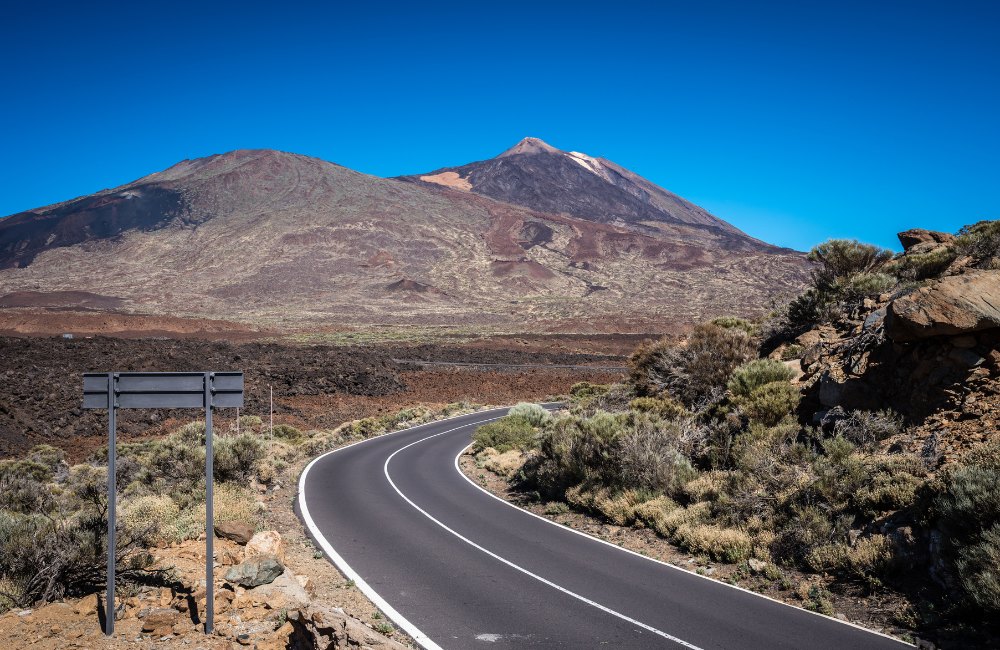
- Teide National Park (Tenerife): Home to Spain’s highest peak, an ancient volcano with otherworldly scenery.
- Guadarrama National Park (near Madrid): A mountainous region covered in old pine forests, home to the rare Spanish Luna Moth.
- Doñana National Park: A vast coastal wetland teeming with wildlife, including migratory birds and endangered species.
- Picos de Europa: One of the last refuges for brown bears in Spain, featuring dramatic cliffs and lush valleys.
- Ordesa and Monte Perdido (Pyrenees): Known for glacial valleys, waterfalls, limestone canyons, and some of Spain’s most rewarding mountain hikes.
UNESCO World Heritage Sites
Spain boasts over 50 UNESCO World Heritage Sites, making it one of the most historically rich destinations in the world. Highlights include:
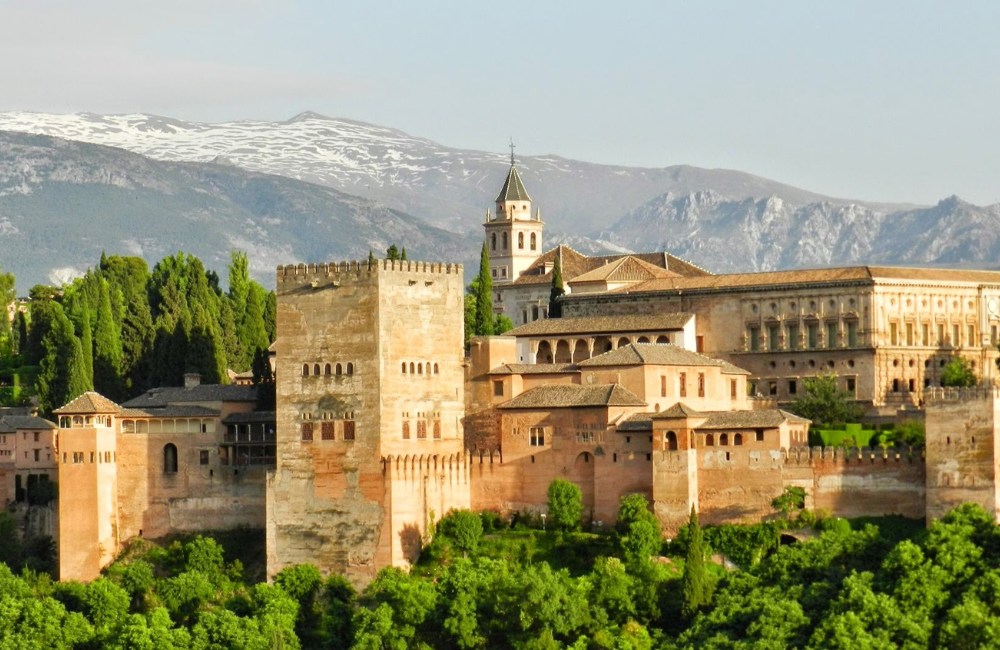
- Alhambra (Granada): A breathtaking Moorish palace and fortress complex.
- El Escorial (Madrid): A grand royal monastery and palace.
- Altamira Caves: Prehistoric caves featuring some of the world’s oldest known cave paintings.
- Las Médulas: Ancient Roman gold mines, now a surreal, rugged landscape.
- The Palm Grove of Elche: A unique forest of thousands of palm trees, an oasis-like wonder.
Before planning your trip, checking the full UNESCO list might help you discover even more hidden gems.
What Cities Should You Visit in Spain?
Spain is a country of incredible diversity, where every city offers something unique. Whether you’re looking for historic landmarks, vibrant nightlife, stunning beaches, or world-class cuisine, there’s a destination for every traveler. From the lush green landscapes of the north to the sun-soaked shores of the south, and from bustling metropolises to charming small towns, Spain’s cities each have their own personality and charm.
Here’s a guide to some of the must-visit cities in Spain, each offering its own blend of history, culture, and unforgettable experiences.
Northern Spain: A Local Favorite
Northern Spain is a strong choice for travelers who want green scenery, seafood, mountain routes, and generally milder summer weather than the interior and south. Heat waves can still occur, so check the forecast and plan outdoor activities accordingly.
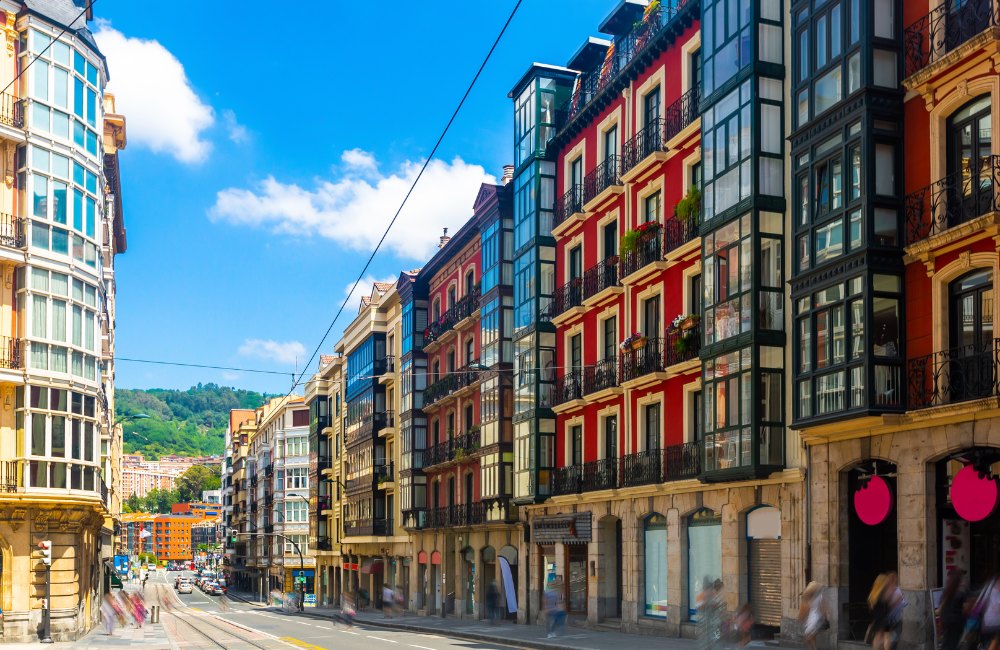
- Bilbao: The most well-known city in Northern Spain, Bilbao is part of the Basque Country, a region with its own language, history, and identity. A must-see is the Guggenheim Museum, an architectural marvel housing modern art collections. The region is also a food lover’s paradise, offering pintxos – small, flavorful dishes similar to tapas, best enjoyed with a beer or a glass of wine.
Barcelona: The Cosmopolitan Hub
Barcelona is Spain’s most cosmopolitan city, attracting tourists and migrants from all over the world.
- Explore the Gothic Quarter, El Born, Gràcia, and the waterfront instead of staying only around Las Ramblas.
- Located on the coast, it offers the perfect mix of city life and beach relaxation.
- Don’t miss Gaudí’s architectural wonders, including the Sagrada Familia and Parc Güell.
Travel Tip: Pickpocketing is one of the most common issues reported by visitors in Barcelona, so keep a close eye on your belongings, especially in busy tourist areas.
Madrid: The Historic Capital
As Spain’s capital, Madrid is one of the most visited cities in the country, full of history and culture.
- Explore university buildings still bearing bullet holes from the Civil War.
- Visit world-class museums like the Prado, Reina Sofía, and Thyssen-Bornemisza.
- Madrid has a more traditional and upscale atmosphere compared to Barcelona, offering high-end shopping and rooftop parties.
Locals take great pride in their city and love giving recommendations – don’t hesitate to ask for their favorite spots!
Andalusia: The Soul of Southern Spain
Andalusia is Spain’s southernmost region, home to several must-visit cities:
- Seville: The regional capital, known for its warm, friendly locals and beautiful Moorish architecture.
- Málaga: A rapidly growing coastal city, perfect for both relaxation and exploration.
- Granada: Home to Alhambra, a UNESCO-listed architectural masterpiece from the Muslim rule nearly a thousand years ago.
During Holy Week (Semana Santa), Andalusian cities hold elaborate religious processions. If you see participants wearing tall, pointed hoods, don’t be alarmed – these capirotes are part of a centuries-old tradition, unrelated to the Ku Klux Klan.
La Rioja: A Wine Lover’s Dream
La Rioja is one of Spain’s best-known wine regions, but the appeal goes beyond tasting rooms. Vineyards, medieval villages, mountain scenery, and the Ebro River make it a relaxed stop between larger cities.
- Logroño, the capital, is a charming city with a relaxed pace, perfect for those wanting to take their time.
- Food is a major attraction, as is the opportunity to visit vineyards and wineries to sample the region’s best offerings.
- The landscape features stunning mountain ranges and the Ebro River, making it a great place to enjoy nature.
Santiago de Compostela: The Pilgrimage Destination
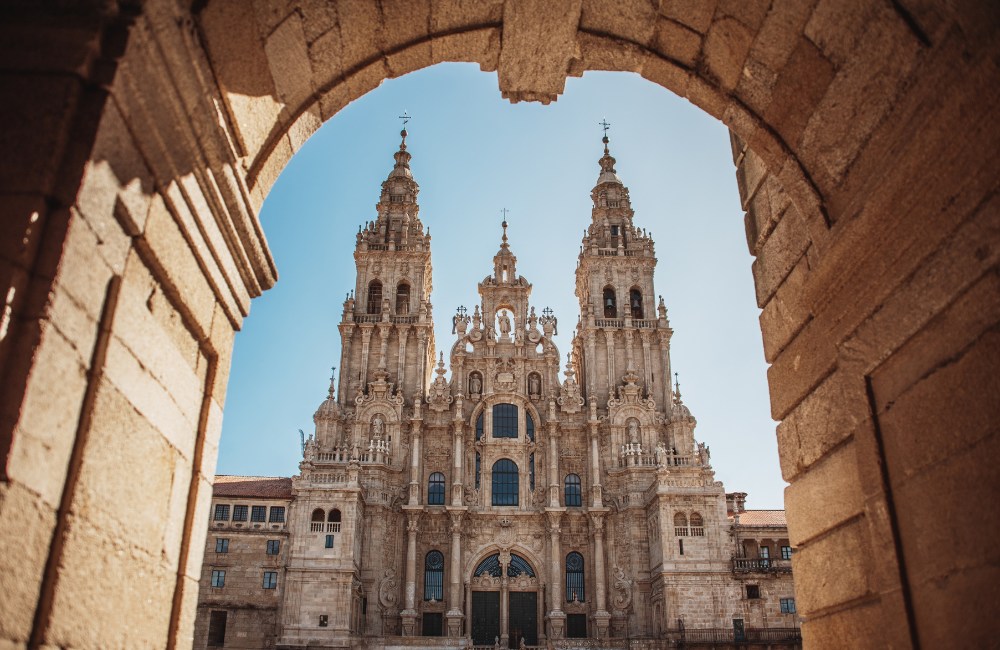
At the end of the legendary Way of St. James (Camino de Santiago) lies Santiago de Compostela, home to an imposing cathedral and a lively university atmosphere.
- Every year, millions of pilgrims walk 560 miles from Roncesvalles, France, to Santiago.
- While originally a religious journey, many now do it for personal growth, introspection, and a break from city life.
- The route is budget-friendly, with affordable inns along the way (some as low as $10 per night).
Upon arrival, pilgrims experience a profound sense of achievement. If time allows, a visit to the Rías Baixas region just 50 miles away offers stunning, beaches and incredible seafood, a perfect way to recover from the trek.
Other Must-Visit Cities
- Valencia: A Mediterranean city known for the City of Arts and Sciences, the historic center, beaches, and the local origins of paella.
- Ibiza: A global party destination with top-tier clubs, yacht culture, and high-end fashion.
- Palma and Tenerife (Canary Islands): Ideal for relaxation and adventure, with volcanic national parks and stunning diving spots.
What Is the #1 Attraction in Spain?
The Sagrada Familia cathedral in Barcelona is the most visited spot in the country. It was designed by Gaudi in the late XIX century. The construction started shortly after. Construction is expected to continue into the coming years, although significant progress has been made. Your visit in Spain would be incomplete if you don’t make it to this unique building.
Is 7 Days Enough to Visit Spain?
Seven days is enough for a rewarding trip, but not for the entire country. A first-time visitor will usually have a better experience by choosing one region, one major city with day trips, or two well-connected cities.
In seven days, you can fully explore one major city (Madrid or Barcelona) or visit two to three cities at a comfortable pace. Trying to cover too much ground will be exhausting and leave little time to truly enjoy each place.
A Realistic 7-Day Itinerary
- Option 1: One city in depth → Spend a full week in Madrid or Barcelona, exploring its neighborhoods, museums, food scene, and nearby day trips (like Toledo from Madrid or Montserrat from Barcelona).
- Option 2: Two cities (Balanced trip) → Split your time between Madrid and Barcelona (4 days in one, 3 days in the other). Travel between them via a high-speed train (AVE, 2.5 hours).
- Option 3: Three cities (fast-paced trip)
- Day 1-3: Arrive in Madrid → Explore the historic center, museums, and markets. Take a day trip to Toledo or Segovia.
- Day 4-5: Take a high-speed train (AVE) to Seville (2.5 hours) → Visit the Alcázar, Cathedral, and enjoy tapas.
- Day 6-7: Fly or take a train to Barcelona → Explore Gaudí’s architecture, the Gothic Quarter, and the beach before flying home.
Trying to squeeze in Ibiza, Málaga, Valencia, and Seville within a week would be unrealistic, as travel times would eat up most of your days. Instead, focusing on one to three cities will allow you to truly enjoy Spain.
Travel Tip: The more places you visit, the higher the chance of delays or disruptions. Travel insurance is a smart choice to cover potential missed connections, lost luggage, or last-minute changes.
What Do People Usually Do in Spain?
Spaniards are very social and love to enjoy life without spending too much. One of the most common activities is going for a beer and tapas after work – a tradition deeply ingrained in Spanish culture.
Thanks to Spain’s sunny weather, this is often done at terrazas, the outdoor seating areas of bars and restaurants. So, grab an Estrella Galicia beer and a Spanish omelet (tortilla española), relax, and enjoy a great conversation the Spanish way.
Is Spain Friendly to Tourists?
Most visitors find Spain welcoming and easy to navigate. Tourism is a major part of the economy, and English is widely used in hotels and major attractions, although it is less common in smaller towns and local businesses.
In heavily visited destinations, residents may be frustrated by overcrowding and short-term rentals. Travel respectfully: stay in legal accommodations, keep noise down in residential areas, follow beach and public-space rules, and support local businesses beyond the busiest tourist streets.
As in other major destinations, watch for theft and scams in crowded areas. For current entry, safety, health, and local-law information, review the official U.S. travel guidance before departure.
What Is Spain Most Famous for?
While bullfighting is often associated with Spain, it is a dying tradition. Most of Spain’s youth see it as barbaric, a relic of the past rather than a defining aspect of modern Spain.
Instead, Spain is best known for its relaxed, social lifestyle and simple pleasures. Picture yourself sharing a paella with friends under a sun umbrella by the beach, taking a siesta to escape the afternoon heat, enjoying an ice-cold beer while watching a Madrid vs. Barcelona soccer match at a local bar, or experiencing a night of flamenco in the lively streets of historic cities.
More than any single attraction, Spain is famous for the easygoing spirit of its people and the small, everyday joys that make life fulfilling. And the best part? You can experience it too.
What Is Spain’s National Dish?
While Spanish omelet (tortilla de patatas) is a staple of Spanish cuisine, the most internationally recognized dish is undoubtedly paella. However, true Valencian paella follows a strict recipe – any deviation is often dismissed as “arroz con cosas” (“rice with things”), a pejorative term for anything that doesn’t meet paella standards (yes, Spaniards are food purists!). A close second in international popularity is tapas, though tapas aren’t a dish but a way of serving food – practically anything can be a tapa.
In the end, it’s up for debate – which Spanish dish do you think is most famous abroad?

What Currency Does Spain Use?
Spain is part of the European Union and uses the euro (€) as its currency. If you’re traveling from the U.S., it’s a good idea to exchange some dollars for euros before your trip or use a credit card with no foreign transaction fees. Exchange rates fluctuate, so checking the latest rate before you travel is always recommended.
Before you travel, it’s also worth reviewing the latest travel advice from the U.S. Department of State, including entry requirements, local laws, and safety information.
Heymondo Claims Desk
Something we see all the time in major cities is petty theft on public transit or in crowded tourist spots. It takes just a second of distraction on a busy metro line for a bag to zip open and your wallet or passport to disappear.
If this ever happens to you, the most important detail to keep in mind is the distinction between theft and robbery. Most travel insurance policies specifically cover robbery (where force, intimidation, or physical break-ins occur) rather than petty theft, where an item left unattended is taken without any confrontation or force.
When you file the mandatory police report, make sure you describe the incident accurately and clearly state how it occurred. Once you have that official report in hand, you can reach out through the Heymondo App so we can help guide you through getting temporary travel documents at your embassy and processing your claim as smoothly as possible.
Travel With Peace of Mind
While Spain is generally a safe destination, unexpected situations can happen – from flight delays and lost luggage to medical emergencies. Having travel insurance can help you deal with these situations more easily, allowing you to focus on enjoying your trip.
Travel insurance can help with eligible medical emergencies, baggage problems, and trip disruptions, depending on the policy and coverage selected. Explore Heymondo travel insurance for Spain and compare the options before your trip.
Featured stories