Last Update: August 2026
Oktoberfest is one of those events that feels bigger in person than it does in photos. For 16 days, Munich’s Theresienwiese fills with brass bands, traditional dress, carnival rides, parades, Bavarian food, and beer tents that can hold thousands of people at a time. If you are traveling from the United States, a little planning goes a long way: the festival is easy to enter, but tables, transportation, payments, and security rules work differently from many large U.S. events.
This guide covers the practical details for Oktoberfest 2026, from official dates and current beer prices to tent reservations, family days, public transportation, and what you can actually bring onto the grounds.
Index
What Is Oktoberfest?
Oktoberfest began in 1810 as part of the celebrations for the wedding of Crown Prince Ludwig of Bavaria and Princess Therese of Saxe-Hildburghausen. The festivities ended with a horse race on a meadow outside Munich, which was later named Theresienwiese in honor of the bride. The official history of Oktoberfest traces how that royal celebration developed into the city’s annual folk festival.
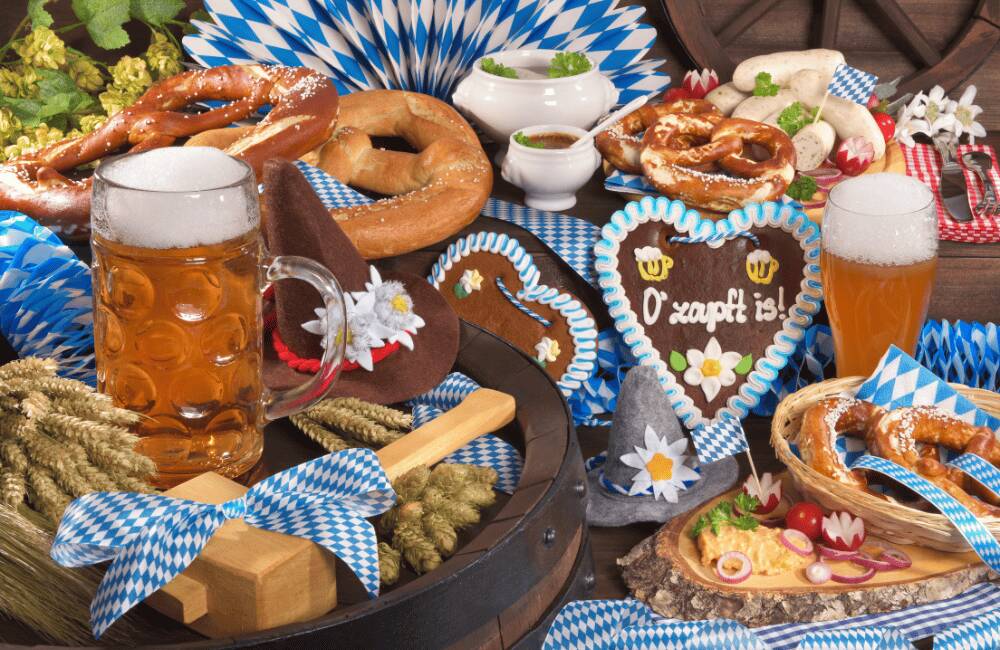
Today, locals often call the festival simply the Wiesn, a Bavarian reference to the meadow where it takes place. Beer is only part of the experience: the grounds combine large and small tents, traditional music, rides, food stalls, cultural events, and a historic section called the Oide Wiesn.
When and Where Is Oktoberfest 2026?
Oktoberfest 2026 runs from September 19 through October 4 at Theresienwiese in central Munich. On opening Saturday, the beer tents open in the morning, but the first Oktoberfest beer is not served until the mayor taps the first keg at noon in the Schottenhamel tent.
Dates Worth Planning Around
- September 19: Parade of the Oktoberfest landlords and breweries, followed by the official keg tapping at noon.
- September 20: Traditional Costume and Riflemen’s Parade through central Munich.
- September 27: Oktoberfest landlords’ open-air concert.
- October 4: Traditional gun salute marks the festival finale.
The City of Munich publishes the full schedule on its official events page.
Do You Need Tickets or a Beer Tent Reservation?
You do not need a ticket to enter the main Oktoberfest grounds, and entry to the beer tents is also free. The exception is the Oide Wiesn, the historic section in the southern part of Theresienwiese, which currently costs €4 for visitors age 15 and older. You can check the current admission rules on the official Oktoberfest entry page.
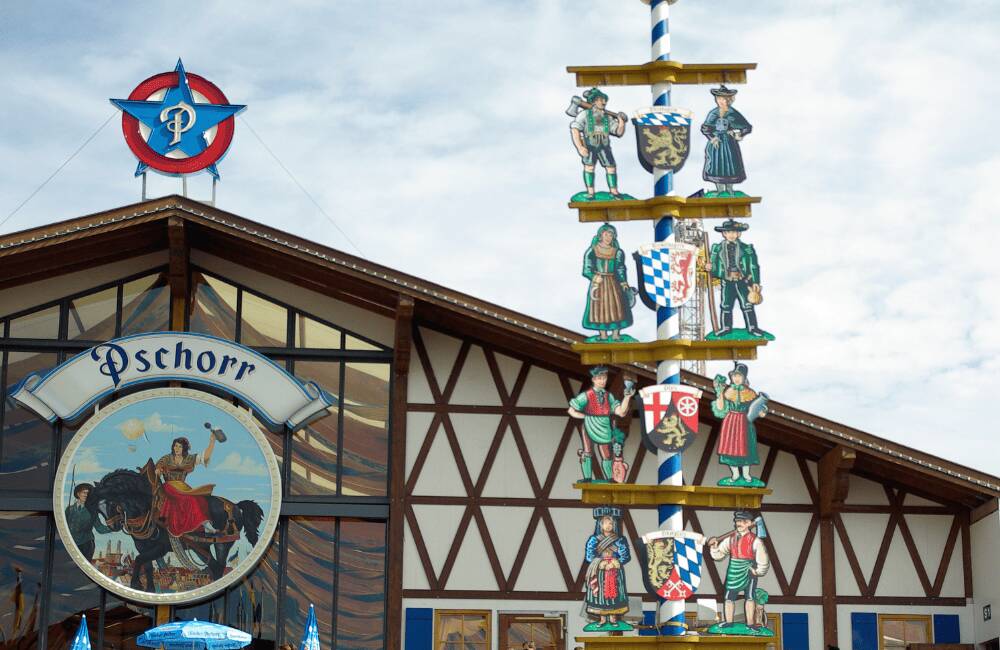
A table reservation is not mandatory, and the big tents keep part of their seating available for walk-ins. However, evenings, weekends, and large groups are much harder without a booking. Reservations are made with each individual tent rather than through one central ticket office.
The reservation itself is free, but tents normally require you to buy food and drink vouchers in advance. The City of Munich also supports an official reservation and resale system for participating tents.
How Much Does Oktoberfest Cost?
The clearest official benchmark is the beer price: in 2026, a 1-liter Maß costs between €14.80 and €15.90 in the festival tents.
If you reserve a table, expect to prepay consumption vouchers rather than a reservation fee. A common minimum purchase is vouchers covering two liters of beer and half a roast chicken per person, although exact requirements vary by tent.
Cash or Card?
Do not assume the festival is cash-only, but do not rely on a credit card everywhere either. Contactless payment has expanded across the grounds, while several large beer tents still operate primarily or entirely with cash. The official visitor FAQ lists current payment options by tent. For most U.S. travelers, the simplest approach is to carry a payment card plus enough euros for places that do not accept it.
What to Wear, and What to Leave at the Hotel
Traditional Bavarian clothing is popular but not required. Many men wear lederhosen, while many women wear dirndls. If you prefer regular clothes, you will not be out of place. Comfortable shoes matter more than dressing for photos: a day at Oktoberfest can involve hours of walking, standing, and moving through crowded tents.
The more important rule is your bag size. Oktoberfest limits bags and backpacks to a maximum volume of 3 liters and about 20 x 15 x 10 centimeters (roughly 8 x 6 x 4 inches). Larger luggage is not allowed onto the grounds. Check the official visitor rules before packing for the day.
Travel Tip: A standard U.S.-style daypack is usually too large for the Wiesn. A small crossbody bag or compact belt bag is much easier to manage and less likely to slow you down at the entrance security check.
What to Do Beyond the Beer Tents
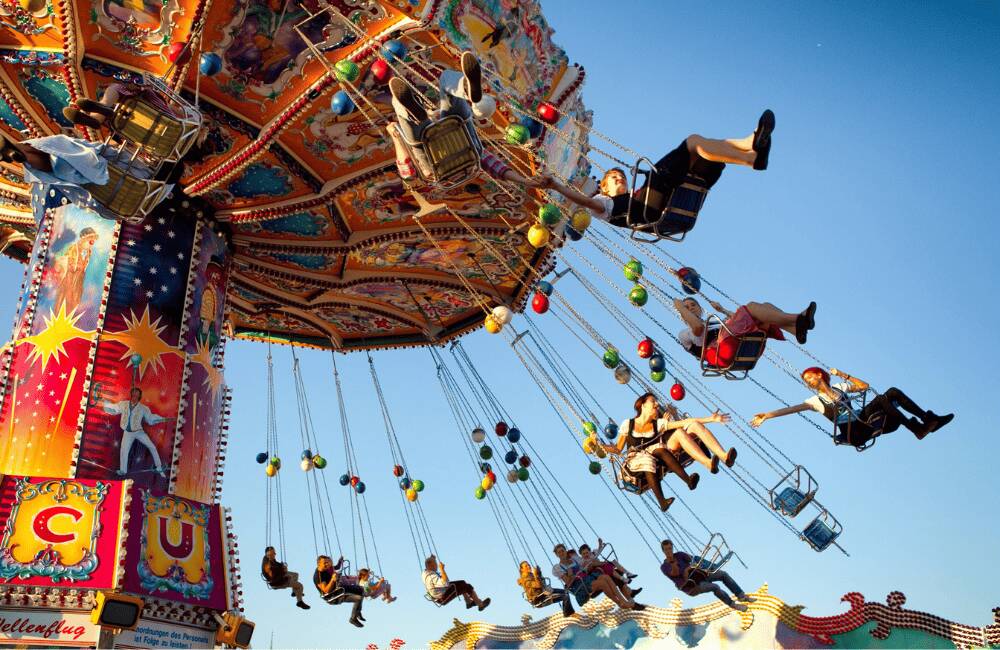
Oktoberfest is officially a folk festival, not simply a beer event. Between tent visits, leave time for the rides, food stands, parades, live music, and the historic Oide Wiesn. The latter is a quieter way to see older fairground traditions, historic attractions, and more traditional cultural programming.
A Few Experiences Worth Making Time For
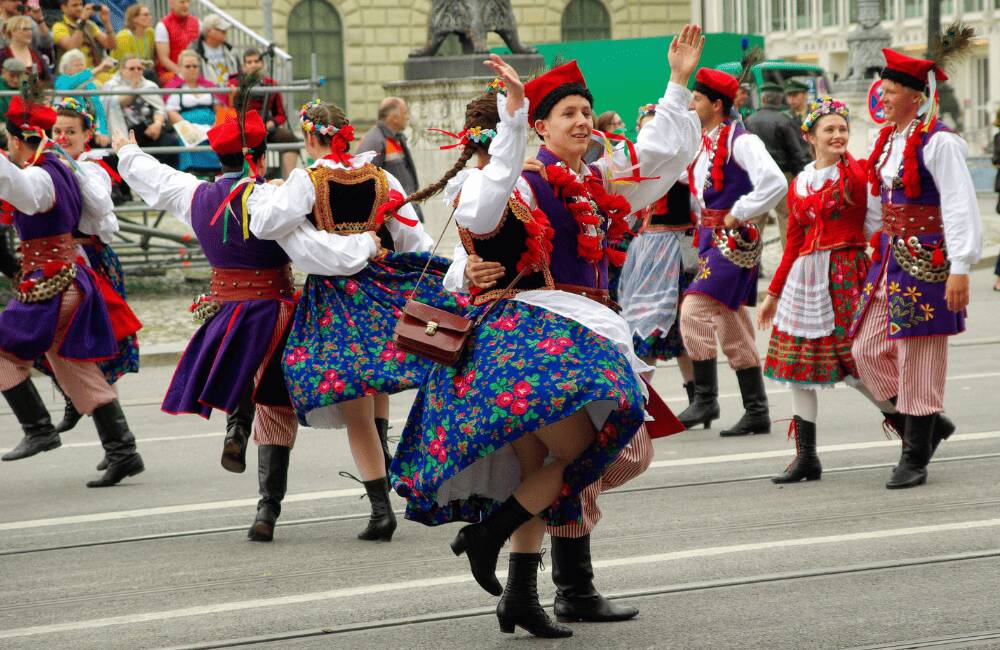
- Watch one of the opening-weekend parades if you want to see traditional costumes, decorated brewery carriages, and marching groups before heading to the festival grounds.
- Ride the Ferris wheel for a view across Theresienwiese and the Munich skyline.
- Spend part of an afternoon at the Oide Wiesn for a more nostalgic version of the festival.
- Try classic Bavarian festival food instead of treating the tents only as a place to order beer.
Is Oktoberfest Family-Friendly?
Yes, especially earlier in the day. Tuesdays are official Family Days, when many rides and snack stands offer reduced prices until 7 p.m. The Oide Wiesn is also a good fit for families and offers free admission for children up to age 14.
There are age and time restrictions to know before staying late. Children under 6 are not allowed in beer tents or catering venues after 8 p.m., even with an adult. The official family guide also explains stroller restrictions and other rules for visiting with children.
How to Get to Oktoberfest
Public transportation is the easiest way to reach Theresienwiese. The U4 and U5 stop at Theresienwiese and Schwanthalerhöhe, while the U3 and U6 serve Goetheplatz and Poccistraße. Hackerbrücke is another useful option on the S-Bahn network and is about a 10-minute walk from the festival.
Munich’s official Oktoberfest transportation guide recommends public transit, and the city sets up road closures and stopping restrictions around the grounds during the festival. If you are staying near Munich Hauptbahnhof, walking to Theresienwiese can take roughly 10 to 15 minutes.
Theresienwiese station is the obvious stop, which also makes it one of the busiest. If the platform is packed, use Goetheplatz, Poccistraße, Schwanthalerhöhe, or Hackerbrücke and walk the last few minutes instead.
Practical Safety Tips for Oktoberfest
The biggest challenges for most visitors are crowds, alcohol, and keeping track of belongings and friends. Set a meeting point before entering a tent, keep your phone and wallet secure, and drink water throughout the day. The festival currently provides free drinking-water fountains at several locations across the grounds.
If you need help, the Service Center near the Bavaria statue houses police, medical services, and other visitor support. Oktoberfest also operates a Safe Space for girls and women who feel threatened, disoriented, harassed, or otherwise unsafe.
Planning Your Oktoberfest Trip
The best Oktoberfest trip is not necessarily the one spent inside a beer tent from morning to night. Build in time for the parades, rides, Bavarian food, and Munich itself, and decide in advance whether you want the energy of opening weekend or a slightly easier weekday visit. Once you know your dates, reserve only what you actually need and leave enough flexibility to enjoy the Wiesn as a festival rather than a checklist.
For an international trip built around a major event, consider travel insurance that matches your plans and review the policy details before departure. Explore Heymondo travel insurance for Germany.
Featured stories