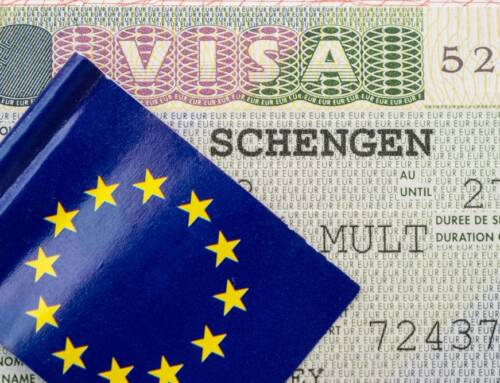
Planning a trip is exciting, but unexpected hiccups like a sudden illness, lost luggage, or flight interruptions can quickly derail your plans. That is where travel insurance steps in. We want to help you understand how it acts as a safeguard for your hard-earned vacation.
If you have heard about travel insurance but are not exactly sure how it works, we put together this simple guide to break down the basics.
Index
Understanding Travel Insurance
At its heart, travel insurance is simply an agreement between you and an insurance provider. It serves as a financial safety net against unexpected costs while you are away from home.
To get this protection, you pay a small upfront fee called a premium. We calculate this cost based on a few simple factors, like your age and any pre-existing medical conditions. Travel insurance is built to absorb the major financial risks that can happen during domestic or international trips.
Heading out without coverage leaves you exposed to heavy out-of-pocket costs if things go wrong. Let us look at what a standard policy covers and why it is worth packing for your next adventure.
Core Insurance Terminology Matrix
To help you navigate your options, we want to clarify a few common terms you will see in standard policies, avoiding heavy technical jargon whenever possible.
| Policy term | Contractual agreement definition | Standard verification rules |
| Accident | A sudden, violent, external, and completely unexpected event causing bodily injury. | Must produce objectively appreciable bodily harm verified independently by a licensed physician. |
| Premium | The total commercial price of the insurance policy contract, inclusive of relevant legal taxes. | Must be paid to the provider prior to departure for coverage to become effective. |
| Deductible | A pre-agreed flat dollar or percentage amount the insured traveler bears per covered claim event. | Many primary medical expense plans feature a zero-dollar deductible option for travelers. |
| Pre-existing condition | Any disease, illness, or physical injury diagnosed or treated prior to your trip start date. | Requires full disclosure to your provider during your initial travel application questionnaire. |
| Common carrier | A regularly scheduled public transport system operating under a valid commercial transit license. | Explicitly encompasses licensed passenger aircraft, rapid transit long-distance trains, and regular boat liners. |

Key Coverage Areas
The right policy depends on how often you travel, where you are going, and who is coming with you. Here are the main protections usually included:
- Medical Emergencies: Coverage for sudden illness or injury while away from home is one of the most critical aspects of travel insurance, especially since healthcare costs vary wildly around the world.
- Travel Delays or Interruptions: Unexpected delays can disrupt your schedule and trigger extra expenses. Travel insurance offers financial assistance to offset these costs when your plans get thrown off track.
- Lost, Stolen, or Delayed Baggage: Luggage issues are common. Policies with baggage coverage help take the bite out of missing belongings by covering replacements or lost items.
- Trip Cancellation and Interruption: If unforeseen events force you to cancel or cut your trip short, a comprehensive policy reimburses non-refundable expenses or covers early return travel due to medical emergencies and other specified reasons.
General Policy Exclusions
We want to be completely transparent about what an insurance policy will not cover. Standard exclusions usually include:
- Petty Theft Incidents: Any loss of personal property that happens without your knowledge, without force, or without signs of physical entry.
- Unattended Personal Effects: Leaving your gear unsupervised in shared transport hubs or public places entirely voids your baggage protection.
- Routine Elective Care: Standard benefits do not cover elective physical exams, preventive care, routine dental checkups, or cosmetic procedures.
- Traveling for Medical Care: Policies are voided if you take a trip specifically to undergo medical treatments or surgeries abroad.
- Mental and Emotional Disorders: Reimbursements are not provided for nervous or psychiatric disorders unless active hospital confinement is required.
- Extreme Sports Competitions: Standard policies exclude professional sports matches, official athletic training, or sports involving motorized racing vehicles.
- Gross Traveler Negligence: Claims resulting from self-harm, intentional violation of official laws/prohibitions, or driving/acting above the legal alcohol limit are denied.
- Unapproved Search and Rescue: Remote or wilderness rescue operations are excluded unless coordinated directly through recognized civil or military agencies.

Why Traveler Protection Matters
Getting covered before a trip has become standard practice for experienced travelers. People know how unpredictable travel can be. A canceled flight or lost bag can quickly ruin a well-planned itinerary.
Certain countries mandate insurance for visa approvals or entry. Beyond offering peace of mind, travel insurance serves as a highly practical safeguard against serious financial hits.
Modern travel protection turns large, unpredictable risks into manageable upfront costs. This ensures a minor bump in the road never turns into a major financial crisis.
Ensuring a Hassle-Free Travel Experience
When you buy a policy, keep your plan details and your emergency contact numbers saved on your cell phone. Double-check your geographic coverage areas and ask about the medical assistance network in the countries you plan to visit.
Be completely honest about any pre-existing medical conditions when applying. This prevents claim denials later on. Also, remember to update us if your health status changes between buying the policy and leaving for your trip.

Insider Tips for a Smooth Claims Process
If something goes wrong while you are away, keep these practical tips in mind to protect your right to reimbursement:
- Tip 1: Make that emergency call first. Always reach out to your provider’s emergency assistance team right away. Opening an active claim file immediately ensures you don’t accidentally bypass pre-approval requirements for hospital stays or major care.
- Tip 2: Get transit disruptions in writing. If an airline or transport provider delays or damages your checked bags, don’t leave the station or airport without official paperwork. Obtaining a formal carrier irregularity report provides the written proof needed for your claim.
- Tip 3: Report theft quickly. If you’re a victim of robbery or theft, act fast. You typically need to file a formal report with local police within 24 to 48 hours to validate your claim with your insurer.
- Tip 4: Keep every piece of paperwork. Save all original invoices, receipts, pharmacy slips, and transport statements. Insurance companies require physical or digital proof of payment to reimburse out-of-pocket expenses.
- Tip 5: Always get pre-approval for transport. Make sure your insurer’s medical team directly coordinates and approves any emergency medical evacuations or transfers ahead of time. Failing to get approval can severely cap or cancel your transportation coverage.
- Tip 6: Submit your proof of loss promptly. Don’t hold onto your paperwork after returning home. File your complete, detailed written proof of loss statements with the insurer within their standard 90-day window.

Selecting the Right Travel Insurance Provider
In 2026, the best travel insurance policy is one that offers complete coverage tailored to your specific travel style. Look for a provider that offers high coverage limits, flexible options, and strong customer support.
We are here to keep your next adventure worry-free, so you can focus on enjoying the journey!
Featured stories