Exploring the world brings immense joy, but unexpected emergencies can disrupt any journey. Securing reliable travel insurance before your flight ensures you enjoy absolute peace of mind.

Malaysia is a truly magnificent destination located in Southeast Asia. It perfectly combines bustling modern cities with pristine tropical rainforests. It offers white-sand beaches, ancient caves, and incredible food cultures.

This comprehensive Malaysia travel guide prepares you for an unforgettable journey in summer 2026. We cover current digital entry requirements, top cultural experiences, and essential safety tips. Read on to discover how to plan your perfect safe travel adventure.

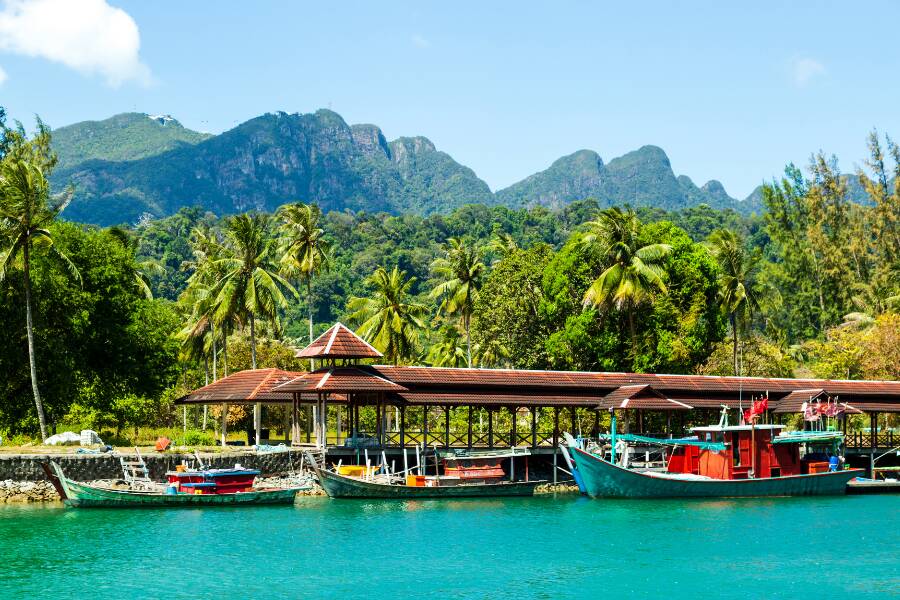
Malaysia beaches

What makes Malaysia a top travel destination this year?

Quick answer: Malaysia stands out because it offers affordable luxury, rich cultural diversity, and world-class eco-tourism. Travelers can seamlessly transition from high-tech city centers to untouched primitive jungles within a single day.

Malaysia is uniquely divided into two major landmasses. These distinct regions are separated by the wide South China Sea.

Peninsular Malaysia features historic colonial towns, vibrant food streets, and bustling shopping hubs. Conversely, Malaysian Borneo offers wild adventures with endangered orangutans and massive mountain ranges.

The local culture is a beautiful tapestry. It is woven from many different ethnic backgrounds. You will encounter vibrant Malay, Chinese, Indian, and indigenous communities living together harmoniously.

This deep diversity translates into a legendary local culinary scene. It easily attracts food lovers from all across the globe.

Planning a multi-city holiday across these diverse landscapes requires a very flexible schedule. Regional flights and ferry transfers can occasionally face unexpected delays. This is especially true during sudden tropical weather changes.

best season for Malaysia

Step-by-step entry requirements: The MDAC System

Do I need a visa to visit Malaysia as a tourist in 2026?

Quick answer: Most Western passport holders do not require a tourist visa for stays under 90 days. However, completing the online Malaysia Digital Arrival Card (MDAC) is mandatory for everyone before arrival.

Immigration policies across Southeast Asia have completely shifted toward automated digital verification systems. You no longer need to fill out physical paper cards on the airplane. Tourists from the United States, United Kingdom, Canada, Australia, and the European Union enter visa-free.

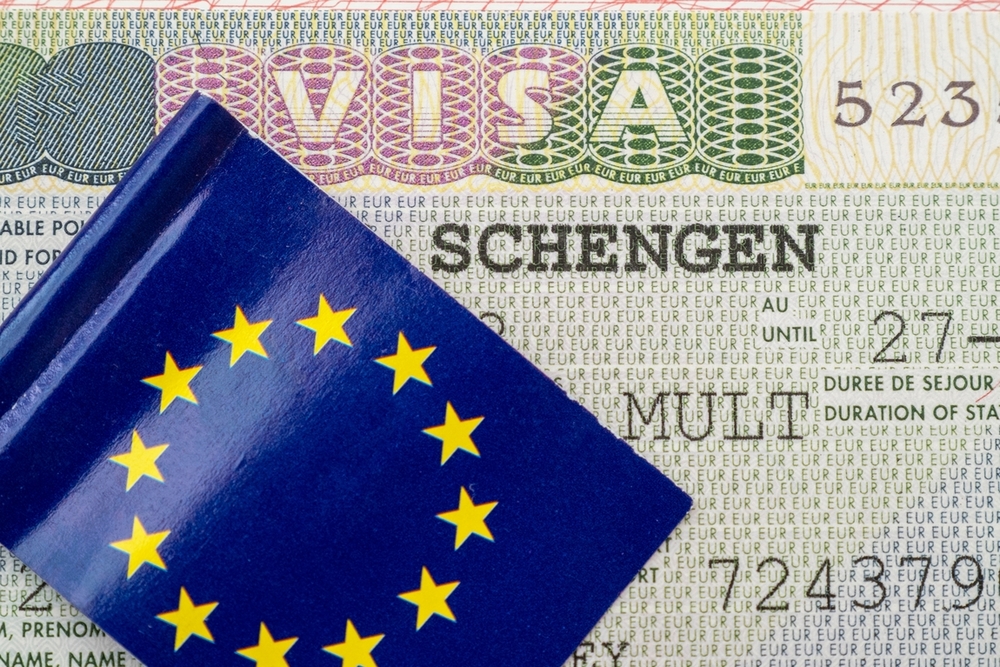
However, the Malaysian government strictly enforces pre-arrival digital registration for all foreign visitors. You must complete the online Malaysia Digital Arrival Card (MDAC) before clearing border control. Failing to submit this form can result in serious boarding denials at the airport terminal.

The mandatory MDAC System explained

Understanding how the digital system operates prevents unexpected administrative stress before your departure. The online platform is straightforward to use.

According to official updates from the Immigration Department of Malaysia, registration is completely free. You must submit your personal data within three days prior to arrival. Do not wait until you land to fill out the digital application form.

Every foreign national arriving by air, land, or sea must register their trip individually. This rule includes young children and infants traveling with their parents. Group submissions are not allowed under the current digital framework.

Only a few specific groups are exempt from the mandatory MDAC registration. These include citizens of Singapore, diplomatic passport holders, and individuals with Malaysian permanent residency. If you do not fall into these special categories, you must submit your form online.

Essential Border checklist

Having your paperwork fully prepared prevents unnecessary delays during your international airport clearance. Border officers check your documents thoroughly upon arrival.

  • A physical passport valid for at least six months beyond your departure date.
  • A confirmed return or onward physical flight ticket out of the country.
  • A digital or printed copy of your approved MDAC confirmation email.
  • Proof of a confirmed hotel reservation or local accommodation address.

Sometimes, immigration officers conduct random financial spot checks on arriving tourists. Travelers may be asked to show proof of sufficient travel funds for their intended stay. Carrying a valid credit card or showing your online banking balance easily satisfies this requirement.

Using the automated autogates

Malaysia has expanded its automated self-service gates to streamline the arrival process for global tourists. This update helps reduce long wait times at busy airport terminals.

Travelers from over 60 countries can now utilize the automated autogates at Kuala Lumpur International Airport. This list includes eligible citizens from the US, UK, EU, and Australia. Using the autogates allows you to skip the manual immigration queues entirely.

First-time visitors must still clear immigration through a manual counter to register their biometric fingerprints. Once this initial registration is complete, you can use the Autogates freely on all subsequent visits. This system makes entering and exiting the country incredibly fast and efficient.

trip to Malaysia

Is travel insurance highly recommended for traveling around Malaysia?

Quick answer: Yes, securing comprehensive travel insurance is essential for covering high-cost private medical care, sudden trip cancellations, and baggage loss.

Malaysia is universally recognized as a safe and highly developed country for global tourism. However, unpredictable emergencies, sudden illnesses, and physical accidents can happen to anyone at any time. Your standard domestic health insurance plan will not cover medical costs overseas.

Private healthcare clinics in major cities like Kuala Lumpur offer exceptional world-class treatments. However, these premium private medical facilities charge foreign tourists very high out-of-pocket rates. A sudden medical issue can quickly drain your vacation budget if you are unprotected.

According to health travel advisories from the U.S. Department of State, rural healthcare access can be limited. If you face a severe medical emergency while exploring remote jungle trails, costs rise fast. Emergency medical evacuation back to a major city requires specialized transport that costs thousands of dollars.

Handling tropical health risks abroad

A sudden tropical illness can quickly transform your dream holiday into a stressful financial crisis. Understanding local health risks helps you stay prepared.

Changing food environments can sometimes cause severe stomach issues or dehydration for international tourists. If you require overnight hospitalization, medical bills accumulate rapidly. Having top-tier traveler protection ensures you receive quality medical care without worrying about the cost.

Common travel risks in MalaysiaPotential financial impact
Foodborne Illness / DehydrationVery high private clinic fees
Lost baggage by regional airlinesHigh cost to replace gear
Severe tropical Monsoon delaysNon-refundable hotel losses
Emergency jungle evacuationExtremely expensive logistics
Malaysia travel insurance

When is the best time of year to plan a trip to Malaysia?

Quick answer: The ultimate time to visit depends entirely on which coast you plan to explore. Summer is perfect for the East Coast, while winter suits the West Coast.

Malaysia experiences a warm, tropical climate with high humidity levels throughout the year. Temperatures generally hover between 25°C and 32°C in low-lying areas. The highlands offer cooler temperatures for travelers seeking relief from the heat.

Two distinct monsoon seasons influence the country’s weather patterns at different times. The northeast monsoon brings heavy rain from November to March, while the southwest monsoon occurs from May to September. This seasonal split means one side of the country is always enjoying great weather.

The sunny summer months on the East Coast

If you are planning a summer vacation between June and August, head straight to the eastern islands. This region experiences its best weather during these months.

The East Coast islands enjoy clear blue skies, calm waters, and minimal rainfall during the summer. This excellent weather creates perfect conditions for scuba diving, snorkeling, and sunbathing. Water visibility around marine parks is outstanding during this peak season.

In contrast, the winter monsoon brings heavy downpours to the East Coast. Most island resorts and ferry services close completely between November and February due to rough seas. Always avoid planning beach holidays to the East Coast during the winter months.

Exploring the scenic West Coast and cultural hubs

If you prefer traveling during the winter months, the West Coast offers a fantastic alternative. This region remains well-sheltered from the harshest monsoon winds.

Destinations like Penang, Langkawi, and Malacca enjoy lovely weather between January and March. You can explore historic streets, vibrant night markets, and ancient temples with minimal rainfall. The afternoons remain hot, but refreshing sea breezes make sightseeing very comfortable.

Region of MalaysiaIdeal months to visitGeneral weather conditions
East Coast Islands (Tioman, Perhentian)June to August (Summer)Dry, sunny, calm seas, ideal for diving.
West Coast Towns (Penang, Langkawi)January to MarchMostly sunny, minimal rain, warm breeze.
Borneo Rainforests (Sabah, Sarawak)May to SeptemberModerate rainfall, great for wildlife viewing.

Unexpected tropical rain showers can still happen during the designated dry seasons. Sudden downpours can occasionally cause local transportation delays or minor schedule adjustments.

travel to Malaysia

Can I use credit cards everywhere in Malaysia, or do I need cash?

Quick answer: Credit cards and mobile e-wallets are widely accepted in modern cities. However, carrying physical cash is mandatory for night markets, small vendors, and remote islands.

The official currency of the nation is the Malaysian Ringgit (MYR). Exchange rates fluctuate daily depending on global financial market movements. Always check a live conversion application on your phone before departing to ensure accurate budgeting.

As of summer 2026, 1 Euro converts to approximately 4.68 Ringgit. 1 US Dollar converts to roughly 4.05 Ringgit. This favorable exchange rate makes Malaysia an incredibly cost-effective destination for Western travelers.

Cards, e-wallets, and cash guidelines

Malaysia features a highly advanced digital financial infrastructure across its major metropolitan areas. Contactless payments are standard in modern establishments.

You can comfortably use your credit cards at major shopping malls, boutique hotels, and upscale restaurants. Local e-wallets like Touch ‘n Go are also popular for transit payments and convenience store purchases. Most urban transactions can be completed digitally.

However, physical cash remains absolutely essential once you step outside major urban zones. Traditional street food stalls, rural market vendors, and island boat operators do not accept digital cards. Always carry a secure supply of small-denomination Ringgit banknotes.

ATM availability and smart banking tips

Finding cash is easy thanks to a reliable network of automated teller machines across the country. ATMs are located at all international airports and commercial banks.

Top Malaysian Banks for travelersATM reliabilityCard acceptance
Maybank (yellow logo)Excellent / NationwideVisa, Mastercard, Plus, Cirrus
CIMB Bank (red logo)Excellent / Major CitiesInternational Networks Supported
Public BankVery good / Urban centersReliable for Global Debit Cards
Hong Leong BankGood / Commercial zonesStandard International Processing

Always notify your domestic bank about your international travel plans before flying to Malaysia. This simple step prevents your debit or credit cards from being blocked for suspicious overseas activity. It is also wise to carry a backup card from a separate account.

Top destinations to visit in Peninsular Malaysia

Quick answer: Peninsular Malaysia offers an incredible mix of urban luxury, historical charm, and ancient nature. The top spots include Kuala Lumpur, Taman Negara, and Tioman Island.

Peninsular Malaysia is highly accessible for all travelers. It features a great highway network and excellent public transport. You can easily travel from ultra-modern cityscapes to pristine tropical islands within a few hours.

Kuala Lumpur: Urban exploration and iconic modern skyscrapers

The capital city of Kuala Lumpur is a dynamic metropolis that beautifully showcases Malaysia’s unique identity. It blends ultra-modern design with deep historical roots.

The iconic Petronas Twin Towers dominate the city’s impressive skyline. Visitors can walk across the breathtaking Skybridge connecting the two massive structures. Nearby, the Kuala Lumpur Tower offers magnificent panoramic views across the entire valley.

Just outside the city center lie the magnificent Batu Caves. This sacred Hindu site features a massive golden deity statue standing next to 272 vibrant, multi-colored stairs. Climbing the stairs leads you into deep limestone caverns filled with historic shrines and playful wild monkeys.

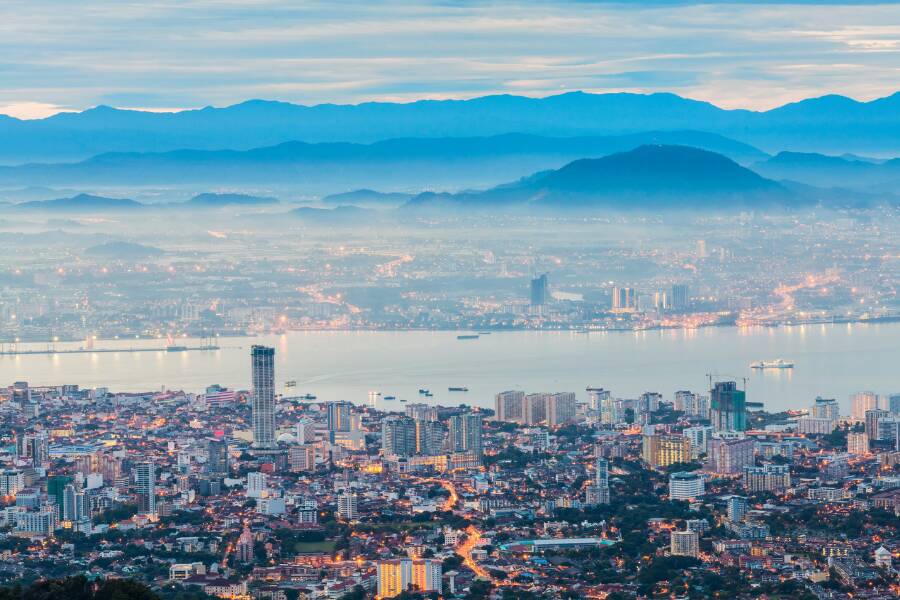
Kuala Lumpur

Taman Negara National Park: Ancient rainforest adventures

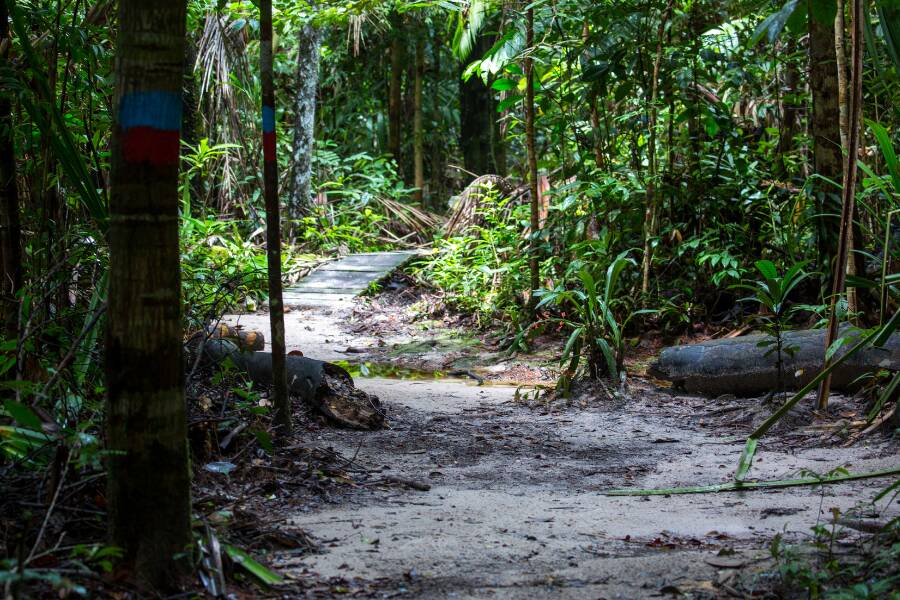
Taman Negara is a paradise for nature enthusiasts seeking an authentic eco-tourism experience. This protected reserve houses one of the oldest tropical rainforests on Earth.

Scientific estimates suggest this massive jungle ecosystem has thrived undisturbed for over 130 million years. Visitors can experience the famous Canopy Walkway suspended high above the jungle floor. This unique vantage point allows you to spot exotic birds, wild monkeys, and rare tropical plants. Deep jungle trekking, night safaris, and rapid-shooting river boat rides are highly popular activities here.

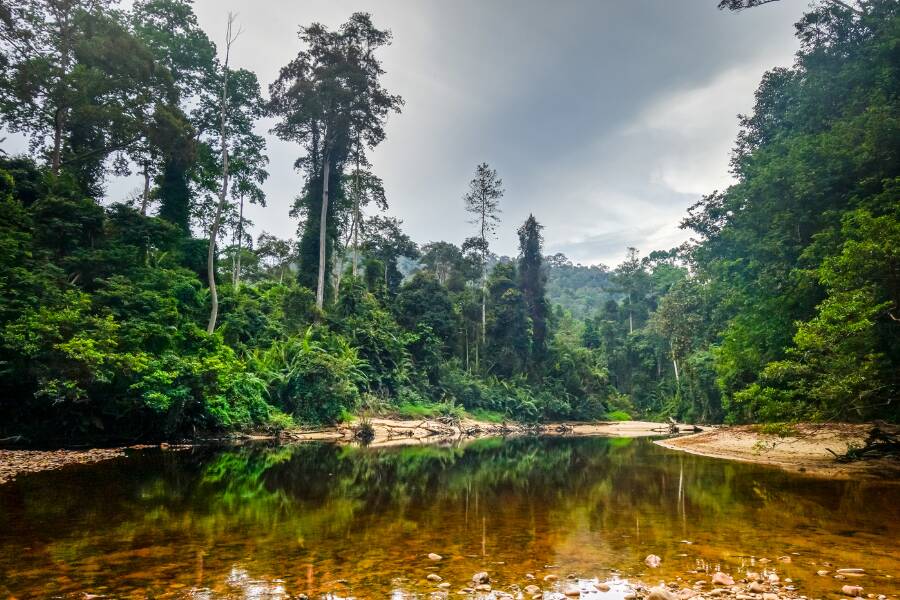
Taman Negara National Park

Tioman Island: Tropical marine life and peaceful fishing villages

Tioman Island is a stunning nature reserve located off the eastern coast of Peninsular Malaysia. It offers a peaceful escape from busy city life.

The island is famous for its dramatic jungle terrain surrounded by pristine white-sand beaches. The surrounding ocean waters are designated marine sanctuaries filled with colorful coral reefs, sea turtles, and diverse fish species. It is a world-class destination for scuba diving and snorkeling enthusiasts.

Away from the beaches, visitors can explore traditional Malay fishing villages like Juara and Air Batang. These quiet communities offer an authentic look into local coastal lifestyles. The relaxed atmosphere makes it the perfect place to unwind at the end of your trip.

Top destinations to visit in Malaysian Borneo

Quick answer: Malaysian Borneo provides an untamed playground for outdoor enthusiasts and wildlife lovers. It is world-famous for unique wildlife, high peaks, and massive cave networks.

Malaysian Borneo consists of two large states, Sabah and Sarawak. This massive region appeals to travelers who love raw nature and indigenous cultures. It is the ultimate place to see rare wildlife in their natural habitats.

Kota Kinabalu and Gaya Island: Coastal charm and turtle sanctuaries

Kota Kinabalu serves as the vibrant coastal capital of Sabah in Malaysian Borneo. It provides the perfect blend of modern amenities and wild natural beauty.

The city is world-famous for its spectacular ocean sunsets, which can be viewed from the lively waterfront markets. It also serves as the main transit hub for exploring the islands of the Tunku Abdul Rahman Marine Park. These nearby islands offer beautiful beaches and clear waters just minutes from the city.

Gaya Island features dense interior rainforests, luxury eco-resorts, and an active marine turtle rehabilitation sanctuary. Visitors can participate in guided eco-tours to learn about local marine conservation efforts. You can also kayak through peaceful mangrove forests or snorkel over protected coral gardens.

Kota Kinabalu

Kinabalu National Park: Hiking the high peak of Mount Kinabalu

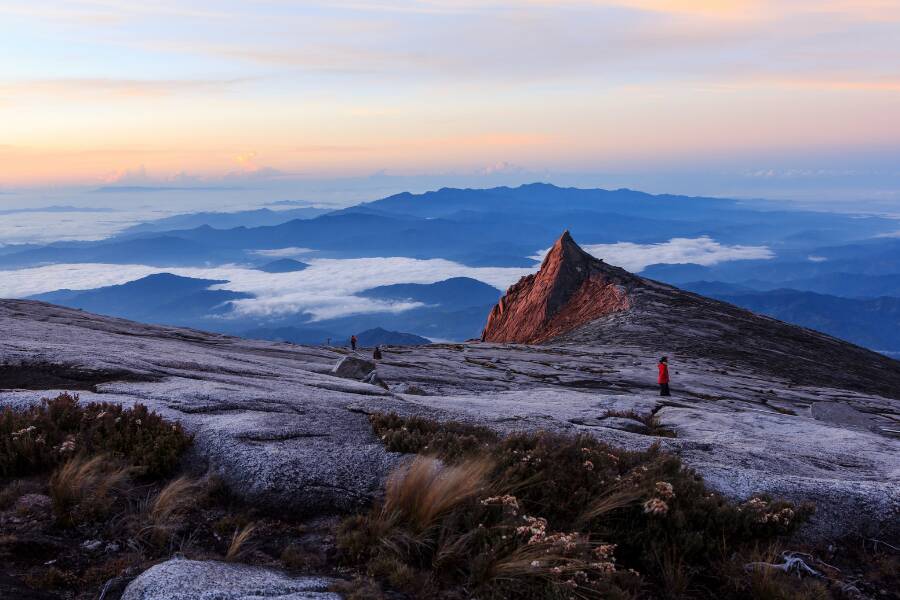
Kinabalu National Park is a designated UNESCO World Heritage Site located in the highlands of Sabah. It is home to the majestic Mount Kinabalu.

Rising to an impressive elevation of 4,095 meters, Mount Kinabalu is one of the highest peaks in Southeast Asia. The mountain trail takes hikers through distinct ecological zones, from lush tropical jungles to barren alpine rock faces. Reaching the summit at sunrise offers an unforgettable panoramic view.

The park is also celebrated for its incredible plant diversity, including rare orchids and giant carnivorous pitcher plants. Hiking this high-altitude terrain requires good physical fitness and proper preparation. Altitude sickness and sudden trail slips can happen even to experienced mountain climbers.

Mount Kinabalu

Mulu National Park: Exploring spectacular limestone caves

Located deep within the state of Sarawak, Mulu National Park is another world-famous UNESCO World Heritage Site. It is renowned for its dramatic limestone karst formations and massive cave networks.

The park contains the spectacular Sarawak Chamber, which is recognized as the largest enclosed cave room on Earth. Visitors can explore the immense Deer Cave, which features a massive opening and houses millions of wild bats. Every evening, visitors gather to watch these bats exit the cave in giant, swirling clouds.

Reaching Mulu requires taking a small regional turboprop flight, as there are no roads connecting it to major cities.

Mulu National Park

Practical local advice and cultural safety tips

Quick answer: Staying safe in Malaysia requires respecting local cultural traditions, dressing modestly at religious sites, and utilizing modern ride-hailing apps to navigate cities.

Malaysia is generally a very safe and welcoming country for international tourists. However, understanding local laws and social etiquette ensures you avoid unnecessary complications. Following basic safety tips helps you enjoy a smooth vacation.

Dress code and respecting cultural traditions

Malaysia is a multicultural country where religious traditions are deeply respected by the local population. Visitors should always dress modestly when exploring public areas outside of beach resorts.

Ensure your shoulders and knees are fully covered when entering sacred mosques, Hindu shrines, or Buddhist temples. Many religious sites provide complimentary robes or sarongs at the entrance for tourists. Always remove your shoes before entering a local home or a place of worship.

Food customs and alcohol availability

Malaysian street food is exceptionally delicious and generally safe to eat for international tourists. Because Islam is the official religion, the vast majority of local restaurants serve certified halal food.

Pork dishes are not served in Malay establishments but are widely available inside Chinese restaurants. You can also find pork products in designated non-halal sections of local supermarkets. Feel free to enjoy the diverse culinary options safely and respectfully.

Alcoholic beverages are widely available to international tourists in bars, hotels, and convenience stores across major cities. However, be aware that the government maintains high excise duties on alcohol outside of duty-free zones. Islands like Langkawi and Tioman are entirely duty-free, making beverages very inexpensive there.

Transit safety and avoiding common taxi scams

In Malaysia, traffic moves on the left side of the road, following the classic British system. Major highways are excellently maintained but require electronic toll cards like Touch ‘n Go for payment.

Transit optionSafety ratingCost profileBest used for
Grab App (Ride-hailing)Excellent / SafeAffordable / FixedCity travel & airport transfers
LRT / MRT (Metro trains)Excellent / ModernVery cheapNavigating Kuala Lumpur traffic
Street taxisVariable / CautionRisk of overchargingShort trips (Insist on using the meter)
Express busesGood / ReliableCheapTraveling between major cities

To completely avoid rare taxi meter scams around transit hubs, always use the Grab smartphone application. Grab is Southeast Asia’s premier ride-hailing service, offering transparent, fixed pricing before you step into the vehicle. It provides a secure, tracked method for navigating major cities safely.

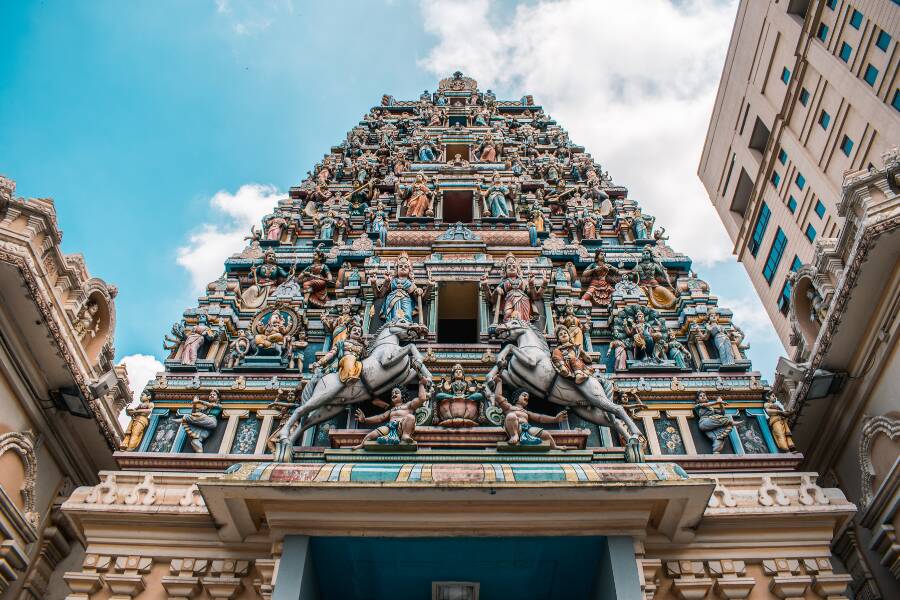
Temples in Malaysia

Travel safe to Malaysia with Heymondo

A summer journey to Malaysia promises breathtaking natural landscapes, rich cultural encounters, and legendary culinary adventures. Whether you climb Mount Kinabalu or relax on Tioman Island, proper preparation is the secret to a successful vacation.

Unexpected medical emergencies, sudden flight cancellations, or misplaced luggage should never be allowed to ruin your dream trip. Investing in a reliable insurance plan ensures your health and your vacation finances remain fully protected.

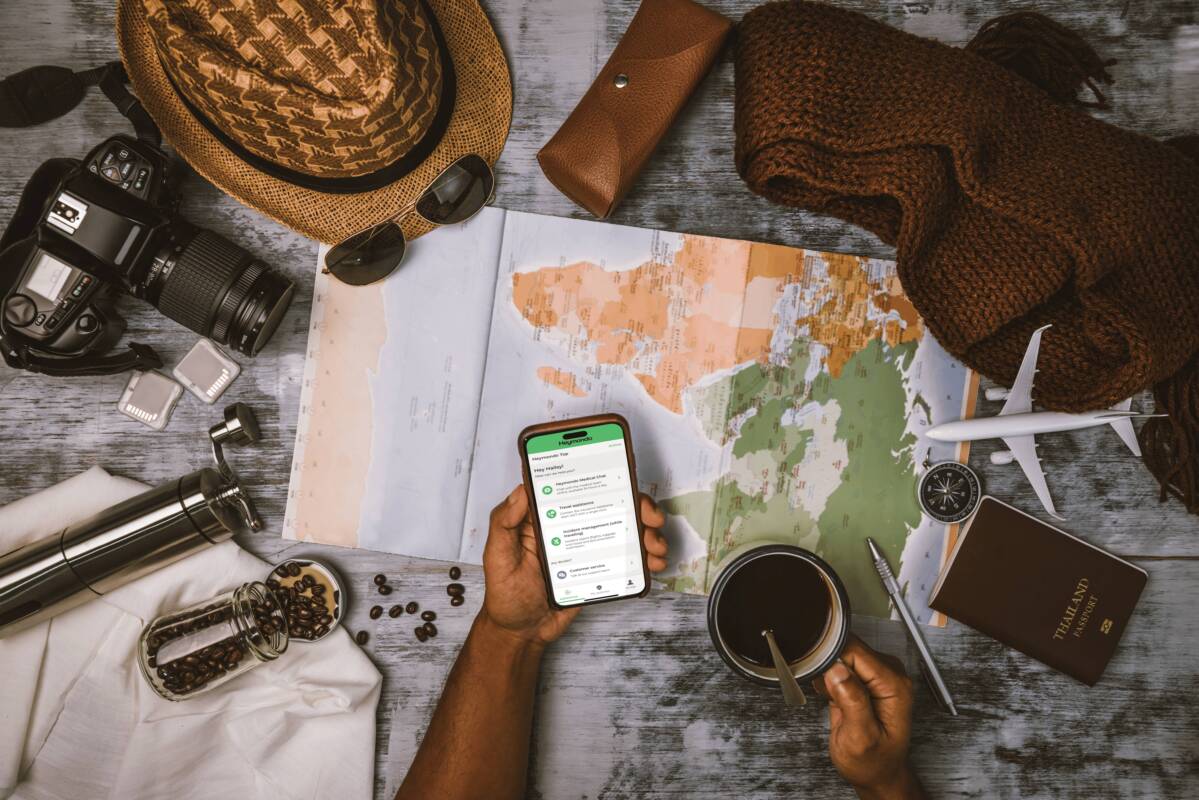
Don’t forget that having travel insurance like Heymondo can help you enjoy your adventure with total peace of mind. Our intuitive mobile application keeps expert emergency assistance right in the palm of your hand, 24 hours a day.

Get your travel insurance now!

Featured stories