Last updated: July 2026
Panama is generally a safe and straightforward destination to explore, but safety conditions depend entirely on where you step. While millions of travelers visit each year to see the Panama Canal, hike through Boquete, or relax in the San Blas Islands without any issues, navigating the country requires understanding street-level boundaries rather than relying on broad national statistics.
For most international visitors, standard travel precautions are enough. However, urban neighborhood shifts happen quickly, and remote regions carry logistical realities that require advance planning.
Index
Official Travel Advisories and Current Status
The U.S. Department of State Travel Advisory currently classifies Panama at a Level 2 Travel Advisory, advising visitors to maintain basic situational awareness regarding localized street crime in localized urban areas.
The vast majority of tourist corridors operate under typical, safe conditions. However, official advisories maintain strict Level 4 “Do Not Travel” warnings for two specific remote zones:
- The Darién Region south of Metetí, stretching to the Colombian border, due to active criminal networks and minimal emergency response services.
- The Mosquito Gulf along the remote Caribbean coast, spanning from Boca de Río Chiriquí to Coclé del Norte.
For standard vacation itineraries, these restricted border zones are nowhere near popular travel routes like Panama City, Bocas del Toro, or the Chiriquí Highlands. American travelers can also register their trip details with the State Department’s Smart Traveler Enrollment Program (STEP) to receive automatic safety alerts on their phone during their trip.
Panama City Safety: Navigating Street Boundaries
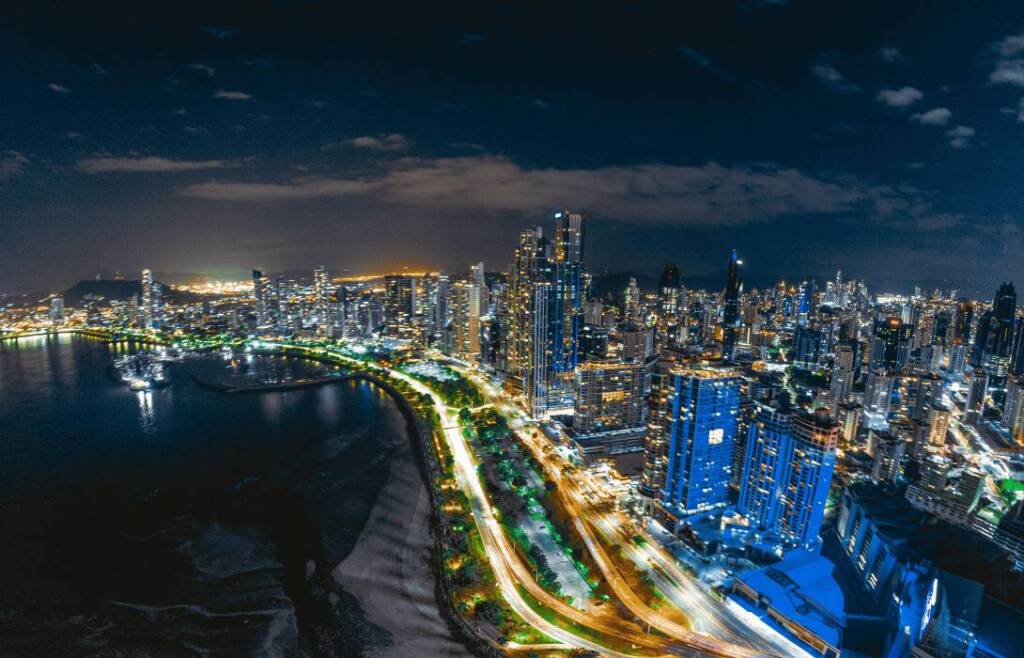
The biggest safety mistake travelers make in Panama City is assuming that safe areas and high-risk neighborhoods are separated by clear markers. In reality, the capital’s street boundaries shift within a single block, often without any physical barrier indicating a change in environment.
| District Type | Neighborhood Name | Local Safety Context |
| Safe & Recommended | Casco Viejo, El Cangrejo, Marbella, Punta Pacífica, San Francisco | High police presence, well-lit avenues, modern infrastructure, active dining and commercial hubs. |
| Exercise Caution / Avoid | El Chorrillo, Curundú, Calidonia, San Miguelito District, Santa Ana | Transitions between safe and risky blocks are abrupt. Walking from Casco Viejo into El Chorrillo happens in just two blocks. Stick to Ubers after dark. |
The historic district of Casco Viejo is heavily patrolled and safe, but walking just two blocks west puts you directly into El Chorrillo, a high-crime neighborhood where tourists should not wander.
To avoid accidental detours after dark, stick to ride-hailing apps like Uber for door-to-door transit between neighborhoods rather than walking across district borders.
Regional Safety Across Panama
Safety outside the capital is generally high, though different environments call for different types of awareness.
Boquete and the Chiriquí Highlands
Located at 3,900 feet, Boquete is a peaceful mountain town popular for coffee tours and forest hikes. While violent crime here is nearly non-existent, weather in the cloud forests changes fast, and trail markings can be faint around Volcán Barú. Hikers should hire a licensed local guide before heading into deep forest trails.
Bocas del Toro
This island province is widely visited for beaches and water sports. Serious crime against visitors is rare, but opportunistic theft is common. Avoid leaving personal belongings unattended on public beaches or outside open-air bars, and stick to licensed water taxis when traveling between islands after dark.
Guna Yala (San Blas Islands)
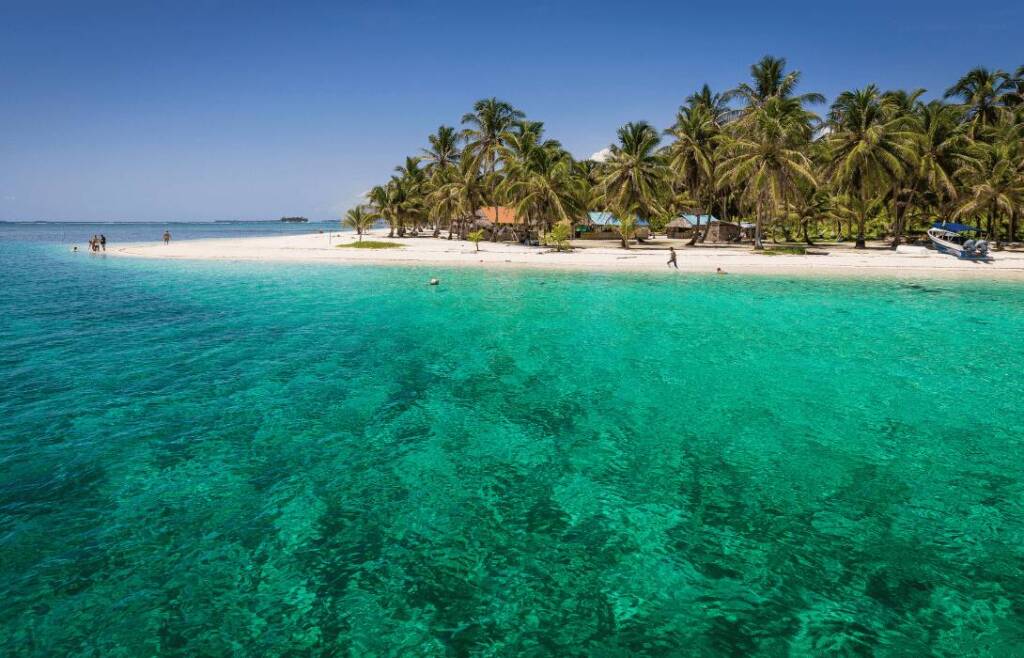
Governed autonomously by the indigenous Guna people, this archipelago is exceptionally peaceful. However, infrastructure is minimal, cell service is spotty, and basic medical facilities are hours away by boat and road.
When traveling to remote island archipelagos like San Blas, ensure you have reliable logistics in place in case you need medical attention back on the mainland.
Health, Water, and Climate Guidelines
Panama maintains high healthcare standards in major urban centers, but everyday habits should shift depending on where you are in the country.
- Sun and Heat: Sitting close to the equator, Panama stays hot and humid year-round, with daily temperatures easily topping 90°F. Pack high-SPF sunscreen and stay hydrated throughout the day.
- Tap Water: Drinking tap water is completely safe in Panama City, Boquete, and most developed cities. In rural areas, smaller towns, and island provinces like Bocas del Toro, stick to bottled or filtered water.
- Insect-Borne Illnesses: The CDC Travel Health Guidance for Panama confirms there is no malaria risk in Panama City or near the Canal Zone. However, mosquito-borne illnesses like dengue fever occur throughout tropical areas, so wearing insect repellent containing DEET or Icaridin is essential during daytime outings.
Is Travel Insurance Recommended for Panama?
While travel insurance is not a mandatory entry requirement for tourists in Panama, it is strongly recommended for all international visitors. Panama City boasts world-class private hospitals (such as Hospital Punta Pacífica, affiliated with Johns Hopkins Medicine). However, these private facilities expect payment upfront or immediate proof of valid international insurance before admission. Public healthcare facilities outside the capital can be limited, and language barriers are common.
A comprehensive policy for Panama should specifically cover:
- Medical Evacuation: Essential if you plan to visit remote archipelagos like Guna Yala (San Blas) or hike deep into the Chiriquí Highlands, where emergency transport back to Panama City can easily run into thousands of dollars out-of-pocket.
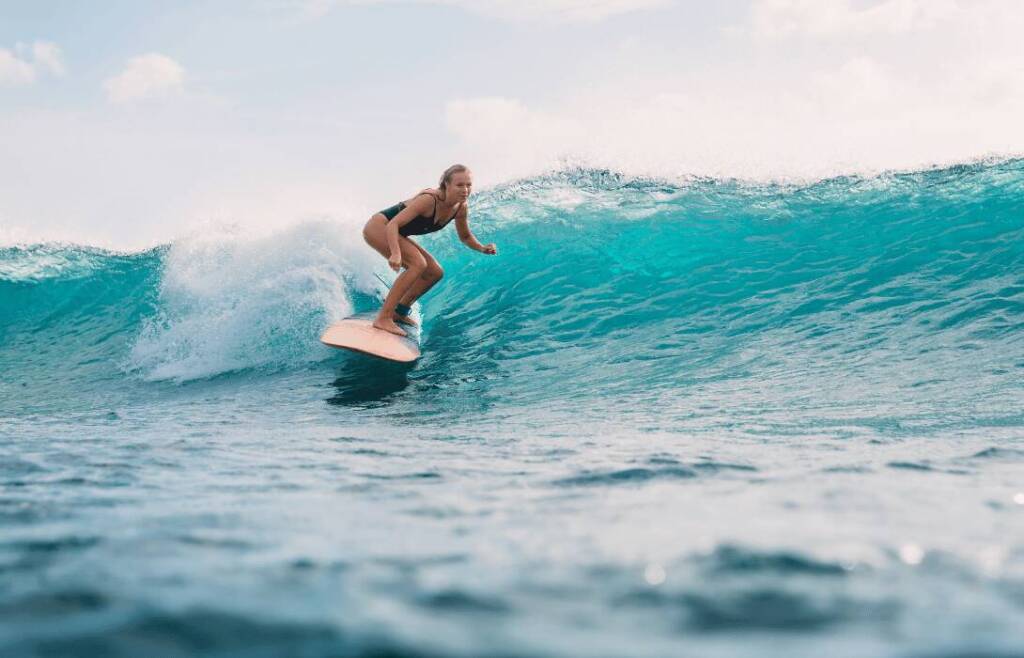
- Adventure Activities: Standard policies often exclude adventure sports. Ensure your coverage includes activities like surfing, zip-lining, or trekking.
- Trip Delays: Panama’s rainy season (May through November) can cause unexpected travel interruptions, localized flooding, or delayed island ferries.

Practical Safety Tips for International Visitors
Once you have your itinerary sorted, day-to-day safety in Panama is less about constant vigilance and more about small, smart habits. Here are a few practical ground rules to keep your trip running smoothly:
- Keep paper copies of your passport with you while exploring, and leave the physical booklet secure inside your hotel room safe.
- Use bank ATMs located inside secure shopping centers or hotel lobbies rather than standalone street kiosks.
- Panama uses the U.S. dollar (USD) alongside the local Balboa at a 1:1 rate, meaning American travelers do not need to exchange currency before arriving.
- Pay attention to surf flags along Pacific and Caribbean beaches, as rip currents can be powerful along unpatrolled stretches of coast.
- Review your insurance policy details before departure to confirm that medical evacuation and planned outdoor activities are fully covered..
Frequently Asked Questions
Here are the quick, straight answers to the most common safety and planning concerns travelers have before heading to Panama:
Is Panama safe for solo female travelers?
Yes, Panama is a welcoming destination for solo female travelers. Standard precautions apply: avoid walking alone down unlit or deserted streets at night, use ride-hailing apps for late-night transport, and share your itinerary details with someone back home.
Is it safe to drive a rental car in Panama?
Driving in Panama City can be stressful due to heavy traffic and unpredictable lane switches. However, long-distance driving on major routes like the Pan-American Highway to Boquete or Coronado is simple. Just avoid driving rural highways after dark, as unlit stretches and unannounced potholes are common.
What entry rules apply to U.S. citizens?
U.S. citizens must hold a valid passport with at least three months of validity remaining beyond their planned departure date, along with proof of onward or return travel. Tourist visas are not required for stays under 90 days.
Plan Your Trip with Peace of Mind
Panama combines world-class nature, rich history, and modern convenience. By keeping street-level boundaries in mind and planning around regional infrastructure, you can experience everything the country has to offer safely and smoothly.
Adding reliable travel insurance to your trip planning gives you a safety net for sudden flight disruptions, lost belongings, or unexpected health needs, leaving you free to focus on your trip.
Featured stories