If you are hoping to catch the aurora borealis, the 2026-2027 season presents the best viewing opportunity in over a decade. Thanks to the current solar maximum, intense magnetic activity will continue throughout the winter and well into 2027, transforming the night sky into an unforgettable visual display.
To help you choose the perfect destination, we have grouped these locations by travel style and accessibility. Whether you are leaning toward the bustling streets of an Arctic city or the quiet isolation of a remote cabin, your choice will completely shape how you prepare for extreme winter conditions. Here is everything you need to know for your upcoming adventure.
Index
Accessible Aurora Hubs
Do you want to experience the Northern Lights without giving up modern comforts? These hubs offer easy access to international airports and serve as fantastic starting points for your adventure.
Tromsø, Norway
- Best time of the year to see them: From late August to early April.
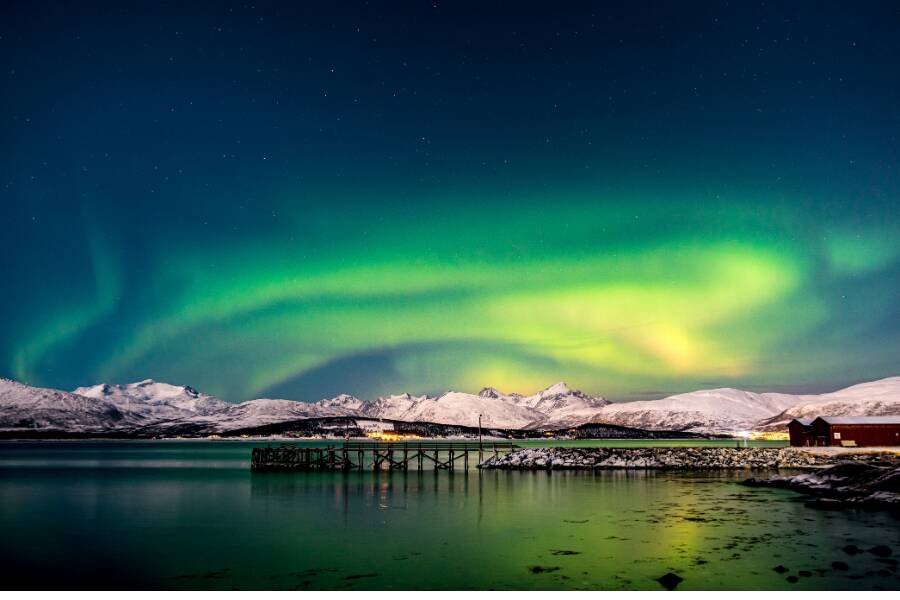
Sitting far above the Arctic Circle, Tromsø is widely considered the unofficial capital of the aurora. It provides a fantastic starting point for your adventure, featuring direct flights from major European cities, excellent infrastructure, and a vibrant local food scene. Thanks to the Gulf Stream warming the coast, the climate remains relatively mild for the Arctic, with winter temperatures typically hovering around 25 degrees Fahrenheit.
Reykjavik, Iceland
- Best time of the year to see them: Between September and March.
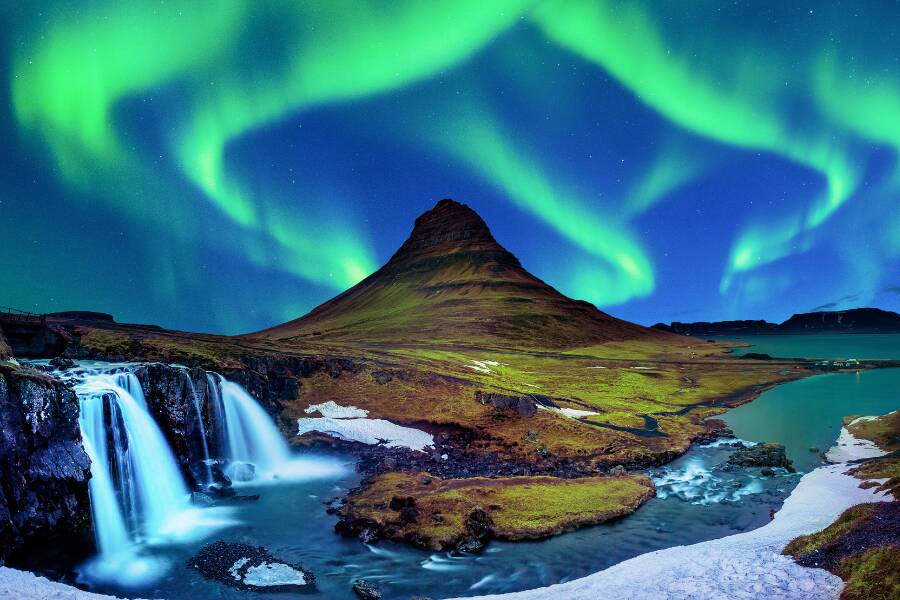
Iceland remains incredibly accessible for travelers coming from the United States, offering frequent direct flights out of many East Coast cities. While you can sometimes catch the lights right from downtown Reykjavik, taking a short drive out to Thingvellir National Park will dramatically improve your chances of a clear viewing. Just keep in mind that Icelandic weather is notoriously volatile, and severe winter storms can roll in without much warning.
Fairbanks, Alaska, USA
- Best time of the year to see them: Between mid-August to mid-April.
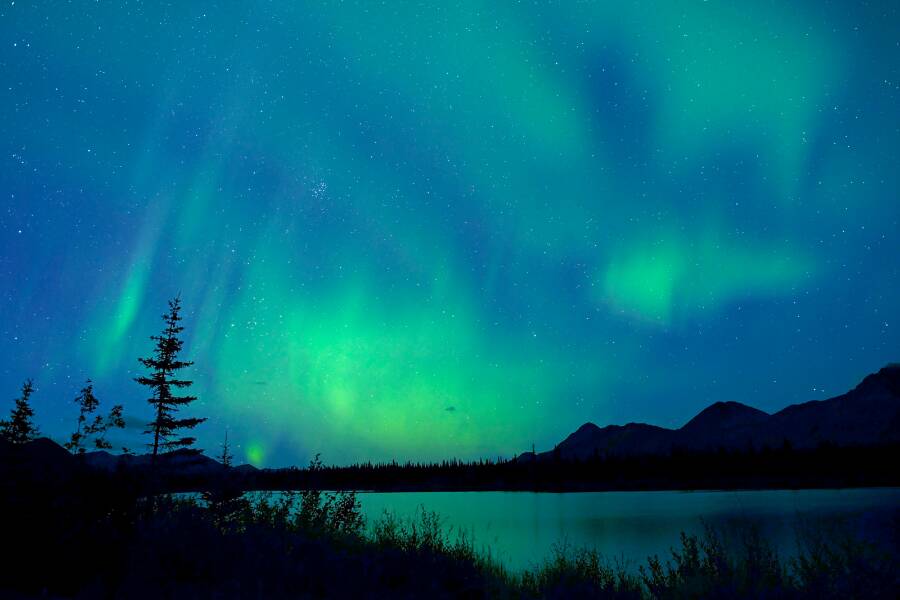
For those who prefer domestic travel, Fairbanks is arguably the premier North American destination. The city sits directly under the auroral oval, ensuring frequent and vibrant displays. Many local hotels even offer dedicated wake-up calls so you do not have to stay up all night waiting. When venturing out, remember to dress in breathable layers rather than relying on one massive coat. Moving between the freezing outdoors and heated vehicles can cause you to sweat, which quickly turns dangerous when you step back into the Arctic chill.
Remote Arctic Wilderness
If you are an adventurous traveler eager to escape city light pollution, these remote destinations offer an unparalleled aurora viewing experience. Stepping into these off-grid locations allows you to experience the profound silence of the Arctic winter, though you will need to prepare carefully for extreme cold and limited services.
Abisko, Sweden
- Best time of the year to see them: Between mid-November to mid-March.
Tucked away in Swedish Lapland, Abisko is home to the famous Blue Hole. This unique patch of sky has a fascinating tendency to remain clear regardless of the surrounding weather patterns. During your visit, you can take a scenic chairlift up to the Aurora Sky Station for a panoramic view. Just be ready to bundle up, as temperatures frequently drop to -4 degrees Fahrenheit.
Svalbard, Norway
- Best time of the year to see them: Between October to February.
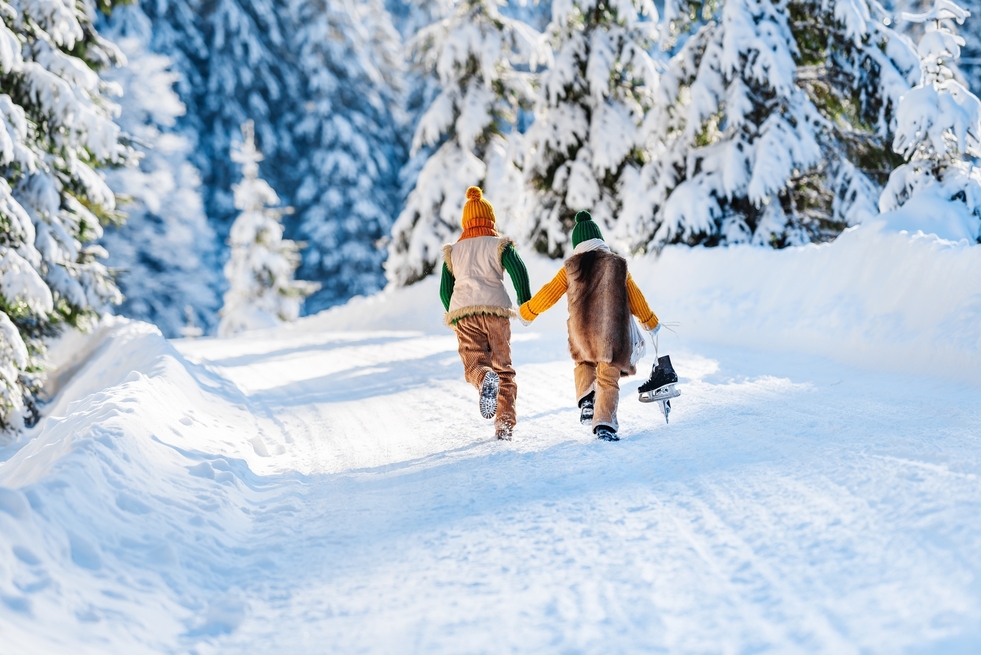
Resting halfway between mainland Norway and the North Pole, Svalbard stands as one of the northernmost inhabited areas in the world. Because the polar night lasts from mid-November to late January, the region stays dark 24 hours a day. This means you can actually witness the Northern Lights during your lunch break. However, this is a true, untamed wilderness where polar bears roam freely. For your safety, local regulations require you to travel with an armed guide whenever you step outside the main settlement of Longyearbyen.
Yukon Territory, Canada
- Best time of the year to see them: Between mid-August to mid-April.
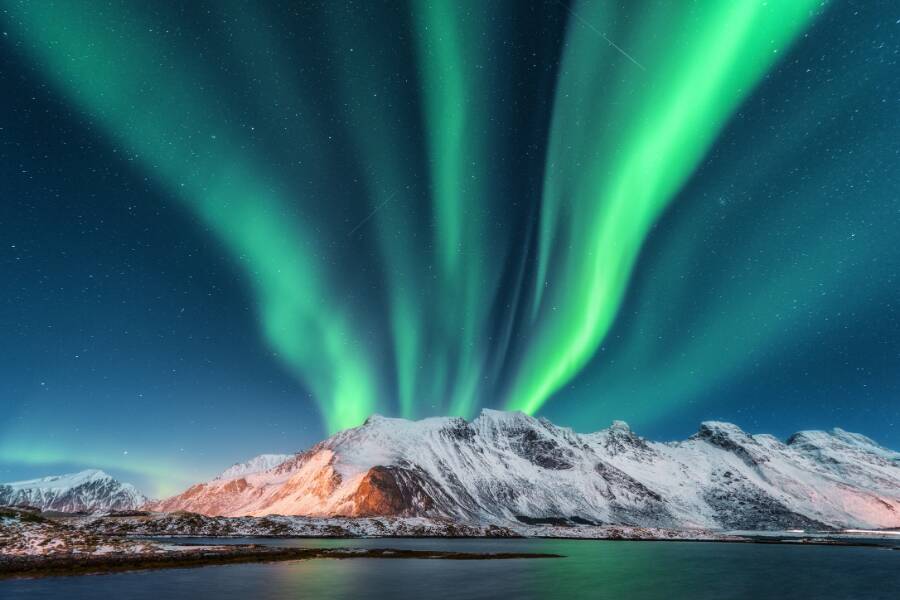
Canada’s vast Yukon Territory provides incredible cabin rentals set against massive, uninterrupted skies. While Whitehorse serves as the main gateway to the region, exploring further by driving the Klondike Highway requires serious winter driving skills. You must ensure your rental car is equipped with studded winter tires and a proper emergency survival kit, as roadside assistance can take hours to reach you if you happen to slide off an icy road.
Essential Preparation For Extreme Winter Conditions
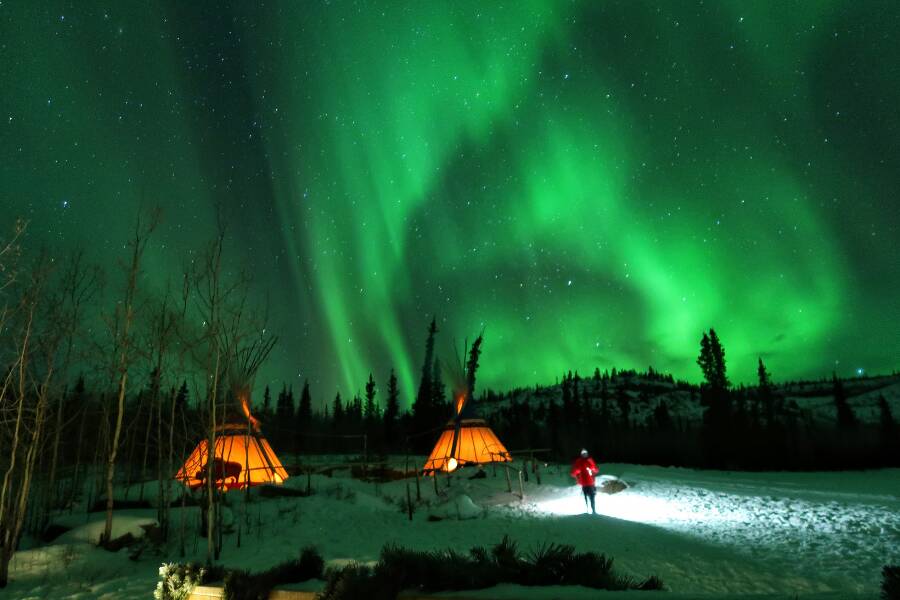
Extreme winter weather introduces a set of unique logistical challenges. To help you focus on enjoying your trip, our team has put together a few recommendations for handling the realities of Arctic travel:
- Plan for severe weather disruptions as heavy snowstorms frequently delay flights and shut down roads.
- Protect your adventure activities by ensuring your insurance policy covers the specific excursions you plan to book.
- Prepare for the physical toll since extreme cold taxes your immune system, making medical and hospitalization coverage essential for accessing local doctors without draining your savings.
- Monitor solar forecasts using mobile apps that track the Kp-index, as a higher index means stronger aurora activity.
- Check cloud cover maps because the lights occur high above the clouds, meaning you will see nothing if the sky is overcast.
- Avoid local light pollution by driving away from city streetlights so the darker skies can make the aurora colors pop.
- Protect your electronics from cold weather, which drains phone and camera batteries rapidly, by keeping spare batteries in your inside pockets.
- Stay warm by wearing multiple layers of wool or fleece and strictly avoiding cotton, which traps moisture and cools you down.
From The Heymondo Claims Team
Surprisingly, one of the most frequent incidents we see with winter travelers is not frostbite, but simple slips and falls on icy, unsalted surfaces. These sudden accidents on frozen sidewalks frequently lead to twisted ankles or fractured wrists, making a visit to a foreign hospital unavoidable. Fortunately, your medical expenses for sudden accidents like slipping on ice can be fully covered up to your policy limit. We highly recommend wearing slip-on ice cleats over your winter boots when walking around town, as even freshly plowed streets can hide invisible black ice.
Frequently Asked Questions
What Is The Best Month To See The Northern Lights In The 2026/2027 Season?
The aurora is technically active year-round, but you need absolute darkness to actually see it. The prime viewing window runs from late September through late March. Because the equinox months of September and March historically show spikes in geomagnetic activity, they are excellent choices for viewing during the 2026-2027 solar maximum.
What Happens If My Northern Lights Flight Is Delayed Due To A Snowstorm?
If heavy snowstorms disrupt your plans, our travel and flight incidents coverage will reimburse your unforeseen accommodation, living, and extraordinary expenses up to the established limit. This applies anytime the departure of your contracted transport is delayed beyond the specific hours stipulated in your policy.
What Should You Do If Severe Weather Cancels Your Aurora Tour?
Because Arctic weather moves incredibly fast, local guides sometimes have to cancel outdoor tours when conditions become unsafe. Fortunately, most excursion operators will rebook you for the next clear night or provide a full refund. We always recommend booking your tours early in your trip so you have a few buffer nights to try again if the weather does not cooperate.
What Should I Pack For An Aurora Hunting Trip?
You must pack high-quality thermal layers along with dependable windproof and waterproof outer jackets. Do not forget to bring insulated boots, thick gloves, and warm beanies to protect your extremities. If you plan on taking photos, a sturdy tripod is absolutely essential for steady night photography.
Can I Track The Aurora Forecast On My Phone?
Yes, there are several specialized aurora forecast apps you can download to your smartphone. While you have a few options to choose from, one we recommend is the KP-index app. These applications track geomagnetic activity using the Kp-index and will provide you with real-time alerts when the lights are likely to appear in your specific area.
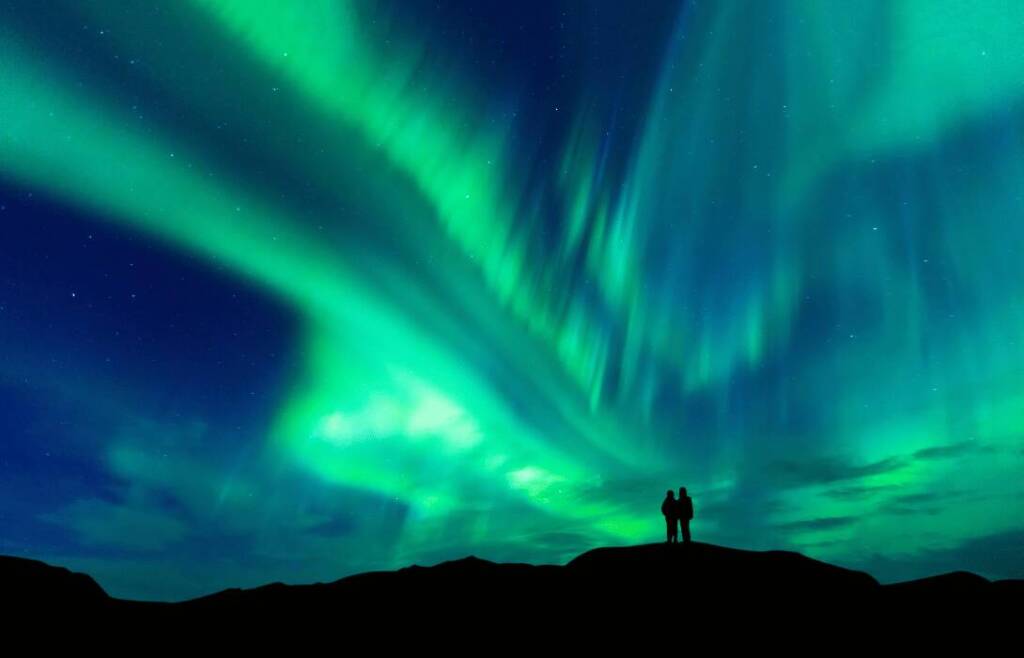
Pack your thermals, keep your eyes on the clear night skies, and step into the winter cold with confidence. With proper planning and reliable protection behind you, you are ready to experience the magic of the aurora borealis with complete peace of mind.
Featured stories