Last Update: August 2026
Known primarily as the economic powerhouse of Brazil, São Paulo also thrives as a lively destination where modern innovation meets deep-rooted history. The city’s diverse culture, attractions, and dynamic atmosphere easily capture the attention of travelers from across the globe. As the largest city in Latin America, São Paulo offers us an alluring mix of contemporary architecture, a flourishing art hub, and a delightful culinary scene. All these interesting neighborhoods continuously invite exploration.
In this guide, we will walk you through the must-see attractions that make São Paulo one of the most popular cities in South America.
Index
What to See in São Paulo?
São Paulo works best when we mix its major landmarks with time spent wandering its local neighborhoods. The city is especially strong for art, food, architecture, and urban culture, so leave room for both museums and unplanned stops.
Museu de Arte de São Paulo
Set on Avenida Paulista, MASP is famous for Lina Bo Bardi’s suspended red-and-glass building. The art inside is just as compelling. Its collection brings together Brazilian and international works of art, with artists ranging from Rembrandt and Renoir to Van Gogh and Portinari. Check the official MASP visiting page for current hours, ticket prices, and free-admission windows.
Ibirapuera Park
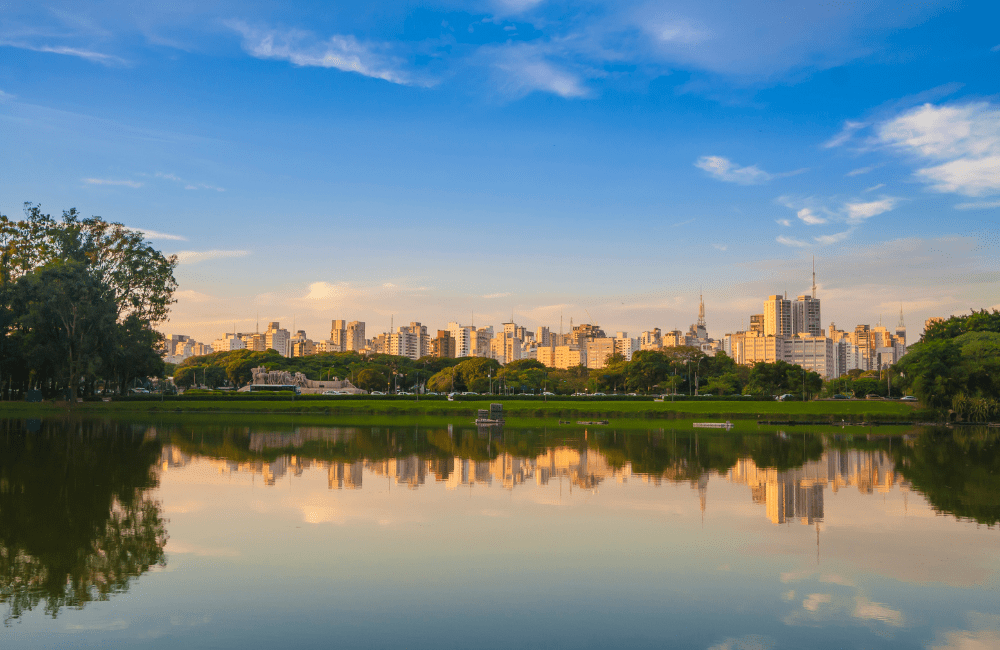
Ibirapuera Park is one of the most important urban parks in the city. Brazilian architects Oscar Niemeyer and Roberto Burle Marx are the brilliant minds behind this beautiful space. It first opened to the public in 1954 and has since offered a tranquil spot for anyone looking for a quiet escape away from the busy city life. With its beautiful green spaces, jogging paths, and cultural centers, Ibirapuera Park is a popular spot for us to relax, unwind, or enjoy outdoor activities.
Mercado Municipal
The Mercadão serves as a sensory introduction to São Paulo’s food culture. Stalls overflow with tropical fruit, cheeses, spices, meat, seafood, and imported products. Upstairs and around the counters, you will find plenty of places to eat. Two classics associated with the market are the oversized mortadella sandwich and pastel de bacalhau, a savory cod-filled pastry. The market gets busy, so we recommend comparing menus and prices before ordering. Wander the stalls first and decide where you want to eat afterward.
Avenida Paulista
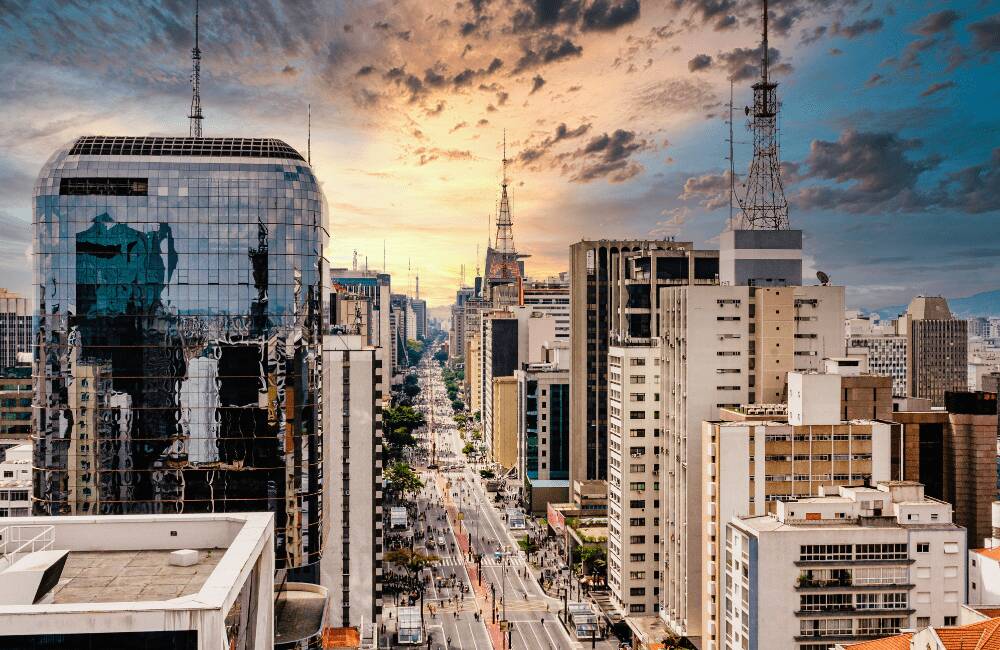
Situated at the heart of the city, Avenida Paulista is a major fare that proudly showcases local urban life. It is known for its financial and cultural significance, alongside iconic skyscrapers and a busy atmosphere. The avenue is lined with museums, cultural centers, shopping malls, restaurants, and a lively nightlife scene with live music. It is also a popular spot for public events, parades, and celebrations.
Travel Tip: If your trip includes a Sunday, check the city’s Ruas Abertas program. Avenida Paulista regularly becomes pedestrian-only on Sundays. Music, food, exercise, and street performances take over the avenue.
Beco do Batman
Beco do Batman, or Batman Alley, is a compact network of mural-covered lanes in Vila Madalena. The art changes constantly here. Instead of searching for one famous wall, take time to see how different artists use the space. We suggest going earlier in the day if you prefer fewer crowds.
Museu Afro Brasil
Located inside Ibirapuera Park, the Museu Afro Brasil Emanoel Araujo explores African and Afro-Brazilian art, history, religion, memory, and identity. Its collection includes more than 8,000 works. That incredible volume makes it one of the city’s most important cultural institutions. See the museum’s official website for current exhibitions and visitor information.
Vila Madalena
This neighborhood offers another beautiful collection of street art that is guaranteed to impress. Sharing a similar visual style to Beco do Batman, the Vila Madalena neighborhood is famous for its bohemian and artistic atmosphere. It is an eclectic area filled with colorful street murals, trendy boutiques, and lively nightlife. The neighborhood is also home to numerous art galleries, cozy cafes, and unique restaurants. Vila Madalena is a popular destination for both locals and tourists looking to experience São Paulo’s creative energy.
Liberdade
Liberdade features strong Japanese, Chinese, and Korean cultural influences, but its history is broader and more complex. Today, visitors come for the markets, specialty stores, bakeries, restaurants, and distinctive street details. It pairs perfectly with a central São Paulo day trip and feels completely different from Paulista or Vila Madalena.
Is São Paulo Brazil Worth Visiting?
São Paulo is definitely worth visiting, and for good reasons. As one of the largest and most diverse cities in the world, it offers a unique cultural experience. The city boasts a dynamic art scene, with countless museums, galleries, and street art displays showcasing a wide range of artistic styles.
The city is a paradise for food lovers, with an incredible variety of restaurants that offer local Brazilian dishes and international cuisine.
Beyond its cultural and culinary offerings, São Paulo features an impressive array of architectural landmarks. You will find historic buildings, modern skyscrapers, and charming neighborhoods like Liberdade.
São Paulo is also a music hub, a nightlife center, and a major entertainment space. It bursts with live music spots, busy nightlife districts, and an array of cultural events and festivals throughout the year.
While São Paulo’s sheer size and energy can feel overwhelming at first, the cosmopolitan atmosphere, friendly locals, and rich cultural landscape make it an incredibly rewarding destination. If you are drawn to art, food, architecture, or want to immerse yourself in the rhythms of urban Brazil, you will find São Paulo well worth your time.
What Is São Paulo Best Known For?
São Paulo is best known for its size, economic influence, multicultural population, restaurant scene, museums, architecture, and nightlife. Migration has shaped the city for generations, and we can see that influence clearly in its food and neighborhoods.
For travelers, there is no single São Paulo experience. The city can be a museum weekend, a food trip, or a nightlife break. It can also serve as a great base for exploring contemporary Brazilian culture.
Are Two Days Enough in São Paulo?
Two days are enough for a first taste, but three or four days feel much less rushed. On a short stay, spend one day around Avenida Paulista, MASP, and Ibirapuera. Use the second day for the Mercadão, Liberdade, and either Vila Madalena or another neighborhood that matches your interests.
Can You Walk Around São Paulo?
Yes, you can definitely walk around São Paulo. While traffic in the city can be quite intense, there are many pedestrian-friendly areas where you can explore on foot. The city center, particularly around Avenida Paulista and the old downtown area, is great for walking and taking in the lively atmosphere. The city has beautiful parks and green spaces, such as Ibirapuera Park, where you can enjoy a leisurely stroll amidst nature.
Walking around São Paulo is a great way to experience the diverse neighborhoods, busy streets, and rich cultural offerings.
Let São Paulo Surprise You
São Paulo rarely reveals itself all at once. You may remember an unplanned bakery, a mural down a side street, or a Sunday when Paulista feels like a massive festival. Give the city some time, and its energy will quickly become part of your favorite travel experience.
Featured stories