Last Updated: August, 2026
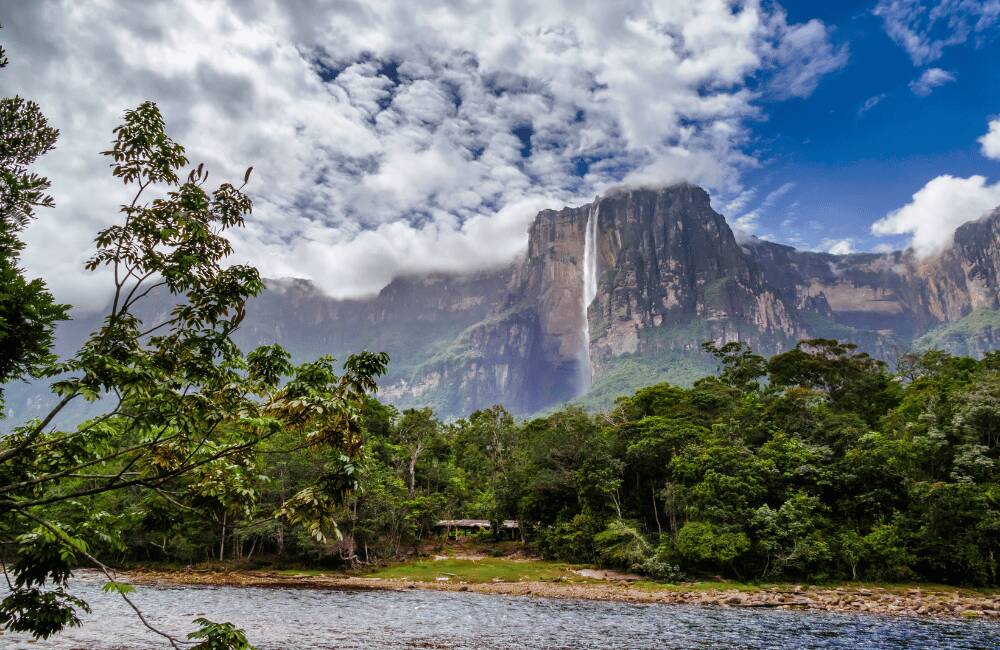
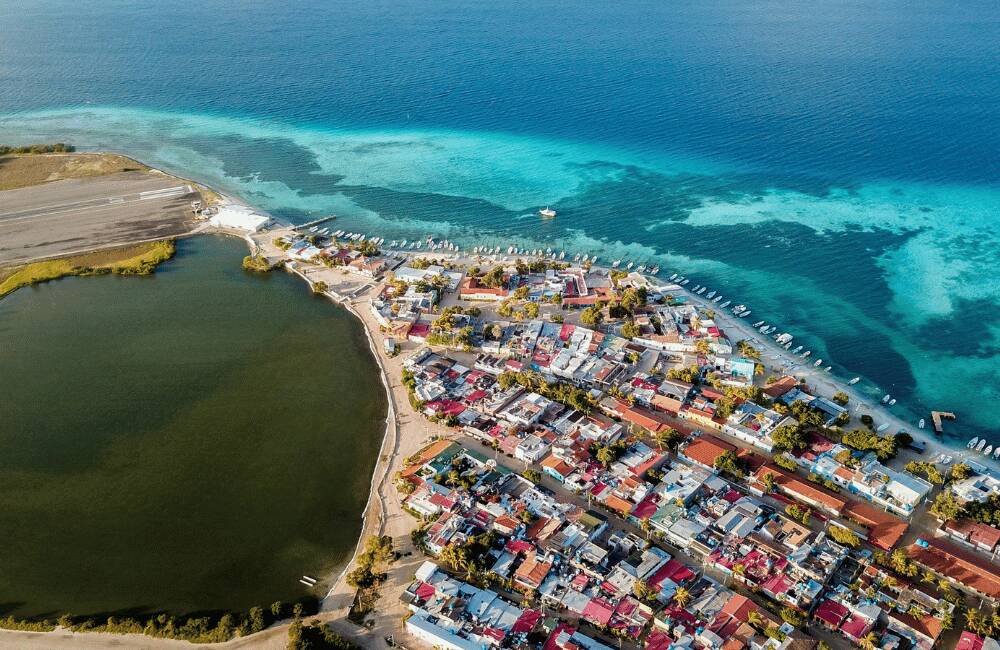
Planning a trip to Venezuela means looking beyond standard travel guides. We know you want to explore breathtaking spots like Angel Falls and the Los Roques archipelago. But you also need to review diplomatic warnings, local realities, and fine-print policy terms. Official travel warnings directly affect medical response logistics, emergency transport options, and your financial protection.
Index
Current Safety Status and Government Advisories
Many international agencies place Venezuela in their high-risk categories. For example, Canada still advises against all travel. The U.S. Department of State recently downgraded its warning to a Level 3: Reconsider Travel in March 2026, reaffirming it in June 2026. These warnings stem from systemic issues across the country.
You need to watch out for a few major operational constraints:
- Armed robbery, carjacking, and extortion happen frequently in urban areas like Caracas and along the borders.
- Border zones near Colombia and Guyana present heightened risks due to active non-state armed groups and illicit smuggling.
- Recent events complicate travel further, including the January 2026 military strikes and a major earthquake on June 24, 2026, which caused infrastructural damage and localized states of emergency.
On-the-Ground Operational and Infrastructure Risks
Traveling within Venezuela presents practical logistical hurdles that impact your daily safety and health management.
Medical System and Healthcare Access
The local public healthcare system faces severe shortages of basic medicines, sterile supplies, and reliable water or electricity. Private clinics in major cities provide a higher standard of care. However, they require upfront guarantees of payment before admission. Emergency specialized care or surgical interventions take longer due to resource limits.
Utilities and Power Grid
Unannounced electrical power outages happen across the country. These outages affect communication networks, water supply systems, internet connectivity, and electronic payment processing.
Currency and Financial Logistics
Venezuela operates on a complex dual-currency system. People widely use U.S. dollars alongside the local sovereign bolivar. Foreign credit and debit cards rarely work due to banking restrictions, sanction compliance, and network instability.
Travel Tip: You must carry enough physical cash, specifically clean, undamaged U.S. dollar bills, to cover all anticipated expenses.
For U.S. Travelers: Entry Rules, Passports, and Restrictions
If you hold a U.S. passport, you face specific regulatory requirements when planning a trip to Venezuela.
Visa and Passport Requirements
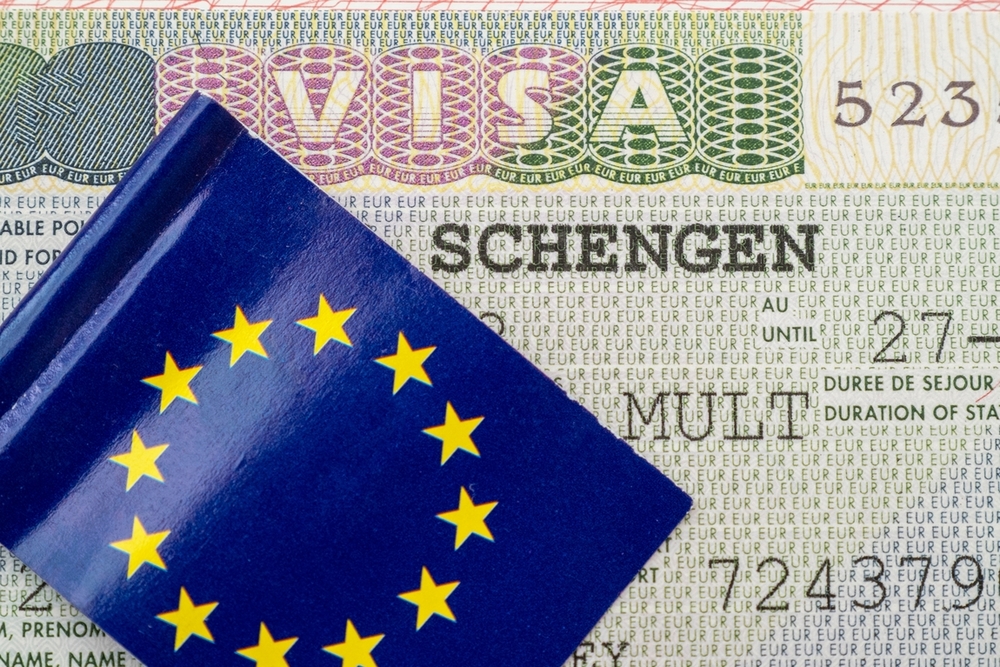
You must secure a valid Venezuelan tourist visa from a Venezuelan embassy or consulate before you arrive. Authorities do not grant visas upon entry at airports or land borders. Your passport needs at least six months of validity remaining from your intended departure date.
Consular Protection Updates
The U.S. formally resumed embassy operations in Caracas on March 30, 2026. However, full consular services for citizens remain temporarily routed through Bogotá while the building is restored. This means emergency consular support on the ground stays severely restricted.
Arbitrary Detention Risk
Foreign visitors carrying U.S. passports, military backgrounds, or official affiliations face heightened scrutiny. Local authorities might interrogate or detain you at checkpoints or entry ports.
Travel Insurance Coverage and Policy Limits in Venezuela
Securing comprehensive coverage for your trip protects your finances. However, travel insurance policies operate under strict legal conditions in destinations with active government advisories or international sanctions. Check official foreign office advisories prior to booking any trip.
Medical Emergency Coverage and Evacuation
Standard medical assistance can cover emergency treatments, hospitalization expenses, and medically supervised repatriation back to your home country. But emergency air ambulance evacuations depend entirely on local flight authorizations, airspace permissions, and medical team assessments. In high-risk zones, direct physical intervention by an insurer might face severe administrative delays.
Cancellation Expenses and Advisory Triggers
Trip cancellation coverage can reimburse non-refundable prepaid travel expenses under specific contractual rules. Cancellation coverage applies if your home country issues a formal travel advisory for Venezuela after you book the trip and purchase the policy. If you buy an insurance policy for Venezuela while a travel warning is already active, trip cancellation claims resulting from that known advisory do not qualify for reimbursement.
Standard Policy Exclusions
Review general policy exclusions before traveling to high-risk areas. Policies exclude claims arising from active armed conflicts, political rebellion, riots, terrorism, or military actions. Insurance providers also cannot disburse payments or grant cover that violates United Nations, European Union, UK, or U.S. trade sanctions. Furthermore, medical or logistical services arranged independently without prior authorization from your insurer’s assistance center are not eligible for reimbursement, except in cases of proven force majeure.
Frequently Asked Questions
Does Travel Insurance Cover Me if I Travel to a “Do Not Travel” Zone?
It depends on the specific destination. Standard policies strictly exclude coverage for active conflict zones, meaning countries with ongoing wars or high-risk conflicts (such as Israel, Palestine, Lebanon, or Russia) are completely excluded. However, for certain destinations with localized travel warnings, coverage may still apply to specific safe regions, though any travel into the actual conflict zones will void your coverage. Always check your specific destination when purchasing your policy to see what restrictions apply.
Can I Cancel My Trip and Get Reimbursed if I Decide Not to Go Due to Safety Concerns?
You can only claim trip cancellation costs if your government issues a new travel warning for Venezuela after you book your travel and purchase your policy. Canceling just because you feel anxious or because of pre-existing travel advisories is not a covered reason under standard policy conditions.
How Do International Sanctions Impact Emergency Cash or Medical Transfers?
International banking sanctions restrict direct money transfers to Venezuelan financial institutions. Insurance claims requiring local cash advances or direct bill settlements at healthcare facilities must clear legal compliance channels. This process causes delays compared to standard international destinations.

We know organizing a trip to a complex destination like Venezuela brings up questions, and we are here to help you. Travel to discover incredible places like Angel Falls and connect with new cultures. To enjoy your adventure, review the official advisories, pack smart, and secure your travel insurance in advance. Do you have questions about your coverage? Reach out to our team today. Explore the world with complete peace of mind.
Featured stories