Last Update: August, 2026
If you’re planning a trip to the middle of the world this year, you’ve probably seen some intense headlines. Hearing words like “military operations” and “travel advisories” is enough to make anyone second-guess their vacation. But take a deep breath, Ecuador is a beautifully diverse country, and its security situation is just as varied. Safety in Ecuador really comes down to exactly where you’re going. We’ve broken this guide down by region so you can easily see which areas are fine for your trip and which ones you might want to skip.
Index
Understanding the 2026 State of Emergency
The U.S. State Department currently has Ecuador listed at a Level 2 (“Exercise Increased Caution”), which happens to be the exact same rating they give some popular European destinations like France. The country is wide open for tourism. You just need to stay a bit more aware of your surroundings than you might have in the past.
On June 16, 2026, the Ecuadorian government renewed a 60-day security measure in a few specific provinces, including Guayas and Pichincha. For you as a traveler, this mostly just means you might see more police and military patrols or pass through the occasional checkpoint. It’s actually there to keep things peaceful and keep public order running smoothly.
Travel Tip: It is essential to carry your physical passport and a printed copy of your flight itinerary at all times. Security forces conduct regular checkpoints, and having your itinerary on hand exempts you from any local curfews while you are in transit.
Safe Havens for Travelers: Where You Can Go
Despite the internal conflict, millions of travelers continue to safely explore Ecuador’s most famous natural wonders. The violence is heavily concentrated in specific corridors tied to illegal activities, leaving the primary tourist trail largely secure.
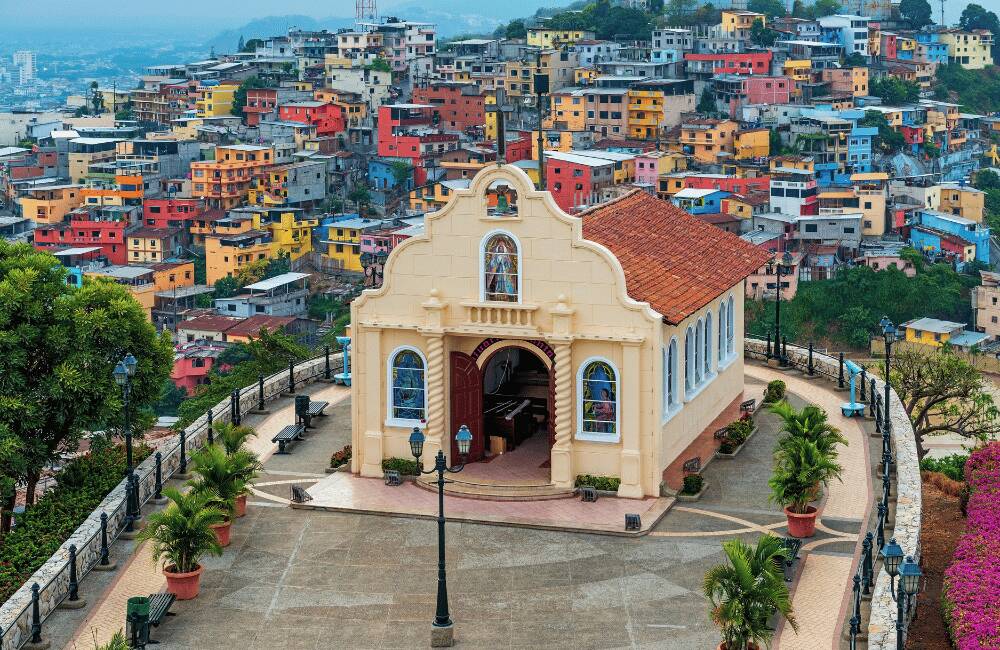
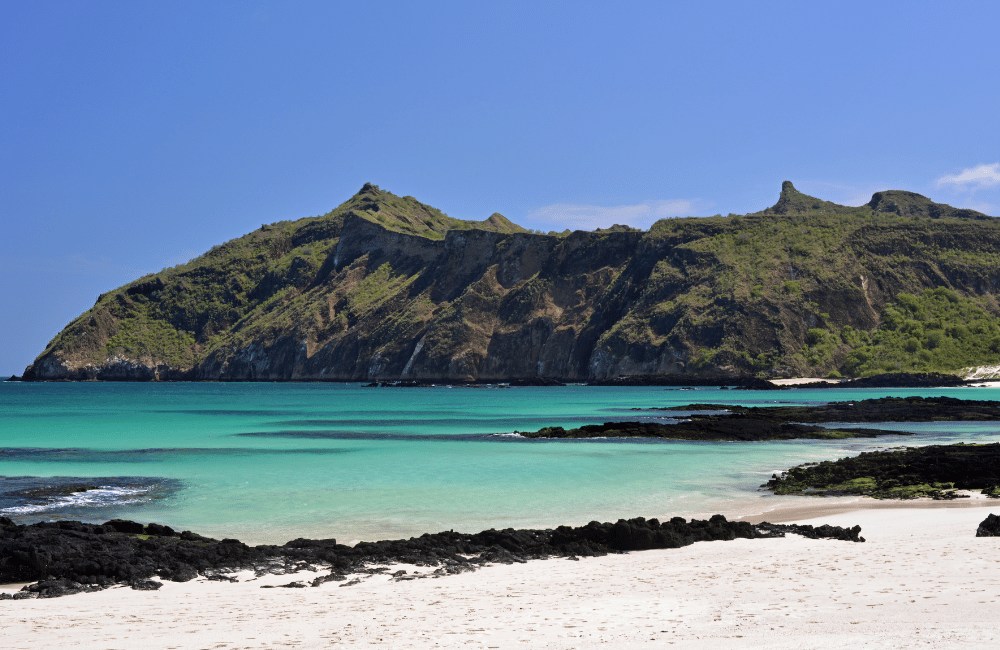
- The Galapagos Islands: This region remains incredibly safe and completely isolated from the unrest on the mainland. There are essentially no incidents of violent crime against tourists here, and daily operations for cruises and island-hopping tours continue as normal.
- Quito’s Historic Center and the Andean Highlands: Areas like Cotopaxi, Baños, and Cuenca see a steady, safe flow of visitors. While you must remain vigilant against pickpockets in crowded plazas, these high-altitude regions have a strong tourist police presence and have not seen the gang-related violence affecting the coast.
Areas to Avoid Right Now
If your travel plans include independent backpacking off the beaten path, you will need to adjust your route. The U.S. Embassy strictly advises against all travel to the following areas due to a high risk of violent crime.
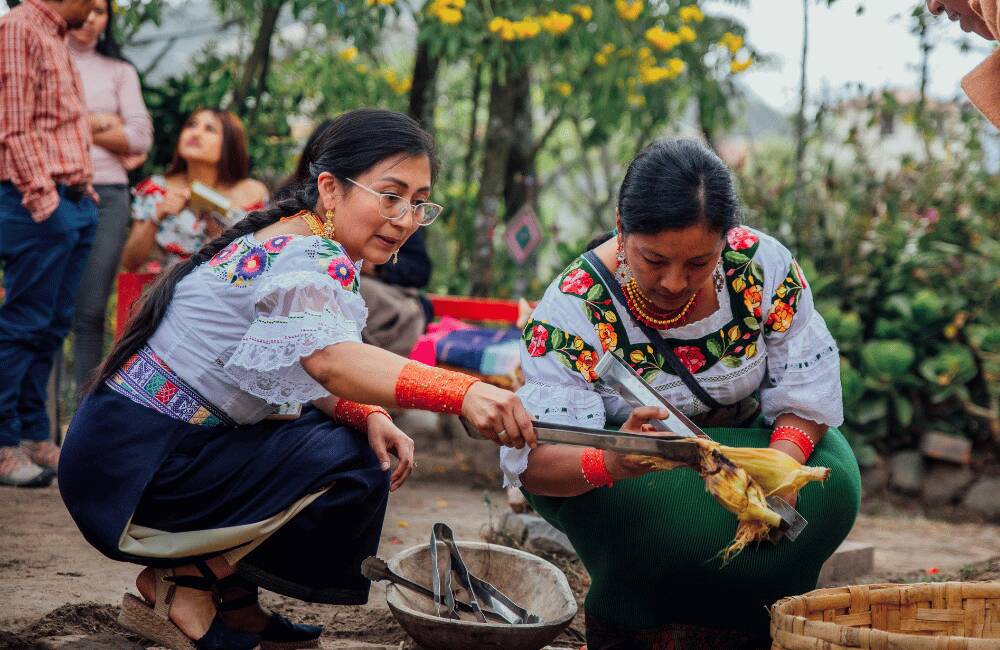
- Guayaquil and the Coast: Guayaquil is the epicenter of the current security crisis. If you must fly into the Guayaquil airport to reach the Galapagos, stay within the airport terminal or use a verified hotel shuttle to an airport-adjacent hotel. Do not wander into the city.
- The Colombian Border: Avoid traveling within 12 miles / 20 kilometers of the northern border with Colombia, particularly in the provinces of Esmeraldas and Sucumbíos.
If you are crossing land borders from Peru or Colombia, you must present a legally apostilled criminal record certificate from your country of residence covering the last five years; failure to do so will result in denied entry.
What We See in Claims
While headlines focus on major security events, the reality on the ground for most tourists is much more mundane.
When reviewing incidents from travelers returning from the Andean highlands, the most consistent pattern we see involves unattended bags in busy transportation hubs. Petty theft committed without violence or intimidation is not covered. Travelers frequently leave a backpack on the floor at a bus terminal or draped over a chair in a crowded café, only to find it missing moments later. Your best defense is to keep your bags physically attached to your body or locked in a secure hotel safe.
Practical Safety Tips for U.S. Travelers
Traveling safely in Ecuador right now requires a proactive approach. By following a few straightforward rules, you can focus on the incredible landscapes rather than worrying about your security.
- Never hail a taxi directly off the street. Always use a rideshare application or have your hotel call a registered, authorized driver.
- Leave your valuable jewelry, expensive watches, and large amounts of cash (USD) in a hotel safe deposit box.
- Register your travel plans with the U.S. Embassy through the Smart Traveler Enrollment Program (STEP) to receive instant text alerts regarding curfew changes or localized protests.
- Ensure you travel with a comprehensive medical and travel assistance plan. Having coverage for your trip to Ecuador means you have access to a 24/7 assistance app, guaranteeing that a medical team is ready to coordinate care and direct you to verified hospital facilities if an emergency arises.
Frequently Asked Questions
Still trying to figure out how this affects your specific plans? Here are the answers to the most common questions travelers are asking right now.
Does travel insurance cover me if I travel to a “Do Not Travel” zone?
It depends on the specific destination. Standard policies strictly exclude coverage for active conflict zones, meaning countries with ongoing wars or high-risk conflicts (such as Israel, Palestine, Lebanon, or Russia) are completely excluded. However, for certain destinations with localized travel warnings, coverage may still apply to specific safe regions, though any travel into the actual conflict zones will void your coverage. Always check your specific destination when purchasing your policy to see what restrictions apply.
Will I be affected by curfews in Quito or Guayaquil?
Curfew hours fluctuate based on ongoing military assessments, often running from 11:00 p.m. to 5:00 a.m. However, travelers holding a valid boarding pass for an upcoming flight are legally exempt from these restrictions while traveling directly to or from the airport.
Can I still hike the Quilotoa Loop safely?
Yes, the Quilotoa Loop and surrounding Andean hiking trails remain safe for tourists. Just ensure you are acclimated to the altitude, which can exceed 12,000 feet, and travel during daylight hours to avoid getting lost on unmarked paths.
Featured stories