Last Update: August 2026
August in Europe can be a bit of a nightmare if you pick the wrong spot. Historic plazas turn into sea-of-selfie-stick zones, coastal highways turn into parking lots, and trying to get a dinner table without a booking made back in April is a lost cause.
The good news? You don’t have to spend your vacation dodging tour groups to get great food, rich history, or incredible landscapes. If you know where to look, mostly places protected by tricky geography, microclimates, or just lack of mass-resort development, you can still find a remarkably peaceful summer trip.
Index
Inland Transylvania, Romania
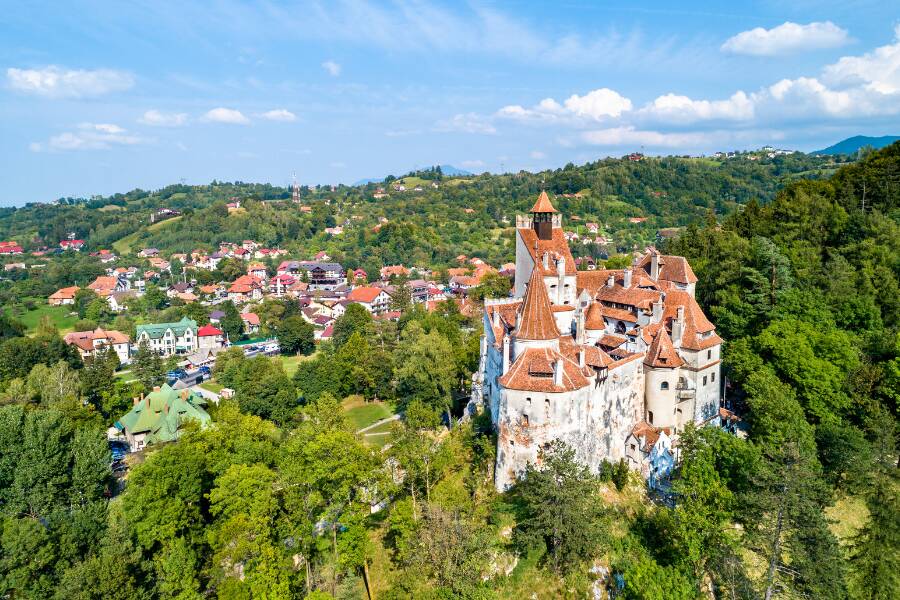
While coastal Europe is swarming in August, central Romania stays remarkably low-key. Inland Transylvania gives you a mix of well-preserved medieval towns, thick forests, and the dramatic Făgăraș Mountains.
Using the historic city of Sibiu as your base works brilliantly. Its Germanic architecture, open pedestrian plazas, and fantastic local farm-to-table restaurants feel like a breath of fresh air compared to packed Western European capitals.
If you decide to tackle the famous Transfăgărășan highway (DN7C) for those high-altitude Carpathian views, go early in the morning. Because the pass is only fully open during summer, locals and regional travelers head there in August, making midday traffic crawl.
Travel Tip: Keep your gas tank at least half full before heading up the mountain passes. Gas stations are non-existent along the high curves, and sudden afternoon rainstorms can double your driving time.
Practical Travel Logistics
- Getting Around: Grab a rental car at Cluj-Napoca or Bucharest airport. It’s really the only way to comfortably explore the surrounding fortified villages like Biertan and Viscri.
- Weather: Expect standard summer heat in the valleys (around 75°F–85°F), but it drops fast to around 55°F up in the peaks. Keep an umbrella in the trunk for typical August afternoon showers.
- Schengen & Entry: Romania is officially in the Schengen Area now, so U.S. passport holders get the standard 90-day visa-free entry (within a 180-day period). Just check that your passport has at least three months of validity left beyond your planned exit date.
- Health Note: Standard U.S. domestic health insurance won’t cover you in Europe. If you’re planning on hiking or driving remote routes, grab an international travel policy to cover emergency clinic visits or medical transport so you’re not paying out-of-pocket.
The Azores, Portugal
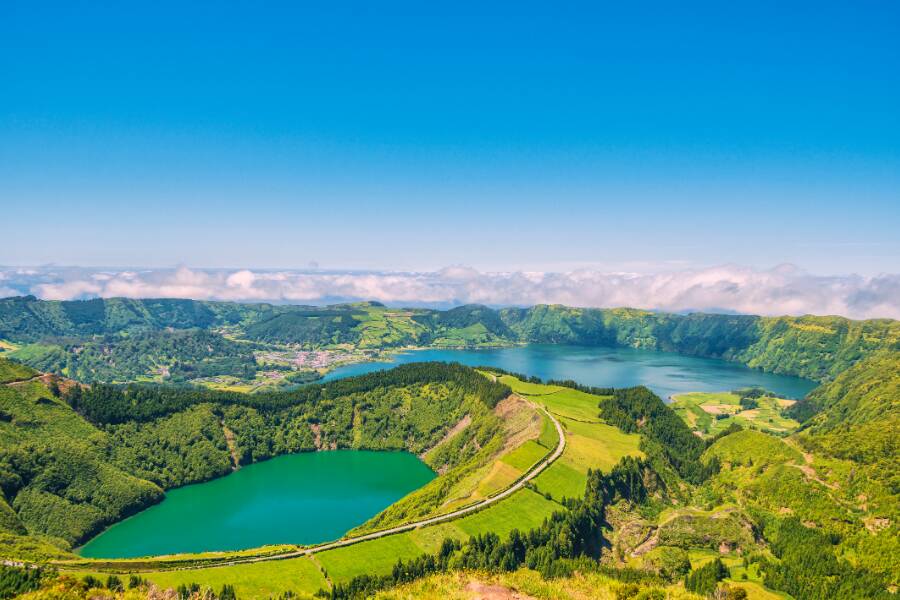
Sitting isolated out in the mid-Atlantic, the nine islands of the Azores offer dramatic crater lakes, natural thermal springs, and raw green coastlines. While mainland Portugal gets swamped in August, strict environmental caps here keep massive cruise ships and high-density resorts away.
São Miguel is the main island and gets the most visitors, but spots like the Furnas hot springs or the twin lakes at Sete Cidades are easily big enough to handle it. If you want absolute quiet, hop a 45-minute inter-island flight over to Flores or Santa Maria, where you can hike down to isolated volcanic ocean pools and barely see another soul.
| Island | Primary Highlights | Best For |
| São Miguel | Furnas Hot Springs, Sete Cidades crater | First-timers, local food scene |
| Flores | Crashing waterfalls, deep crater lakes | Solitude, serious hiking |
| Pico | Mt. Pico peak, UNESCO basalt vineyards | Mt. Pico hike, unique local wine |
Practical Travel Logistics
- Getting Here: You can catch direct flights from the U.S. East Coast right into Ponta Delgada (PDL). Between islands, you’ll rely on SATA Air Açores or regional ferries.
- Ocean Safety: Atlantic currents are no joke. Stick to designated municipal ocean pools (piscinas naturais) where local lifeguards are on duty.
- Driving: Standard Schengen rules apply. If you rent a car, make sure to get an International Driving Permit (IDP) before leaving the U.S., rental desks in Ponta Delgada frequently ask for it alongside your state driver’s license.
- Coverage Tip: If you’re planning on booking zodiac boat tours for whale watching or doing coastal canyoning, make sure your travel insurance covers adventure sports and private medical care access.
Galicia’s Rías Altas, Spain
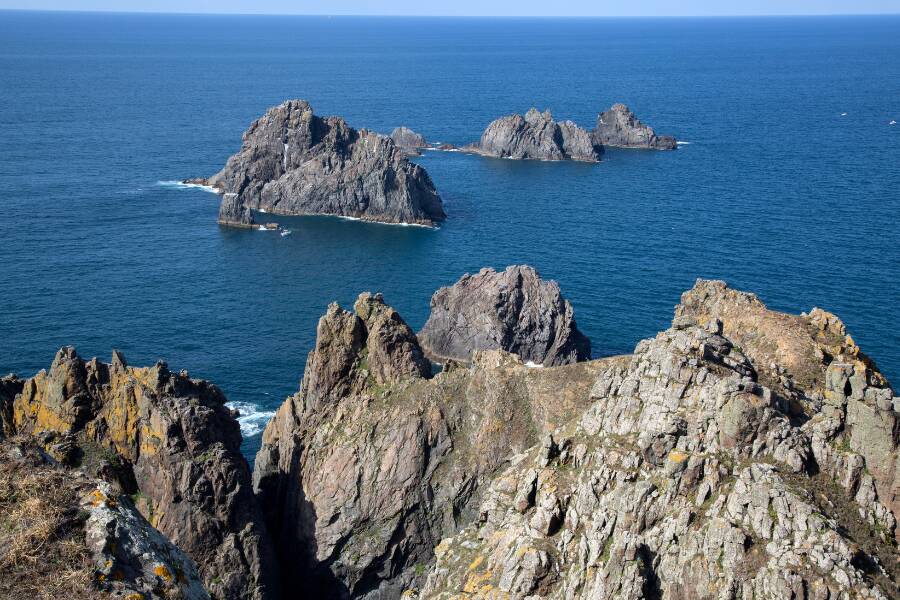
While southern Spain cooks in 100°F heat and packed beaches, northern Galicia stays green, ocean-breezy, and quiet. The northern coastline, the Rías Altas, is defined by soaring sea cliffs, quiet estuary fishing towns, and empty Atlantic beaches.
It’s completely different from the busier Rías Baixas to the south. Driving the coast around Cedeira, Ortigueira, and Cape Estaca de Bares is surprisingly relaxed. The local food is world-class if you love seafood: order fresh gooseneck barnacles (percebes) or boiled octopus (pulpo à feira) at a seaside tavern, washed down with a glass of crisp, cold Albariño.
A few quick stops worth making:
- Cape Ortegal: A wild headland where the Atlantic Ocean hits the Cantabrian Sea beneath massive cliffs.
- Betanzos: A quiet historic town famous across Spain for its uniquely runny, traditional Spanish omelet (tortilla de Betanzos).
- San Andrés de Teixido: A tiny pilgrimage sanctuary tucked into a steep coastal valley right over the water.
Practical Travel Logistics
- Microclimate Realities: Expect mild weather with highs around 72°F to 78°F. Be prepared for morning coastal fog, which usually burns off by noon.
- Navigating: Main coastal roads are in great shape, but village streets can get tight. Pick a compact car over a large SUV.
- Cash: Cards are accepted almost everywhere, that said, carry a few 10-euro bills for tiny family-run bars in rural villages.
Vipava Valley, Slovenia
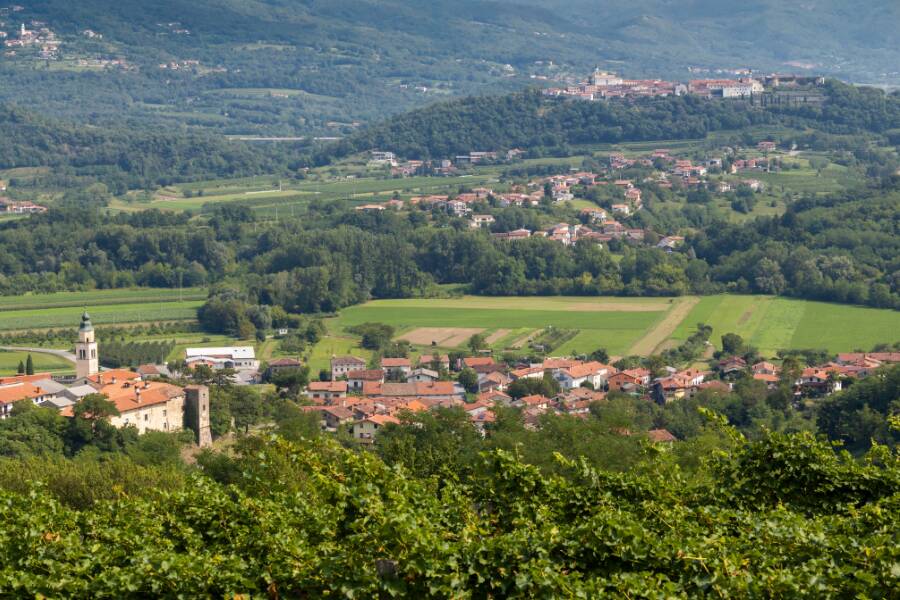
Tucked into western Slovenia right on the Italian border, the Vipava Valley is a picturesque stretch of rolling hills, old stone villages, and endless orchards. While tourists line up by the thousands around Lake Bled and the Soča River in August, Vipava remains a quiet agricultural haven.
This is boutique wine country, famous for rare indigenous white grapes like Zelen and Pinela. Quiet back roads and gentle cycling paths wind through the valley, linking traditional family farms (turistična kmetija) where you can pull up for a multi-course home-cooked meal made entirely from ingredients grown on the property.
Practical Travel Logistics
- Getting In: It’s an easy one-hour drive from Ljubljana Airport or just 30 minutes from Trieste, Italy. You’ll definitely want a car to explore the small family wineries.
- Vignette Warning: If you drive in from Italy or Austria, buy an electronic vignette (e-vinjeta) online or at the border before touching a Slovenian highway. The automated cameras will fine you instantly.
- Tastings: Most winemakers here are small family operators managing active harvests; send an email or call a day ahead to book a tasting rather than just showing up.
- Cross-Border Driving: Make sure your car rental agreement allows border crossings, and carry travel insurance that includes rental vehicle excess protection for driving across Central Europe.
The Faroe Islands
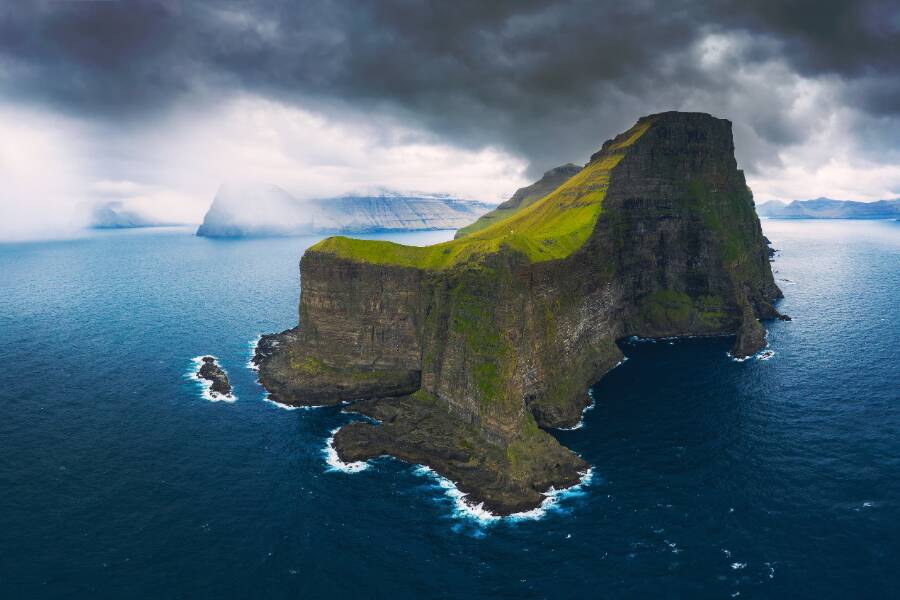
If your ideal August vacation involves zero heatwaves, fleece jackets, and dramatic landscapes, the Faroe Islands, an autonomous territory of Denmark sitting between Scotland and Iceland, are hard to beat.
August is the tail end of their subpolar summer. You get long daylight hours, bright green cliffs, and iconic landscapes like the lake above the ocean at Trælanípan. Thanks to strict local regulations and expensive flight routes, tourist numbers stay low, keeping the archipelago peaceful.
Highlights to add to your list:
- Driving through the massive sub-sea road tunnels that connect Streymoy, Eysturoy, and Vágar.
- The tiny, remote village of Gjógv, built around a natural rock harbor.
- The coastal cliff trails on the island of Kalsoy (head out early to catch the ferry from Klaksvík).
Practical Travel Logistics
- The Weather: Subpolar weather changes by the hour. August temperatures hover around 52°F to 57°F with regular rain, wind, and sudden fog. Bring actual waterproof layers, not just a light jacket.
- Trail Fees: To prevent land erosion and protect nesting birds, several popular hikes (like Trælanípan and Kalsoy) require landowner trail fees or certified local guides.
- Visa Note: While part of the Kingdom of Denmark, the Faroes are not part of the Schengen Area. However, U.S. passport holders still get visa-free entry for up to 90 days. You can fly in directly via Vágar Airport (FAE) from Copenhagen, Edinburgh, or Reykjavík.
- Evacuation Coverage: Because of the remote North Atlantic geography, specialized medical transport or search-and-rescue support can get insanely expensive. Double-check that your travel insurance policy includes high-limit medical evacuation coverage before heading out.
Escaping the August crowds doesn’t mean settling for boring destinations. Whether you’re sipping white wine in Slovenia, exploring quiet villages in Transylvania, or standing on a foggy cliff in Galicia, there’s still plenty of quiet Europe to go around. Just plan ahead, pack the right gear, and leave the long lines to everyone else.
Featured stories