Last Update: August 2026
Seoul is a city of contrasts: centuries-old palaces and hanok neighborhoods sit alongside glass towers, design districts, and some of Asia’s most dynamic food and nightlife scenes. You can spend the morning exploring a royal palace, stop for street food at a traditional market, and end the day looking out over the city from Namsan.
Whether you’re visiting for Korean history, K-pop and beauty culture, food, hiking, or shopping, this guide covers Seoul’s essential sights and shows how to fit them into a short trip.
Index
What is Seoul, Korea, Famous For?
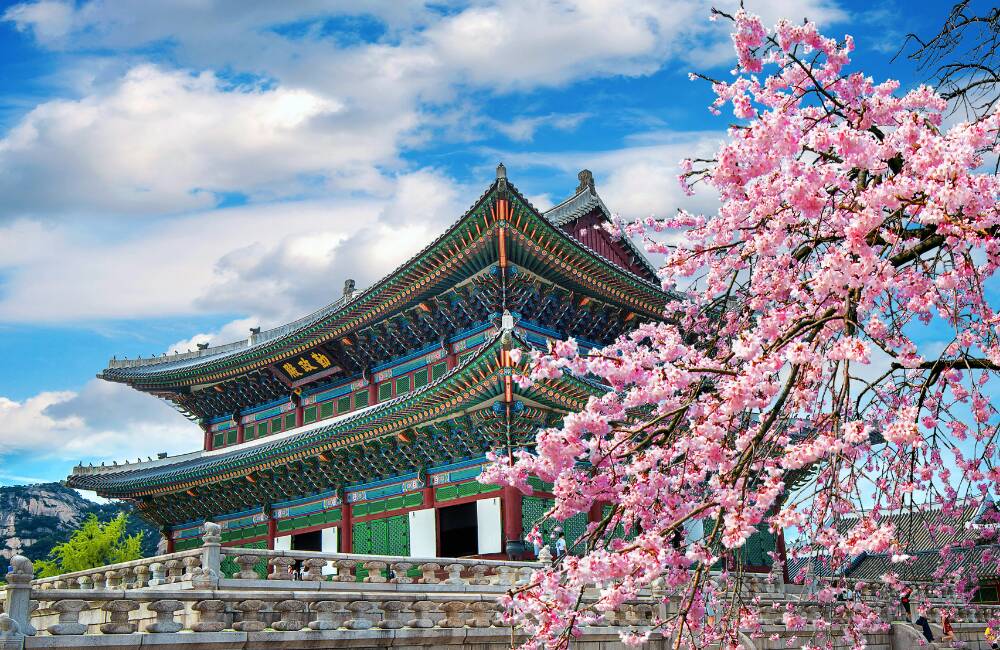
Seoul is best known for the way it blends Korean history with fast-moving contemporary culture. Gyeongbokgung and Changdeokgung preserve the legacy of the Joseon dynasty, while neighborhoods such as Myeongdong, Hongdae, Gangnam, and Dongdaemun showcase the city’s modern side.
Food is another major draw. At Gwangjang Market, you can sample Korean favorites such as bindaetteok and gimbap, while Insadong is a good place to slow down over tea and browse traditional crafts. And when you need a break from the city, Bukhansan National Park puts mountain trails within easy reach of central Seoul.
What to See in Seoul
Seoul’s best attractions span royal history, contemporary design, food, shopping, and nature. These are the places worth prioritizing on a first trip:
Palaces and Traditional Seoul
- Gyeongbokgung Palace: Built in 1395, Gyeongbokgung was the primary palace of the Joseon dynasty and remains one of Seoul’s most important historic landmarks. Walk through its courtyards and gates, explore the surrounding museums, and check the official schedule if you want to see the Royal Guard Changing Ceremony.
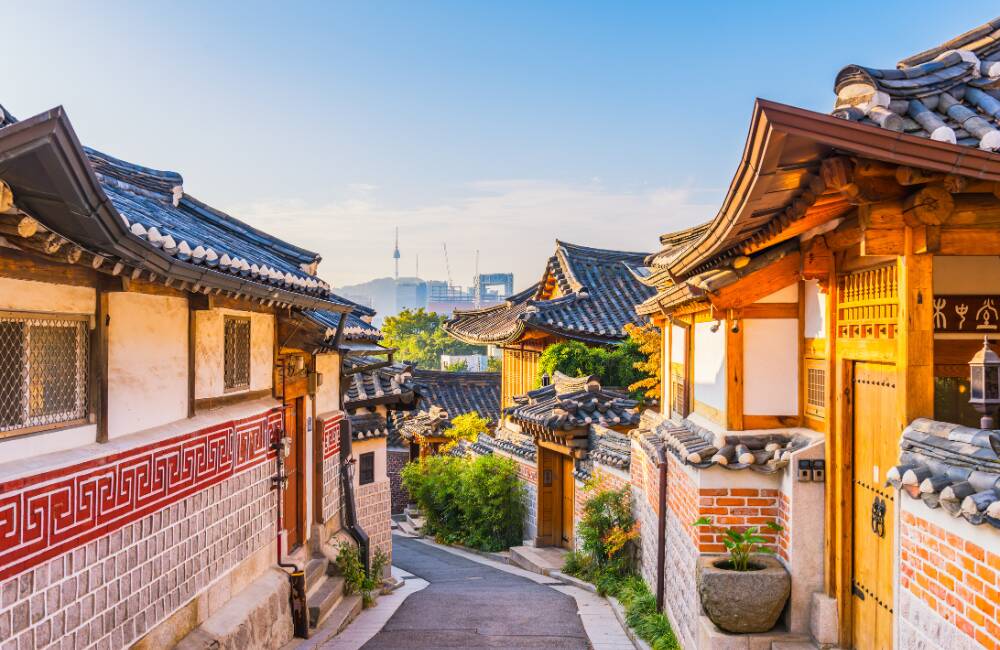
- Bukchon Hanok Village: Located between Gyeongbokgung and Changdeokgung Palaces, this village preserves traditional Korean homes known as hanoks. Walk through narrow alleyways to admire the intricate wooden structures that date back hundreds of years. Many hanoks have been converted into cultural centers, guesthouses, and tea shops where you can experience Korean traditions firsthand.
Travel Tip: visitor restrictions apply in Bukchon’s designated Red Zone, where tourist access is restricted from 5:00 p.m. to 10:00 a.m. and fines can apply. Follow posted signs and local guidance.
City Views and Outdoor Escapes
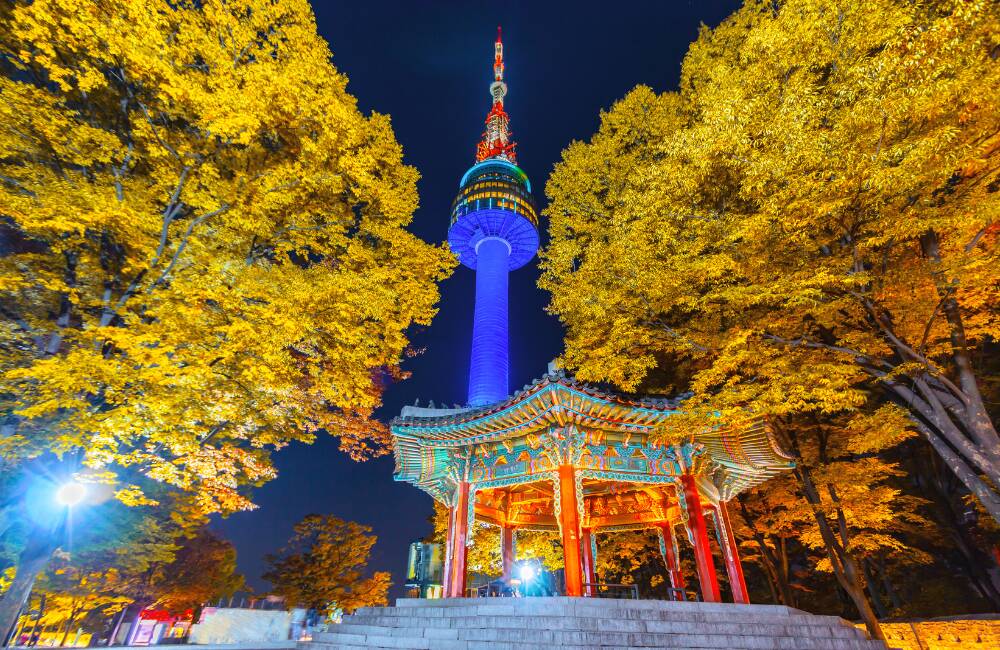
- N Seoul Tower: Take a cable car or hike up Namsan Mountain to reach this iconic tower. The tower’s observation decks offer panoramic views of the Seoul skyline, and it’s especially beautiful at night when the city lights come alive.
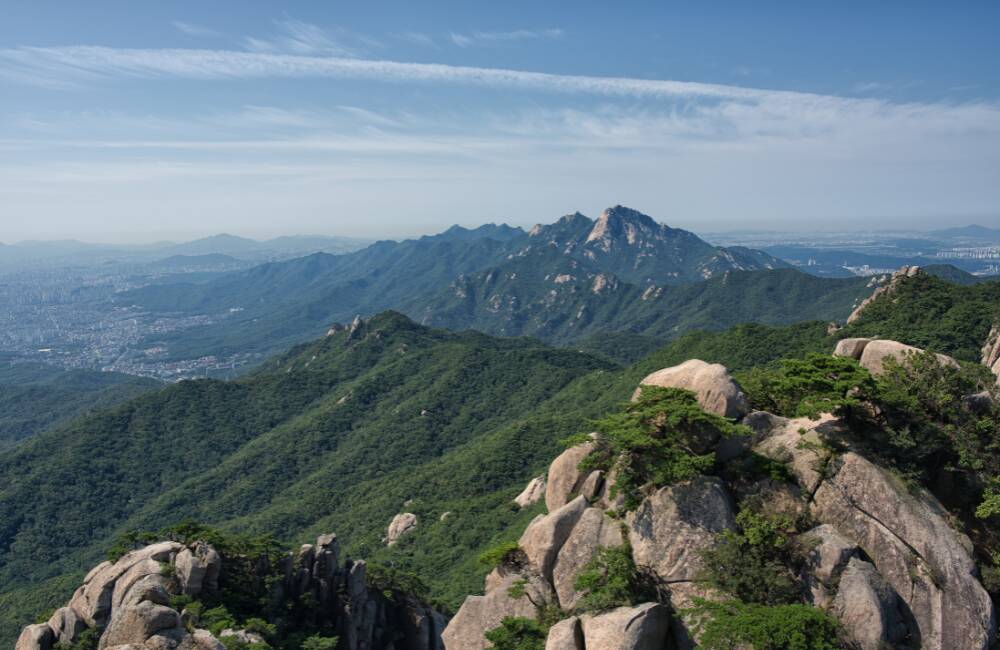
- Bukhansan National Park: Just a short ride from downtown, this national park offers scenic trails, Buddhist temples, and some of the best views of Seoul. It’s a favorite spot for hikers, with options for all skill levels. If you’re up for it, the climb to Baegundae Peak is well worth the effort!
Markets, Food, and Local Culture
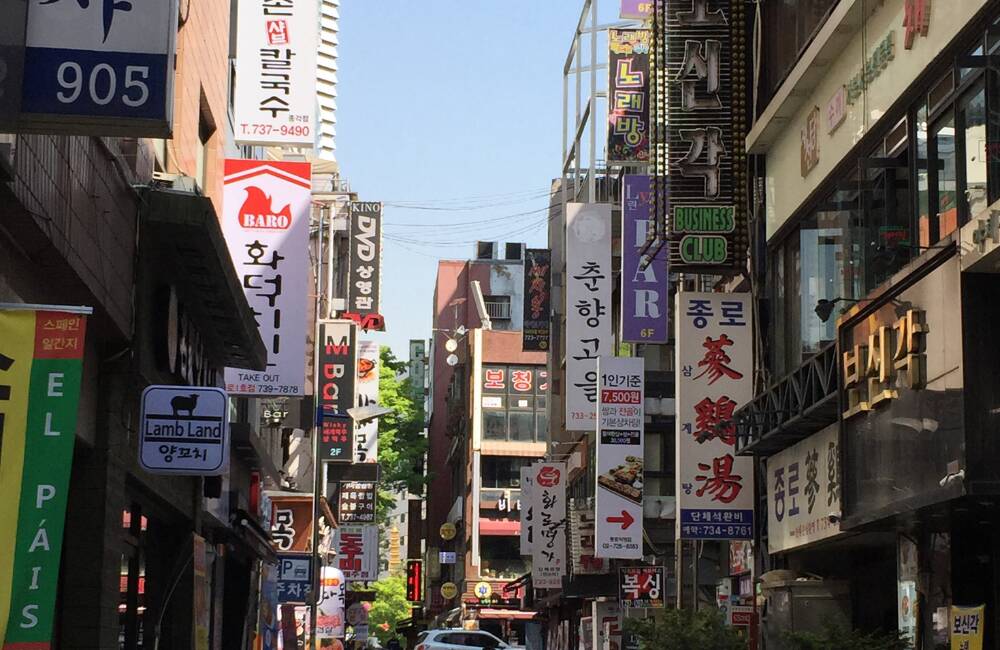
- Insadong: Known as Seoul’s cultural heart, Insadong is the perfect place to shop for traditional Korean crafts, antiques, and souvenirs. Wander through its charming streets to discover art galleries, pottery shops, and cafes, and be sure to try japchae (stir-fried glass noodles) and other traditional dishes.
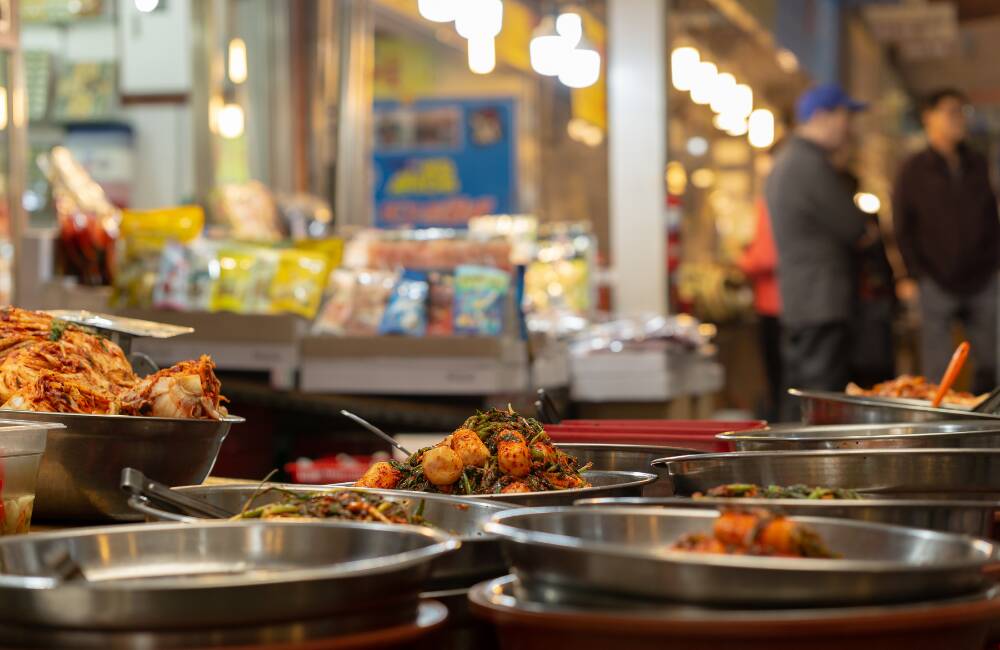
- Gwangjang Market: For an authentic taste of Seoul’s street food scene, head to Gwangjang Market. This bustling market is famous for its bindaetteok (mung bean pancakes) and mayak kimbap (mini seaweed rolls). The vibrant atmosphere and diverse food offerings make it a must-visit for foodies.
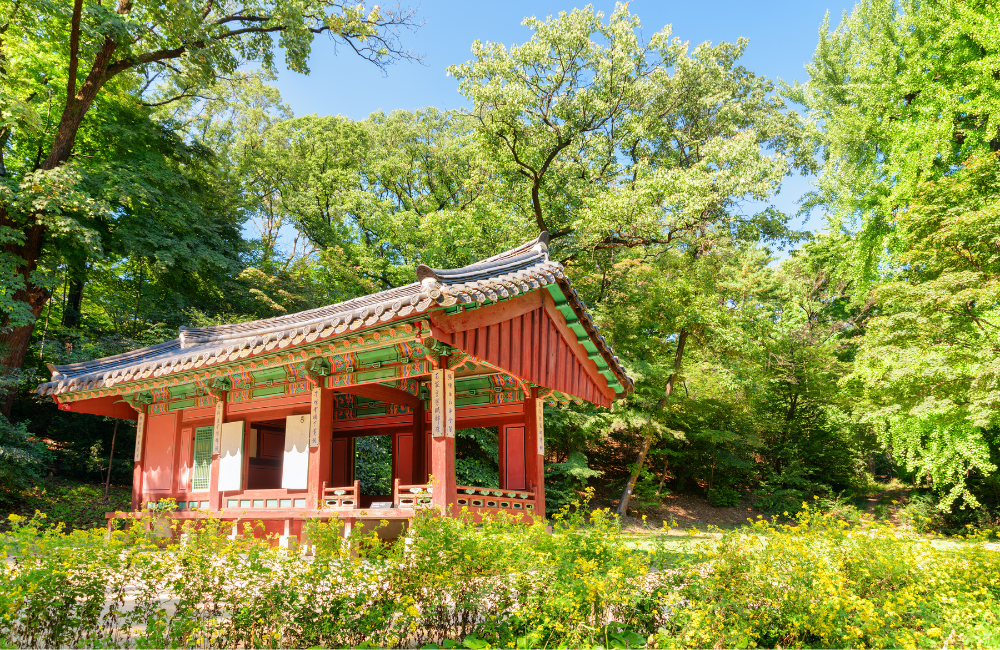
- Changdeokgung Palace and Secret Garden: Another of Seoul’s grand palaces, Changdeokgung is known for its beautiful Secret Garden, a serene space filled with lush greenery, ponds, and pavilions. It’s a peaceful retreat that provides insight into Korean royal architecture and landscaping traditions.
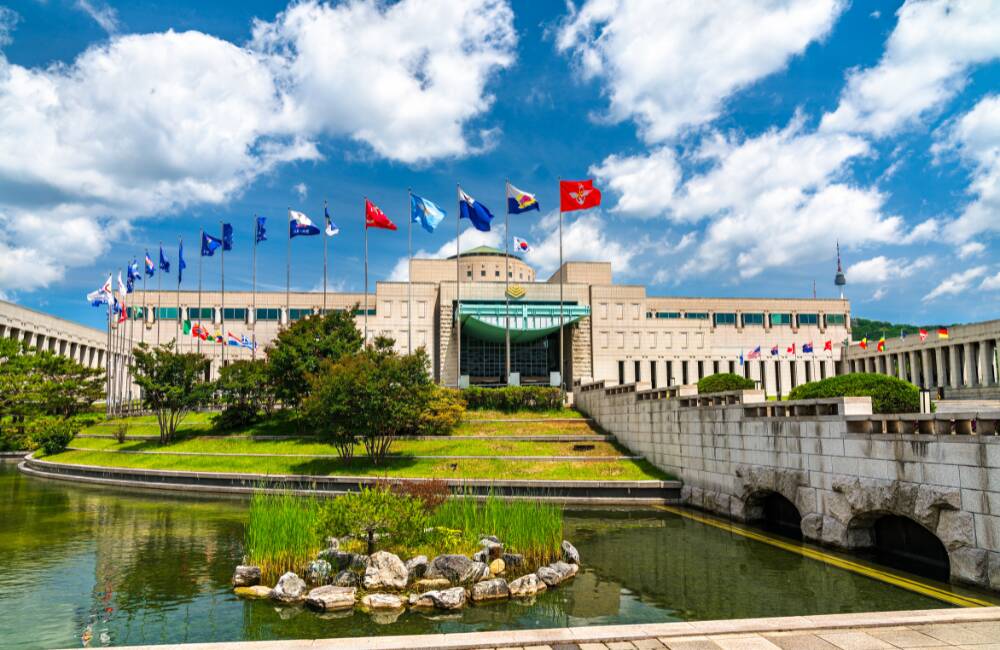
- Korean War Memorial: To learn more about Korea’s history, visit the Korean War Memorial. This museum honors the soldiers and civilians who fought in the Korean War and offers powerful exhibits detailing the war’s impact on the country.
Can You Do Seoul in 3 Days?
Yes, you can absolutely experience many of Seoul’s top attractions in just three days. Here’s a sample itinerary that covers a mix of history, culture, nature, and shopping:
Day 1
Start your day early with a visit to Gyeongbokgung Palace, the largest and most grand of Seoul’s five palaces. Arrive in time for the Changing of the Guard Ceremony, which is a must-see. Afterward, take a short walk to Bukchon Hanok Village to explore the traditional hanok houses, where you can also stop at quaint tea shops and cafes. Next, head to Insadong, Seoul’s cultural hub, for lunch and shopping—this area is perfect for finding unique Korean crafts and souvenirs. To end the day, head up to N Seoul Tower for breathtaking panoramic views of the city at sunset. The observation decks are especially stunning as the city lights come alive after dark.
Day 2
If you’re a nature lover, start your second day at Bukhansan National Park, which offers beautiful hiking trails with various difficulty levels. For those who prefer history, you can visit the War Memorial of Korea, where exhibits give insight into Korea’s past, particularly the Korean War. Afterward, head to Myeongdong, one of Seoul’s most vibrant shopping districts. The streets are packed with department stores, beauty shops, and food stalls, so make sure to try some tteokbokki (spicy rice cakes) or odeng (fish cake skewers) as you walk around.
Day 3
For your final day, explore the Dongdaemun Design Plaza, an architectural marvel that blends modern design with traditional culture. The plaza often features exhibitions and is home to unique shops and cafes. In the afternoon, make your way to Gwangjang Market, a bustling food market famous for its street food, including hotteok (sweet pancakes) and sundae (Korean sausage). If you’re a food lover, this place is a must! End your trip with a relaxing visit to the Han River, where you can rent a bike or simply enjoy a peaceful picnic with locals. This is a great way to unwind after a busy few days of sightseeing.
How Many Days in Seoul Is Enough?
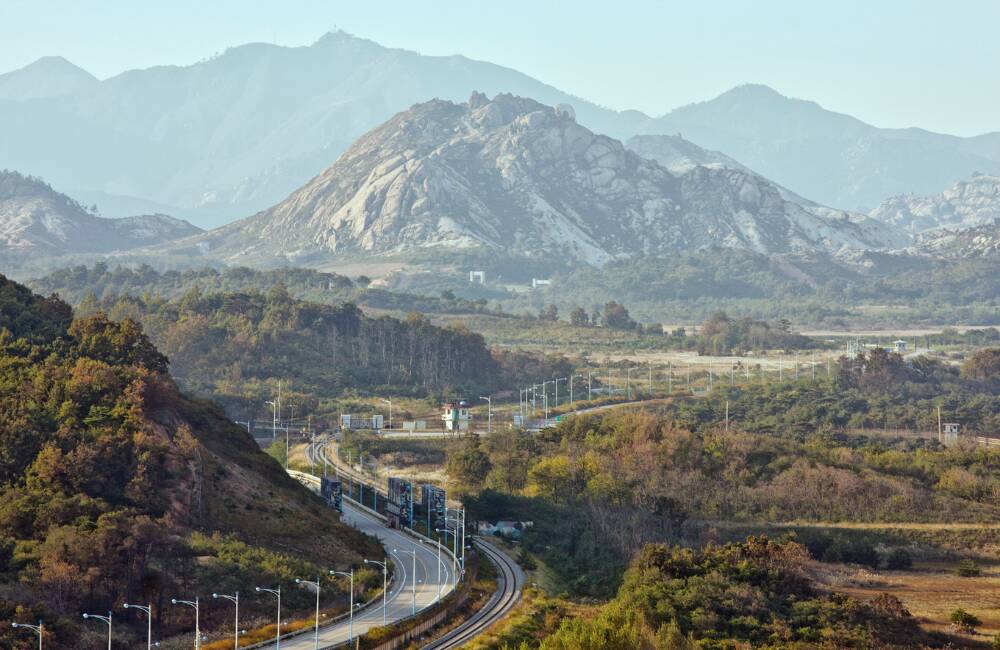
To fully experience Seoul, a stay of 5-7 days is recommended. This timeframe allows you to see Seoul’s key sights, try traditional Korean foods, explore nightlife, and make a day trip. For instance, a day trip to the DMZ is highly recommended for those interested in the political history and border between North and South Korea. You’ll also have time to experience unique Korean wellness practices like a visit to a jjimjilbang (Korean bathhouse) and explore neighborhoods like Hongdae for live music and nightlife.
What Is the Number 1 Tourist Spot in Korea?
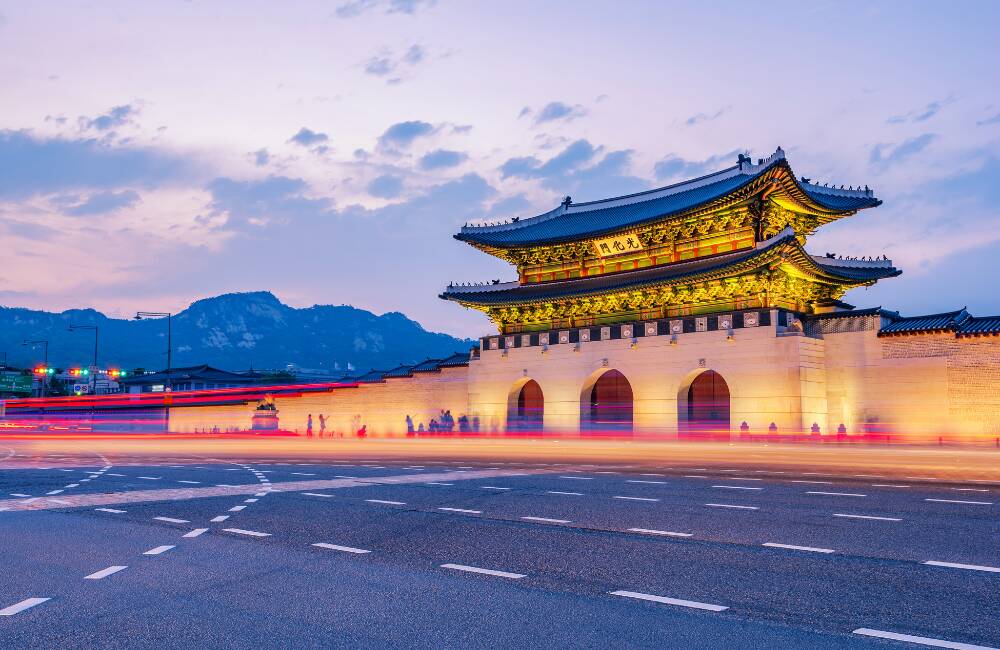
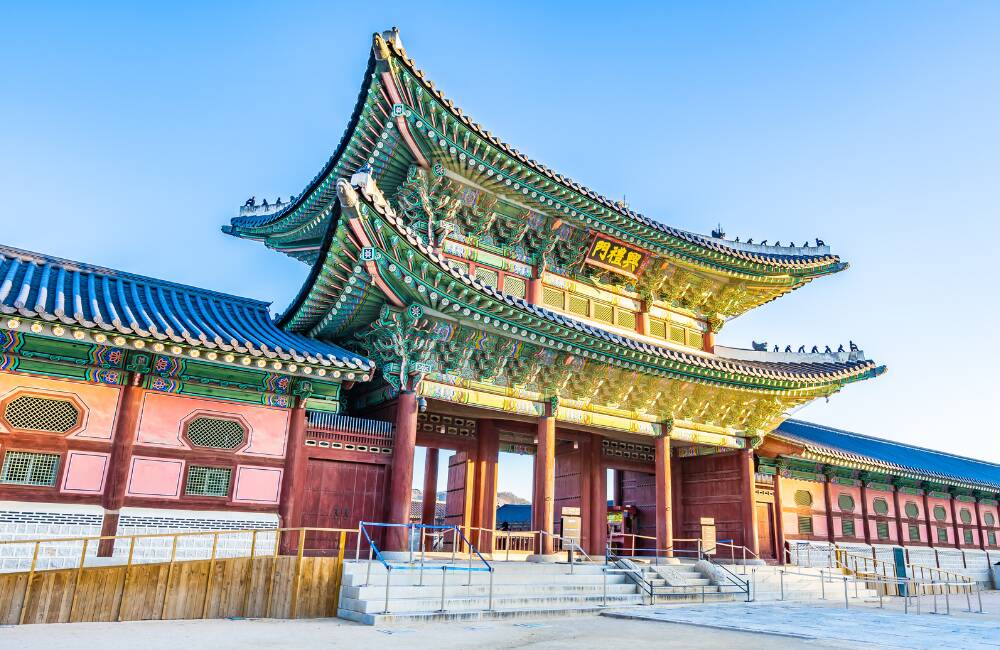
The top tourist spot in Seoul is Gyeongbokgung Palace, a royal palace that serves as a vivid reminder of Korea’s rich history. Built in the 14th century, this palace was the main royal residence during the Joseon dynasty. Visitors can tour the various halls, gardens, and gates, including Gwanghwamun Gate, which stands as the main entrance. Don’t miss the changing of the guard ceremony, a colorful and unique experience that transports you back to the Joseon era.
The Seoul You’ll Remember
Palaces and panoramic views may shape your itinerary, but they probably won’t be the only things you remember. Seoul has a way of making the moments in between – a market lunch, a walk through an old neighborhood, a night by the Han River – feel just as much a part of the trip.
Planning a trip to South Korea? Explore our travel insurance for South Korea and find coverage that fits your trip.
Featured stories