Last Updated: July 2026
Colombia has transformed into one of South America’s most amazing destinations, drawing travelers with its lush coffee regions, bustling cities, and Caribbean coastlines. While it’s natural to wonder about safety given the country’s complex history, the reality on the ground in major tourist areas is overwhelmingly positive.
We have structured this guide to first give you the official landscape, and then dive directly into practical destination and health tips, so you know exactly how to prepare for a smooth journey.
Index
Official Travel Advisories and the Reality on the Ground
When planning your trip, it’s always wise to consult the U.S. Department of State, which currently lists Colombia at a Level 3 (Reconsider Travel) as of July 2026. This might sound alarming, but keep in mind that massive tourist hubs like Jamaica and Honduras are also currently Level 3.
The highest risk areas—designated as Level 4 (Do Not Travel)—are isolated to specific regions like Arauca, certain parts of Cauca and Norte de Santander, and the immediate 6 miles / 10 kilometers along the Venezuela border. These are not places that typical leisure travelers visit.
The golden rule for visiting Colombia is to stick to the well-established tourist corridors, where local authorities prioritize traveler safety and the infrastructure is designed to welcome international guests.
For U.S. Travelers: The U.S. Embassy frequently updates its alerts regarding localized protests or transportation changes. Registering with the Smart Traveler Enrollment Program (STEP) before you fly ensures you receive these updates directly to your phone.

Colombia’s Safe Havens for Travelers
If you are a conscious traveler looking to immerse yourself in culture, gastronomy, and nature, Colombia offers incredible destinations that are very safe to explore.
- Medellín has reinvented itself; it’s the kind of place where you’ll find digital nomads packed into neighborhood cafes in El Poblado and Laureles by 9 AM.
- The Colombian Coffee Route (Eje Cafetero), including towns like Salento and Filandia, is a calm rural region where you can safely hike the Cocora Valley and learn about sustainable farming.
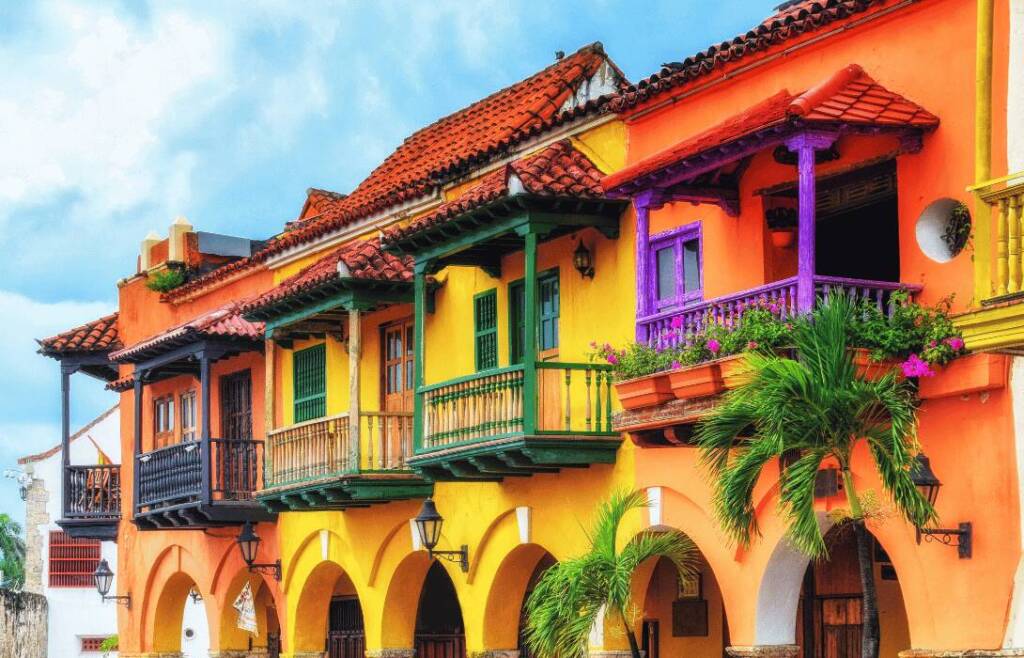
- Cartagena is heavily policed and incredibly safe inside the Walled City and Getsemaní. You’ll spend your evenings wandering cobblestone streets draped in bougainvillea.
- Bogotá is a sprawling, high-altitude capital. Skip the chaotic historic center and base yourself in northern neighborhoods like Chapinero or Usaquén, where you can safely explore third-wave coffee shops, indie bistros, and relaxed Sunday artisan markets.
Travel Tip: When exploring neighborhoods like Medellin’s Poblado or Bogota’s Chapinero, leave your passport locked in your hotel safe and just carry a photocopy along with the local currency (Colombian Pesos) you need for the day.
Navigating Health, Wellness, and Getting Around Colombia
Depending on where you travel in the country, you will encounter drastically different climates and altitudes.
Bogotá sits at 8,660 feet above sea level. It’s entirely normal to feel short of breath or fatigued during your first few days. Taking it easy, staying hydrated, and avoiding heavy meals initially will help your body acclimate.
In lower, tropical areas like Cartagena or the Caribbean coast, mosquito-borne illnesses like Dengue and Zika are present. Wearing long, lightweight clothing and using a strong repellent is your best defense.
When it comes to moving around, using ride-hailing apps like Uber or Cabify is the standard for safety, as they track your route and handle payments digitally. Hailing taxis directly off the street is strongly discouraged in all major cities.
What We See in Claims
The assistance team: We often see travelers underestimate the altitude in Bogotá during their first 48 hours, leading to severe headaches and fatigue that require a medical consultation. Our tip is to use our 24/7 medical chat feature as soon as you feel unwell; getting advice early often prevents a minor altitude issue from ruining your itinerary.
Frequently Asked Questions
Before you pack your bags, here’s the real scoop on tap water, shots, and staying healthy while you’re exploring Colombia.
Do I need any specific vaccinations for Colombia?
Depending on your itinerary, the CDC recommends being up to date on routine vaccines. If you plan to visit the Amazon basin or certain national parks like Tayrona, a Yellow Fever vaccination is highly recommended and sometimes required for entry.
Can I drink the tap water in Colombia?
In major high-altitude cities like Bogotá and Medellín, the tap water is generally safe to drink. However, in coastal cities like Cartagena or Santa Marta, and in rural areas, it’s best to stick to bottled or filtered water to avoid stomach upsets.
Does travel insurance cover tropical illnesses?
Yes, if you contract a sudden illness like Dengue fever during your trip, comprehensive plans cover the necessary medical, pharmaceutical, and hospital expenses up to your policy’s limit. This ensures you get high-quality care at a private clinic without worrying about the bill.
Featured stories