
Last Update: August 2026
Many new parents have a strong passion for pursuing their love for travel but are concerned about traveling with a baby. Because more planning is required to guarantee a safe and enjoyable vacation while traveling with a newborn or toddler.
As a parent, it may be challenging, or you may face anxiety when deciding how to travel, especially if it’s your first time traveling with a newborn baby. You must ensure you have everything you need to accommodate the baby’s comfort, safety, and happiness.
This article will provide several tips to help you relish this new stage. When you put them into action, all family members, including your infant, will enjoy their family time at your vacation destination.
Index
When Can You Travel with a Baby?
You can travel with your baby sooner than you think if you and the baby are healthy.
There is no single age that is right for every baby. The CDC Yellow Book guidance for infants and children says air travel is safe for most newborns, infants, and children. However, airline minimum-age policies vary, and babies with certain medical conditions may need additional advice before flying.
For instance, short flights at Aena-operated Spanish airports are available as early as seven days after birth
However, always consult your healthcare practitioner before taking a baby on a trip, to determine whether to take extra safety precautions. You must provide the pediatrician with information on the length, route, and desired destination to travel.
Before an International Trip, Review These Four Things:
- Whether your baby is up to date on routine vaccinations.
- Whether the destination calls for travel-specific vaccines or an adjusted vaccine schedule.
- Any medications, feeding supplies, or medical equipment you may need to carry.
- Where you would seek pediatric care if your baby became ill during the trip.
Do not rely on a blanket rule that babies can simply be “vaccinated at six months.” Vaccine timing depends on the vaccine and destination. For example, the CDC recommends an early MMR dose for infants 6-11 months old before international travel, while other travel vaccines have different minimum ages or may not be appropriate for very young infants.
What Documents Do You Need to Travel with a Baby?
If your baby is a U.S. citizen and you are traveling internationally, they need their own passport regardless of age. Passports issued to children under 16 are valid for five years and require a separate application process. The U.S. Department of State child passport guidance explains the current requirements.
Passport-validity rules depend on the destination. Many countries require several months of validity beyond the trip, but there is no universal six-month rule for every country. Check the entry requirements for your destination before booking.
For flights within the United States, TSA does not require children under 18 to show identification at the security checkpoint. Your airline may still have its own requirements, including proof of age for a lap infant, so check before you go.
Travel Tip: If only one parent or guardian is traveling internationally with the baby, carry a copy of the child’s birth certificate or other proof of your relationship and check whether the destination requires written consent from the non-traveling parent. The State Department travel guidance for minors explains why these rules can vary by country.
First-Time Tips for Traveling with a Baby
You do not need to plan every minute of the trip. Focus on the few things that are hard to replace once you are in transit: health needs, feeding supplies, safe transportation, and the items that keep your baby comfortable.
1. Talk to Your Child’s Healthcare Professional
Remember that the medical professional who cares for your child is your ally and an excellent source of knowledge. Feel free to contact the doctor if you have any queries regarding traveling with your infant, and their particular needs, or how to travel in general with a child of any age.
Suppose you are planning to travel by car or airplane with your infant. In that case, you may get the best advice from health centers to postpone or continue your trip in certain circumstances, mainly if your little boy or girl was delivered prematurely or has an underlying health issue.
2. Pack for the First 24 Hours, Not Every Possible Scenario
It is natural to want to bring a lot of extra baggage the first time you travel with your newly born, but you must keep in mind that most destinations will have pharmacies and supermarkets. To avoid carrying too much, bring just the essentials until you get to your destination.
A Useful Carry-On Checklist Includes:
- Diapers, wipes, diaper cream, and disposal bags for the travel day plus delays.
- Feeding supplies, bottles, formula or expressed milk, and familiar snacks if age-appropriate.
- Any prescription medication in your carry-on, not checked luggage.
- A lightweight baby carrier for boarding, transfers, or stairs.
- A familiar comfort item and one light layer or blanket.
- At least one full change of clothes for the baby – and one for the adult holding the baby.
The remaining part of the accouterments, such as a chair, cot, or bathtub, are non-essential and can usually be found at your destination. Keep in mind that if you are traveling regardless of the method of transport, you should minimize your luggage to move through the airport as comfortably as possible.
3. Use an Approved Child Restraint on Flights
On U.S. flights, the Federal Aviation Administration strongly urges parents to secure children in an approved child restraint system (CRS) for the flight rather than holding a child on their lap. Unexpected turbulence can make it impossible for an adult to hold a baby securely.
If you want to use a car seat on board, confirm that it is approved for aircraft use and check the airline’s seat-placement rules. Buying a separate ticket for the child is the only way to guarantee that you can use a CRS on the flight.
Of course, there will be times when you need to unbuckle your child for a diaper change, toilet breaks, or to stretch those tiny legs – particularly if you’re flying for an extended period. However, once your youngster has tasted delicious independence, getting them back into the seat may be challenging. Your baby will often want to remain in your arms for the whole journey.
4. Keep Feeding Familiar and Sleep Flexible
Travel can disrupt naps and bedtime, especially across time zones. Rather than trying to force a perfect home schedule, keep the familiar parts of the routine – the same feeding cues, sleep sack, bedtime song, or comfort object – and expect some flexibility during the first few days.
Feed your baby when they are hungry. If you are breastfeeding, the CDC travel recommendations for nursing parents also note that nursing during takeoff and landing can help with ear discomfort caused by cabin-pressure changes. A bottle or pacifier can encourage swallowing for babies who are not nursing.
5. Plan for Safe Feeding and Hydration
Diarrheal illness is one of the more common health problems in children traveling internationally, and babies can become dehydrated more quickly than adults. The CDC Yellow Book recommends careful food and water practices for young travelers.
If your baby is formula-fed and you are traveling somewhere where water quality is uncertain, plan how you will prepare bottles safely before you leave. CDC guidance suggests considering ready-to-feed liquid formula or bringing enough familiar formula from home, and using safe water to prepare formula and clean bottles and feeding equipment.
6. Check Airline Bassinet and Car-Seat Rules Before Booking
Airline policies can change the experience more than the aircraft itself. Before choosing a fare, check the airline’s minimum age for newborn passengers, bassinet availability, whether a bassinet seat requires advance reservation, car-seat rules, stroller and gate-check allowances, and what baby equipment counts toward your baggage allowance.
If a bassinet matters to you, do not assume that selecting a bulkhead seat automatically secures one. Availability can depend on aircraft type, infant size, and airline policy.
7. Know TSA Rules for Breast Milk, Formula, and Baby Food
Parents flying from U.S. airports have more flexibility than the standard 3.4-ounce liquids rule might suggest. TSA permits formula, breast milk, toddler drinks, and baby food in reasonable quantities over 3.4 ounces in carry-on baggage. Cooling accessories such as ice packs and freezer packs are also allowed, and the baby does not need to be present for a traveler to carry breast milk or formula.
Travel Tip: Tell the TSA officer at the start of screening that you are carrying breast milk, formula, or baby food, and remove it from your bag for separate screening. Packing liquids in clear bottles can make the process easier.
8. Pack a Change of Clothes for Everyone
A spare onesie is useful, but the person feeding, burping, and carrying the baby is just as likely to need a change. Keep at least one clean outfit for the baby and one lightweight change for an adult in the carry-on. Put them somewhere you can reach without unpacking the entire bag.
What Type of Trip Works Best with a Baby?
Traveling with a baby entails more than simply looking for locations that provide high chairs and baby-friendly activities. You still have the option to visit destinations you’ve always wanted to visit.
If you’re searching for baby-friendly places to visit ideas, several alternatives are available based on the distance and kind of accommodation.
Below is an exciting list of places to travel with a baby, depending on the accommodation that suits you best.
Cruises
If you’re looking for an easy first vacation, consider cruising. Most cruises provide a unique and fascinating experience for children of all ages, allowing infants six months and older to board.
Cruising with babies is a fantastic way to foster family reunions and spend quality time together. In Europe, cruises are open to infants as early as six months and are a tranquil holiday with all the amenities.
Cruising also allows your child to go to other regions of the globe while engaging in exciting and engaging activities. Cruise ships are the greatest venue for the whole family to participate in enjoyable activities since there is no trip downtime.
On a cruise, you can find play space for kids at the kids club since most cruise ships offer a fun and secure environment for children to play in. A cruise is a beautiful place to meet and hang around with another traveling family cruising with their children.
Additionally, a cruise offers endless stops. One of the most significant advantages of taking a cruise with a baby is having to unpack once while seeing many locations. For parents traveling with a baby, unpacking once is a dream, particularly when diapers, playpens, bibs, and toys are involved. Cruising is an effective option for your travel regardless of the duration.
Vacation houses
Hotels are lovely and cozy places to stay, but most of them only provide rooms. Therefore, instead of staying at a hotel during your vacation, make reservations for an apartment whenever you locate one that meets their needs.
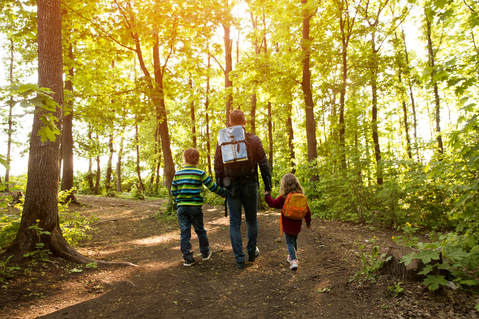
In addition, vacation rentals are located near many points of interest and provide one-of-a-kind experiences while giving you and your children the impression that you are staying in your own homes abroad.
For instance, Scandinavian countries like Norway and Iceland and Central European countries like Austria, Germany, and Switzerland are ideal locations for family trips. These places have vacation homes equipped to provide children with various entertaining activities and educational experiences during their stay.
It is vital to expose infants to various settings early on to reduce the likelihood that they would become too dependent on familiarity and routine and instead develop the ability to be flexible and accept change without complaint.
Resorts
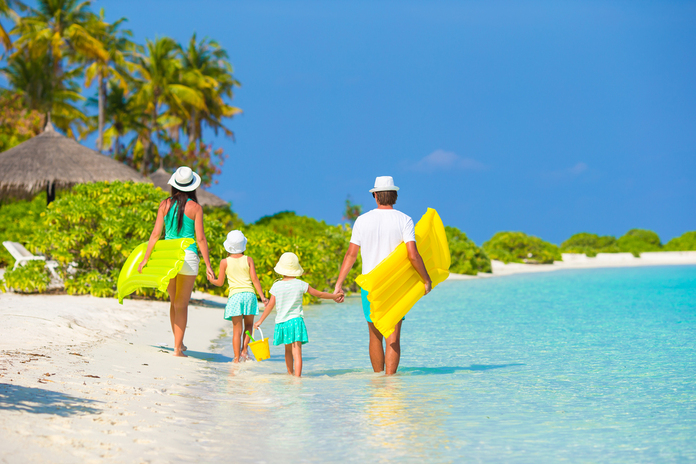
There are several reasons why resorts are preferred over other forms of accommodation and why they have become more and more well-liked in recent years. For example, a resort stay may cost less than a hotel stay, paying for your vacation’s additional costs individually.
The excellent location of resorts is a significant advantage. The most stunning beaches, natural marvels, and conservation areas are mainly next to resort-style holiday houses.
Staying at a resort for your next trip ensures a one-of-a-kind experience. Resorts are built to deliver holiday experiences unlike any other accommodation, and they work hard to guarantee that you will return.
If you are considering a warm-weather European destination such as the Canary Islands, look beyond the resort itself and check the beach access nearby. The official Canary Islands tourism site lets travelers filter beaches for children and highlights practical features such as services and lifeguards. With a baby, easy shade, bathrooms, and a short walk back to your room may matter more than finding the most dramatic beach on the island.
The authentic experience you have will differ depending on the kind of resort you visit, but whether it’s a resort in the hills or one on the saline water, you’ll have a fantastic and one-of-a-kind time.
Start Small and Build Confidence
Your baby’s first trip does not need to be a long-haul flight or a two-week itinerary. A weekend away or a short domestic trip can teach you a lot about what your family actually uses, how your baby sleeps somewhere new, and which parts of the travel day are easiest or hardest.
Traveling with a baby is rarely as streamlined as traveling alone, but it can still be enjoyable, memorable, and surprisingly manageable. Build extra time into the schedule, keep the plan flexible, and focus on the basics that are difficult to improvise: safe transportation, feeding, health needs, and a comfortable place to sleep.
Before an international trip, check how your existing health insurance works abroad and whether your family needs additional travel protection.
Featured stories