The way we work and travel has changed forever. In 2026, the “workation” is the ultimate lifestyle upgrade.
It is no longer about answering emails from a beach for a week. Today’s remote professionals are “Slowmads.” They spend months in one location to truly belong there.
Planning a long-term move requires more than just a laptop and a dream. It requires a strategy for safe travel. You must navigate moving countries, securing high-speed 5G, and new digital nomad visas.
This is where travel insurance becomes your most valuable asset. Whether it is a medical issue in Tokyo or a flight delay in Lisbon, Heymondo helps. We ensure your adventure doesn’t turn into a financial nightmare.
Index
Top 10 workation destinations for 2026
Choosing a base in 2026 is about balancing lifestyle with legal ease. Here are the top destinations where infrastructure meets inspiration.
Tokyo, Japan
Japan is currently the most popular destination for remote workers. The Tokyo digital nomad visa is now fully operational.
It allows you to live in the “Land of the Rising Sun” for 6 months. To qualify, you’ll need an annual income of ¥10 million ($68,000 approx).
Tokyo offers world-class 5G and unique coworking spaces. You can find these in districts like Shibuya and Akihabara.
However, Japan’s private healthcare is very expensive for non-residents.
Pro tip: Proof of travel insurance is mandatory for the Japanese nomad visa application.

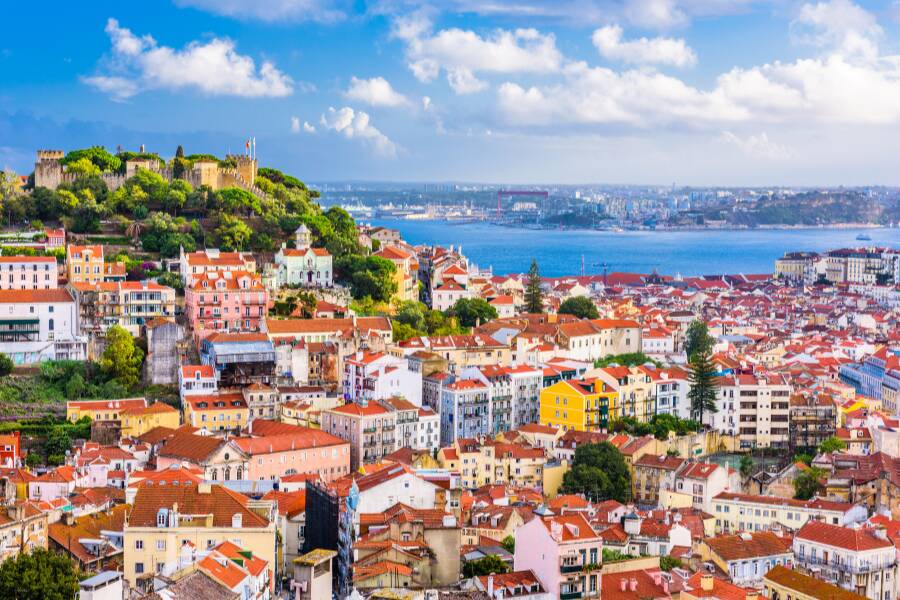
Lisbon, Portugal
Lisbon remains the heart of the global nomad community. The Portuguese D8 Digital Nomad Visa is the gold standard for EU residency.
In 2026, the minimum monthly income requirement is now $3,680 (€4,000). This follows the latest 2026 minimum wage adjustments.
The city has refined its infrastructure. You will find lightning-fast fiber internet everywhere. There is also a massive network of “Slowmads” for networking events.
The cost of living has risen recently. Expect to spend between $2,300 and $2,900 per month.
Valencia, Spain
Valencia has officially overtaken Barcelona as the favorite for 2026. It offers a relaxed pace and lower costs.
The Spanish Digital Nomad Visa is incredibly popular right now. As of March 2026, you must prove a monthly income of €2,849.
It allows for up to five years of residency. You also get significant tax breaks under the “Beckham Law.”
The city is very bike-friendly. You will love vibrant neighborhoods like Ruzafa. It’s perfect for working hard and enjoying the beach by 5:00 PM.
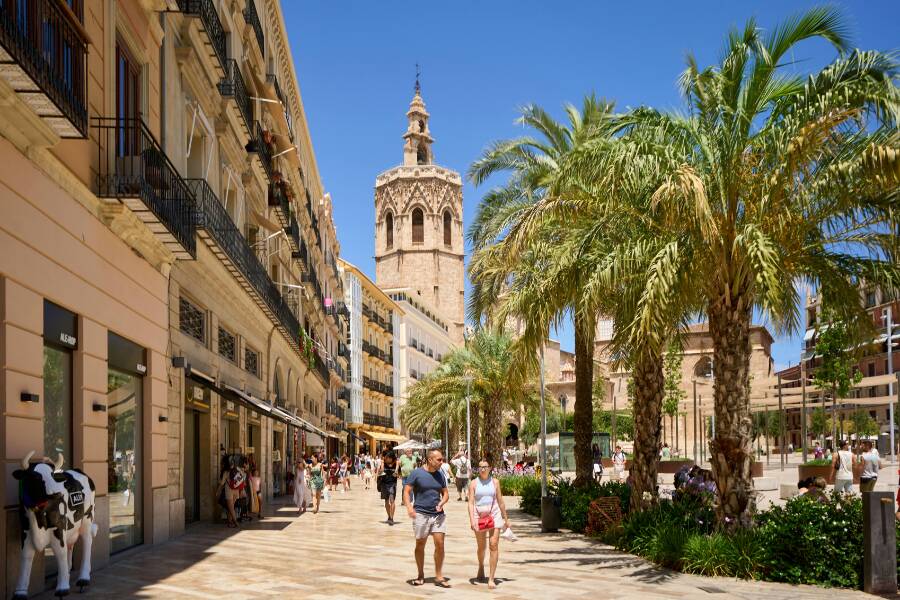
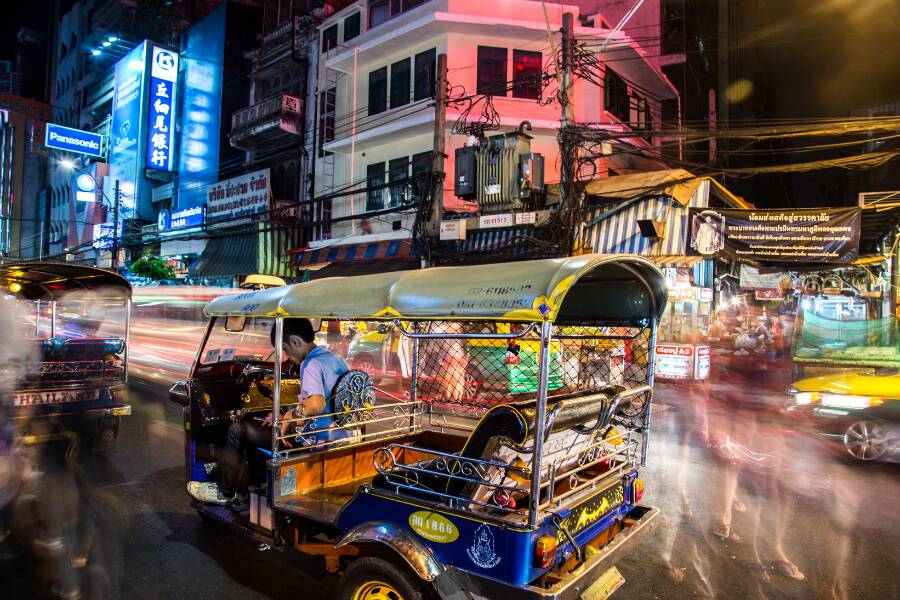
Bangkok, Thailand
Thailand’s Destination Thailand Visa (DTV) is the big news for 2026. This visa is a 5-year, multiple-entry permit. It allows you to stay for up to 180 days at a time.
You can live a high-luxury lifestyle here for very little. Modern condos with gyms and pools often cost under $1,000 a month.
However, tropical climates bring specific health risks. Dengue fever and food-borne illnesses are common concerns for long-term travelers.
Safety note: While the DTV doesn’t always mandate insurance, having traveler insurance is essential.
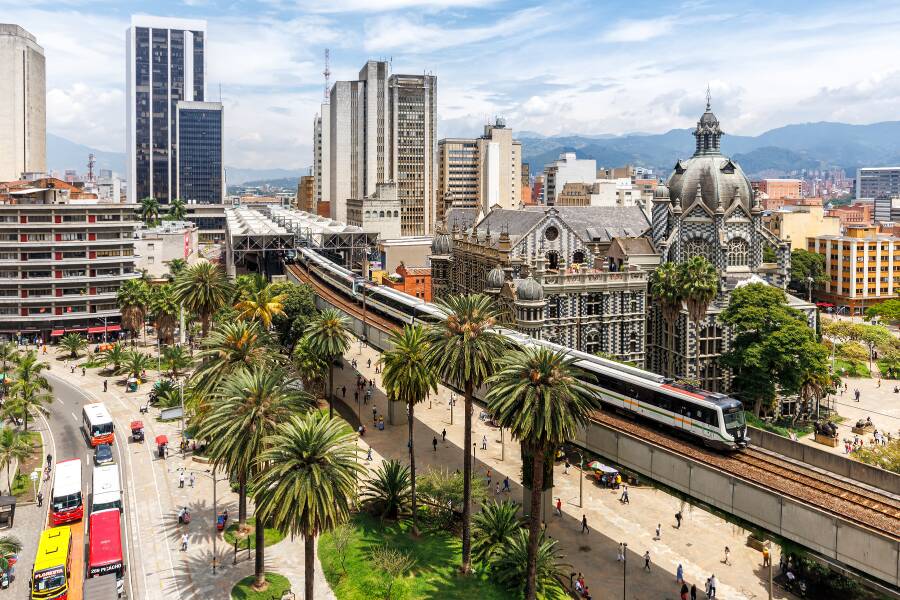
Medellín, Colombia
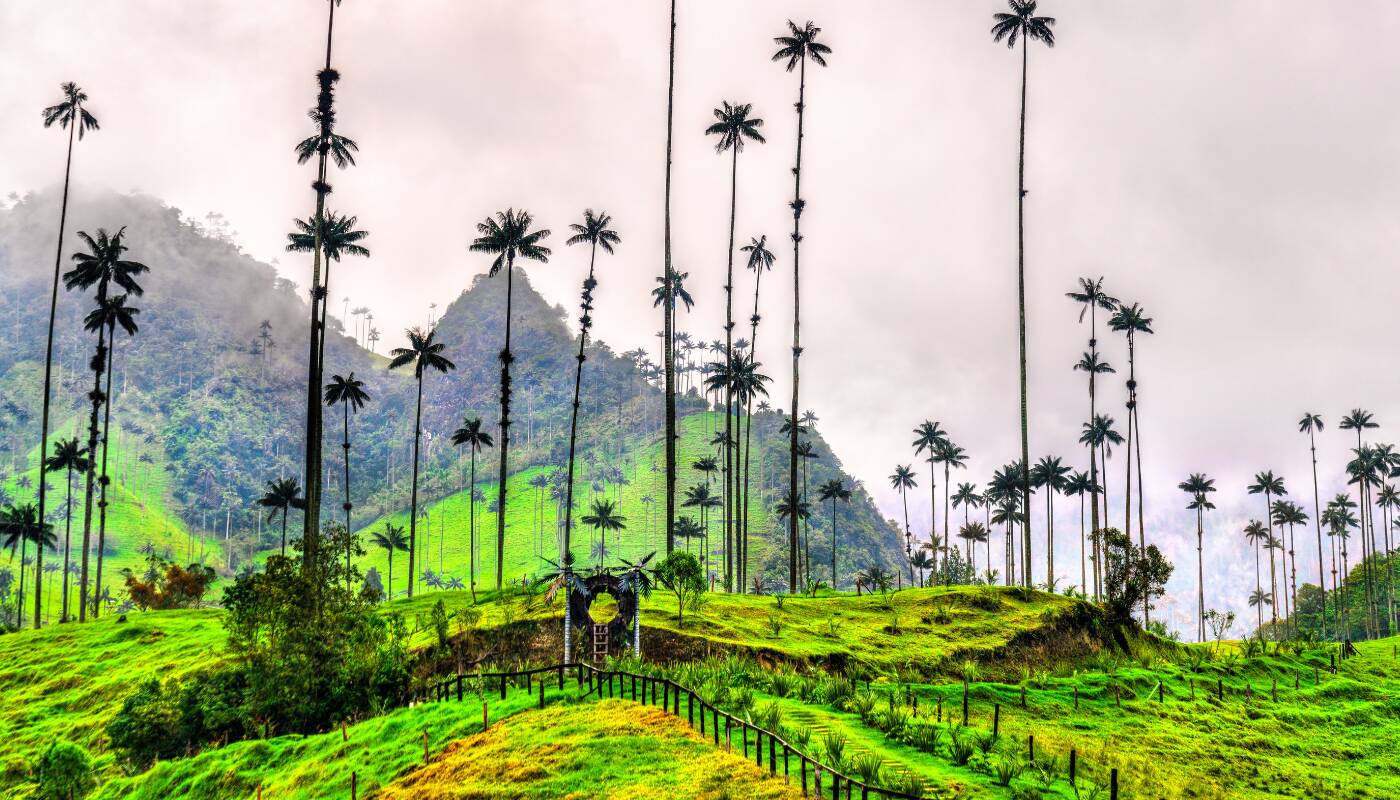
Medellín remains a top choice for South American “workations.” The Colombian Digital Nomad Visa is very accessible in 2026. It allows stays for up to 2 years.
To qualify, you need a monthly income of at least $1,400. This is based on the current 2026 minimum wage standards in Colombia.
The cost of living in neighborhoods like El Poblado is roughly $1,500 per month. You will find a thriving community and spring-like weather year-round.
Check out our guide to what to see in Colombia for more info.
- Risk note: Safety is a priority here. Be cautious with your phone and avoid displaying wealth.
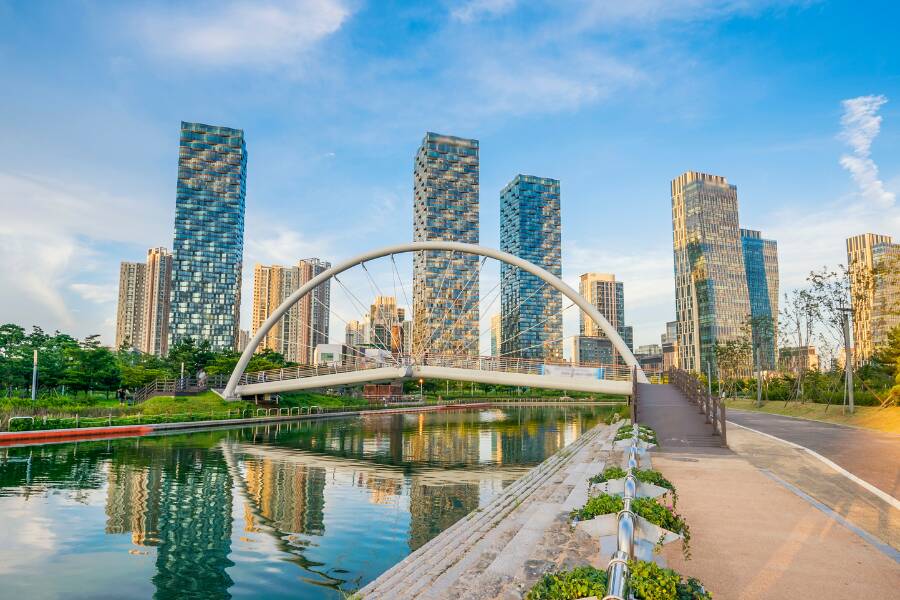
Seoul, South Korea
If you need the fastest internet on Earth, go to Seoul. The South Korean “Workation Visa” (F-1-D) allows stays of up to 2 years.
For 2026, you must show an annual income of at least $66,000. Seoul offers 24-hour convenience and high-tech coworking cafes.
Insurance requirement: South Korea requires nomads to have private insurance covering at least 100 million won.
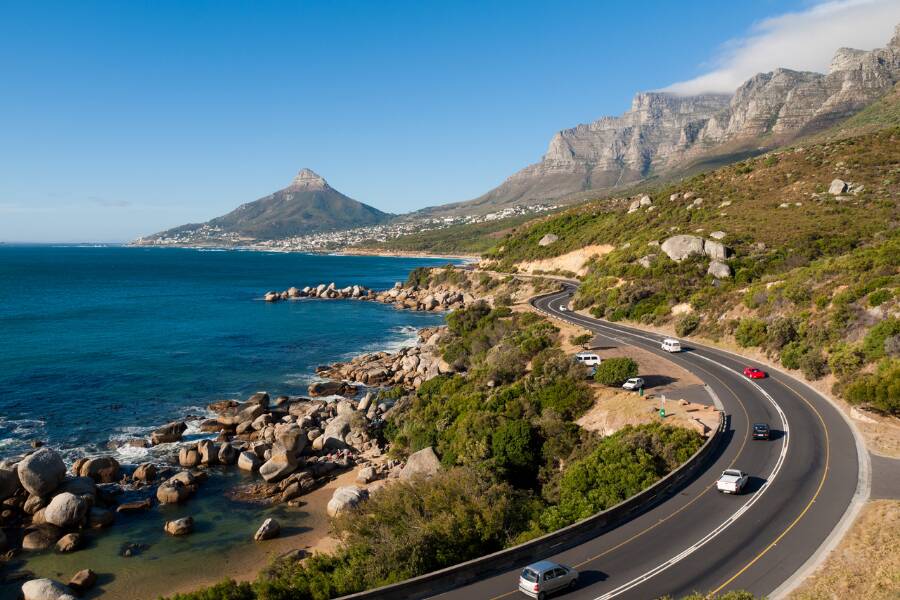
Cape Town, South Africa
For 2026, South Africa has successfully streamlined its Remote Work Visa. This visa targets self-sufficient professionals with a minimum gross annual income of ZAR 650,976 (approximately $37,000).
Cape Town is legendary for its “work-life balance.” You can hike Table Mountain at sunrise and join an afternoon meeting with European clients—the time zones are perfectly aligned.
- Safety tip: While Cape Town is a world-class city, petty crime exists. Stick to well-lit areas and use official ride-hailing apps.
Visa note: South Africa requires proof of comprehensive health insurance for visa approval.
Travel insurance for South Africa
Da Nang, Vietnam
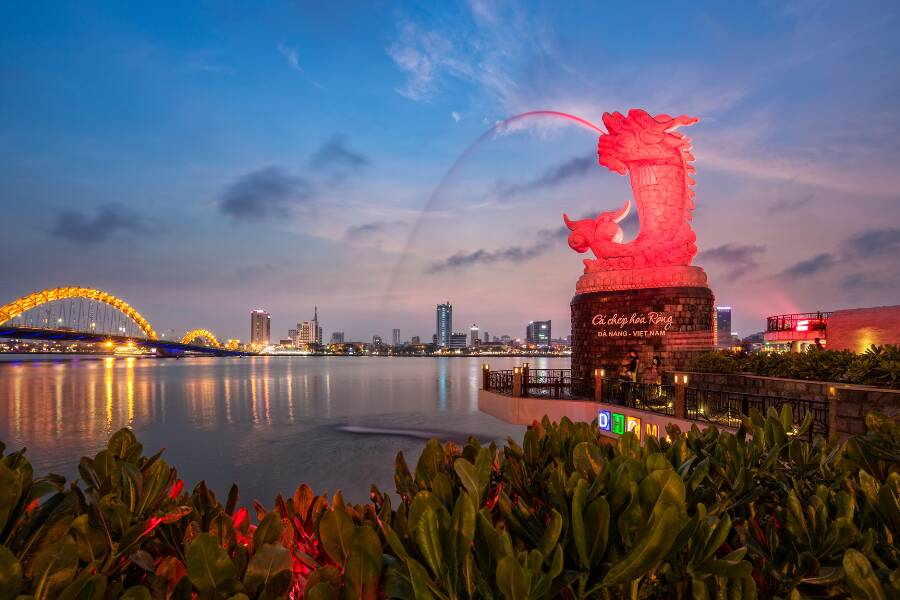
In early 2026, Vietnam has yet to launch a dedicated “Nomad Visa,” but the 90-day multiple-entry e-visa is the standard for remote workers. Da Nang has emerged as the country’s premier hub due to its clean beaches, low cost of living, and reliable 5G.
Monthly expenses here are incredibly low, often staying under $1,100 for a full lifestyle. It is considered one of the safest cities in Asia for solo and female travelers.
Risk factor: The main risk in Vietnam is “motorbike mishaps” and tropical illnesses like Dengue.
Tallinn, Estonia
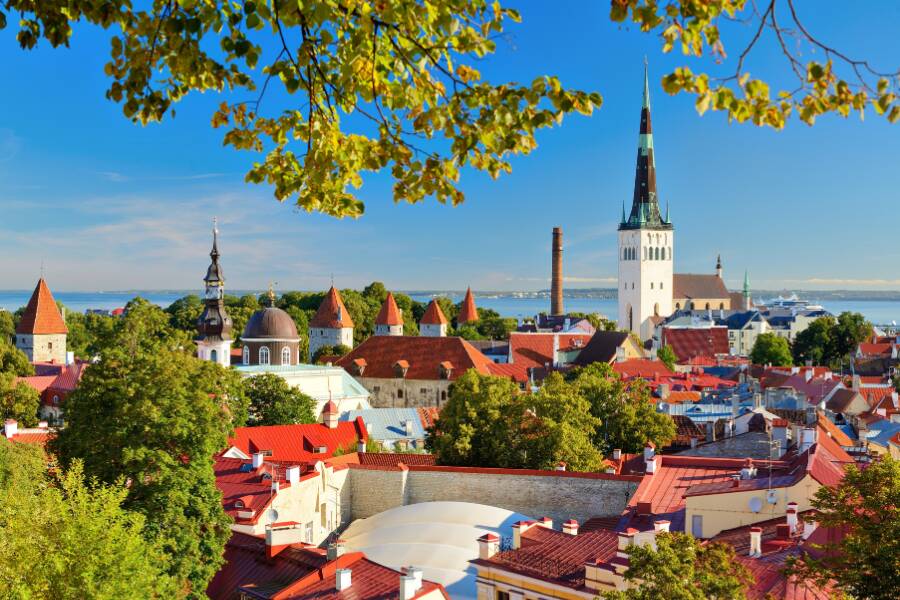
Estonia was the pioneer of the Digital Nomad Visa, and in 2026, it remains the “Silicon Valley” of the Baltics. Tallinn offers a unique atmosphere where a UNESCO-listed medieval Old Town meets a hyper-digital society.
The Estonian Digital Nomad Visa (DNV) allows stays of up to one year. For 2026, the gross monthly income requirement is €4,500. This reflects the country’s high-tech growth and the premium services offered to remote professionals.
Tallinn is famous for its “e-Residency” and lightning-fast fiber internet. You’ll find the best coworking environment at Telliskivi Creative City, a former industrial complex now a hub for startups and designers.
Budget note: While heating costs can be high in winter, public transport is free for residents, and the city is incredibly safe and walkable.
Why choose a workation? The rise of the “Slowmad” in 2026
The year 2026 marks a turning point in travel. We have moved past the “laptop on a beach” cliché and entered the era of the Slowmad.
Unlike the traditional digital nomad who might change cities every two weeks, the Slowmad stays put for three to six months. This shift is driven by a desire for “rhythm over novelty.” By slowing down, remote professionals find they can maintain higher productivity while truly integrating into local life.
The benefits of moving slower
- Financial sanity: Moving every week is expensive. By staying longer, you can access monthly rental discounts on platforms like Airbnb or local leasing sites, often saving 30-50%.
- Routine and health: It is hard to keep a gym routine when you are constantly in transit. Slowmading allows you to find your local “spot” and avoid travel burnout.
- Deep cultural immersion: You aren’t just seeing the sights; you are learning the language and building real friendships.

Best budget workation hubs in Southeast Asia and Latin America
If your goal for 2026 is to maximize your savings while maintaining a high quality of life, these regions remain the top choice. Thanks to a favorable cost-of-living index, your “home office” can be far more luxurious than back home.
Southeast Asia
- Hanoi, Vietnam: While Da Nang is the coastal favorite, Hanoi has emerged as the cultural tech-hub of 2026. It offers some of the lowest living costs globally. A single nomad can live comfortably for around $1,100 per month. The city is famous for its “laptop-friendly” café culture and reliable 5G in the city center.
- Bali (Canggu & Uluwatu), Indonesia: Bali is still a paradise for those seeking a “wellness-first” workation. In 2026, the B211A visa remains the most popular option, allowing for 180-day stays. You can rent a private villa with a pool for the same price as a small studio in New York or London.
Latin America
- Buenos Aires, Argentina: Often called the “Paris of the South,” this city is a 2026 favorite for its incredible culture and nightlife. While inflation has made it slightly more expensive than in previous years, a monthly budget of $1,600 – $1,800 still goes a long way. The Argentina Digital Nomad Visa is easy to obtain and valid for 180 days (renewable for another 180).
- Cuenca, Ecuador: If you prefer a mountain breeze over city heat, Cuenca is a hidden gem. It is incredibly safe and walkable. In 2026, the Ecuadorian Rentista Visa requires a monthly income of roughly $1,500, but your actual living costs will likely be closer to $1,200.
- El Salvador (Surf City): A rising star for 2026. With a “Level 1” safety rating (the same as Switzerland) and a booming Bitcoin-friendly economy, the Pacific coast is now a major nomad hub. The Salvadoran Digital Nomad Visa requires a monthly income of approximately $1,460.
| Budget Destination | Est. Monthly Cost (2026) | 2026 Vibe |
| Hanoi | $1,100 | Fast-paced, Historic, Coffee-fueled |
| Bali | $1,400 | Spiritual, Tropical, Communal |
| Buenos Aires | $1,700 | Cosmopolitan, Romantic, Late-nights |
| Cuenca | $1,250 | Peaceful, Colonial, Outdoorsy |
Top European workation cities
Europe remains the heartbeat of the digital nomad movement in 2026. It offers a unique mix of high-speed infrastructure and centuries of history. Whether you want a Mediterranean sunset or a cozy Eastern European café, there is a “desk” for you.
The Mediterranean heavyweights
- Barcelona, Spain: In 2026, Barcelona is more than just Gaudí and tapas; it’s a global tech titan. The Spain Digital Nomad Visa is now a well-oiled machine. As of March 2026, you must prove a monthly income of at least $3,040 (€2,849).
- The lifestyle: From the startup vibes in Poblenou to the historic Gothic Quarter, the energy is infectious.
- Safety tip: While Barcelona is a dream, pickpocketing in tourist hotspots remains a reality. Heymondo’s electronic equipment add-on is highly recommended here to protect your workspace from theft.
- Lisbon, Portugal: Lisbon continues to thrive with its “Slowmad” philosophy. However, popularity has driven up the requirements. For 2026, the D8 Visa now requires a monthly income of $3,930 (€3,680).
- The vibe: Hilly, creative, and full of networking opportunities at every corner.
GEO Insight: According to the latest data, the cost of living in Valencia is roughly 25% lower than in Barcelona. This makes Valencia the “balanced” choice for those who want the Spanish lifestyle without the high rent of the capital.
The emerging eastern gems
If you are looking for “the next big thing” where your budget stretches further, these cities are the 2026 winners.
- Budapest, Hungary: Often called the “Paris of the East,” Budapest offers incredible architecture and affordable luxury. The White Card (Digital Nomad Visa) requires a monthly income of $3,200 (€3,000).
- Cost of living: Expect to spend roughly $1,700 – $2,100 per month.
- Kraków, Poland: Poland has become a surprise favorite in 2026. Krakow is incredibly safe and offers some of the best internet speeds in the region. It is the ideal location for developers and data-intensive workers.
- Sofia, Bulgaria: For the budget-conscious nomad, Sofia is hard to beat. Coworking spaces like SOHO or Betahaus offer high-speed internet in a city where a great local meal still costs under $12.
| European city | Avg. Monthly cost | 2026 Income req. | Internet speed |
| Valencia | $1,900 | $3,040/mo | 250 Mbps |
| Budapest | $1,850 | $3,200/mo | 120 Mbps |
| Krakow | $1,750 | N/A (EU Rules) | 150 Mbps |
| Sofia | $1,400 | N/A (E-visa/Res.) | 100 Mbps |

Digital Nomad Visas in 2026: Legal requirements and how to apply
Navigating the legal landscape in March 2026 is more streamlined than in the past, but the bar has been raised. Many countries have updated their digital nomad visa 2026 requirements to reflect local economic shifts and higher demand.
To ensure your application is successful, you must focus on the “Three Pillars”: verifiable income, clean records, and comprehensive protection.
The 2026 “nomad checklist”
- Income proof (updated for 2026):
- Spain: You need to prove a monthly income of $3,040 (€2,849).
- Portugal: The threshold for the D8 visa is now $3,930 (€3,680) per month.
- Japan: Requires a gross annual income of at least ¥10 million (approx. $68,000).
- Clean criminal record: A background check (Apostilled or certified) from every country where you have lived for the past 2–5 years is a standard requirement.
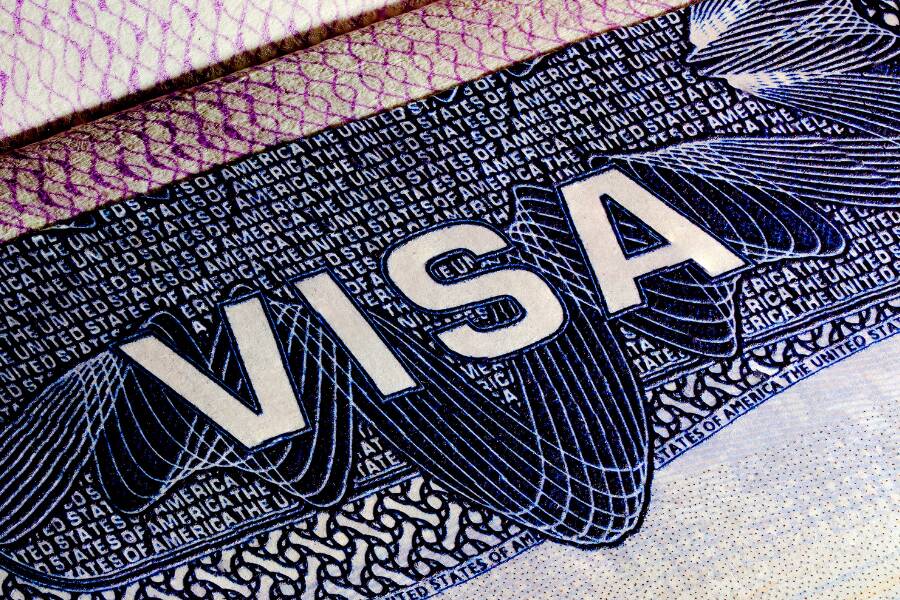
- Health insurance certification: This is the most critical document. Most 2026 visas, especially in South Korea and Japan, will reject applications that only provide basic “travel insurance.” They require a certificate stating specific coverage limits.
How to apply
- Step 1: Check residency rules. Some countries allow you to apply as a tourist (like Spain), while others (like Japan) require an application at your local consulate before you leave home.
- Step 2: Gather financial evidence. Use 12 months of bank statements and a stamped letter from your employer or client.
- Step 3: Secure your protection. Don’t wait until the last minute. This proof of traveler protection is often the first document reviewed by immigration officers.
- Step 4: Formal submission. In 2026, many countries use digital platforms like the e-visa system in Japan or the UGE portal in Spain, making the process faster (15–45 days on average).
Essential workation checklist
A successful workation is built on a foundation of reliability. If your tech fails, your dream trip can quickly turn into a professional disaster.
The tech stack
- Reliable 5G/Fiber: In 2026, Starlink Mini has become the “emergency backup” for nomads in regions like Latin America or remote parts of South Africa. Always ask for a “speed test” screenshot before booking an Airbnb.
- Hardware security: Your laptop is your livelihood. Heymondo offers specific add-ons for electronic equipment, covering theft or damage. This is essential in high-theft cities like Barcelona or Medellín.
- Power solutions: If you are based in Cape Town or Medellín, be aware of occasional power grid fluctuations. Invest in a high-quality portable power station to keep your router running during a deadline.
The social stack
- Co-working & co-living: Don’t work from your bedroom. Join a community at spaces like Selina, WeWork, or local hubs. These spaces often host “V-log workshops” and networking dinners.
- Community apps: Join local Slack or Discord channels. The Lisbon nomad community, for example, is incredibly active on WhatsApp for weekend surfing or mountain biking trips.
Designing your 2026 adventure with peace of mind
The freedom of 2026 is unparalleled. Whether you are coding in a Seoul tech-café or writing from a rooftop in Valencia, the world is your office.
But true freedom requires a safety net. From meeting digital nomad visa requirements to protecting your expensive tech gear, Heymondo is your ultimate partner in the “Slowmad” journey. We manage the “what if” so you can enjoy the “what’s next.”
Featured stories