Last Update: August 2026
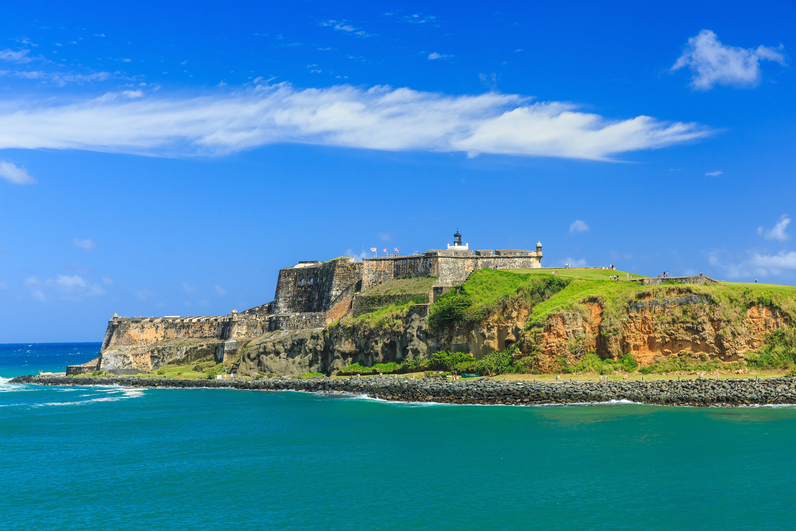
Castillo San Felipe del Morro – usually called El Morro – stands on a high promontory at the western edge of Old San Juan. The six-level fortress was built to guard the entrance to San Juan Bay, and today it is one of Puerto Rico’s most important historic landmarks. It is also part of San Juan National Historic Site and the UNESCO-listed property that includes La Fortaleza and the city’s defensive system.
The fort is worth visiting even if you are not a military-history enthusiast. Its ramps, casemates, sentry boxes, and ocean views make it an easy highlight. The broad lawn also appeals to first-time visitors, families, and photographers.
Index
A Brief History of El Morro
Construction began in 1539. Work continued through repeated expansions and redesigns for more than 250 years. The National Park Service history of El Morro explains this gradual transformation. Spanish engineers turned the original tower into a massive stone fortress. It protected one of the Caribbean’s most strategically important harbors.
El Morro faced several major attacks. Spanish forces repelled Sir Francis Drake in 1595. In 1598, English troops led by the Earl of Cumberland captured the fort from the land side. They withdrew after disease spread through their forces. In 1625, Dutch attackers failed to take El Morro. However, they burned much of San Juan before leaving.
The fort’s military role changed after the U.S. Navy bombarded San Juan during the Spanish-American War in 1898. Puerto Rico then came under U.S. control, and El Morro became part of Fort Brooke. The U.S. military used the site during both world wars. It added observation posts and defenses for modern naval and air threats.
The National Park Service began managing El Morro in 1949. In 1983, UNESCO added the fortifications to the World Heritage List. The listing forms part of La Fortaleza and San Juan National Historic Site in Puerto Rico.
Planning Your Visit to El Morro
- Hours: Visitors can usually enter the fortifications daily from 9:00 AM to 5:00 PM. The site closes on Thanksgiving Day, Christmas Day, and New Year’s Day. Check the official National Park Service planning page before your visit. Special events or maintenance may affect access.
- Admission: The standard entrance fee is $10 for visitors age 16 and older. Children 15 and younger enter free. The receipt remains valid for 24 hours and covers both El Morro and Castillo San Cristóbal. The official fees page lists current prices and fee-free dates.
- Payment: San Juan National Historic Site is cashless and accepts major credit cards and contactless payments.
- What to bring: Wear comfortable shoes and bring water, sunscreen, and a hat. Most of the route has little shade. The historic ramps and stone surfaces can also be steep or uneven.
For the latest opening hours, admission details, payment information, and visitor updates, consult the official National Park Service Plan Your Visit page before you go.
Travel Tip: Use the 24-hour ticket to visit El Morro and Castillo San Cristóbal on the same day or on consecutive days. Start at El Morro early to avoid the strongest heat. There is no visitor parking directly at the entrance, and a ride-share drop-off still leaves a short walk across the grounds.
Getting There and Accessibility
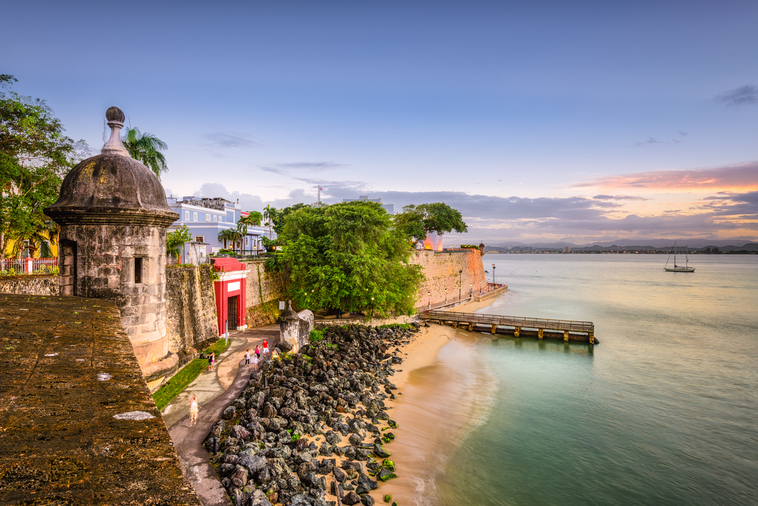
You can walk to El Morro from the center of Old San Juan. The fort’s approach road does not allow private vehicles. Most visitors walk from public parking or use a taxi or ride-share service. You can also include the site in a longer walking route. The NPS provides current directions and transportation information.
The main entrance level, exhibits, bookstore, theater, and some restrooms are accessible. Wheelchair users cannot reach the lower levels. Upper areas may also require steep historic ramps. Travelers with mobility needs should review the park’s accessibility information or contact the site before arrival.
Travel Documents for U.S. Visitors
Puerto Rico is a U.S. territory, so U.S. citizens do not need a passport to travel between the mainland United States and Puerto Rico. However, adults flying domestically must carry a REAL ID-compliant license or another form of TSA-accepted identification. Travelers who are not U.S. citizens should verify the U.S. entry rules that apply to their nationality and status.
For the latest official explanation, see USAGov’s guidance on travel to U.S. territories.
What to See Inside El Morro
The fort can be explored independently, and the National Park Service also offers talks and programs when staffing allows.
- The esplanade: The broad lawn in front of the fort is one of Old San Juan’s most recognizable open spaces. Locals often use it for picnics and kite flying.
- The main plaza and casemates: Explore the rooms where soldiers lived and worked. Nearby exhibits explain the fort’s defenses and daily life.
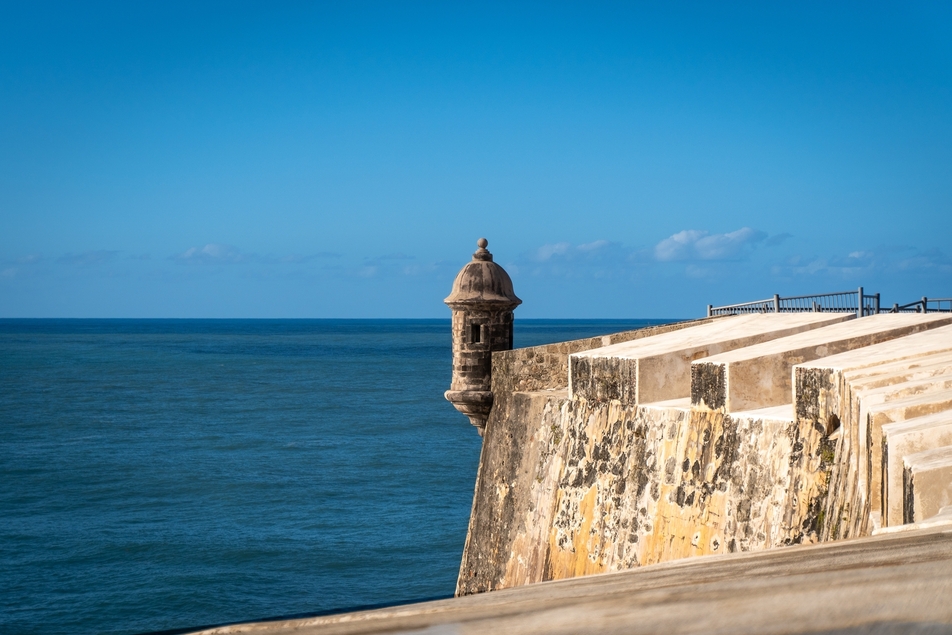
- Garitas and ocean-facing walls: The sentry boxes and outer walls offer some of the best views of the Atlantic Ocean and the entrance to San Juan Bay.
- The lighthouse and military additions: Look for evidence of the site’s later history, including structures added during the period of U.S. military use.
- The park film and exhibits: Start or end your visit with these resources. They provide useful context, especially if you are visiting without a guide.
What to See Near El Morro
El Morro sits within one of the most walkable parts of San Juan. Rather than treating the fort as an isolated stop, combine it with several nearby landmarks.
- Cuartel de Ballajá and Museo de las Américas: The former military barracks opposite the El Morro grounds now house cultural organizations and the Museo de las Américas, which focuses on the history, art, and cultures of Puerto Rico and the Americas.
- Santa María Magdalena de Pazzis Cemetery: This oceanfront cemetery below the city walls is known for its striking setting and the graves of prominent Puerto Rican figures. View it respectfully from the surrounding paths or visit during opening hours.
- Paseo del Morro and the San Juan Gate: Follow the waterfront path below the walls toward the red San Juan Gate, once the ceremonial entrance for important visitors arriving by sea. Learn more about the preserved city walls and gates through the National Park Service.
- La Rogativa: The bronze sculpture commemorates a religious procession held during the British attack of 1797 and overlooks San Juan Bay.
- La Fortaleza: Puerto Rico’s governor’s residence is one of the oldest executive mansions in continuous use in the Western Hemisphere. Free guided visits may be available on weekdays, but reservations and identification are required. Check the official La Fortaleza tour information before going.
- Castillo San Cristóbal: This larger fortress protected Old San Juan from attacks by land. Your El Morro entrance receipt covers admission within the same 24-hour period.
How Much Time Do You Need?
For El Morro alone, plan on 90 minutes to two hours. A half day is enough to visit the fort, walk to the San Juan Gate, and stop at the Ballajá district. A full day allows you to add Castillo San Cristóbal, La Fortaleza, the cathedral, and time for lunch in Old San Juan without rushing.
The best itinerary is usually a loop rather than a checklist. Start early at El Morro, work your way through the western side of the old city, and finish closer to the restaurants and plazas in central Old San Juan.
Before You Go
Travel insurance may help with covered trip cancellations, baggage problems, or medical emergencies, depending on the policy and your existing coverage. Compare Heymondo travel insurance for Puerto Rico and read the policy terms carefully before purchasing.
Featured stories