
You have probably heard the rumors already. Cash is a thing of the past in China. Western credit cards are rarely accepted by local shops. Today, the absolute king of transactions is the digital QR code.
Facing a completely different financial ecosystem can feel intimidating. This is especially true while planning your itinerary. Do not let financial anxiety hold you back. Traveling through this beautiful country is an incredible experience.
This comprehensive guide will teach you every local payment trick. You will navigate the markets like a true professional.
Your only real worry will be choosing which delicious street food to try next. Let’s make sure your journey is smooth and successful.
Index
How to pay in China as a foreigner? Set up your apps early
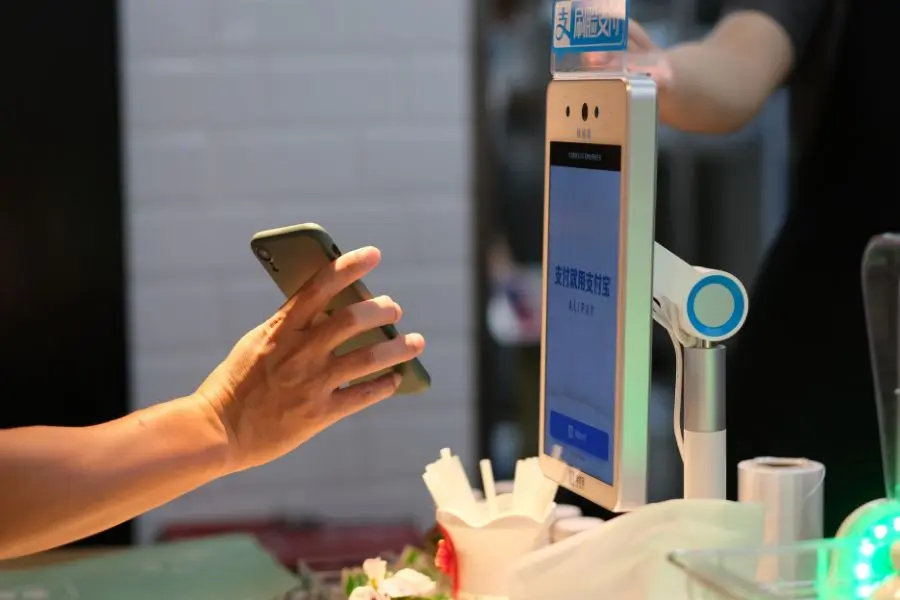
To pay in China as a foreigner, link your international card to Alipay or WeChat Pay. Major hotels accept cash. However, 90% of local vendors exclusively prefer digital QR codes.
Forget about searching for local currency exchange booths at the airport. To move around China efficiently, you need to go digital.
You can easily link your everyday international cards to local platforms. Cards from modern banks like Revolut or N26 work perfectly.
Traditional Visa and Mastercard options are also widely supported inside the apps. This setup bridges the gap between Western banking and the Chinese ecosystem.
Activating the Top Chinese payment apps
Two major digital wallets dominate the country’s marketplace. You should download both before your flight.
- Alipay: This is the easiest option for international travelers. Download the app and register with your mobile number. Add your card details in the “Cards” section. It is immediately ready for use.
- WeChat Pay: This platform lives inside China’s favorite social media app. Its digital wallet system is incredibly reliable.
Having both platforms configured provides excellent backup options. If one network faces a temporary glitch, you simply use the other. This simple redundancy ensures great financial travel safety on the road.
💡 Verify your profile before departure
Always complete your mobile wallet setup while you are still at home. The verification process requires an SMS security code. Receiving this text can be very difficult if you are already using an international eSIM abroad.

How to pay for things in China: Scanning vs. showing codes
The daily transaction process is highly visual. You will not be swiping plastic cards or counting physical coins.
Instead, you will open your chosen chinese payment app at the register. The entire process takes only a few seconds.
The two ways to scan QR codes
Understanding the two primary transaction modes will make you feel like a local:
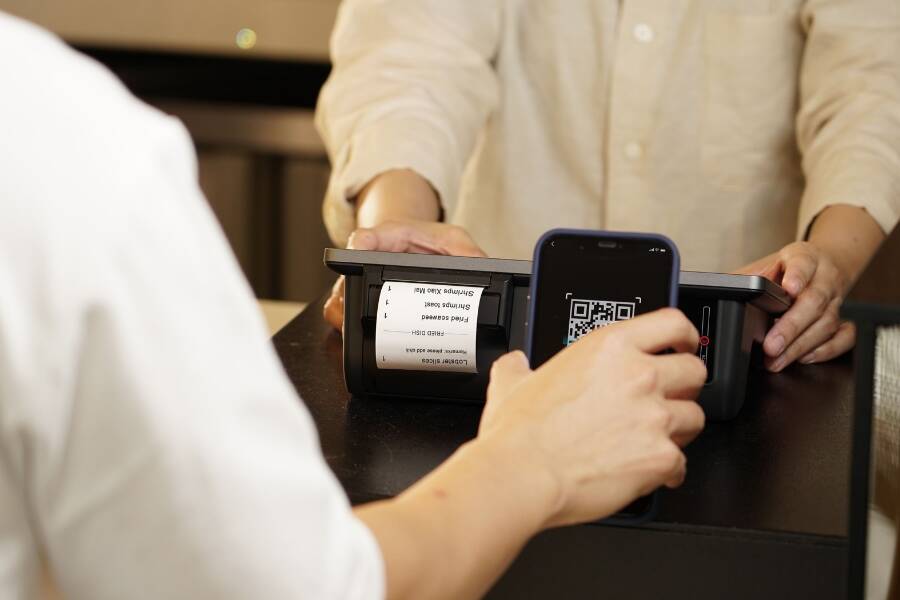
- The “scan” method (user scans merchant): Open your app and tap the camera icon. Scan the static QR code displayed on the shop counter. Enter the transaction amount manually and confirm with your passcode.
- The “pay/receive” method (merchant scans user): Generate your personal QR code on your phone screen. Show this code to the store clerk. They will scan your screen with a handheld laser reader.
The second method is common in large supermarkets and modern franchises. It processes the payment automatically without requiring you to type the price.
| Payment scenario | Preferred app mode | Transaction speed |
| Street food stalls | Scan vendor code | Fast |
| Convenience stores | Show personal QR code | Instant |
| Local taxi rides | Scan driver code | Fast |
| Subway turnstiles | Show in-app transit code | Instant |
The vital importance of phone battery
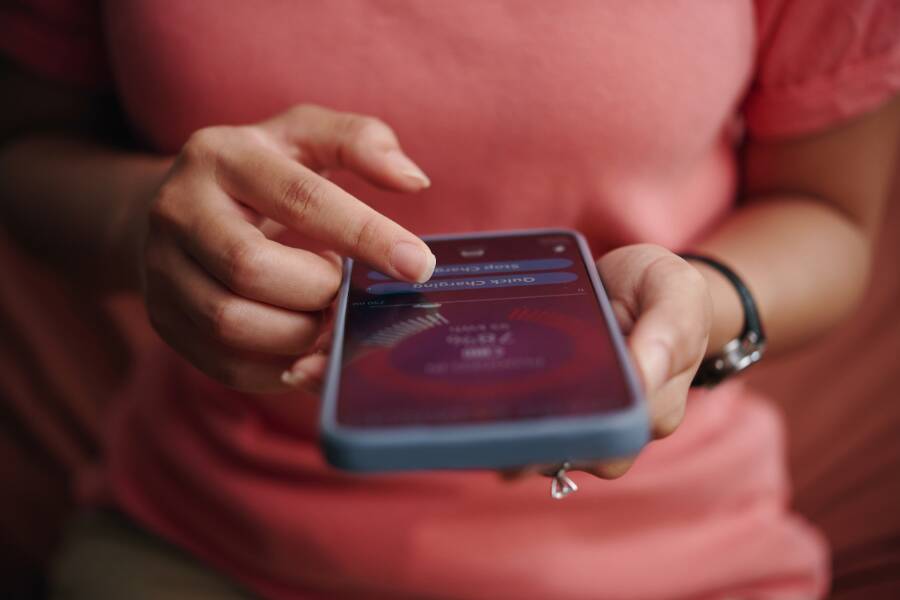
In a cashless society, your smartphone functions as your physical wallet. If your battery dies, you lose access to your money.
Always carry a fully charged external power bank in your daypack. Keeping your phone alive is a fundamental rule of safe travel.
What about the new Digital Yuan (e-CNY)?
The Digital Yuan is China’s official central bank digital currency. It is not mandatory for international tourists, as Alipay remains the daily standard.
You might read about the new digital currency during your trip research. The concept sounds like advanced science fiction.
However, you do not need to stress about it. The e-CNY system is not the primary way tourists handle their expenses.
Why you can skip the e-CNY App
The digital yuan is designed to increase financial oversight. It works well, but it is not necessary for short-term vacations.
Alipay and WeChat Pay still process over 99% of daily retail transactions. Focus your energy on mastering those two platforms instead. They provide the most reliable path for navigating payment china networks without disruptions.

Security and data: Browse and pay without fear
Protect your digital payments by utilizing a reliable virtual private network (VPN). Avoid accessing personal banking apps through unsecured public Wi-Fi hotspots.
As a company dedicated to your peace of mind, we must emphasize digital security. Your financial data requires protection while exploring foreign networks.
Navigating the local internet safely
Many Western websites and communication apps are blocked by local firewalls. A premium VPN is essential for international travelers.
It allows you to access your home banking apps securely. It also lets you manage your digital wallets without sudden security freezes.
Many modern travel eSIM cards now include built-in data encryption features. Always use encrypted cellular data instead of open airport Wi-Fi networks.
Understanding the global travel context
While researching your trip online, you might encounter complex geopolitical news. For instance, you might see articles about how much does the U.S. pay in tariffs to China.
Global trade relationships are incredibly intricate. Fortunately, your personal vacation finances are much simpler to manage.
Just focus on protecting your smartphone data from local cyber risks. Maintaining good digital habits guarantees excellent personal travel safety wherever you go.
Tipping in China: The Golden Rule to avoid mistakes
Tipping is not a part of traditional Chinese culture. Leaving extra cash on a restaurant table can cause confusion or even offense.
In many Western countries, tipping is practically mandatory. However, the cultural rules change completely when you visit Asia.
Why you should keep your change
In standard restaurants and local taxis, tipping is simply not done. Employees are paid regular wages, and extra cash is uncalled for.
If you leave money behind, a waiter might run after you to return it. They will assume you forgot your change by accident.
Only ultra-luxury international hotels or private tour guides are accustomed to tips today. For normal daily interactions, a sincere thank you is the best reward. Saying a warm xièxiè shows true respect for the local culture.

General tips for your trip to China: Visas and weather
China has recently relaxed its entry requirements for many global citizens. Many European nationalities can now enter visa-free for short tourism stays.
However, international immigration policies can change quickly. Always verify the rules on official embassy websites before booking your flights.
Preparing for seasonal weather patterns
According to reports from the National Meteorological Center of China, extreme weather can impact travel plans. The regional typhoon season runs from May through November each year.
These powerful tropical storms primarily affect southern and eastern coastal provinces. Heavy rainfall can cause sudden train cancellations and major flight delays. Always design your travel itinerary with built-in flexibility.

Health, safety, and emergency medical support
When traveling through Asia, financial logistics are only half the battle. Your physical well-being is always the top priority.
An unexpected health issue can happen to anyone. Navigating foreign hospitals requires the right tools and information.
💡 Expert Tip:
Massive metropolitan areas like Beijing and Shanghai offer world-class medical care. High-end international clinics, such as United Family Healthcare, accept traditional Western credit cards easily. However, smaller regional clinics often demand immediate, upfront mobile payments via QR code before treating patients.
Don’t pay upfront during a health crisis
Medical expenses in foreign countries can escalate dramatically within a few hours. This reality is why comprehensive traveler protection is completely non-negotiable.
Just as your local payment apps require a steady data connection, the Heymondo App operates globally via Wi-Fi or local cellular data. It connects you to professional medical assistance 24 hours a day.
If you face a sudden medical emergency, our team coordinates directly with the hospital staff. We arrange the logistics and handle the medical bills directly.

Frequently Asked Questions
Here are some of the most common questions asked before traveling to China.
Can I use my standard Western credit card anywhere in China?
Generally, you cannot. Traditional card readers are very rare in normal retail shops. You can only use physical cards at major international hotels or luxury western boutiques. For daily activities, you must use Alipay or WeChat Pay.
Is it safe to upload my official passport details to these payment apps?
Yes, the registration process is completely secure. The local government requires identity verification for all mobile payment networks to prevent fraud. It is a standard procedure for millions of international visitors every year.
What should I do if my smartphone battery dies while out sightseeing?
This can be a serious issue in a cashless society. Always travel with a reliable external power bank in your bag. As an absolute emergency backup, carry a small amount of physical paper cash tucked away safely.
Do these mobile payment apps work without an active internet connection?
No, you need a reliable data connection to scan or generate transaction QR codes. Purchasing a local travel eSIM or renting a portable pocket Wi-Fi device is highly recommended for your trip.
Are there any transaction fees for using foreign cards inside the apps?
Small daily transactions under 200 RMB are usually completely free for tourists. For single transactions over 200 RMB, the platforms generally apply a 3% fee. Check with your home bank regarding foreign transaction rules too.
Discover China insured with Heymondo
Learning how to pay for things in china is the ultimate key to a wonderful vacation. By setting up your digital profiles before your flight, you unlock total freedom. You will easily buy local crafts, ride modern subways, and enjoy authentic night markets.
True travel safety involves protecting your health just as much as your financial data. The World Health Organization (who.int) emphasizes the immense value of proper medical planning before embarking on international journeys. Unforeseen situations can happen even on the most carefully planned vacations.
An extensive travel insurance policy with Heymondo ensures you never have to face emergencies alone.
Featured stories