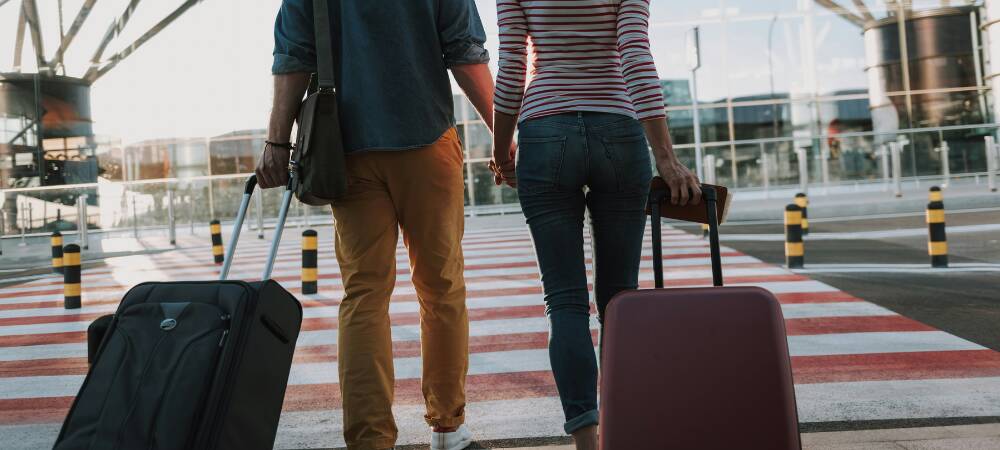
According to the U.S. Department of State Brazil Travel Advisory, Brazil is currently under Level 2: Exercise Increased Caution due to crime and kidnapping. Specific Level 4: Do Not Travel restrictions also apply to border zones and informal housing developments.
Planning a trip to Brazil often brings a mix of excitement and hesitation. You might picture golden beaches in Rio de Janeiro, great dining in São Paulo, and the mist of Iguaçu Falls. At the same time, international headlines focus heavily on urban crime. That leaves many travelers wondering what daily life on the ground actually feels like.
The short answer is yes, Brazil is safe for prepared traveler. Millions of international tourists explore the country every year and return home with great memories. The secret to a smooth trip is not avoiding Brazil altogether. Instead, you need to understand how safety changes by neighborhood, time of day, and travel style. When you swap vague fear for smart local habits, Brazil becomes a warm and rewarding place to visit.

Index
Official Travel Advisories & Areas to Avoid
Before you book flights or internal transfers, learn what government safety warnings mean for a standard vacation. A Level 2 classification puts Brazil in the same risk group as several popular European and Latin American destinations. Standard tourist areas remain open and active, as long as you stay alert.
However, the U.S. government issues strict Level 4: Do Not Travel warnings for specific areas. In these zones, local authorities have limited control and emergency services cannot guarantee access:
- International land borders within 100 miles of Brazil’s boundaries with neighboring countries. Exceptions apply for established tourist hubs like Foz do Iguaçu National Park and Pantanal National Park.
- Informal housing developments, commonly known as favelas, vilas, comunidades, or aglomerados, even when you go with a tour guide.
- Satellite cities surrounding Brasília, such as Ceilândia, Santa Maria, São Sebastião, and Paranoá, between 6:00 p.m. and 6:00 a.m.
Respecting official “Do Not Travel” boundaries protects both your safety and your coverage. Ignoring government advisories or acting with gross negligence can invalidate your assistance if an incident occurs.
Skipping guided favela tours is an easy way to keep your trip both safe and ethical. Focus your cultural plans on historic neighborhoods, community-run cultural centers in legal districts, and licensed city walking tours instead.
Regional Safety Breakdown for Popular Destinations
Brazil is roughly the size of the continental United States, so treating the whole country as one safety zone does not work. Your daily precautions will look very different on an Atlantic beach than they will in a busy financial hub.
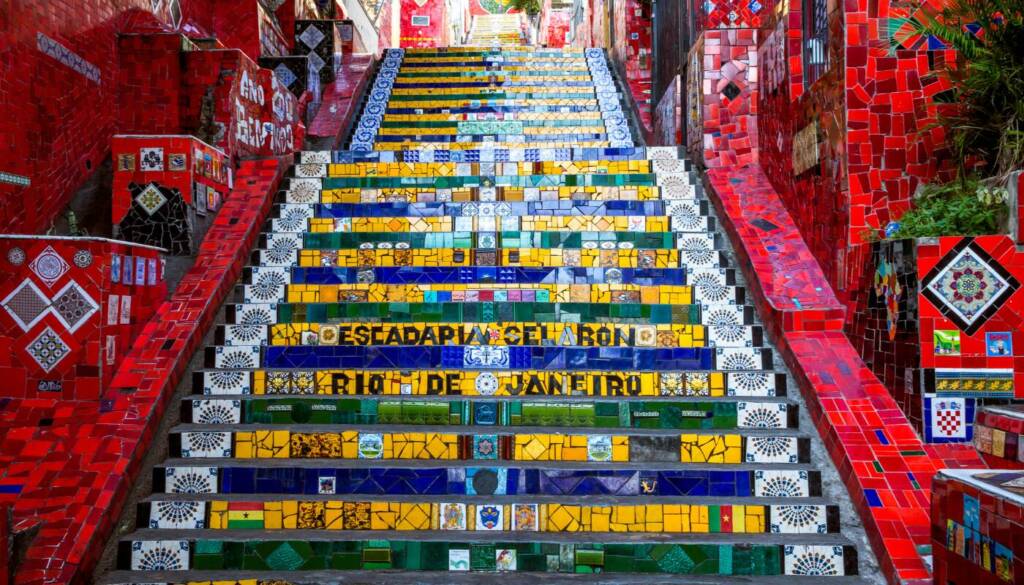
Rio de Janeiro
Rio’s dramatic geography places wealthy beach neighborhoods right next to hillside communities. Because of this layout, safety can shift within just a few blocks. Tourist hubs like Ipanema, Leblon, and Copacabana are lively and well-patrolled during the day, especially along the beachfront promenade.
Safety Tips: Stick to well-lit main avenues after sunset, and avoid walking on the sand at night once the beaches empty out. When you visit landmarks like Christ the Redeemer or Sugarloaf Mountain, use official ticket channels and licensed transport. Don’t accept unsolicited rides near trailheads.

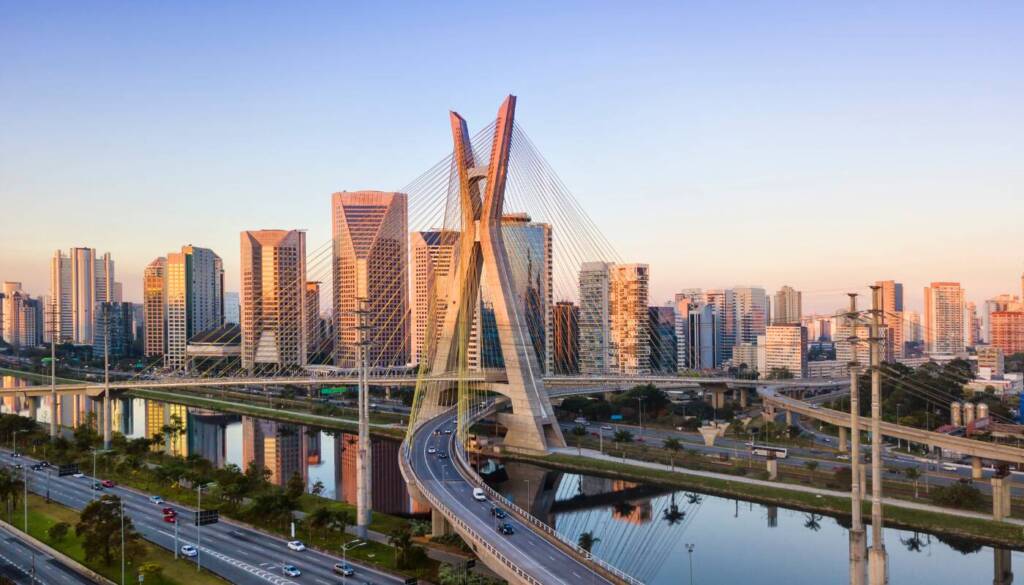
São Paulo
As South America’s largest city, São Paulo feels much like New York or Chicago. It is bustling, modern, and easy to navigate once you know the neighborhoods. Districts like Jardins, Pinheiros, Itaim Bibi, and Vila Madalena offer lively street life, boutique hotels, and top restaurants where daytime walking is straightforward.
Safety Tips: Use extra caution in the historic downtown area (Centro, especially around Praça da Sé and Luz) and along Avenida Paulista after dark. Phone snatching from passing cyclists or motorcyclists is common there. At night, always order a rideshare directly to your restaurant or hotel entrance instead of waiting on the curb with your cell phone out.
Iguaçu Falls and Eco-Destinations
Nature-focused spots such as Foz do Iguaçu, Bonito, Paraty, and the Pantanal see far less street crime than major coastal cities. Here, your main safety focus shifts from urban pickpocketing to nature awareness, licensed tour operators, and reliable transport.
Safety Tips: If you plan to cross the border from Foz do Iguaçu to see the Argentine side of the falls, check entry rules for both countries ahead of time. Always carry your physical passport rather than a digital copy.

Everyday Street Smarts & Protecting Your Belongings
Most incidents affecting tourists in Brazil are crimes of opportunity rather than violent confrontations. Thieves look for easy targets, such as unlocked smartphones, visible jewelry, and unattended bags on beaches or restaurant patios.
A few low-profile habits will sharply lower your profile as a target:
- Keep your cell phone tucked away while walking on public sidewalks. Step inside a café, pharmacy, or shop lobby if you need to check a map or message.
- Leave expensive watches, designer bags, and sentimental jewelry at home. Carry only the cash and one physical card you need for the day.
- Never leave your backpack, towel, or cell phone alone on the beach while you swim. Ask a trusted neighbor to watch your spot, or take turns entering the water.
- Watch your drink being made at bars and street kiosks, and never accept open drinks from strangers. Drink spiking and tainted alcohol incidents have been reported in nightlife districts.
- Set up a secondary travel phone or turn on stolen-device protection, banking app limits, and cloud backups before leaving the U.S.
Insurance Tip: You should also know how protection works if an item goes missing. Standard travel policies separate petty theft (unnoticed pickpocketing without force, which is usually excluded) from robbery or forced theft involving violence, threats, or broken luggage locks. If you experience a robbery or lose key documents like your passport, file a formal police report within 48 hours. You will need this report to process a claim or get document replacement help.
Health, Vaccines, and Nature Precautions
Preparing for Brazil’s tropical climate matters just as much as packing a money belt. Review the CDC Brazil Traveler Health Recommendations with your primary care provider before you leave, ideally four to six weeks prior to your flight.
Brazil does not require proof of yellow fever vaccination for travelers arriving directly from the United States. Still, the CDC strongly recommends the yellow fever vaccine for visitors aged nine months and older heading to most popular states. This includes Rio de Janeiro, São Paulo, Minas Gerais, Bahia, and Paraná, which is home to Iguaçu Falls. Mosquito-borne illnesses like dengue, Zika, and chikungunya are also present year-round. Pack an EPA-registered insect repellent with DEET or picaridin, and wear lightweight long sleeves at dusk and dawn.
Food and water habits also need a few quick adjustments:
- Drink bottled, filtered, or boiled water instead of tap water. Check that bottle seals are intact when you buy from beach vendors.
- Enjoy fresh street food, like pão de queijo or acarajé, from busy stalls with high turnover where food is cooked hot in front of you.
- Stay hydrated and apply reef-safe sunscreen often, as summer temperatures in coastal cities regularly climb above 90°F.
When you explore remote nature reserves like the Amazon Basin or the Pantanal, private clinics can be hours away by boat or small plane. Comprehensive International Travel Insurance ensures that if a sudden illness or injury strikes far from a major hospital, an emergency team can step in. They can coordinate hospital admission deposits or arrange medical transport to an equipped facility.
Always confirm that your park or waterway tours use licensed local guides and follow standard safety gear rules, especially around river currents and wildlife.

Frequently Asked Questions About Traveling to Brazil
Still have a few practical questions before you pack? Here are quick answers to what travelers ask us most about getting around, paying, and staying safe in Brazil.
Is Brazil Safe for Solo Female Travelers?
Yes, many women travel solo across Brazil every year, especially in well-connected spots like Rio de Janeiro, São Paulo, Florianópolis, and Paraty. Book centrally located, well-reviewed accommodation and use vetted rideshare apps. Joining small-group daytime walking or food tours is also a great way to explore with confidence and enjoy Brazil’s warm social culture.
Should I Use Uber or Street Taxis in Brazilian Cities?
Rideshare apps like Uber and 99 are widely available in major Brazilian cities. Locals and visitors alike prefer them because routes are GPS-tracked and fares are paid cashlessly in the app. Always check the license plate, car model, and driver’s photo before getting in, and avoid hailing unmarked cars on the street late at night.
How Much Cash Should I Carry, and Are Credit Cards Accepted?
Brazil is largely cashless. Contactless credit or debit cards from Visa and Mastercard work almost everywhere, even with beach vendors selling coconuts and chairs. Carry a small amount of Brazilian reais, around $20 to $40 worth, in small bills for tips or rural kiosks. Keep a close eye on your card during transactions to prevent skimming.
What Happens if I Have a Medical Emergency or Lose My Passport in Brazil?
If you need urgent medical care or lose your passport, contact your travel assistance provider right away before paying out of pocket whenever possible. With Heymondo, you can reach the medical assistance team 24/7 via the app or by phone. The team can coordinate direct hospital admission guarantees or give you step-by-step help with local police reports and embassy passport replacement.
Enjoy Brazil Protected Against the Unexpected
Smart neighborhood choices, basic street awareness, and solid health prep let you enjoy Brazil’s culture, music, and natural beauty with peace of mind. Reliable travel insurance to Brazil means you never have to handle an unexpected clinic visit or stolen passport alone. Whenever you are ready to finalize your plans, explore travel insurance for Brazil so you can focus on enjoying your journey.
Featured stories