It is the peak of the shoulder season: temperatures are rising, the landscape is a riot of wildflowers, and, most importantly, flight and hotel prices haven’t yet reached their summer peaks.
If you’re looking for an inspiring, factual, and deeply practical guide to the road less traveled, these five destinations offer the perfect blend of cultural depth and breathtaking scenery.
Index
The Azores, Portugal
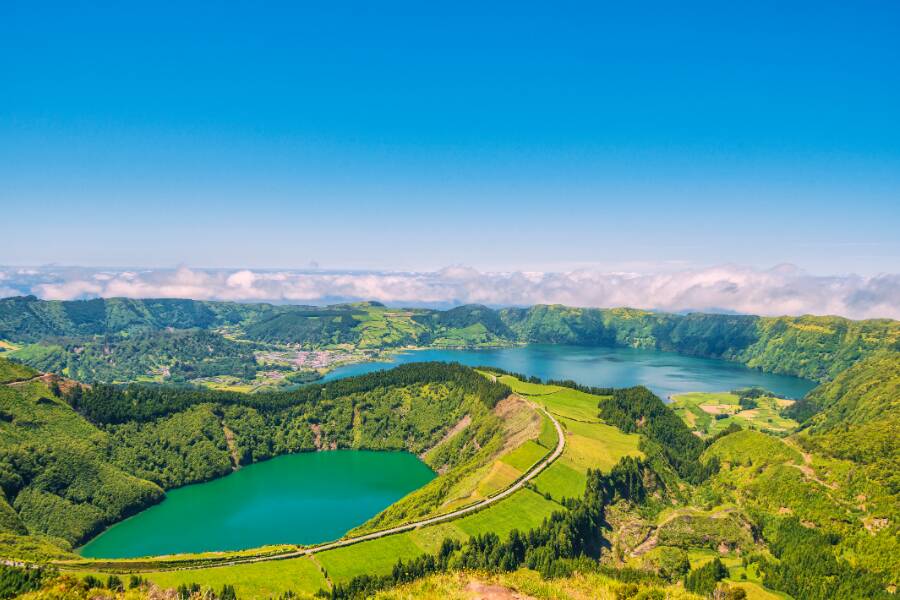
This nine-island archipelago is the ultimate destination for the adventure traveler. It is a world of volcanic craters, steaming hot springs, and emerald-green pastures.
Why The Azores in May?
May is the peak of the Blue Whale Migration.
- Weather: Changeable but mild (17°C to 20°C). You might experience four seasons in one day, which only adds to the drama of the landscape.
- Botany: The legendary blue hydrangeas and pink azaleas begin their bloom across the islands.
Top things to do
- Sete Cidades (São Miguel): Hike the rim of this massive twin-lake crater. One lake is blue, the other green; legend says they were formed by the tears of star-crossed lovers.
- Furnas hot springs: Soak in iron-rich thermal pools and eat Cozido, a stew cooked entirely by volcanic heat in the ground.
- Whale watching: Book a tour from Ponta Delgada or Pico. In May, you have a high chance of seeing the Blue Whale, the largest animal to ever exist.
Aarhus, Denmark
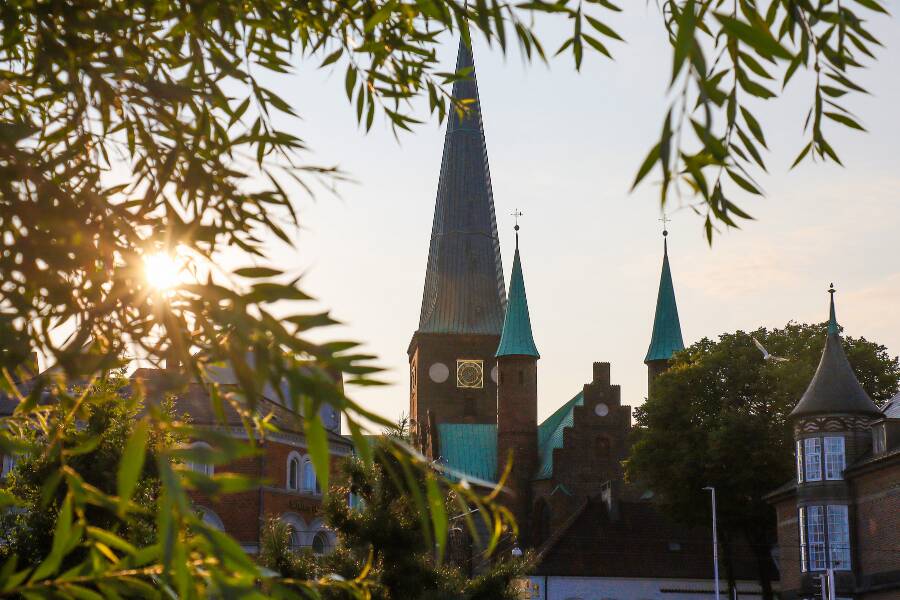
Aarhus is often called the “world’s smallest big city.” As Denmark’s second-largest hub, it balances a youthful, creative energy with ancient Viking roots. By May 2026, the city will have fully shaken off its winter coat, transforming into an outdoor playground.
Why Aarhus in May?
In May, the “Spring Feeling” (forårsfornemmelser) is a tangible event. Locals reclaim the streets, and the daylight stretches until nearly 10:00 PM.
- Weather: Expect crisp, sunny days with highs of 15°C to 17°C. It’s the perfect temperature for cycling, the preferred way to see the city.
- The Vibe: The Botanical Gardens are in full bloom, and the harbor front (Aarhus Ø) becomes a hub for sunbathers and sea-swimmers.
Top things to do
- ARoS Art Museum: Famous for “Your Rainbow Panorama,” a circular walkway that lets you view the city through every color of the spectrum.
- Den Gamle By (The Old Town): An open-air museum where you can walk through Danish history from the 1500s to the 1970s.
- Latin Quarter: The oldest part of the city, filled with crooked cobblestone streets, designer boutiques, and some of the best coffee in Scandinavia.
Key event: SPOT Festival
May 1–2, 2026. This is the ultimate “I saw them before they were famous” event. The SPOT Festival showcases emerging Nordic talent across 20+ venues. The atmosphere is electric, and the entire city feels like a giant backstage party.
Matera, Italy
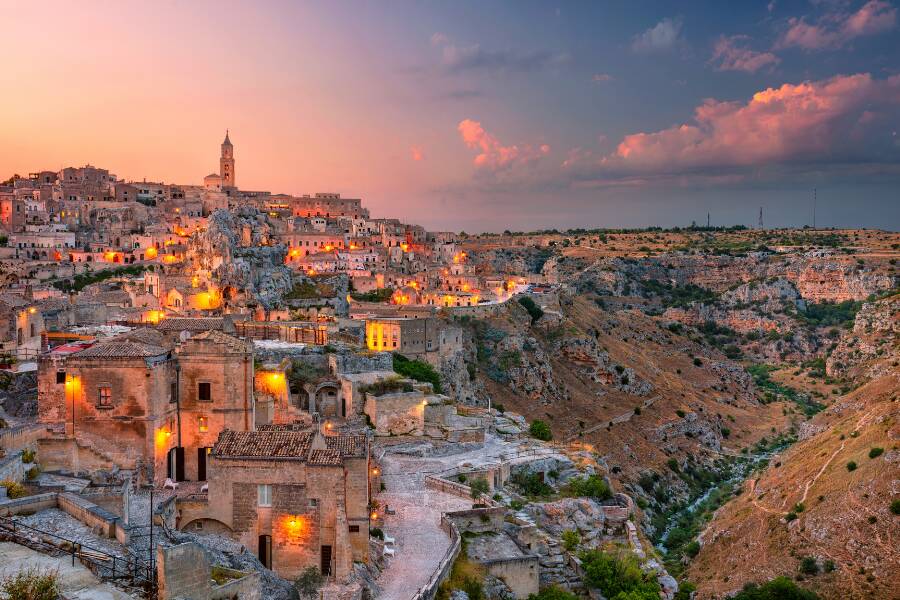
Matera is a city literally carved into the rock. It is one of the oldest continuously inhabited places on Earth, and walking through its Sassi (cave districts) feels like walking through a film set.
Why Matera in May?
Matera is made of stone. In summer, the heat can be oppressive. In May, the stone stays cool, and the breeze through the ravine is revitalizing.
- Weather: A comfortable 22°C.
- The landscape: The Murgia plateau, usually dry and brown, is still green and flowering in May.
Top things to do
- Sassi walking tour: Get lost in the labyrinth of stairs and alleys. Many caves are now boutique hotels and bars.
- Palombaro Lungo: A massive, cathedral-like underground cistern that once held the city’s water supply.
- Murgia Materana Park: Hike across the ravine to see the city’s silhouette from the prehistoric caves on the opposite cliff.
Leipzig, Germany
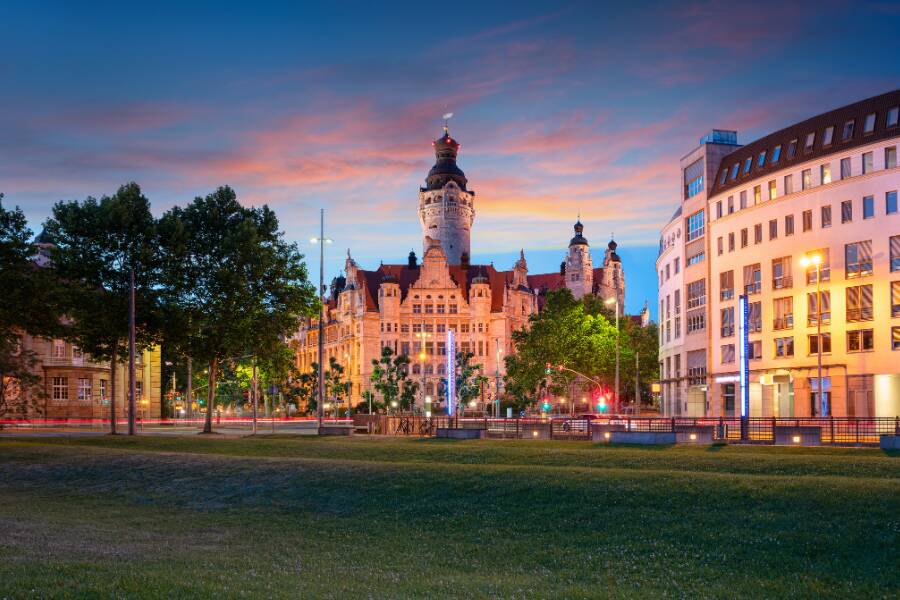
If Berlin has become too “mainstream” for you, Leipzig (or “Hypezig”) is the answer. It’s a city of canals, high-end art, and a thriving underground music scene.
Why Leipzig in May?
Leipzig is one of the greenest cities in Europe. The Auwald, a massive urban forest, is lush and vibrant in May, providing a natural canopy over the city’s many bike paths.
- Weather: Pleasantly mild at 18°C to 21°C.
- The vibe: Outdoor beer gardens (Biergartens) are in full swing, and the vibe is laid-back and intellectual.
Top things to do
- The Spinnerei: Once the largest cotton mill in Europe, it now houses 100+ artist studios and galleries.
- Paddle the Canals: Rent a kayak in the Plagwitz district and navigate through red-brick industrial neighborhoods; it’s like a grittier, cooler Venice.
- St. Thomas Church: Visit the resting place of J.S. Bach and hear the world-famous Thomanerchor (boys’ choir).
Key event: Wave-Gotik-Treffen
May 22–25, 2026. Even if you don’t wear black, this festival is a sight to behold. 20,000 visitors in elaborate Victorian, Steampunk, and Gothic attire descend on the city’s parks. It is peaceful, creative, and one of the most unique cultural sights in Europe.
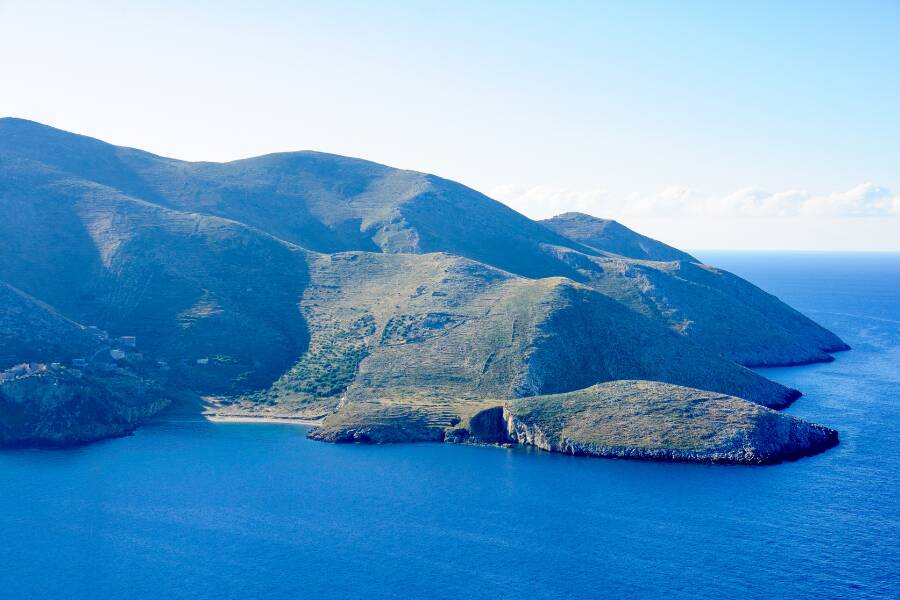
The Mani Peninsula, Greece
Forget the white-and-blue clichés. The Mani, in the southern Peloponnese, is a land of stone towers, olive groves, and a history of fierce independence.
Why The Mani in May?
By July, the Mani is an oven. But in May, it is a garden.
- Weather: A perfect 23°C to 25°C. The Aegean Sea is just warm enough for a refreshing dip, and the hiking trails aren’t yet scorched by the Mediterranean sun.
- Visuals: The white limestone mountains are covered in a carpet of red poppies and yellow broom.
Top things to do
- Diros Caves: Take a boat through this subterranean lake system. In May, the queues are non-existent compared to the two-hour waits in August.
- Vathia Ghost Village: A cluster of 18th-century stone tower houses perched on a ridge. It’s one of the most photographed spots in Greece for a reason.
- Limeni: A tiny fishing village where the water is a neon turquoise. Eat fresh octopus at a table so close to the water you could dip your toes in.
Key Information
And to finish off, here is some key information for the May 2026 traveler.
Which is the cheapest destination?
- Leipzig and Matera offer the best value for money. Leipzig’s food and drink prices are significantly lower than in Western German cities, and Matera offers high-end “cave luxury” for a fraction of what you’d pay for a similar experience in Tuscany or Rome.
- The Azores can be expensive to reach, but it is very affordable once you land, especially if you enjoy free outdoor activities like hiking.
Travel planning tips
- Book “Shoulder Season” flights now: Use tools like Google Flights to track prices. For May travel, the “sweet spot” for booking is usually January or February.
- Pack for “the layer method”: Europe in May can be 25°C in the sun and 12°C in the evening. A light waterproof jacket and a wool sweater are essential.
- Check for Pentecost: Many Northern European countries celebrate Pentecost (May 24–25, 2026). Expect some shop closures and busy trains during that weekend.
Don’t forget your travel insurance
While these hidden gems offer a sense of escape, traveling off the beaten path makes comprehensive travel insurance more important than ever. In places like the Azores or the Mani Peninsula, medical facilities can be limited or require a long journey to reach; a policy that covers emergency medical evacuation is essential should an accident occur while hiking or exploring remote caves.
Whether it’s a sprained ankle on a volcanic trail in Portugal or a sudden airline strike in Germany, a small investment in insurance ensures that your “hidden gem” adventure doesn’t turn into a costly nightmare.
Featured stories