Costa Rica has long been a crown jewel for international travelers seeking a blend of high-octane adventure and serene relaxation. Known globally for its “Pura Vida” philosophy, the country offers an incredible array of experiences, from surfing Pacific swells to trekking through misty cloud forests. As we move through 2026, it remains one of the most stable and welcoming destinations in Latin America, making it a top choice for families and solo explorers alike.
However, a truly successful trip depends on more than just a beautiful itinerary. Understanding the local safety landscape and environmental conditions is essential for any modern traveler. While the country is remarkably safe, being proactive about your protection allows you to focus on the sights rather than the “what-ifs.” This guide is designed to give you the confidence to explore every corner of this tropical paradise, supported by the peace of mind that comes with travel insurance.
Index
Where not to travel in Costa Rica?
In 2026, safety in Costa Rica is less about “dangerous cities” and more about “specific neighborhoods” or “environmental hazards.” Here is the expanded breakdown for staying secure:
High-risk neighborhoods in San José
The capital is the main entry point for most travelers, but it requires the most “street smarts.” Certain suburbs and districts have higher levels of gang activity and petty theft.
- The “Red Zones”: Avoid neighborhoods like Pavas, Los Guido, La Carpio, and León XIII. These areas are often plagued by social inequality and higher crime rates.
- Downtown transit hubs: Be extremely careful around the “Coca-Cola” bus terminal and the Mercado Central. These are hotspots for professional pickpockets.
- Parks at night: While beautiful during the day, urban parks like Parque La Sabana should be avoided after 7:00 PM.
Specific urban ports
Port cities globally tend to have a “seedy” edge, and Costa Rica’s major hubs are no exception.
- Limón city: While the province is home to beautiful beaches, the city itself has a higher crime rate. It is best used as a quick transit point.
- Puntarenas city: The downtown area of the port (specifically neighborhoods like El Roble) can be risky for tourists walking alone at night.
Beaches with dangerous currents
“Where not to travel” also applies to the water. Some of Costa Rica’s most beautiful beaches are notorious for deadly rip tides.
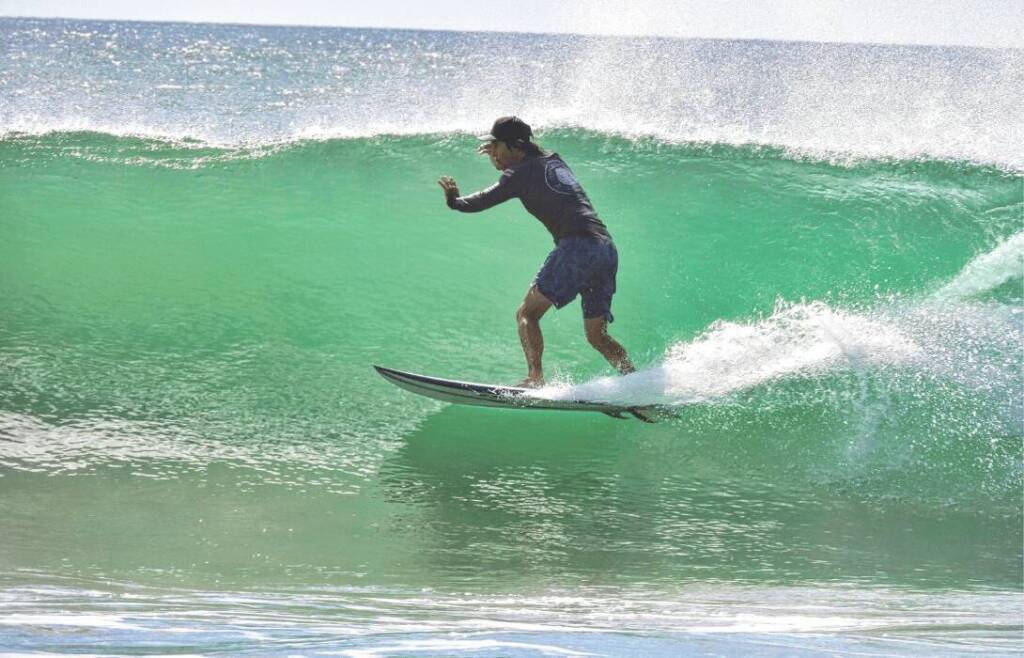
- Playa Jacó: Famous for surfing, but the currents here can be incredibly strong and dangerous for casual swimmers.
- Playa Hermosa (near Jacó): Known for its powerful waves that have claimed the lives of even experienced swimmers.
Considerations to take into account when traveling to Costa Rica
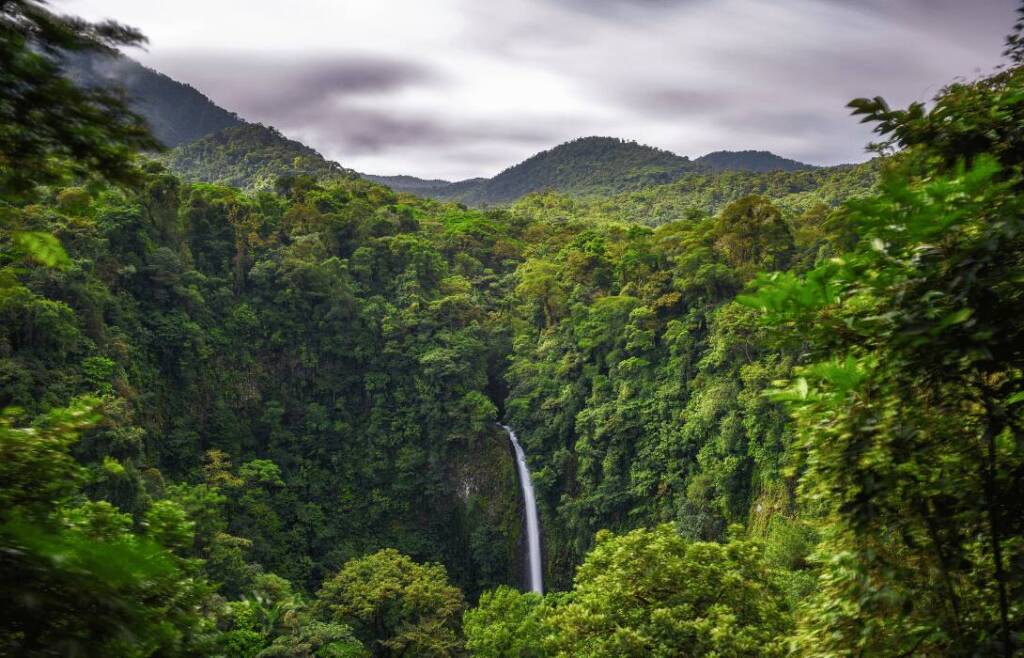
When planning your journey, you must account for the country’s unique geography. Costa Rica is small but diverse, meaning your needs will change as you move from the coast to the mountains. While many roads have been paved, remote adventure remains a staple of the “Tico” experience.
- Transportation and roads: Driving in Costa Rica is an adventure. Many secondary roads are unpaved and can become difficult during the rainy season. If you are renting a car, a 4×4 is often necessary for reaching places like Monteverde.
- Health and environment: The tropical climate requires preparation. Sunburn and mosquito-borne illnesses are the most common health risks. Ensure you use high-SPF sunscreen and stay hydrated.
- Adventure sports coverage: Costa Rica is the world capital of zip lining and rafting. It is crucial to verify that your insurance covers these specific activities.

What part of Costa Rica is the safest?
For those looking for the highest level of security, several regions stand out as exceptionally safe. These areas have community-led safety programs that make them ideal for families:
- La Fortuna (Arenal): The heart of Costa Rican tourism. The local community is highly involved in keeping the area secure.
- Monteverde: This mountainous region is known for its peaceful atmosphere and tight-knit community.
- Guanacaste (North Pacific): Home to many luxury resorts and surf towns, this province offers a very secure environment.
Even in these safe havens, medical emergencies can happen. If you experience a sudden illness in a remote lodge, the costs of private clinics can be staggering. Having travel insurance ensures you have access to top-quality medical care without worrying about the bill.
Is Costa Rica safer than Mexico?
Yes, Costa Rica is generally ranked safer than Mexico for tourists because its safety concerns are mostly limited to petty theft rather than the regional organized crime issues found in parts of Mexico.
| Feature | Costa Rica | Mexico |
| Primary safety concern | Non-violent petty theft | Regional organized crime |
| Tourist police presence | Highly visible in all hubs | Primarily in resort zones |
| Ease of independent travel | High (Safe for solo driving) | Moderate (Requires research) |
While the risk profile in Costa Rica is lower, it is never zero. No matter how safe a destination is.
Is Costa Rica safe for tourists?
The short answer is a resounding yes. The government places a significant emphasis on traveler protection, with specialized tourist police units visible in popular areas like Manuel Antonio. Most visitors complete their journeys without facing anything more serious than a minor travel delay.
For safe travel, maintain basic situational awareness. Avoid leaving belongings unattended on the beach and use the hotel safe for your passport. Whether it’s a sudden fever or a minor injury on a hiking trail, having a reliable support system is vital.
What is the best month to go to Costa Rica?
The best time to visit is during the dry season, from December to April, for guaranteed sunshine. For lower prices and lush scenery, the “Green Season” (May to November) is ideal.
- Dry season (December–April): Best for sunshine and accessible roads.
- Green season (May–November): Lush landscapes and lower prices. It typically rains in the afternoons.
- The “shoulder” months: May and June offer a great balance of lower prices and manageable weather.
Regardless of the month, the rainy season can lead to unexpected travel delays.
Is Costa Rican water safe to drink?
In 2026, Costa Rica remains one of the few countries in Latin America where the tap water is safe to drink in most areas. This reduces plastic waste and makes daily life easier. If you do happen to contract a stomach bug in a remote area, the medical chat feature in the Heymondo App allows you to consult with a doctor immediately, preventing a minor illness from ruining your vacation.
Adventure with confidence
From whitewater rafting to zip lining through the canopy, Costa Rica invites you to push your limits. Knowing that you have a policy specifically designed to cover adventure sports means you can say “yes” to those heart-pounding experiences with total confidence. It transforms “what if” into “I’m covered,” allowing you to stay present in every moment of your trip.
If you are planning a solo trip, be sure to check out this guide on traveling alone in Costa Rica for more expert tips. Ultimately, travel insurance is about more than just numbers on a page; it’s about peace of mind. It allows you to embrace the spirit of Costa Rica—wild, beautiful, and spontaneous—knowing that regardless of what happens, you have a professional team ready to support you.
Featured stories